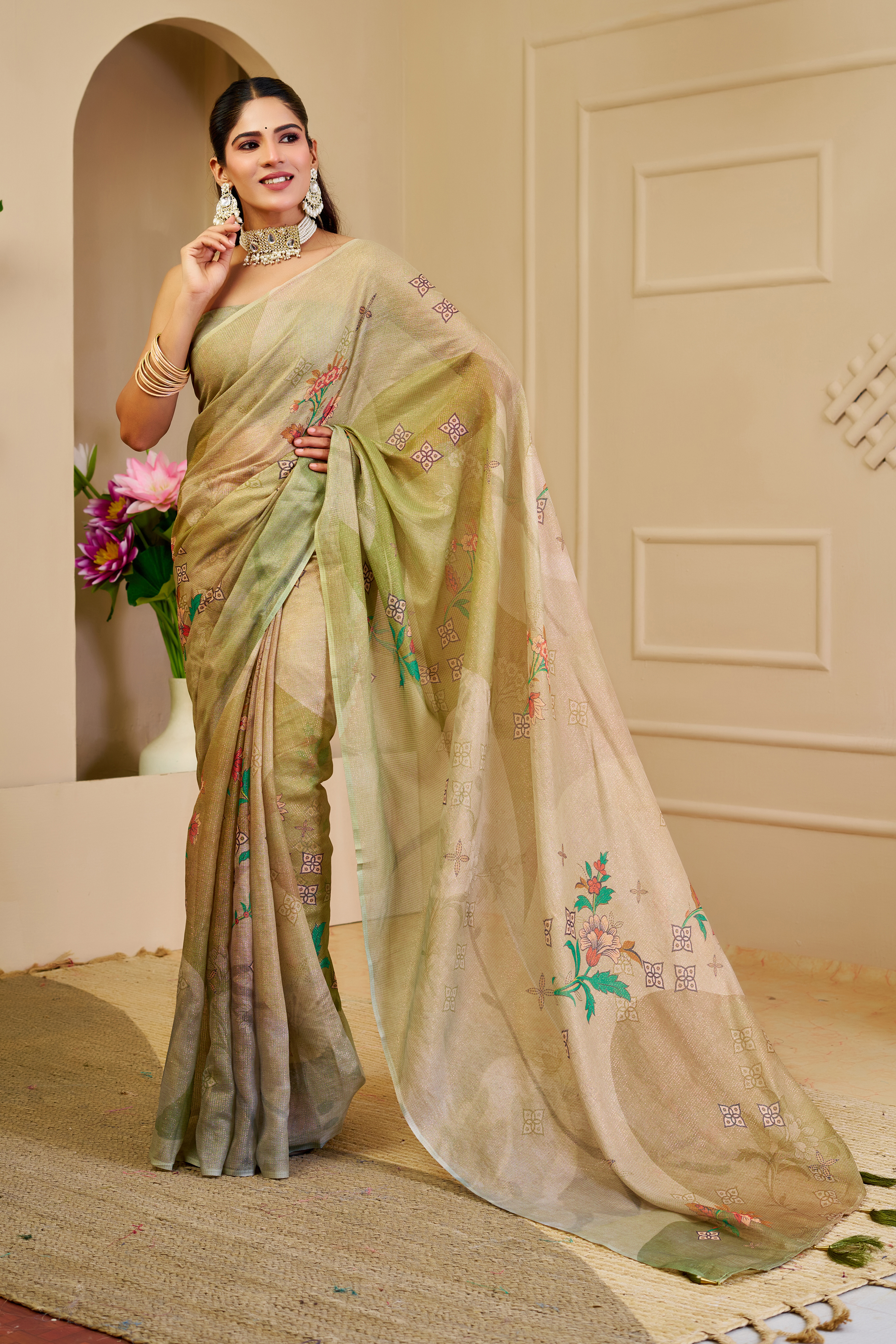
Tamil Nalangu Function Clothing for Guests Who Join the Games needs to handle more than photographs. A Nalangu gathering may involve applying turmeric, rolling coconuts, passing objects, balancing tasks, singing, sitting on the floor and moving between family groups. The most dependable guest outfit combines festive colour with a secure neckline, manageable hem, breathable fabric and footwear that can be removed quickly.
Nalangu is a playful Tamil wedding ritual that brings the bride and groom, relatives and guests together through informal games and auspicious gestures. Customs vary between families, so guests should follow the hosts' instructions about colours, seating and participation. Clothing that allows easy movement is especially useful when a guest is invited into the centre of the ceremony rather than remaining a spectator.
Tamil Nalangu Function Clothing for Guests Who Join the Games: what should guests wear?
Guests should wear a festive Indian outfit made from a breathable fabric with secure styling and enough room to sit, bend and move. A lightweight saree, an easy drape with a stitched blouse, a sharara set or a fluid gown can all work when the silhouette is practical.
Bright but comfortable dressing suits the cheerful mood of Nalangu. Teal, turmeric yellow, coral, parrot green, pink, ivory and deep maroon photograph well in indoor and outdoor settings. Silk blends, linen cotton, Chanderi, cotton-silk and lightweight georgette usually offer a better balance of polish and movement than very stiff brocade or heavily layered velvet.
The right level of ornament depends on the event schedule. A daytime family Nalangu often suits printed linen cotton or a light silk saree, while an evening celebration can support zari, sequins or a more elaborate sharara. Guests should avoid trailing dupattas, very long tassels and floor-length hems that can catch on chairs, rangoli edges or other people's clothing.
Tamil Nalangu Function Clothing for Guests Who Join the Games: which sarees work best?
A game-friendly saree should be light enough to move in, securely pleated at the waist and pinned at the shoulder so the pallu can't slip forward. A pre-pleated saree or a regular saree worn with a well-fitted petticoat can make participation much easier.
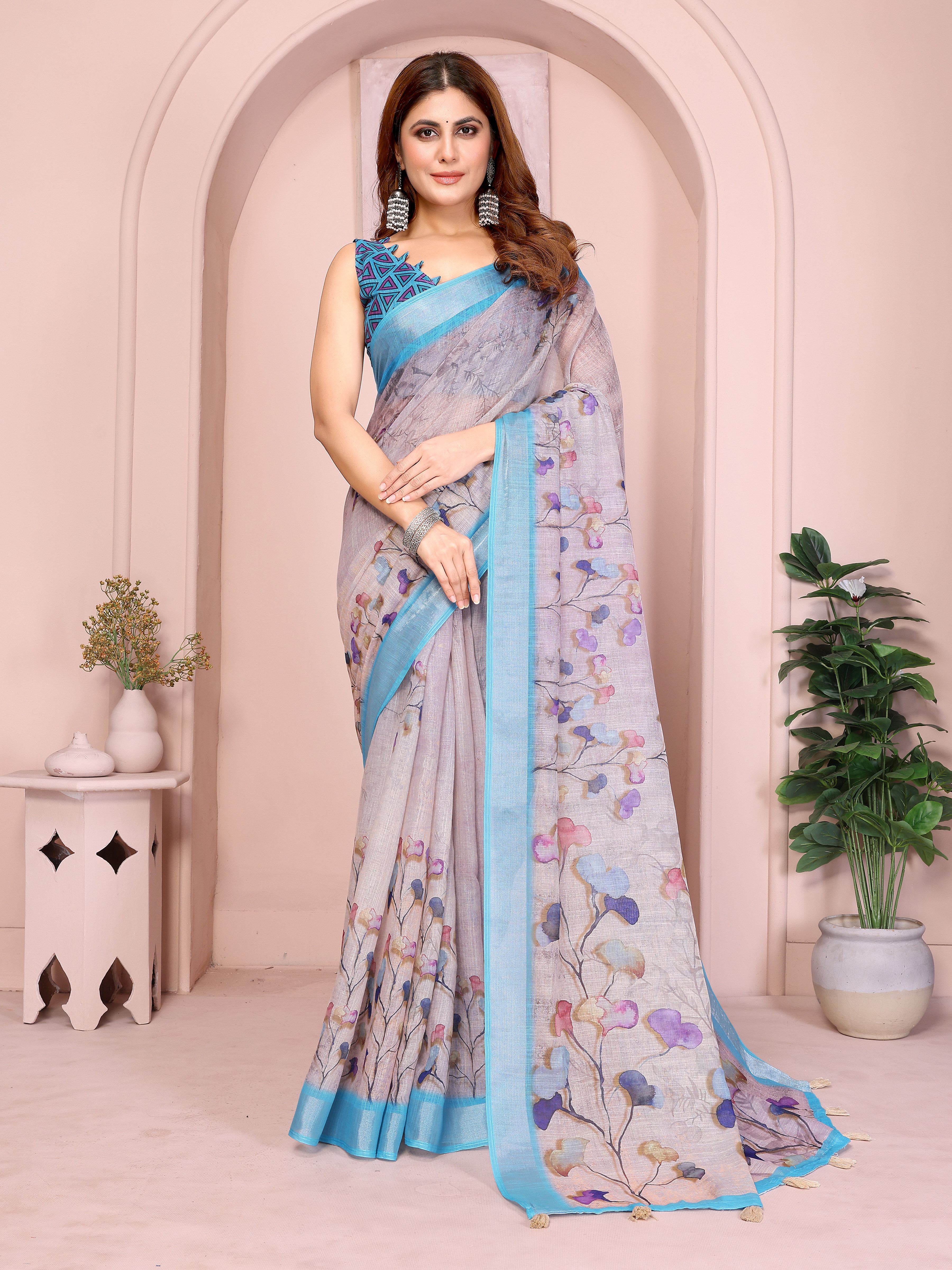
Linen cotton is particularly useful for a daytime Nalangu because the weave feels breathable and usually holds a neat shape without the weight of dense silk. The Teal Floral Printed Linen Cotton Saree With Matching Blouse offers a coordinated option when a guest wants a finished look without spending time matching separates. The matching blouse also removes a common source of last-minute fit problems.
Guests who prefer a deeper, more grounded palette can consider the Charcoal Floral Linen Cotton Saree with Maroon Woven Border. A maroon border adds visual richness without requiring a heavily embellished blouse. A charcoal or maroon blouse with short, secure sleeves can keep the outfit practical for handling turmeric bowls and sitting on the floor.
The Cream Floral Printed Linen Cotton Saree with Wine Jacquard provides a softer neutral base for daytime family photographs. Cream clothing needs more caution around turmeric, sandalwood paste and kumkum, so guests wearing it should carry a clean cotton stole or keep a washable overshirt nearby if they expect hands-on participation.
For a stronger colour statement, the Teal Floral Linen Cotton Saree with Elegant Contrast Border can be styled with a compact blouse, low-profile earrings and flat sandals. The same design appears twice in the available product naming, so shoppers should check the listing details, blouse information and measurements carefully before ordering.
A saree worn for Nalangu should generally have pleats that stop above the top of the foot rather than brushing the floor. Pinning four to five front pleats from the inside can prevent them from opening when a guest kneels. A safety pin should secure the pallu to the blouse near the shoulder, while a second concealed pin can keep the pallu from dragging through food or ritual materials.
Tamil Nalangu Function Clothing for Guests Who Join the Games: are shararas and gowns practical?
Sharara sets and gowns are practical for Nalangu when the trousers or inner lining allow a full stride and the hem doesn't pool around the feet. These silhouettes are often easier than a saree for guests who expect repeated bending, walking or sitting.
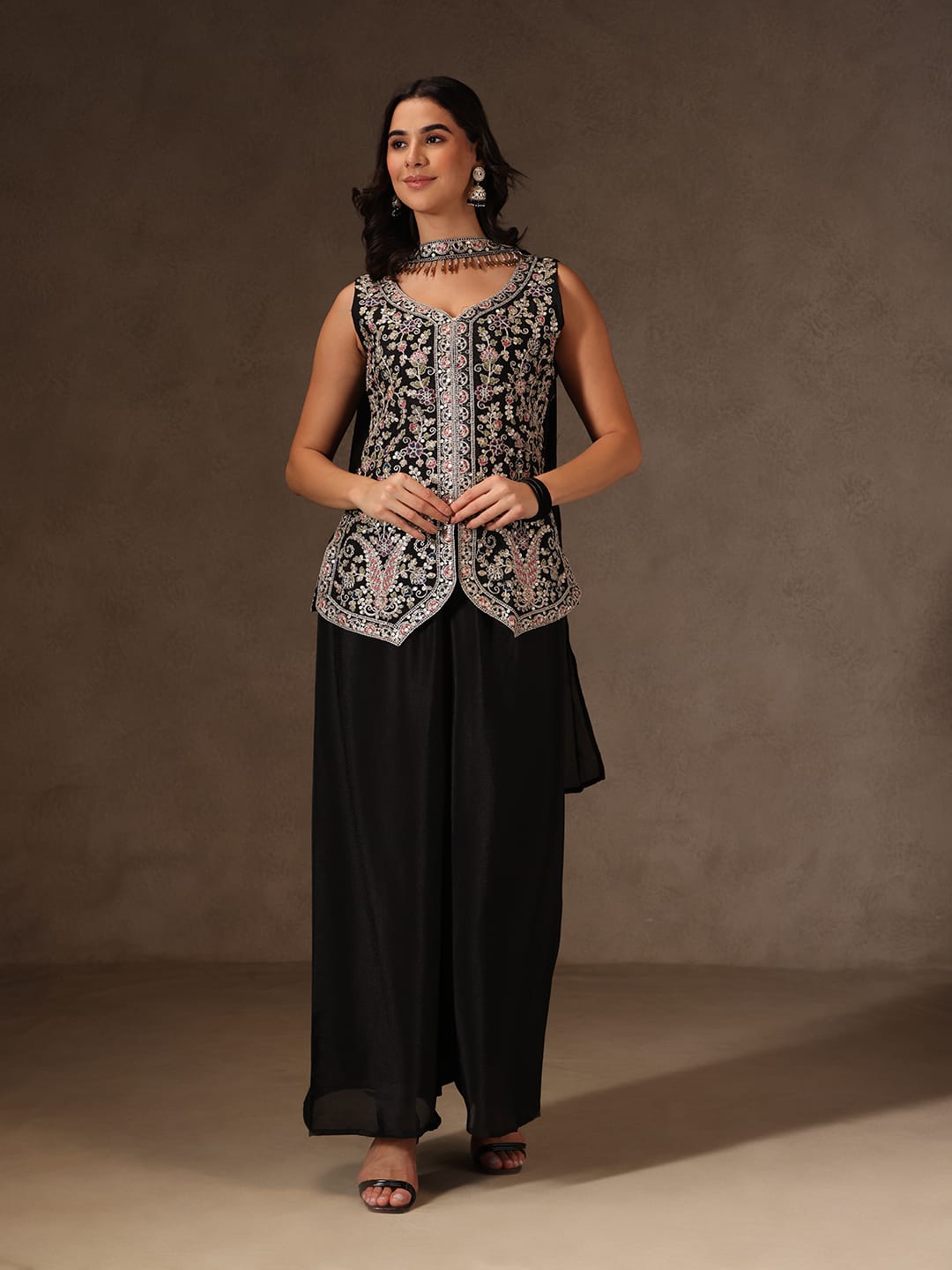
The Black Chinon Sharara Set with Multicolour Embroidery for Women can suit an evening Nalangu or a guest who wants movement through a wide-leg lower half. Chinon drapes fluidly, but the fabric may snag on rough seating or sharp jewellery. A guest should inspect the hem and dupatta before joining a game. A short or medium-length dupatta pinned at one shoulder is safer than a long loose drape.
A gown can provide a single-piece solution, but the cut matters more than the label. The Teal Blue Vichitra Silk Embroidered Gown Set Online Copy Title has a dressier visual direction that may work for a reception-style Nalangu or an evening function. Guests should check whether the gown has a side slit, lining and sufficient flare for sitting comfortably before choosing it for active participation.
Gowns with a narrow mermaid hem, heavy cancan, long train or extensive floor-level embroidery are less suitable for games. A straight or gently flared shape with a side zip, secure lining and ankle clearance is safer. Sharara trousers should not be so wide that they catch under a chair or become tangled with a dupatta.
An useful test is to wear the complete outfit at home and perform five movements: sit cross-legged, squat briefly, raise both arms, walk up stairs and step sideways. Any pulling at the armhole, waist or crotch signals that alterations are needed before the event. This ten-minute test can reveal problems that a standing mirror doesn't show.
Tamil Nalangu Function Clothing for Guests Who Join the Games: which fabrics handle rituals?
Breathable, moderately structured fabrics with washable or manageable surfaces are the safest choices for guests who will touch ritual materials. Linen cotton, cotton-silk blends, Chanderi and light Vichitra silk are generally easier to manage than very delicate net, untreated raw silk or densely embellished velvet.
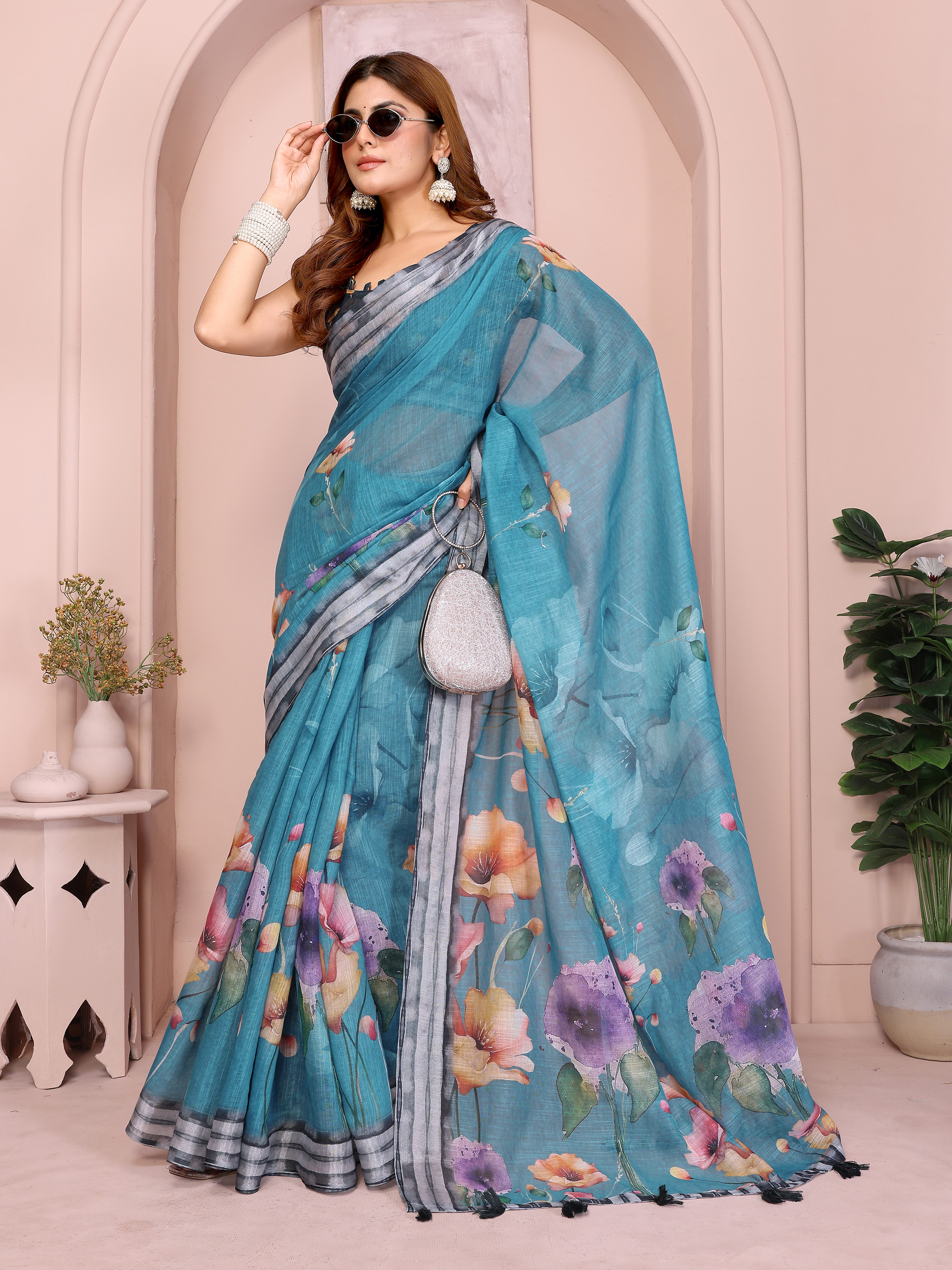
Turmeric can leave a yellow mark, kumkum can transfer red pigment and oil-based sweets can create dark spots on pale fabric. A guest wearing cream, ivory or pastel clothing should avoid letting the pallu rest on the floor. Dark teal, maroon, charcoal and green can disguise minor marks better, although no colour is completely stain-proof.
Small zari details are usually practical, while broad metallic embroidery can feel heavy or scratch the skin during repeated movement. Check the reverse side of embroidered sleeves and waistbands for rough threads. Zari can also tarnish or lose brightness when exposed to moisture. A garment that may contact turmeric paste should not be a treasured heirloom piece.
The Green Floral Linen Cotton Saree Online | Varnavi Store illustrates why floral linen cotton can be a useful wedding-guest direction: the print supplies visual interest while the fabric remains more relaxed than a heavily woven silk. Guests should still confirm the exact blouse dimensions and care label because printed linen cotton can respond differently to washing, pressing and humidity.
Natural-fibre clothing can crease during a long ceremony, but moderate creasing is often preferable to overheating. A garment bag, padded hanger and steam iron used from the reverse side can prepare linen cotton without flattening the texture. Guests should never apply a hot iron directly over embroidery, zari or printed surfaces without testing a hidden area.
Tamil Nalangu Function Clothing for Guests Who Join the Games: how should outfits be styled?
Secure styling begins with the blouse, waist and footwear rather than jewellery. A blouse should sit firmly at the armhole, the petticoat should grip without digging into the waist and the footwear should remain stable on smooth indoor floors.
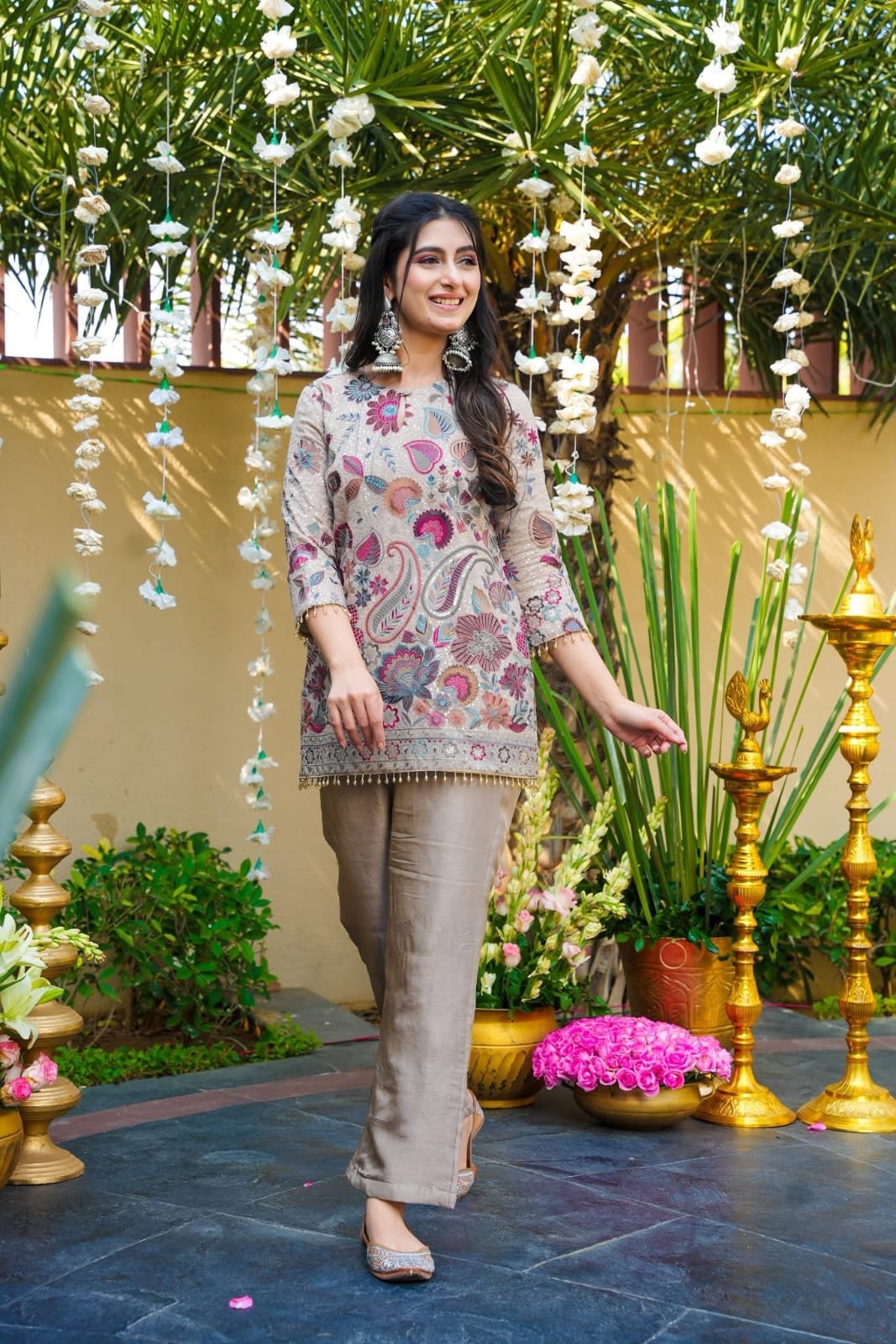
For a saree, a cotton or satin petticoat with a reliable drawstring can prevent slipping better than a loose elastic waist. A fitted blouse with a higher back, broad straps or elbow-length sleeves gives more security than a very low-back design. A belt worn over the saree can add support. But the belt should be tested while sitting because a rigid belt may press into the abdomen.
Choose jewellery that won't swing into another guest during a game. Medium jhumkas, small hoops, a short necklace and two or three bangles are usually easier to manage than long layered necklaces and oversized chandelier earrings. Hair should be braided, pinned into a low bun or secured in a style that won't require repeated adjustment.
Flat juttis, kolhapuris with a secure strap or low block heels are safer than narrow stilettos. A sole with grip matters when guests move from a tiled hall to a courtyard. Pack foldable flats if the main footwear is decorative. Avoid new shoes that have not been worn for at least one short walk indoors.
Keep a small participation kit in a cloth pouch: two safety pins, a few hairpins, tissues, a stain-removal wipe, a spare blouse hook and a transparent zip bag for damp or marked accessories. A clean handkerchief can protect a pallu when a guest needs to sit near turmeric, oil or food.
Tamil Nalangu Function Clothing for Guests Who Join the Games: how should guests coordinate colour?
Guests can coordinate with the Nalangu setting by choosing one festive colour and keeping the remaining styling elements restrained. Matching the bride's exact silk, border or jewellery is unnecessary unless the family has requested coordinated clothing.
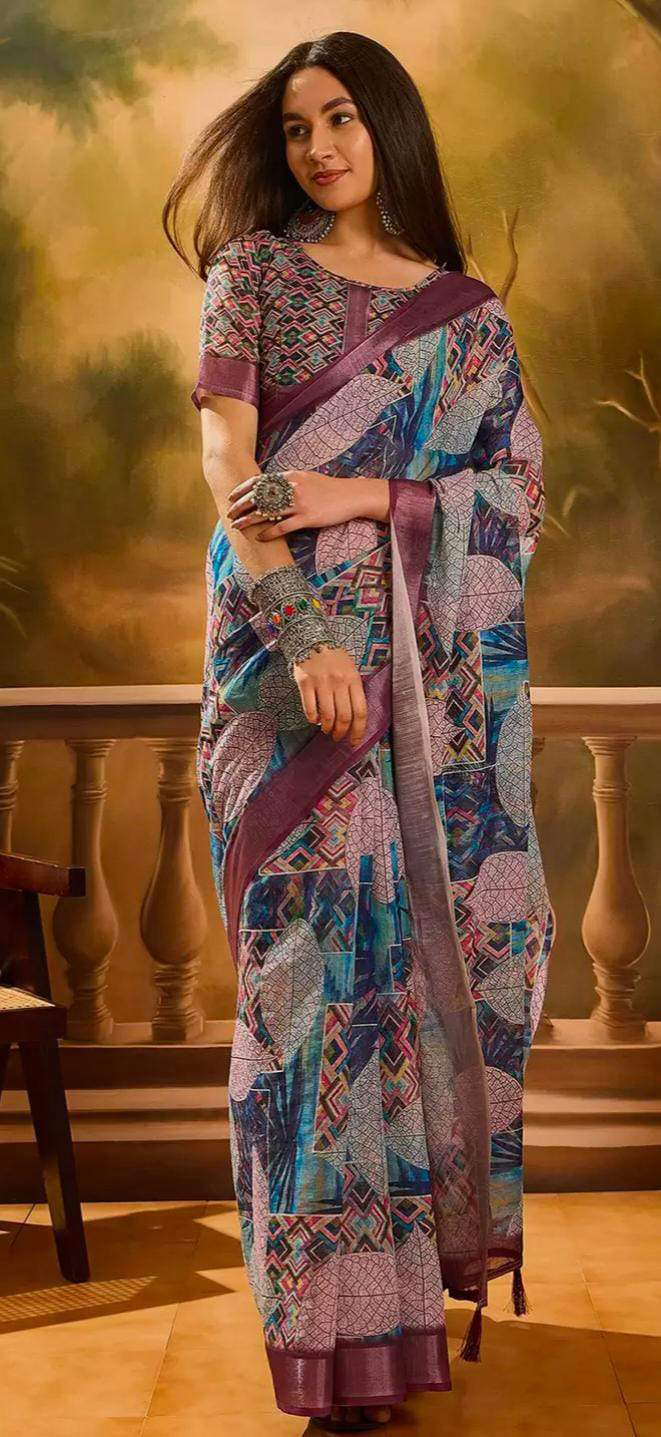
Teal works well with antique gold, pearl, silver and maroon accents. Green pairs naturally with gold and muted pink, while charcoal becomes more festive with a wine, rust or zari blouse. Cream and ivory look elegant with wine jacquard or maroon details. But they require more care around turmeric and coloured powders.
A guest can also coordinate with relatives without wearing an identical outfit. For example, one person may wear a teal saree, another may choose a maroon sharara and a third may select green accessories. Repeating a colour family creates visual harmony in photographs while preserving individual comfort and personal style.
Guests should ask whether the Nalangu is a short ritual followed by lunch or a larger event lasting several hours. A simple linen cotton saree may be ideal for a warm afternoon, while a light silk or embroidered sharara may be better for an air-conditioned evening hall. The ceremony timing affects fabric, lining, sleeve length and footwear more than a trend forecast does.
Tamil Nalangu Function Clothing for Guests Who Join the Games: what should be checked before buying?
Guests should check fabric composition, garment measurements, blouse construction, lining, return terms and care instructions before buying an outfit for Nalangu. A beautiful photograph can't show whether a sleeve restricts the arm or whether a hem will drag during floor seating.

Measure the bust, waist, hip and shoulder width while wearing the undergarments intended for the outfit. Compare those measurements with the seller's chart rather than relying only on a familiar ready-to-wear size. Allow extra room at the hip and thigh for sitting in a sharara or gown, and confirm whether the blouse has seam allowance for alterations.
Inspect product photographs for lining visibility, closure type, pallu length, embroidery placement and hem finish. A concealed zip can be convenient, while fragile hooks or a very narrow opening may complicate dressing. A blouse with a padded cup or stiff interfacing may also feel uncomfortable during a long Nalangu.
Order at least ten to fourteen days before the wedding when possible. That timeframe allows for delivery, a trial, minor alterations and a second fitting. Steam or press the garment after alterations, then repeat the five-movement test before packing it for the function.
For post-event care, remove safety pins carefully, air the garment away from direct sunlight and treat turmeric or food marks promptly according to the care label. Do not rub zari, silk or printed surfaces aggressively. Professional dry cleaning is safer for heavily embroidered garments, while linen cotton may require gentle washing, shade drying and pressing from the reverse side.
Common Questions About Tamil Nalangu Function Clothing for Participating Guests
What is the most comfortable outfit for a Tamil Nalangu function?
A lightweight linen cotton saree with secure pleats, a sharara set with a practical dupatta or a gently flared gown is usually comfortable. Choose breathable fabric, a secure blouse or waistband and a hem that stays above the floor when sitting.
Can guests wear a saree while joining Nalangu games?
Guests can wear a saree while joining Nalangu games if the pleats are pinned, the pallu is secured and the hem does not drag. A fitted petticoat, flat footwear and a second concealed safety pin make movement safer.
Which colours are suitable for a Tamil Nalangu ceremony?
Teal, green, turmeric yellow, coral, pink, maroon, ivory and cream are suitable festive colours for a Tamil Nalangu ceremony. Guests should ask the family about any requested colour theme and avoid copying the bride's exact outfit without permission.
Is a sharara better than a saree for Nalangu games?
A sharara can be easier than a saree for repeated walking, bending and sitting because the lower garment is already divided into two legs. A saree may be preferable for guests who are comfortable with draping and want a traditional silhouette.
What fabric should guests avoid wearing to Nalangu?
Guests should avoid very delicate net, long-train gowns, heavy velvet and garments with loose embellishment when they expect active participation. Turmeric, kumkum and floor contact can mark or damage fragile surfaces.
How can guests protect clothing from turmeric during Nalangu?
Guests can protect clothing by pinning the pallu away from the floor, carrying a clean cotton stole and keeping tissues or a suitable stain-removal wipe nearby. Promptly follow the garment's care label instead of rubbing turmeric marks into the fabric.