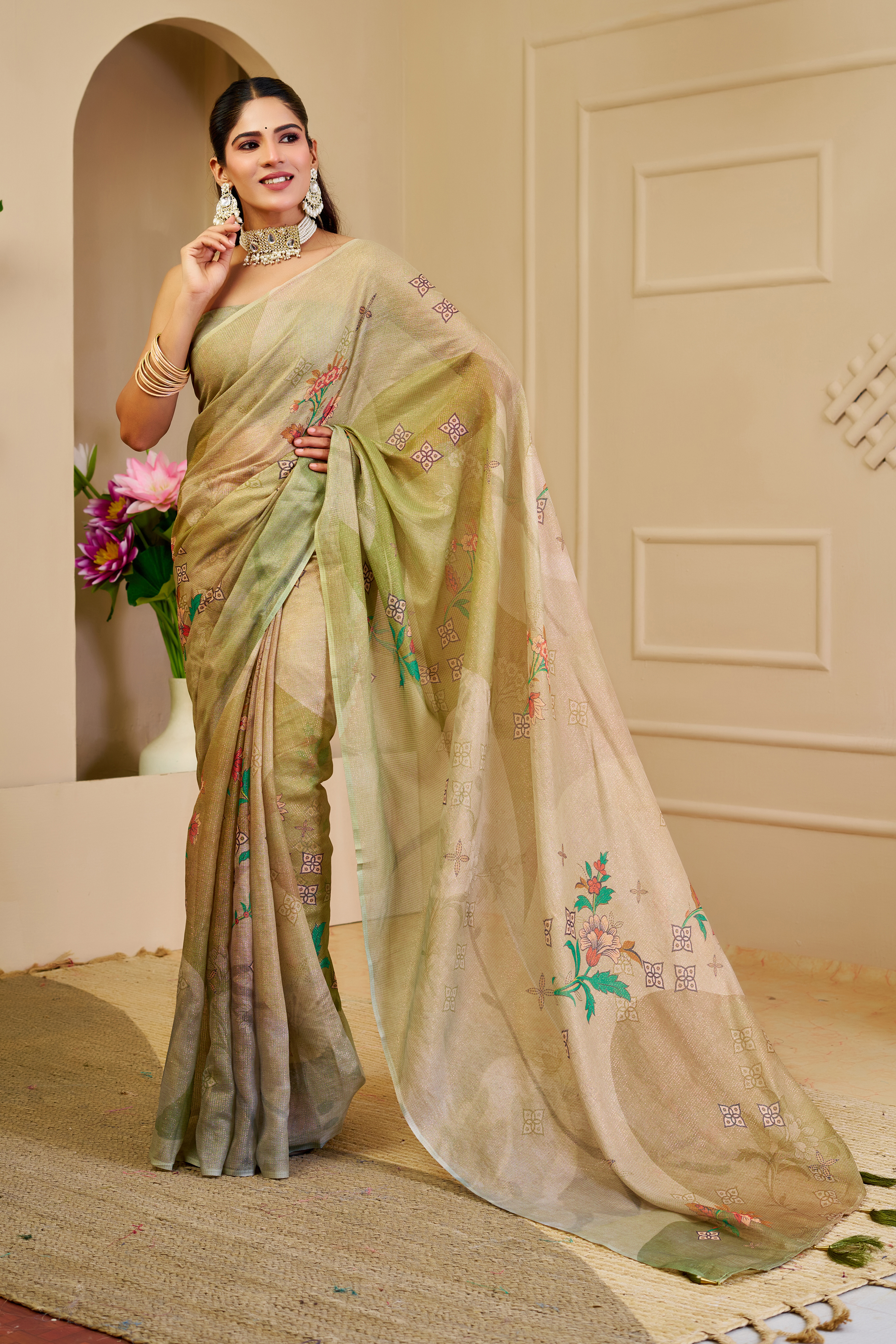
Regional Dress Day Clothing That Avoids Mislabeling Other Communities begins with one important distinction: wearing Indian ethnic clothing isn't the same as accurately representing a particular region. A kurta, dupatta, silk weave or embroidered set can be suitable for a school, office or community event, but calling a generic outfit "Rajasthani," "Tamil," "Punjabi" or "Bengali" without evidence can flatten several distinct traditions into one costume. Respectful dressing depends on accurate labels, practical styling choices and an honest explanation of what the garment actually represents.
The safest approach is to choose clothing by its material, construction and documented design reference rather than assigning a regional identity based only on colour. Banarasi silk, Kanjeevaram, Chanderi, Phulkari embroidery, Bandhani tie-dye and Kasavu borders each have different histories and visual languages. A garment can acknowledge Indian craft without claiming to reproduce the complete dress tradition of a community.
Regional Dress Day Clothing That Avoids Mislabeling Other Communities: What makes an outfit respectful?
A respectful regional dress day outfit makes a specific, supportable claim about its textile or styling reference and avoids presenting a generic garment as the definitive dress of an entire community.
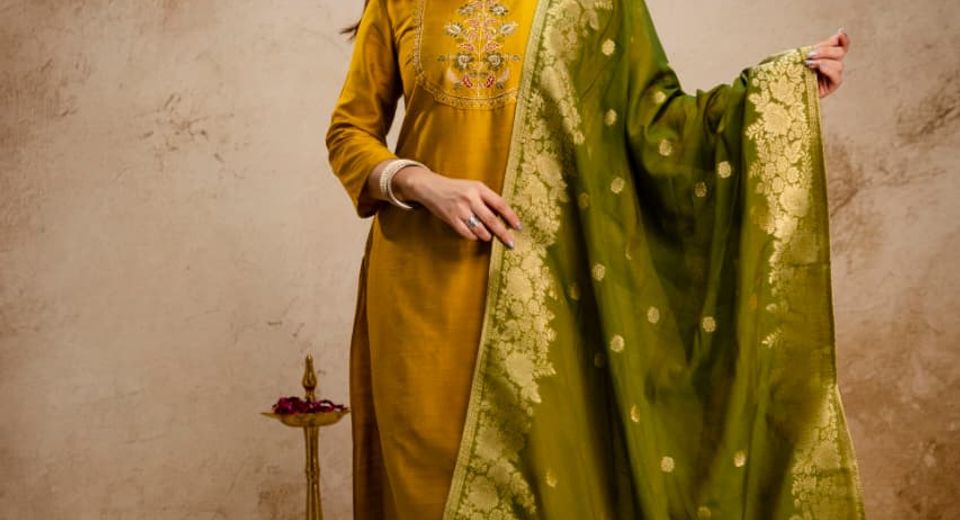
Three checks make that claim more reliable. First, identify the garment accurately: a kurta set, saree, lehenga, salwar suit, gown or Western dress should be named plainly. Second, identify the material or technique only when the description is verified. Third, separate "inspired by" from "traditional dress." A mustard kurta set with a dupatta may suit a cultural celebration, but the outfit alone doesn't prove that it belongs to Maharashtra, Gujarat, Punjab or any other region.
Regional clothing often includes several components that are easy to overlook. A saree may differ by drape, border, blouse cut and fabric. A salwar suit may be associated with one area because of its embroidery, while a similar silhouette is worn throughout northern India. Jewellery, head coverings, footwear and the way a garment is wrapped can carry as much regional meaning as the base fabric.
For a school or workplace event, a clear description is better than an exaggerated label. "Chanderi kurta set with gold-toned embroidery" is precise. "Authentic heritage dress of all central Indian women" is too broad and likely inaccurate. A short, factual description also gives classmates or colleagues something useful to remember about the textile.
Regional Dress Day Clothing That Avoids Mislabeling Other Communities: How can you choose without guessing?
Choose the garment first by construction and comfort, then attach a regional reference only when a reliable source confirms the connection.
A practical selection process starts with the event brief. If the organiser has assigned states, communities or textile traditions, use that list rather than selecting a costume from memory. Ask whether participants need to represent a specific region or simply celebrate Indian diversity. Those are different requirements and call for different levels of research.
- Read the brief carefully. A "states of India" presentation may require a named regional look, while a "textile heritage" day may allow any Indian ethnic outfit with a documented craft reference.
- Check the textile description. Look for concrete terms such as Chanderi, Banarasi silk, Kanjeevaram, ikat, ajrakh, kalamkari or hand-block printing. Do not infer a weave from a colour alone.
- Choose a wearable silhouette. A kurta set, salwar suit or modest gown can work better than an improvised costume that depends on inaccurate props.
- Confirm accessories separately. A nose ring, turban, veil or tribal jewellery should not be added as a decorative shortcut to suggest a community.
- Prepare one accurate sentence. Be ready to state the garment type, textile, craft technique and known regional connection without claiming more than you know.
For example, a mustard-toned outfit can be styled as festive ethnic wear without being labelled as a specific state costume. Women's Mustard Silk Blend Kurta Set with Dupatta offers an useful example of this approach: describe its silk-blend fabric, kurta-and-dupatta structure and occasion suitability rather than assigning it a regional identity from colour alone.
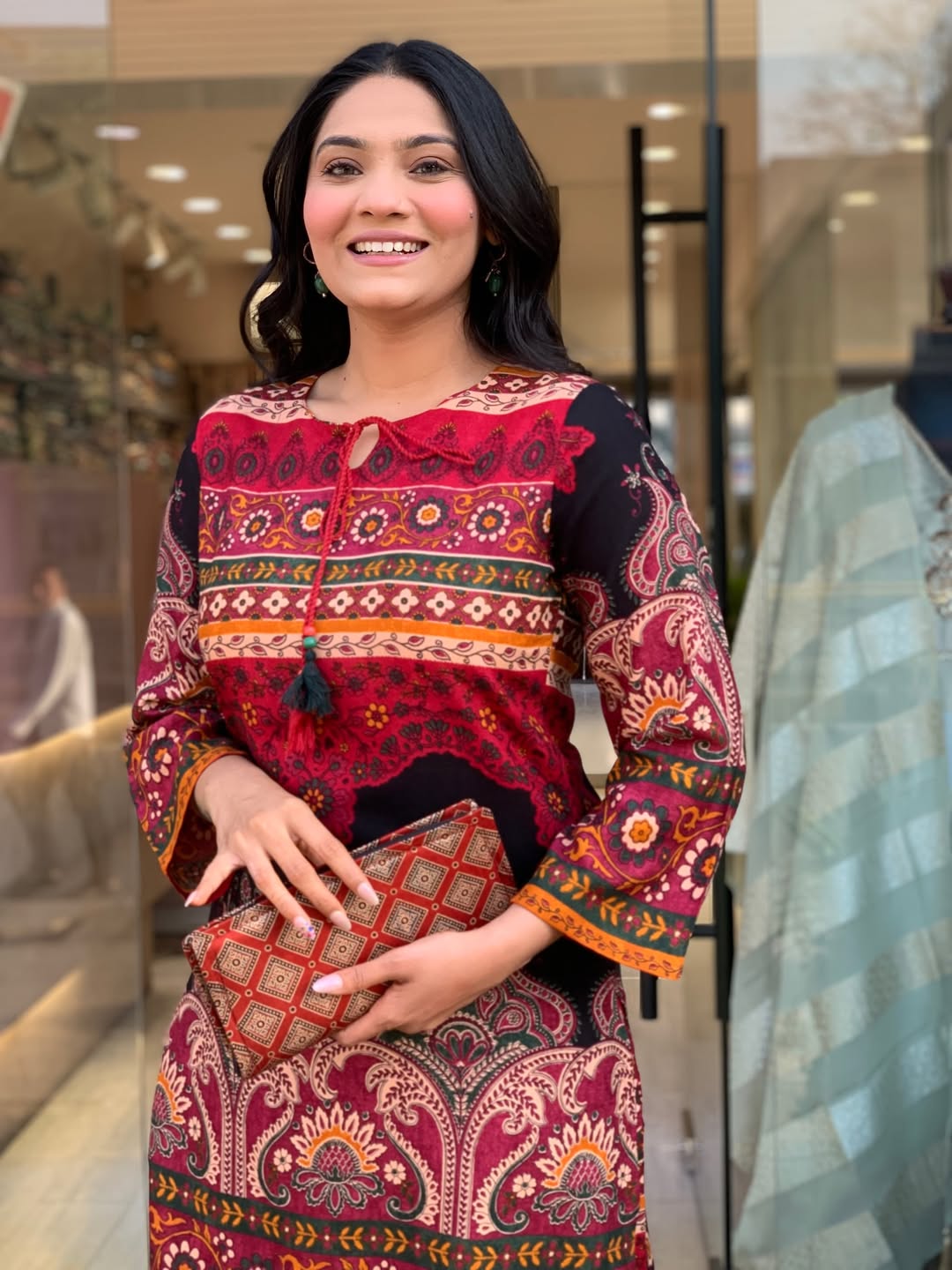
A contemporary outfit can also be selected for comfort without pretending to be ceremonial dress. Printed Rayon Co Ord Set for Women Online | Varnavi can be described through its coordinated construction, printed surface and relaxed styling. The product name includes a brand reference, but the clothing itself should still be discussed through its actual design features rather than an invented regional association.
Regional Dress Day Clothing That Avoids Mislabeling Other Communities: Which fabrics carry regional meaning?
Fabric, weave, surface technique and finishing details carry more reliable regional information than colour or silhouette by itself.
Regional Dress Day Clothing That Avoids Mislabeling Other Communities and textile names
Banarasi silk is strongly associated with Varanasi and is recognised for rich silk grounds and zari patterning. Kanjeevaram sarees are linked with Kanchipuram and typically include substantial silk, contrast borders and motifs shaped by South Indian weaving traditions. Chanderi, associated with Madhya Pradesh, is valued for a light hand, translucence and a delicate appearance. These names should be used only when the garment really uses the named textile or is accurately described as inspired by it.
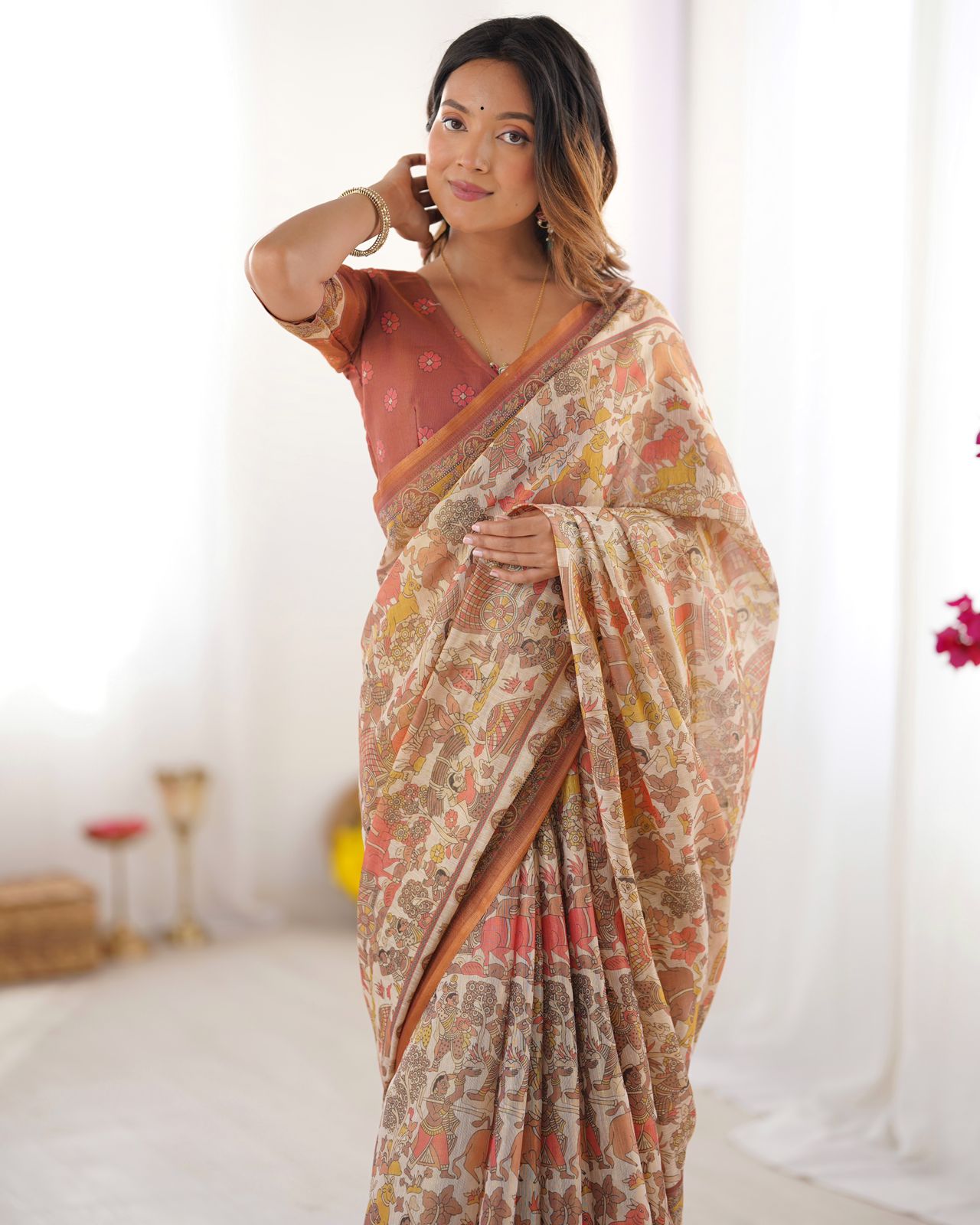
Silk blend, rayon, viscose and polyester are fibre descriptions, not automatic regional identities. A silk-blend kurta doesn't become Banarasi silk because it has a sheen. A printed rayon garment doesn't become Kalamkari because it contains floral motifs. Fibre content and craft origin should be kept separate in both speech and event labels.
Mustard Viscose Chanderi Kurta Set with Sequence Embroidery demonstrates why precise wording matters. "Viscose Chanderi kurta set with sequin embroidery" communicates fabric and decoration. Calling the garment the single classic dress of Madhya Pradesh would be an unsupported claim, especially because Chanderi textiles appear in contemporary designs and many different silhouettes.
Regional Dress Day Clothing That Avoids Mislabeling Other Communities and embroidery
Embroidery can provide an useful clue, but a motif alone rarely proves regional origin. Phulkari is associated with Punjab and is known for floral embroidery traditionally worked on the reverse of the fabric. Chikankari is associated with Lucknow and is recognised for delicate white or pastel threadwork. Zari refers to metallic thread embellishment and appears across many Indian textile traditions, so zari by itself doesn't identify one state.
Red Cotton Embroidered Kurta Pant Dupatta Set Women can therefore be described accurately as a red cotton kurta, pant and dupatta set with embroidery. Red is festive across many regions, and embroidery can have various influences. A more specific label requires verified information about the technique, maker or documented design source.
Regional Dress Day Clothing That Avoids Mislabeling Other Communities: Which silhouettes work for events?
Kurta sets, salwar suits, sarees with secure drapes and simple ethnic separates are the most practical silhouettes for school and office regional dress days.
A kurta with trousers or palazzo pants provides movement, coverage and easy sitting. A dupatta can be pinned at both shoulders or secured with a discreet brooch so that it doesn't fall during presentations. A salwar suit gives similar ease and can be worn with flat juttis, kolhapuris or clean sandals without requiring a theatrical styling package.
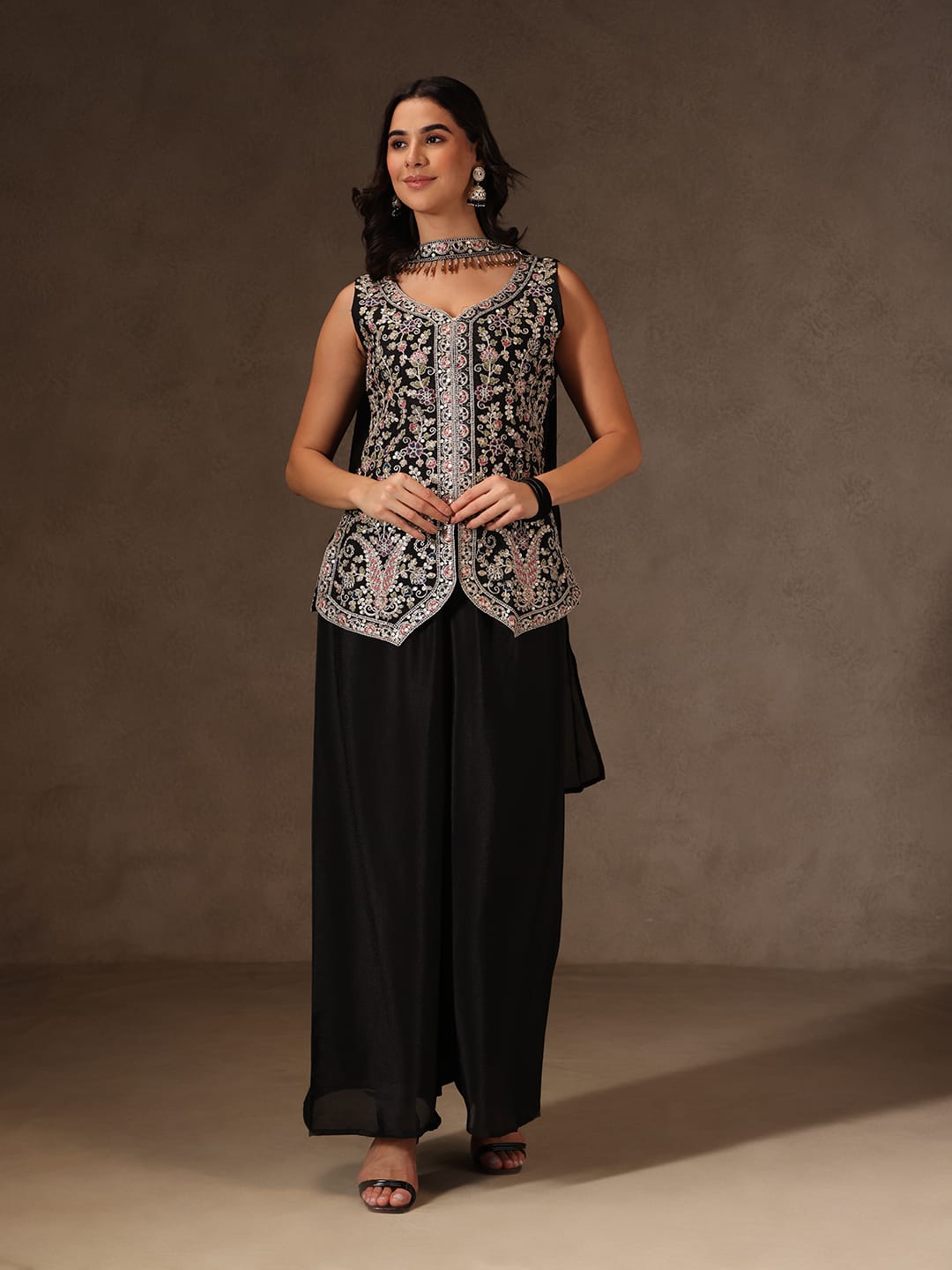
Teal Blue Vichitra Silk Embroidered Gown Set Online Copy Title can be discussed as a teal embroidered gown set with a vichitra-silk fabric reference. A gown may be suitable for a contemporary ethnic-fusion event, but a gown should not be presented as a heritage saree, lehenga or regional dress simply because it uses Indian embroidery.
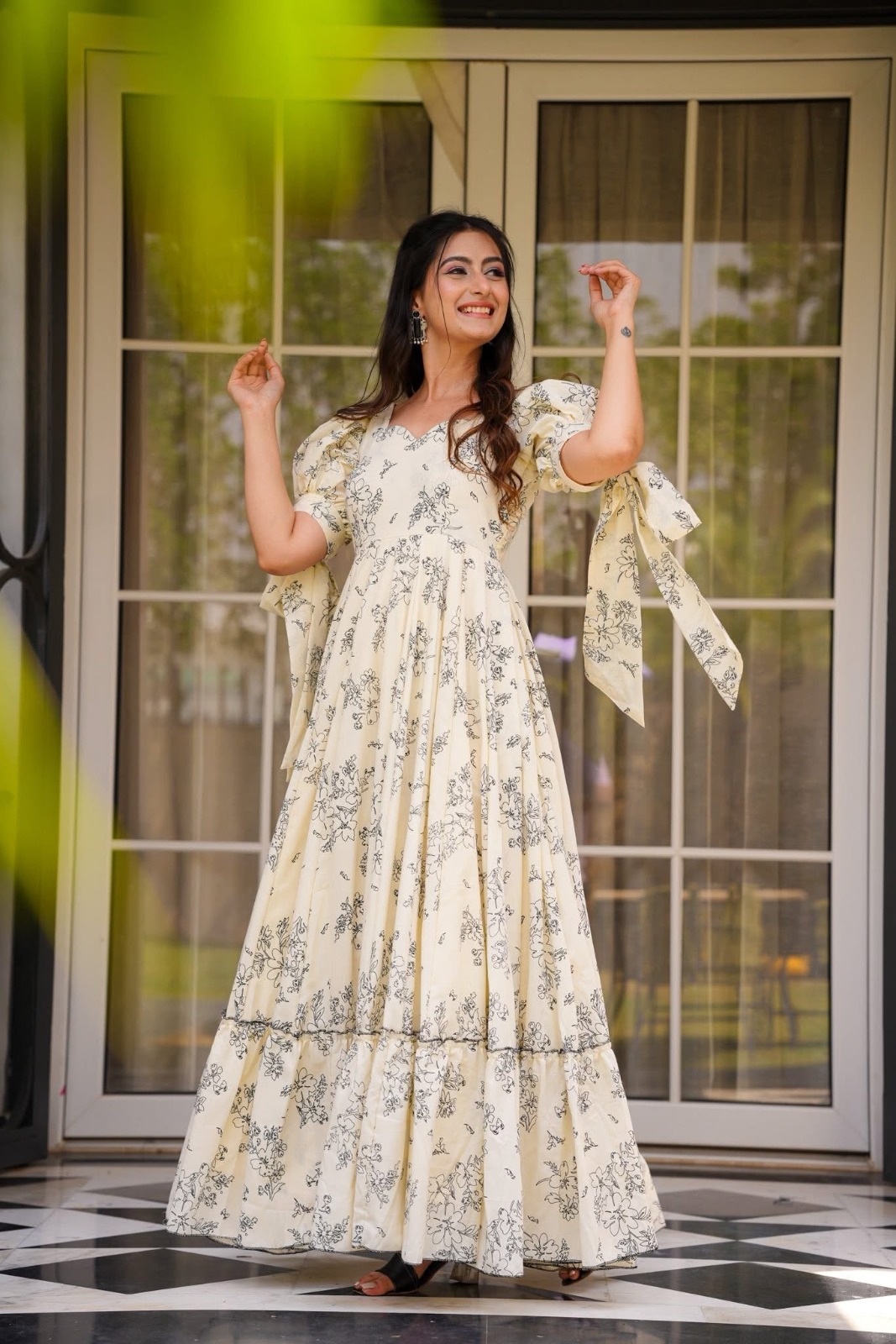
A Western dress may work for a broad Indian textiles theme when it uses a documented print or textile reference. Cream Floral Printed Western Dress for Women is better described through its cream base, floral print and Western silhouette than assigned to a region without a verified craft connection. Accurate description protects both the wearer and the community being represented.
Teal Floral Printed Maxi Dress for Women Summer Wear can similarly suit a relaxed cultural event when the brief permits contemporary clothing. Pairing the maxi dress with simple earrings and neutral sandals keeps the styling coherent. A floral print alone doesn't establish a connection to Bengal, Kerala, Rajasthan or any other region.
Regional Dress Day Clothing That Avoids Mislabeling Other Communities: How should colours and accessories be handled?
Use colour and accessories to create a cohesive outfit, not to imitate a community through stereotypes.
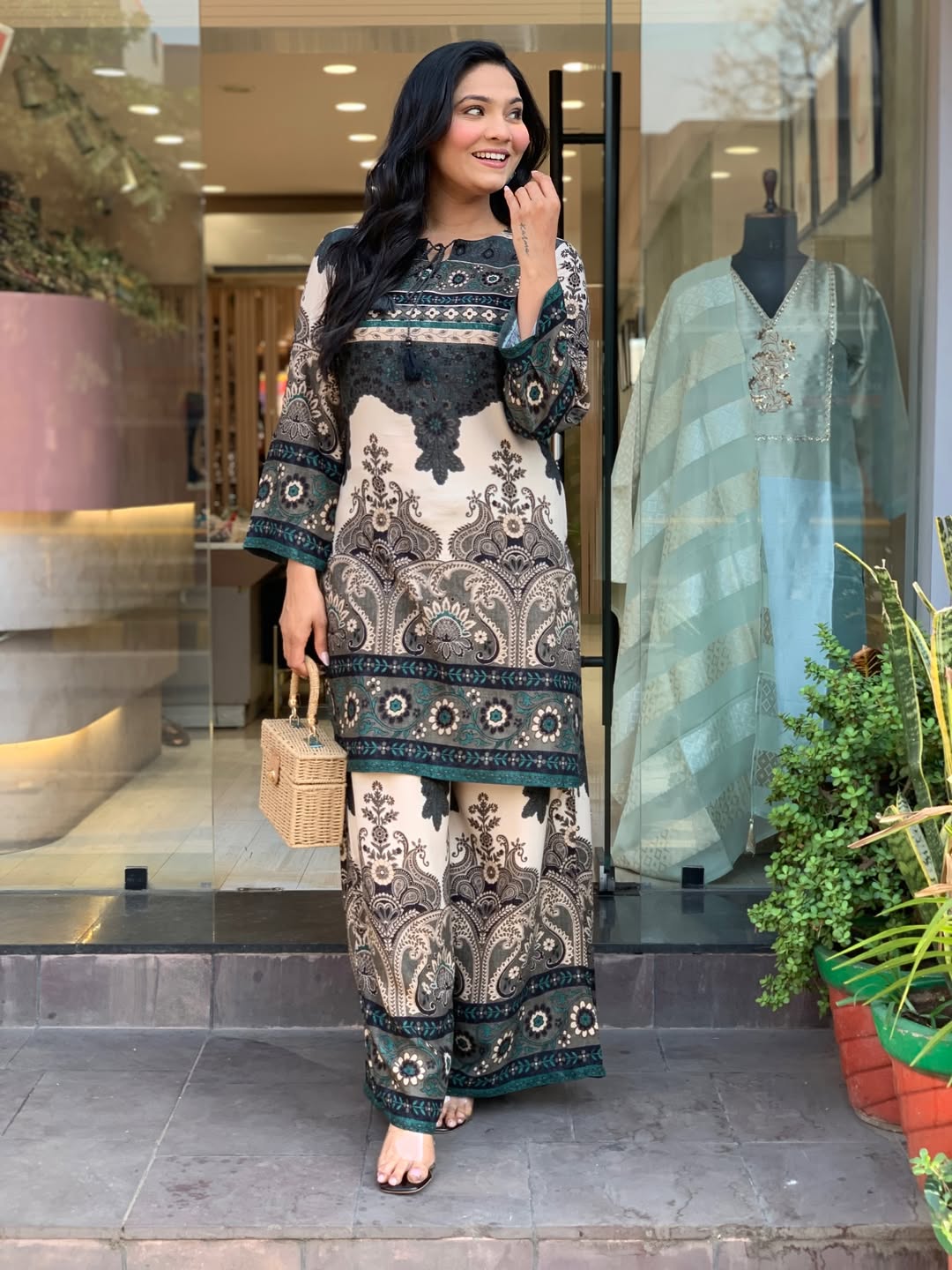
Colour can support an event mood, but it's rarely a complete cultural identifier. A teal, mauve, mustard or red outfit may be festive, formal or seasonal without belonging to one state. Match the dupatta, footwear and jewellery to the garment's level of ornamentation. If the clothing already has embroidery or sequins, choose one or two restrained accessories rather than adding every supposedly regional ornament at once.
Jewellery needs particular care. Large earrings, bangles and a bindi are widely used across India, but a bindi doesn't identify a single religion or region. A maang tikka, nose ring, turban, ghoonghat or distinctive tribal ornament may have specific social and cultural associations. Do not use such items as costume props unless the event brief and reliable research support their inclusion.
Makeup should remain occasion-appropriate. Darkening the skin, changing facial features, imitating accents or exaggerating gestures is never necessary for a regional dress event. Respectful presentation comes from accurate clothing information, not from performing an imagined personality.
Mauve Embroidered Kurta Set with Blue Dupatta Online gives a straightforward example of balanced styling. The mauve kurta, blue dupatta and embroidery can be coordinated with minimal jewellery and comfortable footwear. The outfit should not be called a specific community's time-honoured dress unless its construction and source justify that description.
Regional Dress Day Clothing That Avoids Mislabeling Other Communities: What should you avoid?
Avoid mixing unrelated regional markers, using invented labels and presenting one fashionable outfit as the complete identity of a large community.
- don't combine random symbols. Pairing a Gujarati-style drape, Punjabi embroidery, South Indian temple jewellery and a Rajasthani turban doesn't create a meaningful pan-Indian outfit; it creates an inaccurate collage.
- don't treat colour as proof. Yellow doesn't automatically mean a Haldi ceremony, white doesn't automatically identify Kerala, and red doesn't automatically identify Punjab or Bengal.
- don't call machine-made clothing handwoven. Handloom, hand-block printing, hand embroidery and machine printing describe different processes and should not be used interchangeably.
- don't use accents or gestures as decoration. Cultural identity isn't a performance accessory.
- don't borrow sacred or community-specific objects casually. Research the context of headwear, jewellery and religious symbols before including them.
Regional Dress Day Clothing That Avoids Mislabeling Other Communities becomes easier when the outfit carries a modest claim. "I am wearing a contemporary kurta set with Chanderi fabric" is stronger than "I am dressed as a woman from central India." The first statement identifies a garment and textile; the second reduces diverse lives to a costume.
Regional Dress Day Clothing That Avoids Mislabeling Other Communities: How can you explain your outfit?
Explain the garment in one or two factual sentences covering the silhouette, material, technique and verified regional connection.
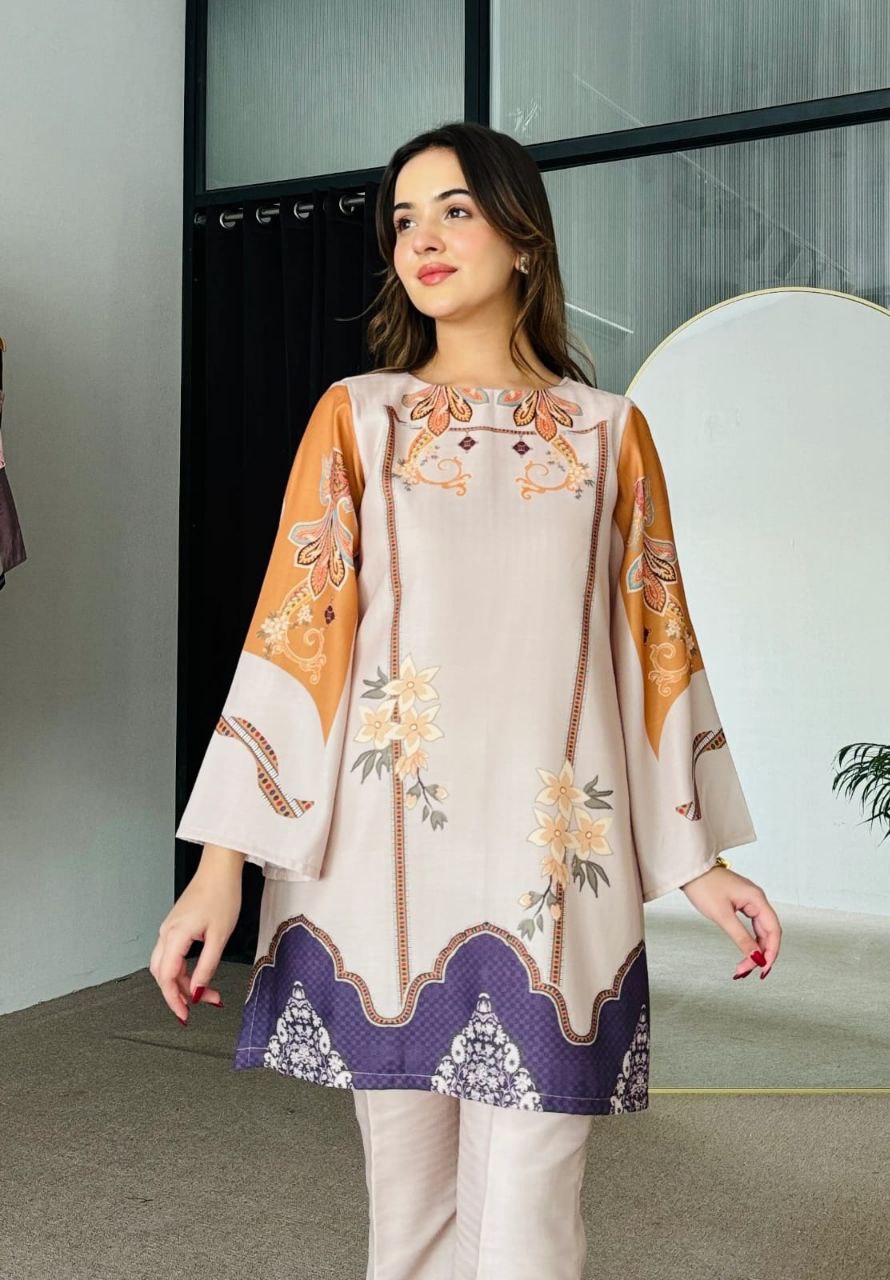
An useful script is: "This is a cotton kurta-pant-dupatta set with floral embroidery. I chose it for its breathable fabric and festive construction, rather than claiming it represents one entire region." Another option is: "This outfit uses a Chanderi reference, a lightweight textile associated with Madhya Pradesh, but the silhouette is a contemporary kurta set."
Children can use a shorter version: "My outfit is a kurta set. I am presenting the fabric and embroidery, not saying that every person in one state dresses this way." This wording encourages curiosity without requiring a young participant to become a textile historian.
Adults organising a cultural day can improve accuracy by adding labels beside displays. A card might state the fibre, weave, technique, place of association, approximate period and whether the garment is contemporary or ceremonial. A five-line explanation is often more educational than a vague "classic dress" caption.
Regional clothing is diverse, living and constantly changing. Wearing a comfortable ethnic outfit, naming its features accurately and acknowledging uncertainty when necessary creates a more inclusive celebration than an elaborate costume built from stereotypes. Thoughtful research turns a dress day into an opportunity to learn about Indian textiles and communities with care.
Questions About Regional Dress Day Clothing That Avoids Mislabeling Other Communities
Can I wear a kurta set for Regional Dress Day without representing a specific state?
Yes. A kurta set can be presented as contemporary Indian ethnic wear without claiming that it is the definitive dress of one state or community. Describe the fabric, silhouette, embroidery and occasion suitability accurately.
Does a red or mustard outfit automatically represent a particular Indian region?
No. Red and mustard are used across many Indian clothing traditions and do not establish regional identity by themselves. A specific regional label requires reliable information about the weave, embroidery, drape or documented design source.
How can I tell whether a garment is genuinely Chanderi or Banarasi silk?
Check the garment description, fibre content, weave information and seller or maker documentation rather than relying on shine or appearance alone. Chanderi is associated with Madhya Pradesh, while Banarasi silk is associated with Varanasi, but contemporary garments may use blends or merely draw inspiration from these traditions.
Is it respectful to add jewellery or a turban to make an outfit look more regional?
Only add community-specific jewellery or headwear when the event brief and reliable research support the choice. Accessories should not be used as shortcuts or stereotypes, and general earrings, bangles or simple footwear are safer for a broad cultural celebration.
Can a Western dress be worn for an Indian regional dress day?
Yes, if the event permits contemporary ethnic fusion or Indian textile themes. A Western dress should be described through its actual print, fabric and silhouette unless a documented craft connection justifies a more specific regional reference.
What should I say when I am unsure about an outfit’s regional origin?
State what you know and avoid guessing. You can say, "This is a contemporary embroidered kurta set," or identify a verified textile while explaining that the complete outfit is not traditional dress from one particular community.