Monsoon Wedding Sarees That Do Not Need a Long Trailing Pallu make it easier to move through damp venues, crowded entrances and slippery floors without losing a dressed-up silhouette. A secure saree does not have to look casual: neat pleats, a controlled pallu and a fabric with enough structure can create a polished wedding outfit while keeping the hem away from puddles.
The most useful approach is to select the fabric first, decide how much pallu movement you genuinely need, and then build the blouse, footwear and accessories around that decision. Banarasi silk, Maslin silk, linen cotton and georgette silk each behave differently in humid weather. Understanding those differences prevents last-minute pinning problems and uncomfortable layering.
Why a shorter pallu works better at a monsoon wedding
A shorter, pinned pallu reduces the chance of dragging fabric through wet ground, catching on chairs or slipping from the shoulder during movement. A pallu ending around the hip or upper thigh can still display zari, woven motifs or a decorative border when the front pleats are arranged carefully.
Rainy wedding venues often involve practical challenges that indoor studio photographs do not show. Guests may walk from a car park to a mandap, cross polished stone floors, sit on low seating and carry handbags or umbrellas. A long trailing pallu adds visual drama but also creates more fabric to protect, hold and adjust.
A compact pallu is particularly helpful for wedding guests rather than the bride, because guests usually need to move between dining areas, photographs and family rituals. The drape can remain festive when the border is brought over the shoulder, aligned vertically and secured with two concealed pins.
Which fabrics suit Monsoon Wedding Sarees That Do Not Need a Long Trailing Pallu?
Maslin silk, Banarasi silk, linen cotton and georgette silk are useful choices because each can support a controlled drape while offering a distinct level of structure, sheen and breathability.
Maslin silk for shape and a defined border
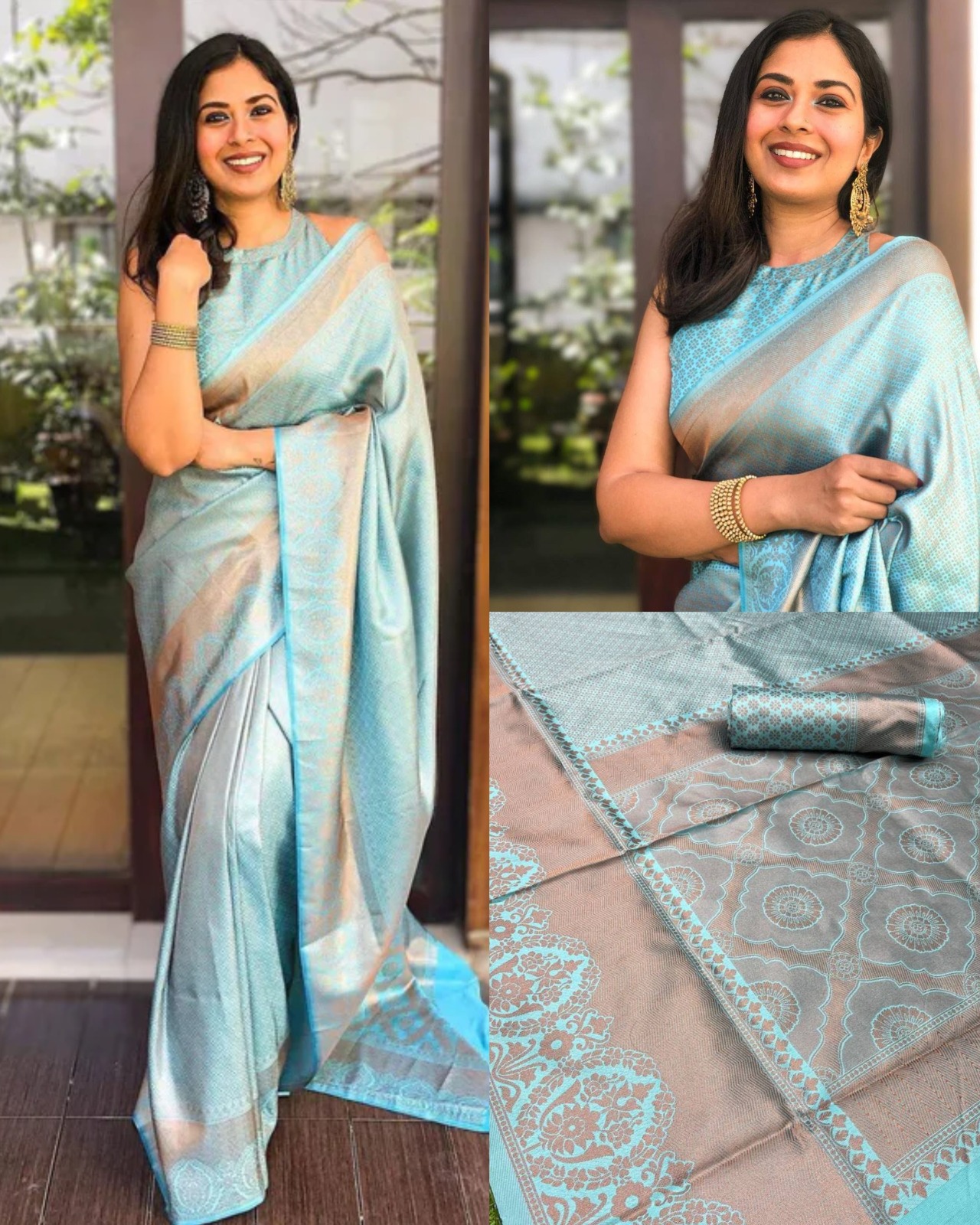
Maslin silk generally works well when you want pleats that hold their form without creating the weight of a heavily embellished bridal saree. Traditional Mustard Maslin Silk Saree With Rich Pallu gives the pallu a clear visual role, so the pallu can be folded compactly instead of spread into a long fan.
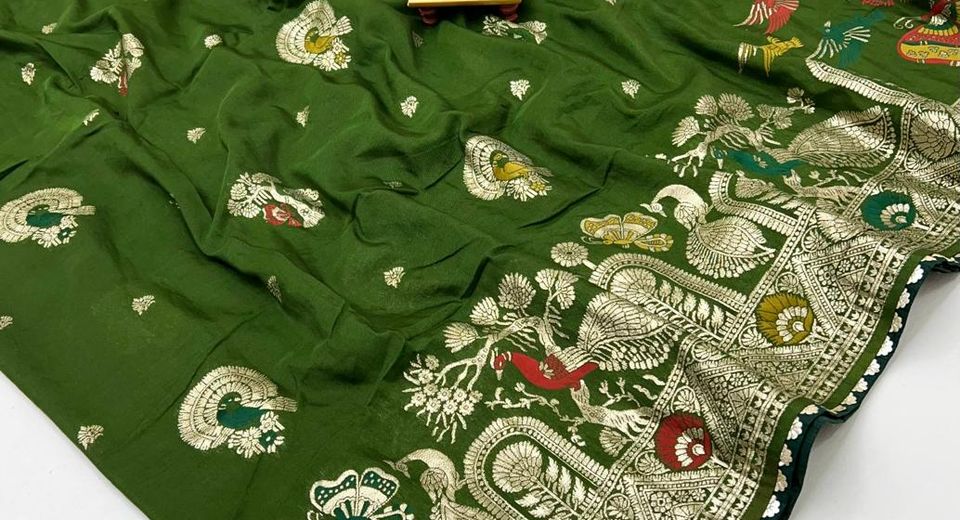
Wedding Wear Olive Green Maslin Silk Saree With Pallu is another useful example of a colour and fabric combination suited to a controlled wedding drape. Olive green brings depth to gold jewellery, while a shorter pallu keeps the saree practical for movement between indoor and outdoor spaces.
Banarasi silk for a ceremonial finish
Banarasi silk provides a formal appearance through its woven surface and zari details, making it suitable when a shorter drape still needs to look unmistakably festive. Royal Mustard Bloom Banarasi Silk Saree can be styled with a compact pleated pallu that keeps the decorative section visible across the torso.
Banarasi silk can feel warmer than linen cotton or a lightweight printed saree, so it is sensible to avoid excessive underlayers during humid weather. A breathable cotton or cotton-blend underskirt and a blouse with comfortable armholes can make a ceremonial fabric easier to wear for several hours.
Linen cotton for daytime ceremonies
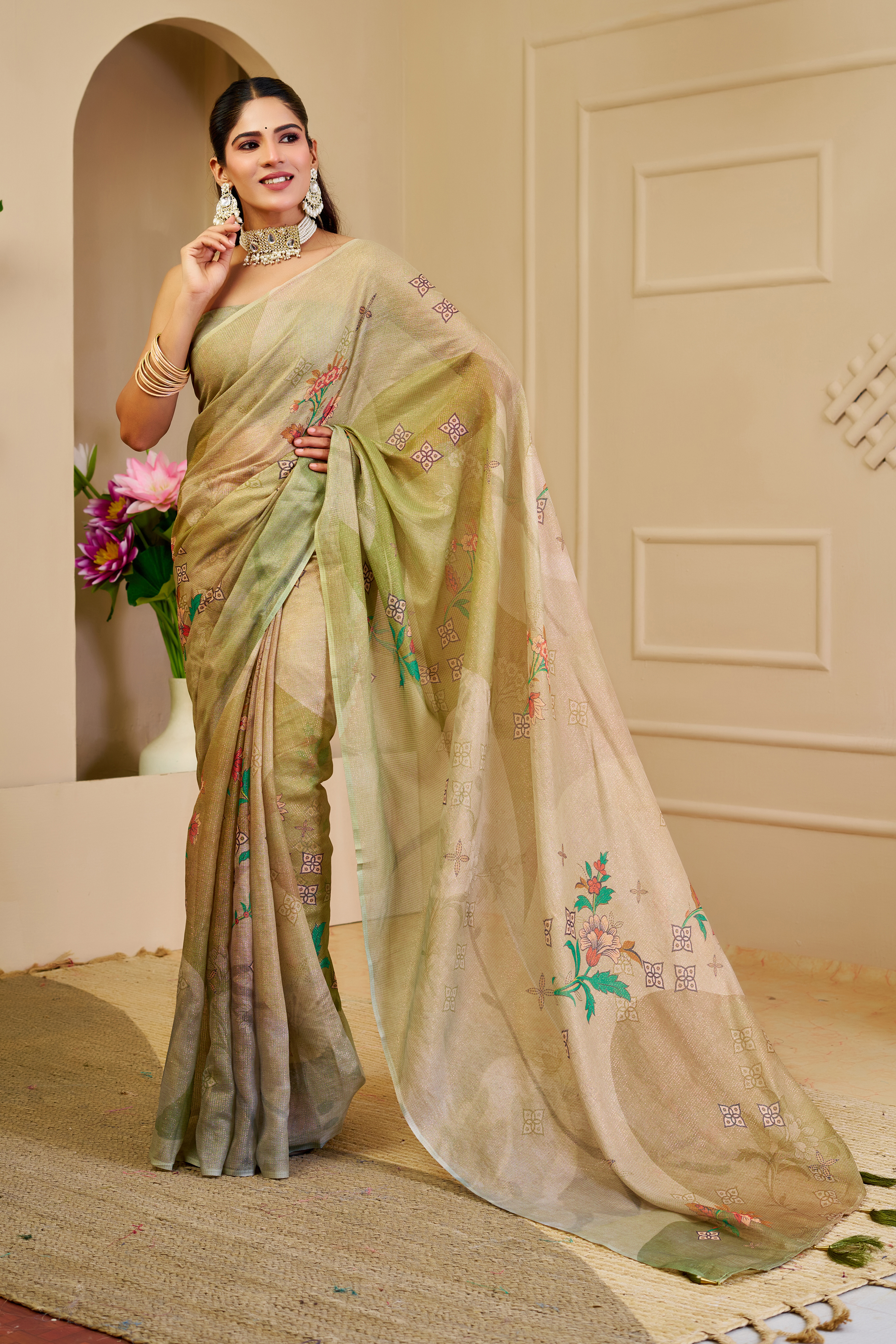
Linen cotton is a practical choice for daytime monsoon functions because the fabric usually feels lighter and less clingy than dense silk. Pastel Linen Cotton Floral Print Saree with Designer Blouse and Peach Linen Cotton Floral Print Saree with Blouse for Women demonstrate how floral pattern and a coordinated blouse can supply visual interest without relying on a long pallu.
Linen cotton may develop natural creases during sitting and travel, but controlled pleats make those creases look intentional. A medium-width border, a well-pressed front section and a secure waist tuck help the saree retain its shape after a car ride or several hours of wear.
Georgette silk for a closer, lighter drape
Georgette silk is useful when you prefer a saree that follows the body more closely and can be arranged into a compact shoulder drape. Mustard Moss Georgette Silk Saree With Foil Work offers a festive surface while avoiding the visual heaviness of a long, loose pallu.
Georgette can slip more easily than a textured cotton or a firm silk, especially in humid conditions. A well-fitted blouse, a narrow waist tuck and discreet safety pins at the shoulder and pleat bundle are important for maintaining control.
How should you drape a saree without a trailing pallu?
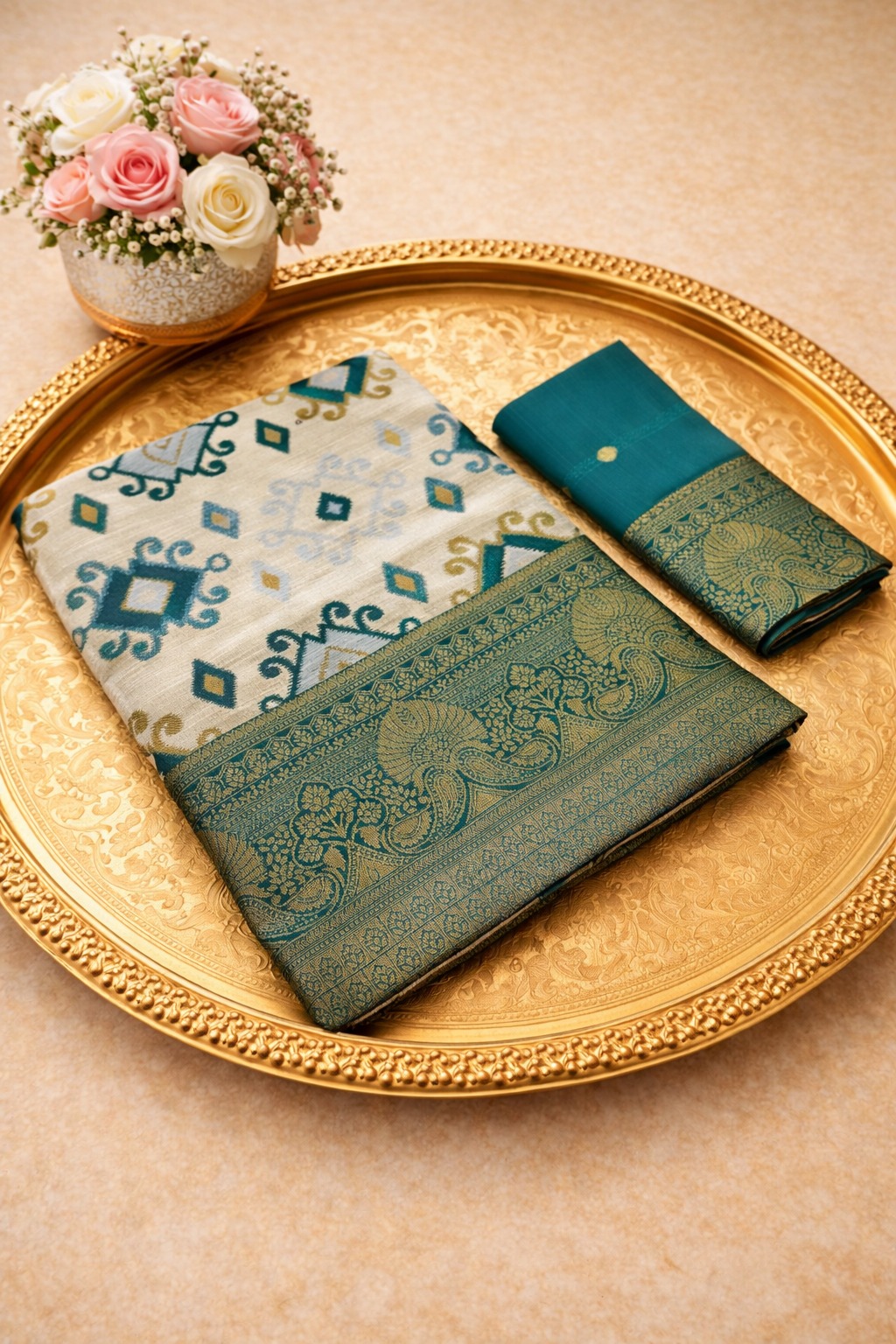
A secure short-pallu drape uses five to seven front pleats, a firm waist tuck and a folded pallu pinned at the shoulder rather than left loose behind the body.
Wear the underskirt firmly at the natural waist, keeping the drawstring secure but comfortable. A loose underskirt can cause the entire saree to shift when the fabric becomes humid.
Tuck the saree at the waist with the finished edge close to the floor, but leave a small safety margin of approximately 2 to 3 centimetres for movement. A hem that touches the floor while standing still can become wet when walking outdoors.
Create five to seven front pleats of similar width. Fewer, wider pleats can work for a stiff Banarasi silk saree, while six or seven narrower pleats usually sit neatly in linen cotton.
Bring the remaining fabric around the body and fold the pallu lengthwise once or twice. Keep the folded width broad enough to show the zari or foil border without allowing the end to hang below the upper thigh.
Place the pallu over the left shoulder and secure it with one pin near the shoulder seam and a second pin lower on the blouse or inner layer. Pin from the inside so the fastening remains invisible.
Walk, sit and raise both arms before leaving home. These three tests reveal whether the waist tuck, shoulder pin or blouse sleeve restricts movement.
The pallu can also be brought across the front and tucked lightly at the waist for a more secure interpretation. That arrangement is especially useful for a Haldi ceremony, where turmeric, water and frequent movement make loose fabric difficult to protect.
Blouse details that keep a compact pallu in place
A fitted shoulder line and a stable blouse neckline help prevent the pallu from sliding when the fabric is folded into a shorter drape.

Blouses with broad shoulder coverage create a better anchor than very narrow straps. A sleeve ending above the elbow provides support without feeling restrictive in humid weather. A modestly high back, a secure hook closure and a non-slippery lining can also reduce movement under the saree.
For a linen cotton saree, a blouse made from the same fabric or a breathable cotton blend keeps the outfit visually coherent and comfortable. A Banarasi silk saree can be paired with a matte silk blouse, but the blouse does not need to repeat every zari detail. Matching one colour from the border often looks more considered than copying the entire weave.
Blouse length matters when the pallu is pinned close to the body. A slightly longer blouse can cover the waist pin and create a clean line, while a very cropped blouse may leave the fastening exposed when the wearer raises an arm. Trial-wearing the complete outfit before the wedding identifies that problem early.
Colour and print choices for rainy wedding venues
Deeper colours and clearly defined borders usually remain visually strong in low, overcast light, while pastels work best when paired with contrast or texture.
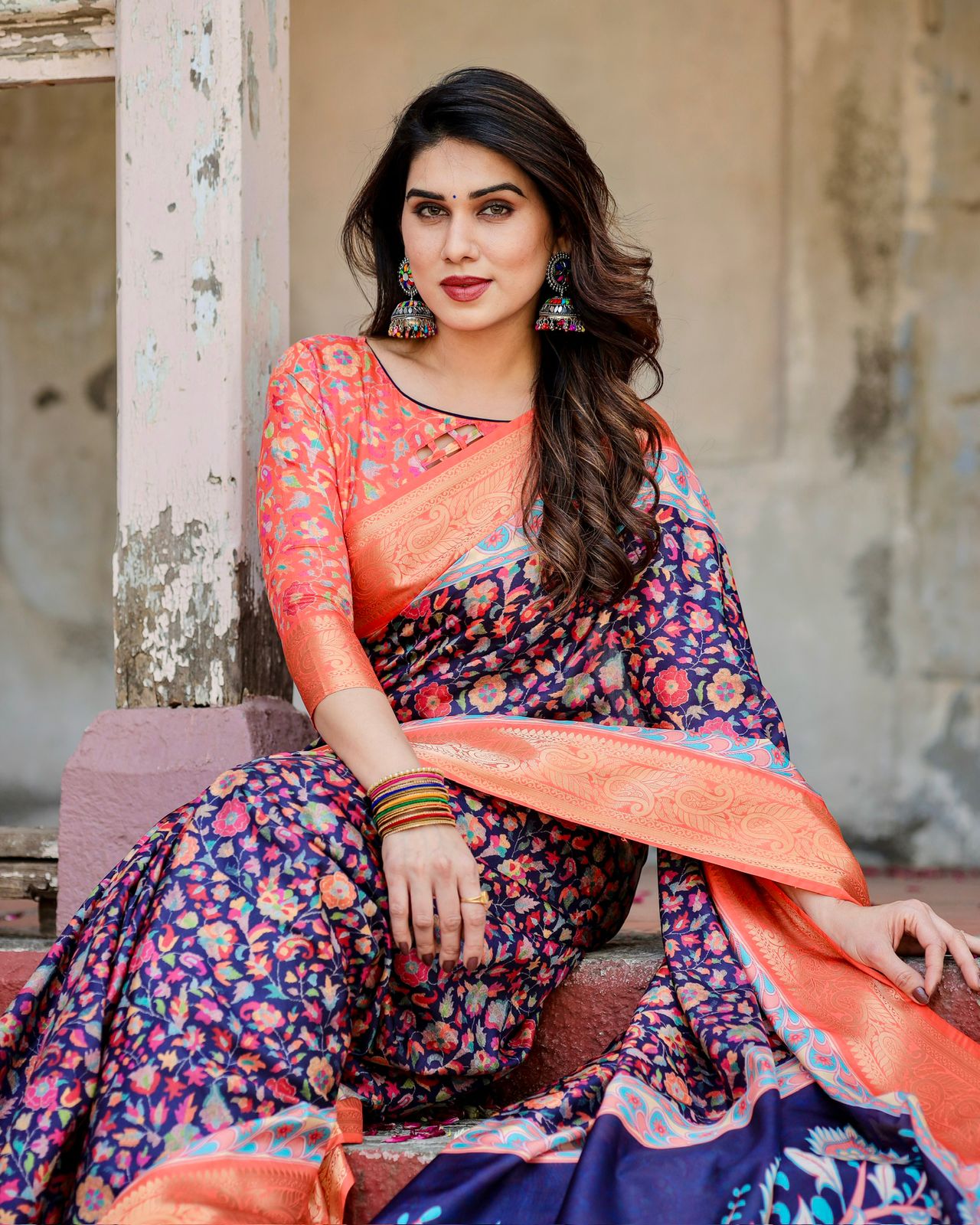
Navy Blue Floral Silk Saree with Peach Zari Border shows how a dark base can be softened with a warm border. Navy blue photographs well in cloudy daylight, and the peach zari border gives the shortened pallu a visible finishing line.
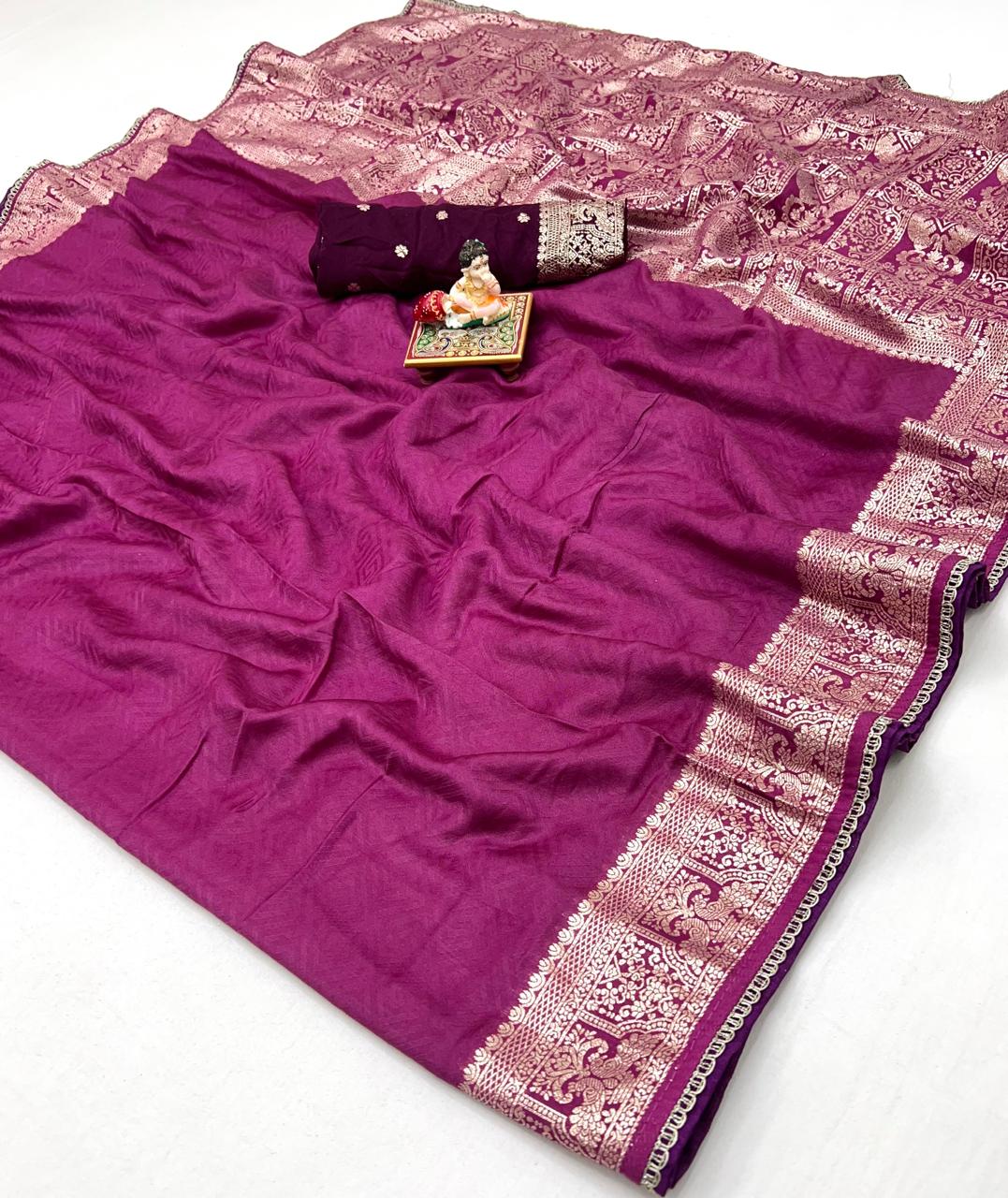
Wedding Wear Wine Purple Maslin Silk Saree creates a rich evening direction without requiring elaborate draping. Wine purple pairs comfortably with antique gold, rose gold and pearl accessories, while the darker ground is less visually affected by small water marks than a very pale solid shade.
Pastel colours remain suitable for daytime wedding events, especially when floral prints or a defined blouse prevent the outfit from appearing flat. A peach or pale pink saree can be balanced with gold earrings, a slightly deeper lip colour and a structured potli rather than an oversized flowing accessory.
Red Banarasi Silk Sarees for Weddings Under 1100 is a useful collection to browse when the wedding dress code calls for a traditional red direction, although the most important monsoon decision remains the drape and hem length. A red saree with a controlled pallu can look formal without requiring a long train-like finish.
How to accessorise a no-trailing-pallu wedding saree
Accessories should reinforce the saree's visible border and keep both hands free enough for safe movement.
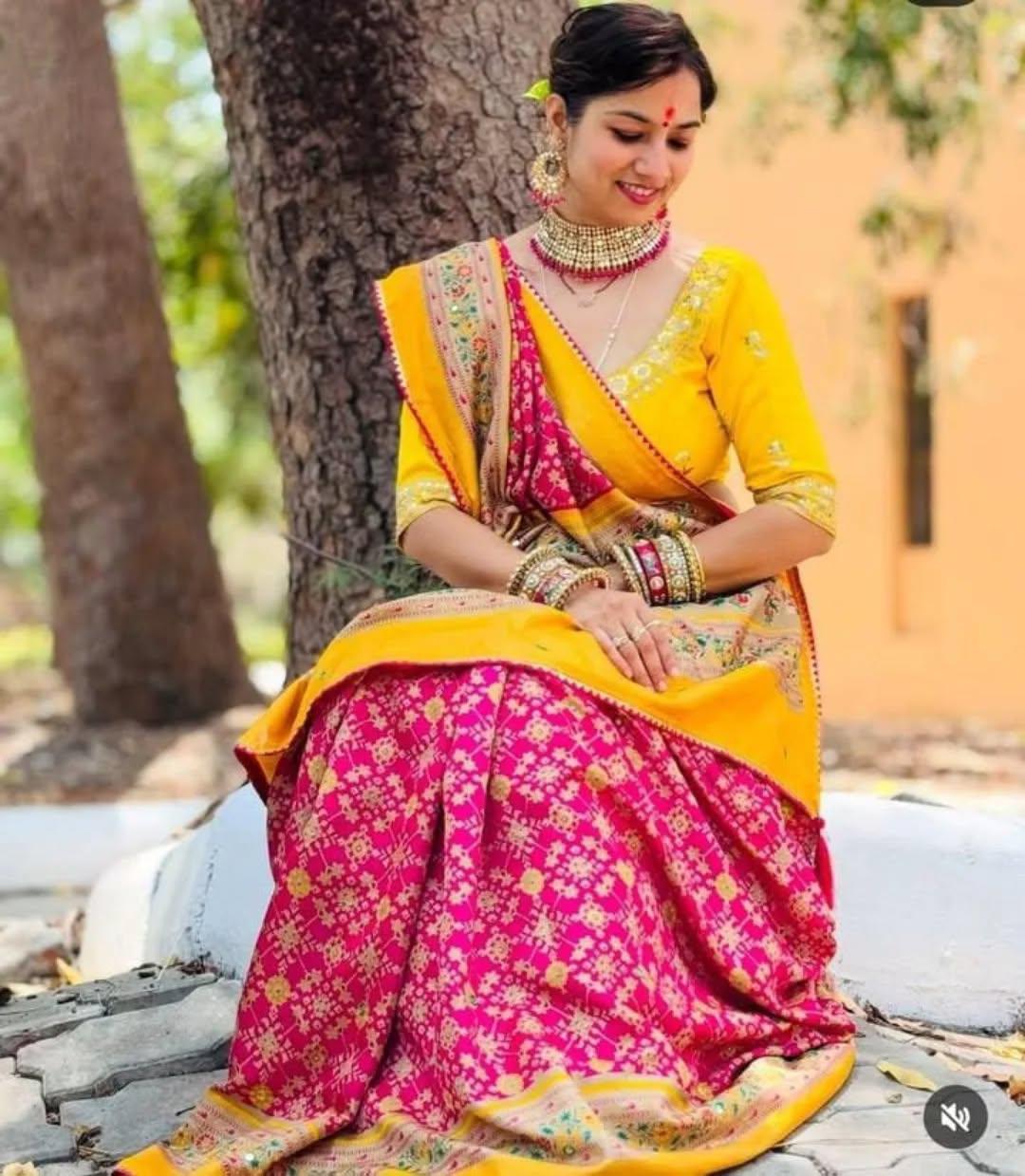
Choose earrings, a short necklace or a choker according to the blouse neckline, rather than adding several long pieces that compete with the folded pallu. A waist belt can provide extra control over a slippery georgette silk saree, but the belt should sit firmly without pressing into the waist while seated.
Low block heels, embellished flats or shoes with a textured sole are more reliable than narrow stilettos on damp stone. Footwear should be tested with the exact saree length because a change in heel height alters the front pleat and hem position.
A compact handbag is more practical than a long scarf or large stole. Keep tissues, a few small safety pins, a transparent zip pouch and a folded handkerchief inside the bag. The supplies are useful for moisture, minor pleat movement and quick touch-ups without carrying a full emergency kit.
Shopping and care checks before the wedding
Check the fabric, border construction, blouse measurements and finished length before ordering a saree for a monsoon wedding.
Collections such as Latest Wedding Sarees Collection can help compare formal colours and fabrics in one place. Wedding Sarees Collection Under 4000 is useful when the outfit budget includes tailoring, footwear and accessories rather than the saree alone. Silk Sarees Under 3000 With Discount can also provide options for a guest outfit, but verify the fabric composition and care instructions before assuming that every silk-labelled saree has identical behaviour.
Ask whether the saree has a finished blouse piece, whether the blouse is included, and whether the border is woven, printed or applied. A woven zari border generally provides a clearer edge when the pallu is folded, while a lightweight printed border may need more careful pressing to look sharp.
Order early enough to allow at least one full drape rehearsal. A two-week buffer is useful for basic blouse alterations, while a more complex stitched blouse may require longer depending on the tailor. The rehearsal should happen with the intended footwear, jewellery and underskirt.
Keep the saree folded in a clean cotton cover after receiving it. Do not seal damp fabric in plastic after travel or wear. Air the saree completely before storage, and follow the care label for dry cleaning or gentle washing because zari, foil work and silk blends can react differently to water and heat.
A practical decision guide for the final outfit
Choose Maslin silk when you want a defined pallu and traditional structure, linen cotton for a breathable daytime look, Banarasi silk for visible ceremonial richness, and georgette silk for a closer drape with careful pinning.
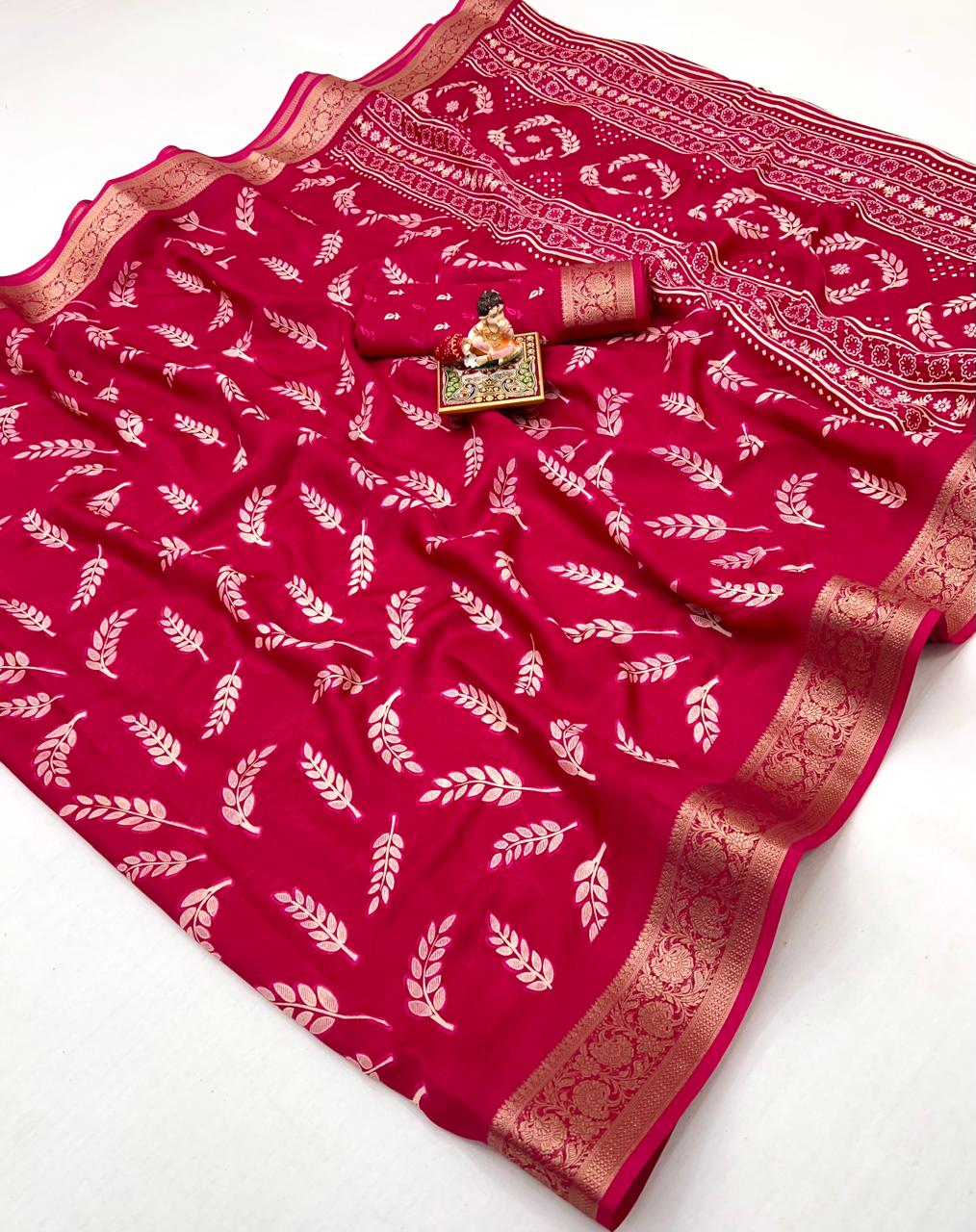
Choose a dark or jewel-toned base when the function includes outdoor walking in uncertain weather. Choose a pastel floral saree when the ceremony is primarily indoors and the blouse or border supplies enough contrast. Keep the pallu folded, pin the shoulder from the inside and leave a small hem clearance from the floor.
The strongest Monsoon Wedding Sarees That Do Not Need a Long Trailing Pallu are not defined by one universal fabric or one regional drape. The successful outfit combines a manageable length, a stable blouse, secure pleats, suitable footwear and a fabric that matches the time of day and level of movement. That combination keeps the saree elegant in photographs and practical from the first entrance to the final family portrait.
Questions About Short-Pallu Sarees for Monsoon Weddings
Which saree fabric is best for a monsoon wedding without a long pallu?
Maslin silk, linen cotton, Banarasi silk and georgette silk can all work, depending on the desired finish. Linen cotton suits daytime comfort, Maslin silk offers structured pleats, Banarasi silk provides ceremonial richness, and georgette silk gives a close drape that needs secure pins.
How short should a pallu be for a rainy wedding?
A pallu ending around the hip or upper thigh is usually practical for a monsoon wedding. The shortened pallu should still show the zari or decorative border, and two concealed pins can stop the folded fabric from slipping.
How do I stop a georgette saree from slipping in humid weather?
Use a well-fitted blouse, a firm waist tuck and two discreet pins at the shoulder and pleat bundle. A textured underskirt or a slim saree belt can provide additional grip without creating visible bulk.
Can Banarasi silk be worn with a short pallu?
Yes, Banarasi silk can be folded and pinned into a compact pallu while retaining its formal appearance. Keep the blouse and underskirt breathable, because Banarasi silk can feel warm during humid wedding ceremonies.
What footwear works with a monsoon wedding saree?
Low block heels, embellished flats and shoes with textured soles are safer choices for damp or polished floors. Test the footwear with the complete saree because heel height changes the hem clearance and front pleat length.
How can I keep a saree dry during a rainy wedding commute?
Travel with the saree in a breathable garment cover and protect the lower hem with a clean, removable layer during outdoor walking. Air the saree fully after reaching the venue or returning home, and never store damp silk, zari or foil work in sealed plastic.