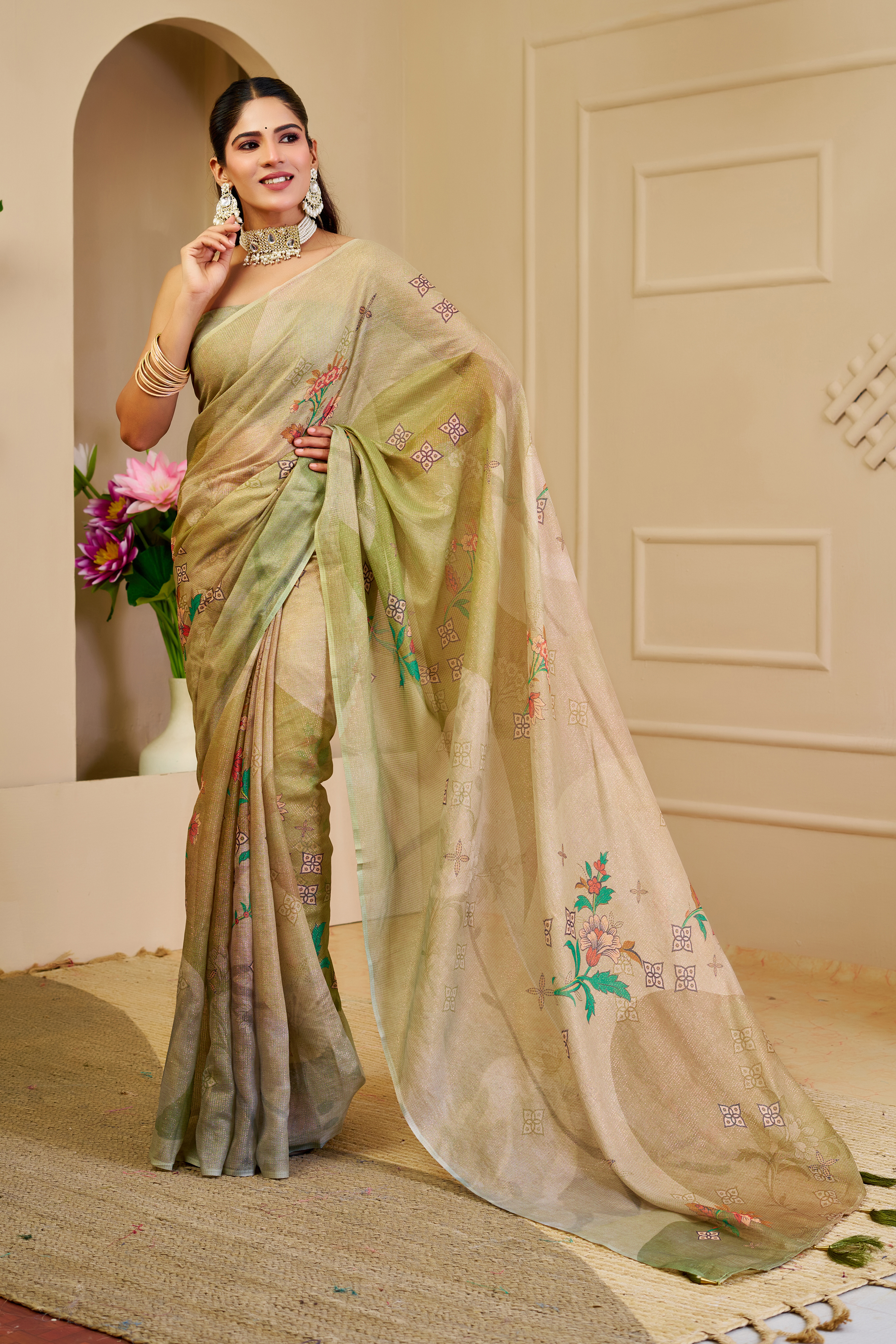
How to Layer a Silk Saree for Cold Mountain Evenings requires more than adding a shawl at the last minute. Mountain temperatures can fall quickly after sunset, and wind can make a 12°C evening feel considerably colder. A successful outfit keeps your torso warm, protects your feet, leaves both hands usable and preserves the silk saree's pleats, pallu and border. The most reliable method combines a close-fitting thermal base, a full-sleeved blouse, a smooth petticoat, a structured outer layer and shoes with grip.
Silk sarees work well for evening wear because Banarasi silk, Lichi silk, Kanjeevaram and soft silk blends hold colour and shape under artificial light. Silk alone, however, isn't a winter insulation system. Cold air enters through the waist, neckline, sleeves, ankles and open pallu, so each exposed area needs a deliberate styling solution.
How to Layer a Silk Saree for Cold Mountain Evenings
The warmest saree combination is a moisture-wicking base layer, a long-sleeved blouse, an adequately sized petticoat and an outer layer that can be removed indoors. This combination creates warmth without placing a bulky sweater directly over the saree.
Begin with a lightweight camisole or thermal vest in a low neckline. Merino wool, modal, bamboo jersey and fine synthetic thermal fabrics are more useful than thick cotton because they dry faster if the body warms up indoors. Choose a skin-toned, black or blouse-matched colour to prevent the base layer from showing through a lightly woven Chanderi or translucent silk saree.
Add thermal leggings beneath the petticoat when the forecast is below approximately 10°C or when the venue is exposed to wind. Fleece-lined leggings are warmer, but they can make the saree bunch around the knees. A thin brushed jersey legging usually provides a cleaner fall. Test the complete combination by walking, sitting and climbing stairs before the event.
The petticoat should fit securely at the waist without compressing the thermal layer. A satin or cotton-satin petticoat allows silk pleats to slide into place, while a drawstring that sits flat prevents a visible ridge beneath the saree. A flared petticoat gives better movement than a narrow one for uneven mountain paths.
Which base layers work under a silk saree?
Thin, smooth and breathable base layers work best under a silk saree. Avoid chunky ribbed thermals, textured fleece and loose elastic edges because those details can imprint on the fabric or pull the saree out of alignment.
- For 15-20°C: Use a camisole, full-sleeved blouse and a medium-weight shawl.
- For 10-15°C: Add a lightweight thermal vest and thermal leggings under the petticoat.
- Below 10°C: Choose a fitted thermal set, a lined blouse or blouse jacket, a wool or cashmere wrap and closed footwear.
- For windy locations: Add a compact wind-resistant layer over the blouse before draping the pallu or carry it for the journey between venues.
Choosing the Blouse for Warmth and a Clean Saree Fall
A high-back, full-sleeved blouse in velvet, brocade, silk satin or lined raw silk brings the greatest warmth while keeping the upper body visually connected to the saree. A blouse with a covered back is especially valuable because the back often remains exposed when a saree is worn with a deep or open neckline.
Full sleeves don't have to look heavy. Narrow sleeves ending at the wrist create a refined line under a shawl, while elbow-length sleeves paired with long gloves can work for a formal reception. A mandarin collar, boat neck or modest square neck blocks more cold air than a deep sweetheart neckline. If the blouse has zari, keep the metallic work concentrated on the cuffs, neckline or yoke so the fabric remains comfortable beneath an outer wrap.
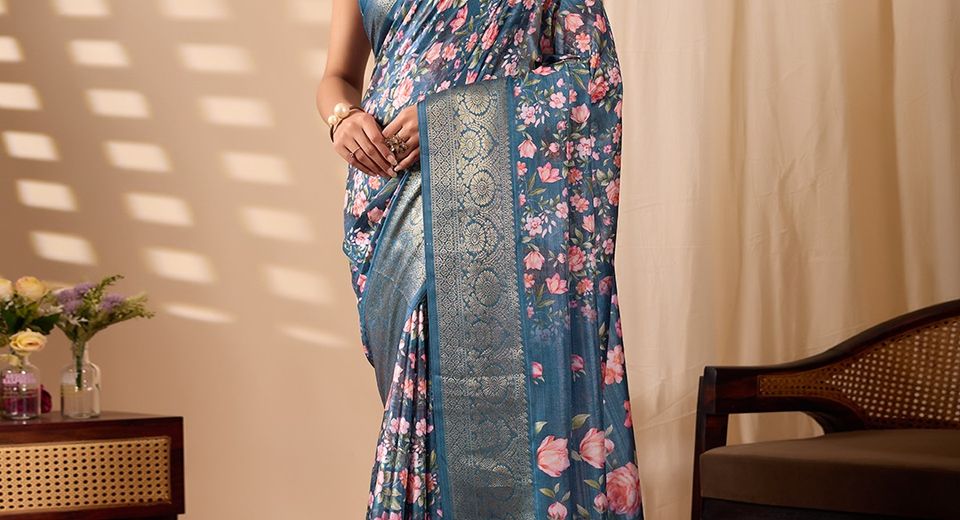
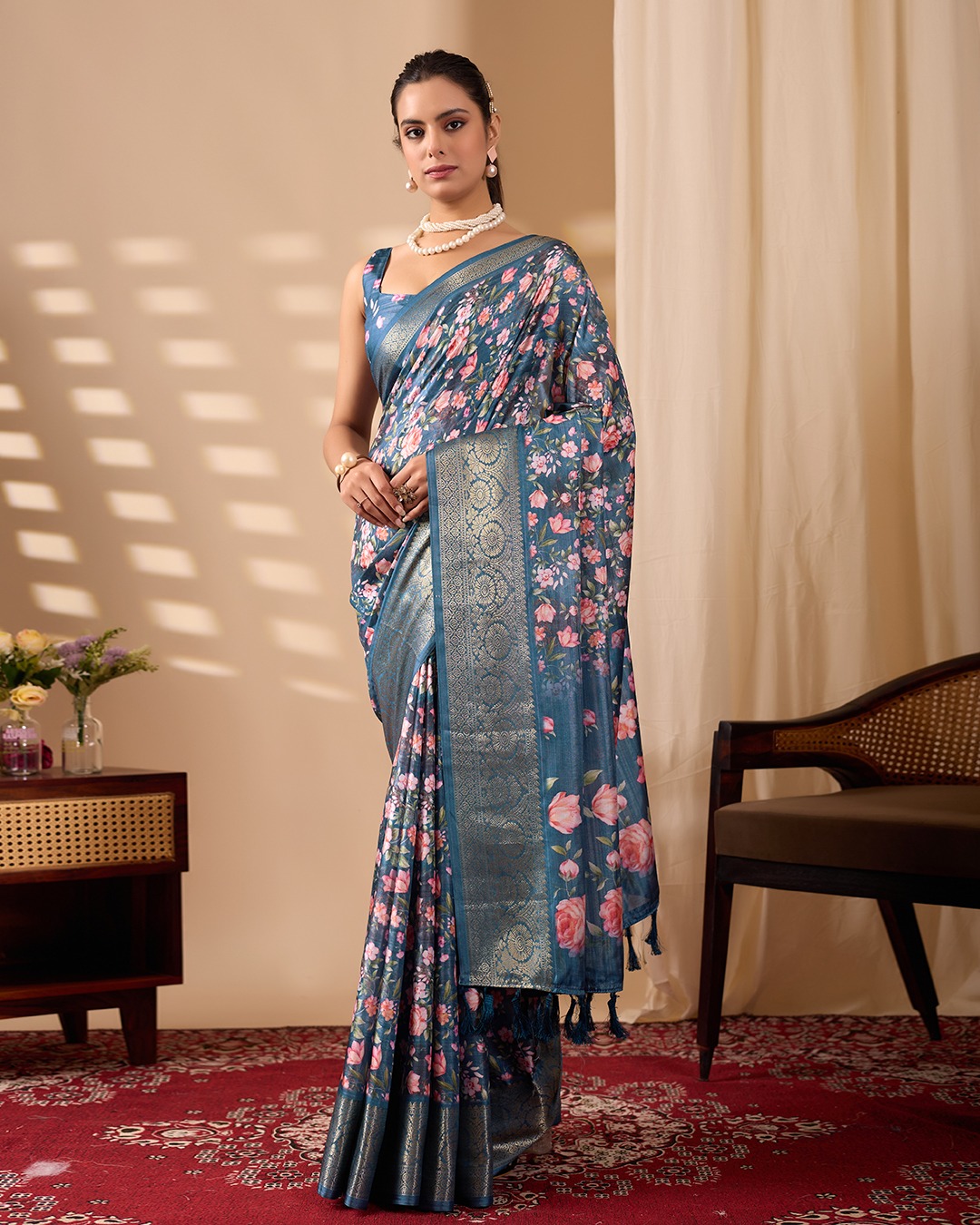
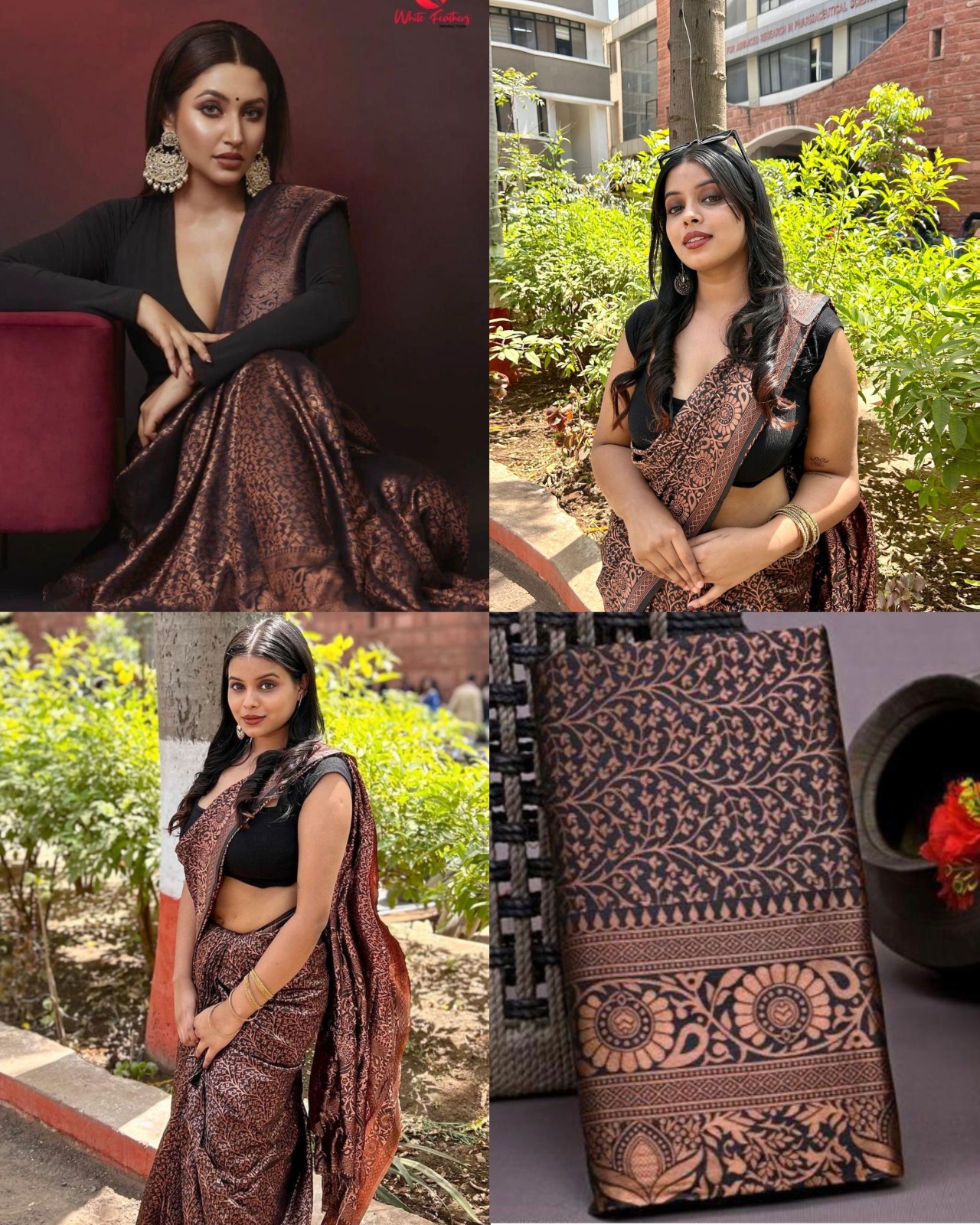
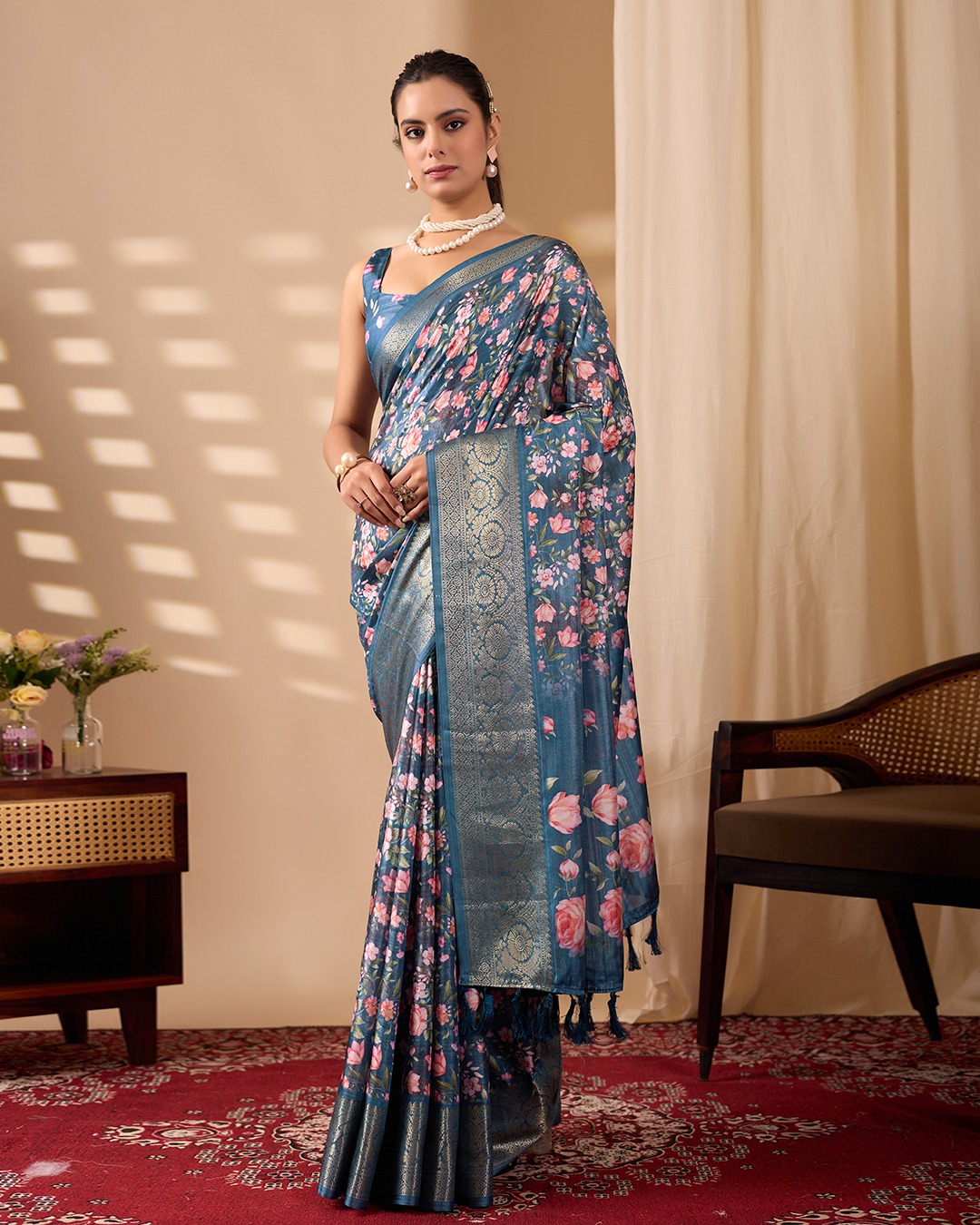
For an outfit such as the Teal Floral Lichi Silk Saree with Zari Border, a fitted teal, ivory or antique-gold blouse creates a continuous colour line. A velvet blouse adds insulation and echoes the depth of Lichi silk without requiring a heavy jacket. The Black Copper Lichi Silk Saree with Rich Jacquard Work can take a black velvet blouse, a copper brocade blouse or a high-neck blouse in deep wine.
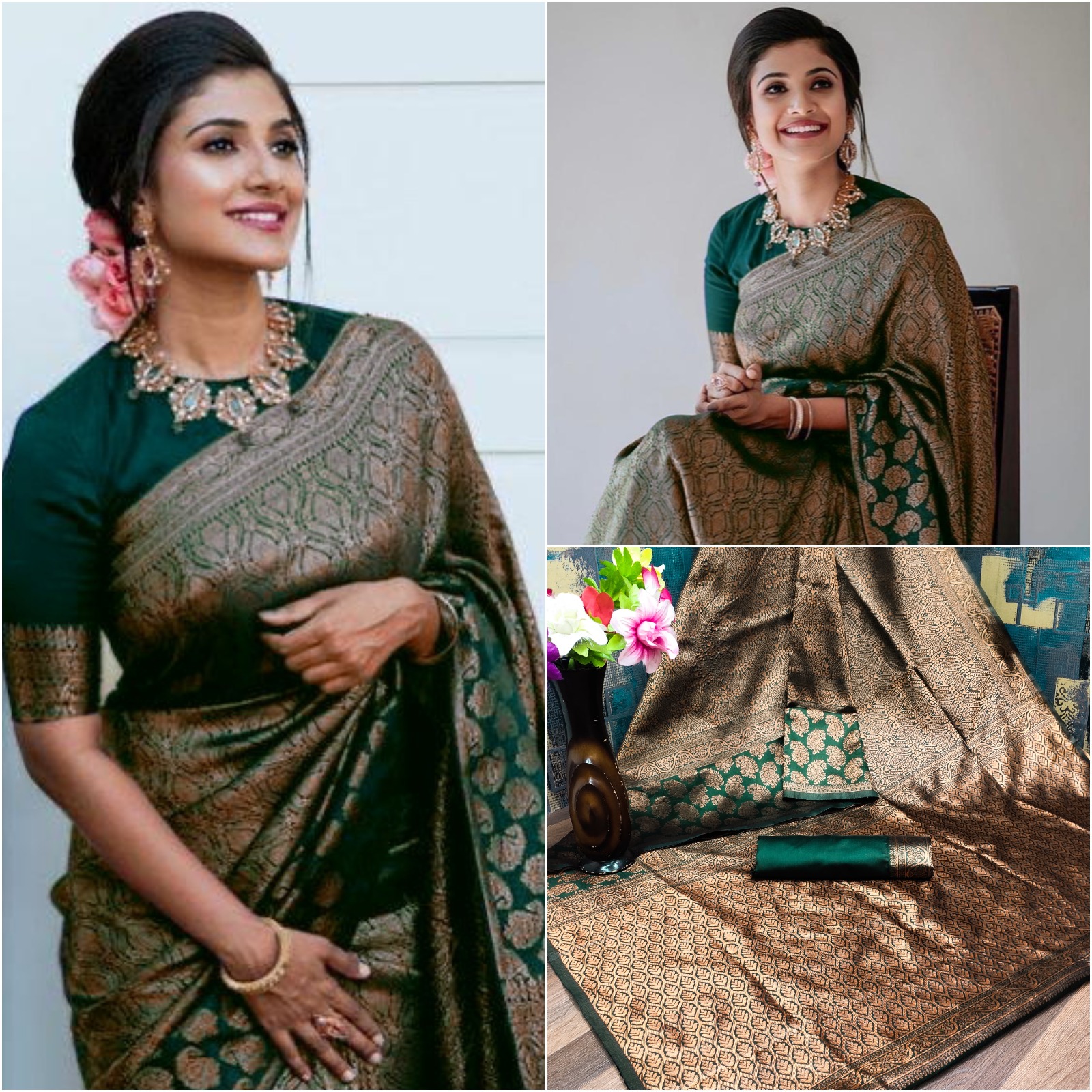
Richly decorated sarees need a simpler blouse when the shawl or cape also has texture. The Dark Green Lichi Silk Saree with Rich Golden Jacquard, for example, can be paired with a plain dark green full-sleeved blouse and a solid wool wrap. Limiting competing surfaces keeps jacquard, zari and metallic accessories from appearing crowded.
Should a thermal layer be worn under the blouse?
A thermal layer can be worn under a blouse when the thermal fabric is thin, smooth and close-fitting. Select a wide or scoop neckline that stays below the blouse neckline, and check that the sleeves don't form a ridge at the wrist.
For a blouse with a low back, a thermal camisole with a matching neckline is more practical than a standard vest. Fashion tape can keep a visible inner edge in place, but adhesive should never touch the silk saree itself. A tailor can also add a lightweight cotton or silk lining to a blouse, which improves comfort without making the garment visibly larger.
Arranging the Drape for Wind, Walking and Sitting
A wind-resistant drape uses firm pleats, a secured shoulder and a pallu with enough length to cover the upper body without dragging. Pleat the saree on a stable surface, place the waistband above the widest part of the thermal layer and fasten the pleats with two concealed safety pins before adding the pallu.
Use one pin at the waist and one small pin near the upper pleats if the fabric is slippery. Insert pins horizontally through the waistband or blouse seam rather than through prominent zari motifs. Pins should close fully, and the point should be protected from direct contact with delicate silk. A discreet brooch at the shoulder can secure the pallu while adding a formal finish.
Keep the pallu slightly shorter than a summer drape when walking outside. A pallu that ends around the mid-calf is less likely to catch on wet stone, chair legs or vehicle doors. For a formal seated dinner, arrange the pleats so they open slightly over the knees rather than creating a tight bundle that restricts movement.
The Royal Teal Floral Elegance Saree can be worn in a regular front-pleated style with the pallu brought over the left shoulder and wrapped once across the upper torso. That extra diagonal pass creates modest coverage while leaving the border visible. With a very slippery silk, a pleat clip hidden under the waistband can provide additional security during photographs and dancing.
How can a saree pallu stay in place in the wind?
A saree pallu stays in place when it's pinned at the shoulder, anchored at the waist and given a controlled length. Use a small brooch or safety pin through the pallu and blouse shoulder seam, then secure the lower edge to the waist with a concealed pin.
A shawl should sit over the pallu rather than replace its anchor points. If the shawl is wrapped tightly around the shoulders, the pallu can slide underneath it and loosen the pleats. A light belt over the saree at the natural waist is another option for a contemporary evening look, provided the belt doesn't crush zari or raised jacquard work.
Using Shawls, Capes and Jackets Without Hiding the Silk
A medium-weight wool, cashmere, pashmina or wool-silk shawl is the most adaptable outer layer for a silk saree. A shawl measuring roughly 70 by 200 centimetres offers enough coverage for the shoulders and upper arms while remaining easy to remove indoors. A cape or short jacket gives more secure coverage in wind, but the hem should stop above the saree border or fall well below it instead of cutting across the border awkwardly.
Pair a jewel-toned saree with a neutral outer layer when the border or jacquard is elaborate. Charcoal, camel, ivory, deep brown and black are useful colours because they coordinate with zari without competing with it. A dark wrap also works with the Charcoal Floral Soft Silk Blend Saree with Golden Zari, especially when the blouse repeats one small colour from the floral pattern.
For a formal dinner, drape the shawl over both shoulders and allow the pallu to remain visible at the front. For an outdoor arrival, wrap the shawl around the back of the neck, cross the ends over the chest and secure one end with a brooch. This second arrangement reduces gaps through which cold air can enter.
A tailored cape can be worn over a saree for a cocktail-style mountain reception. Select a cape with a smooth lining so the outer garment doesn't stretch the silk. Avoid very long fringe near candles, heaters, escalators or uneven paths. Fringed pashmina is elegant, but the fringe should be tucked inside while walking outdoors.
Footwear and Accessories That Matter in Mountain Weather
Closed shoes with a stable sole are safer than delicate sandals on cold mountain evenings. Low block heels, embellished juttis, ankle boots and closed-toe wedges provide better protection from cold ground and uneven surfaces than narrow stilettos.
Choose footwear before finalising the saree length. The hem should clear the ground by approximately 1 to 2 centimetres when you stand naturally in the shoes. A saree that's shortened for flat footwear may appear too short with heels, while a long hem can collect moisture and mud outside.
Thin wool socks can be worn with closed juttis or ankle boots if the shoe has enough room. Tight footwear reduces circulation and makes feet feel colder. Gel insoles add comfort for long receptions, and a pair of foldable flats can prevent fatigue during travel between the ceremony, dinner and accommodation.
Jewellery can contribute visual warmth without adding physical bulk. Antique gold, oxidised silver, copper-toned zari, enamel earrings and a slim cuff suit evening silk. Avoid long necklaces that catch on the shawl or pallu, and select earrings with secure backs when wind is strong.
Colour, Fabric and Collection Choices for a Cold-Weather Wardrobe
Deep teal, black, charcoal, wine, bottle green and copper photograph strongly after sunset and make practical outer layers easier to coordinate. Metallic zari reflects low winter light, while jacquard texture gives a saree dimension when a shawl partially covers the surface.

Silk blends can be useful for travel because they may crease less severely than very soft pure silk. The Charcoal Floral Soft Silk Blend Saree with Golden Zari is an example of a darker, patterned direction that works with a wool wrap and practical footwear. A pure silk saree remains a strong choice for a formal indoor reception, but the journey to the venue should be protected with a breathable garment bag.
When building a seasonal wardrobe, the Silk Sarees Under 3000 With Discount collection can be useful for comparing accessible silk options by colour and weave. Party Wear Sarees gives further evening references, while Gray Color Sarees Under 1000 can help locate neutral tones for a less expensive secondary saree or travel look. Pink Georgette Sarees and Red Banarasi Silk Sarees for Weddings Under 1100 are lighter alternatives for indoor events, although georgette and Banarasi silk still need a thermal base layer in genuinely cold weather.
Price should not be the only selection measure. Check the saree length, border weight, weave density, blouse piece dimensions and care requirements. A heavy border may look beautiful but can pull the pallu down in strong wind. A blouse piece that's too short may prevent a full-sleeved, high-back blouse, which is one of the most useful warmth upgrades.
Preparing, Packing and Caring for Silk in Cold Conditions
Silk should be packed rolled around a soft cotton sheet or folded with acid-free tissue rather than compressed under shoes and toiletries. Place the saree in a breathable cotton cover, then use a water-resistant outer bag for transport. Plastic directly against silk can trap moisture and encourage odour or mildew.
Steam the saree from the reverse side before wearing it, keeping the steamer several centimetres away from the fabric. Do not press a hot iron directly over zari, metallic thread or raised jacquard. Test steam on an inside edge first, particularly with dark dyes that may water-mark.
Cold air doesn't eliminate the need for body oils, perfume and food-stain precautions. Apply perfume to the skin and allow it to dry before dressing. Keep a clean cotton handkerchief between the saree and a rough brooch backing. If the saree becomes damp from snow, mist or rain, hang it indoors away from direct heat and allow it to dry completely before storage.
Never place silk directly against a radiator, room heater or hair dryer. Sudden high heat can distort the weave, dry natural fibres and set certain stains. Blot moisture with a clean towel, avoid rubbing, and use professional dry cleaning for oil, wine, makeup or food marks.
A Practical Dressing Order for the Event Day
The safest dressing order is thermal base layer, blouse, leggings, petticoat, saree, footwear, jewellery and final outer layer. Dressing in this sequence prevents the saree from being disturbed while shoes, bangles or a heavy shawl are added.
- Three hours before leaving: Check the weather, wind and travel route rather than relying only on the daytime temperature.
- Two hours before leaving: Put on the thermal base, blouse, leggings and petticoat, then walk for five minutes to check comfort and waistband stability.
- Ninety minutes before leaving: Drape the saree, secure the pleats and pallu, and sit in the outfit for at least ten minutes.
- Forty-five minutes before leaving: Put on footwear and confirm that the hem clears the floor and that the shoes allow normal walking.
- Before departure: Add jewellery, brooches, shawl or cape and carry a small repair kit with safety pins, fashion tape, a needle, thread and stain-blotting cloth.
A compact repair kit is particularly valuable at a mountain venue because tailoring services may not be nearby. Keep two extra pins, a spare blouse hook, neutral thread and a small packet of tissues in a zip pouch. These simple items can solve a loosened pleat, broken hook or minor spill without requiring a complete change of clothes.
The best cold-weather saree outfit lets you move naturally. Sit down, raise your arms, walk on a slope and hold a warm drink before leaving home. If the pallu slips, the blouse strains or the hem catches underfoot during that test, adjust the layers before the evening begins.
Common Questions About Wearing Silk Sarees on Cold Mountain Evenings
Can I wear a silk saree in cold weather without a jacket?
You can wear a silk saree without a jacket when the temperature is mild and the saree is paired with a thermal vest, full-sleeved blouse and warm shawl. Below about 10°C, a lined blouse, cape or jacket gives more dependable protection than silk and a thin wrap alone.
What should I wear under a saree in winter?
Wear a smooth thermal vest or camisole under the blouse and thin thermal leggings under the petticoat. Avoid bulky fleece and textured layers because they can create ridges, restrict movement and disturb the saree's fall.
How do I stop my saree pallu from blowing in the wind?
Pin the pallu to the blouse shoulder seam, anchor its lower edge near the waist and keep the pallu at a controlled length. A brooch can provide a secure decorative anchor, while a shawl adds warmth without replacing the pins.
Which shawl is best with a silk saree for an evening wedding?
A medium-weight wool, cashmere, pashmina or wool-silk shawl works well with a silk saree for an evening wedding. Choose a smooth-lined wrap in charcoal, camel, ivory, black or a deep jewel tone so the shawl does not snag the saree or compete with zari.
Are closed shoes necessary with a saree at a mountain venue?
Closed shoes are strongly recommended because they protect against cold ground, moisture and uneven paths. Low block heels, embellished juttis and ankle boots offer better stability than thin sandals or narrow stilettos.
How should I pack a silk saree for a cold-weather trip?
Roll the saree around a soft cotton sheet or fold it with acid-free tissue, then place it in a breathable cotton cover inside a water-resistant travel bag. Keep silk away from direct heat, plastic contact and heavy items that can crush zari or jacquard work.