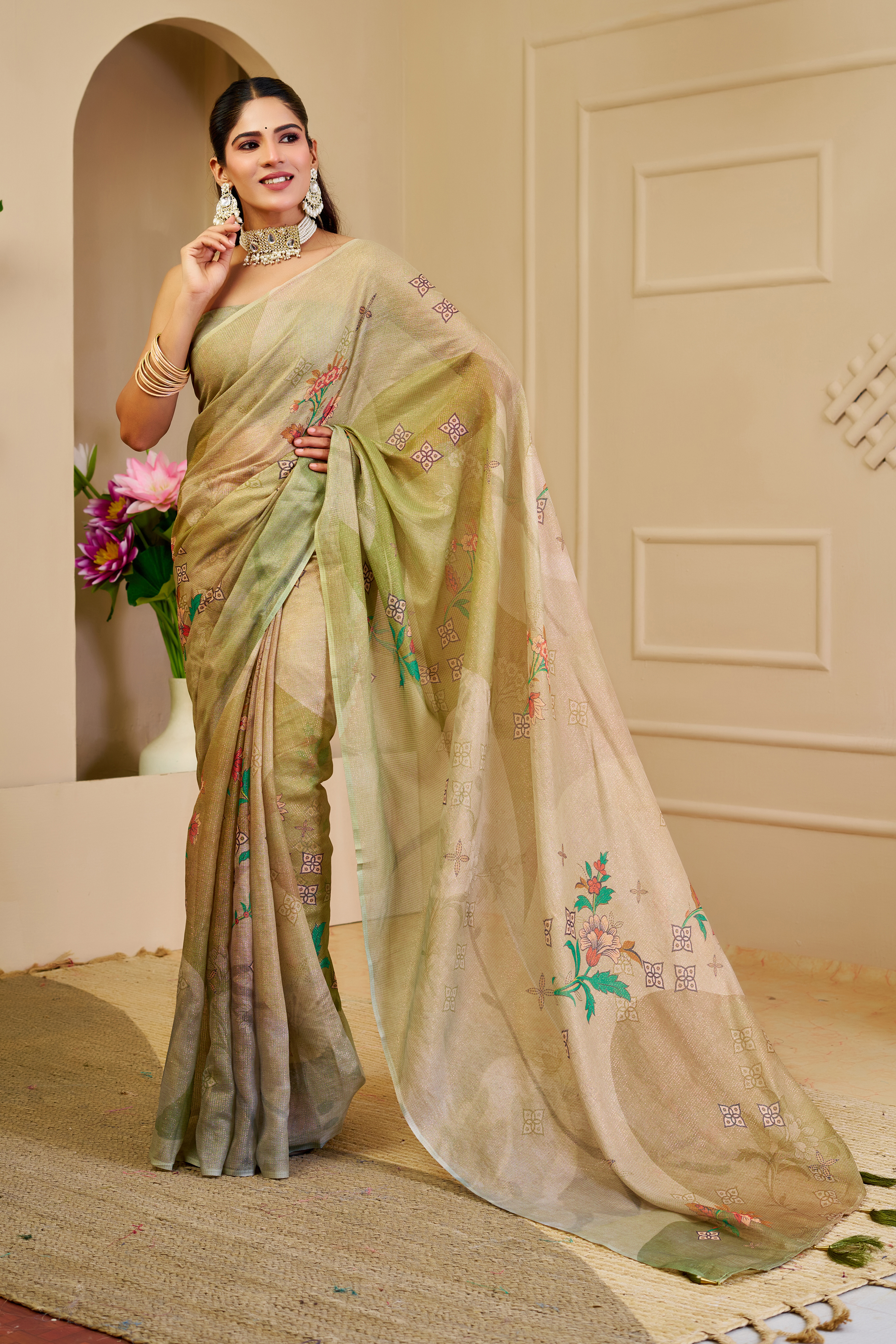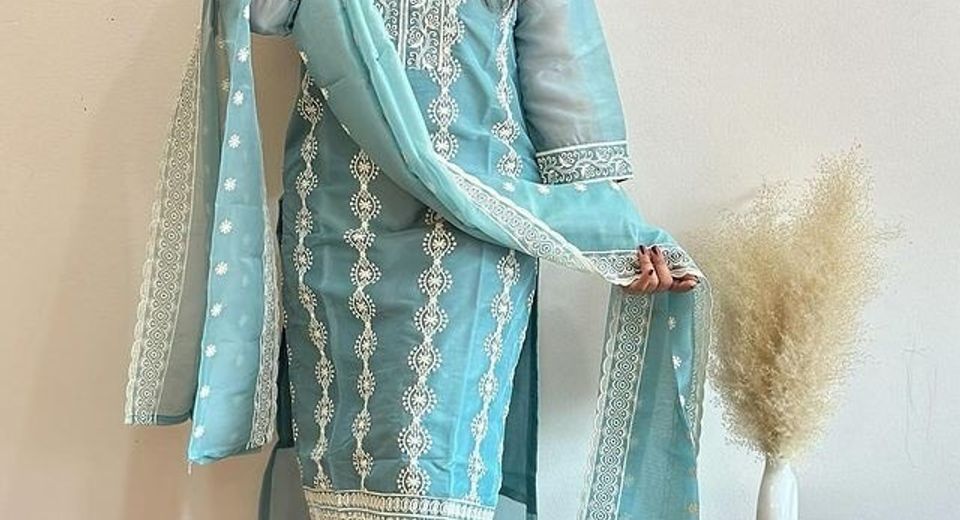
How to Choose a Festive Outfit for a Growing Child starts with one practical fact: children can change size several times between two celebrations. The right outfit must therefore balance festive detail with movement, breathability, safe construction and enough growing room to remain useful. A beautiful kurta set that restricts a child's arms, scratches the skin or becomes tight after one month isn't a successful purchase.
Festive dressing also has to suit the event itself. A child attending a Haldi ceremony may need washable, lightweight clothing, while a child sitting through a wedding ceremony may need a softer lining and fewer embellishments. Age, weather, activity level and the child's willingness to wear traditional clothing all matter as much as colour and embroidery.
How to Choose a Festive Outfit for a Growing Child
Choose a festive outfit by checking fit, fabric, fastening, embellishment and future wear before judging its appearance. A good children's ethnic outfit should allow a child to sit cross-legged, climb steps, raise both arms and use the bathroom without assistance or discomfort.
Start by measuring the child rather than relying only on age labels. Record the chest, shoulder width, natural waist, hip, kurta length, sleeve length and inseam where relevant. Measure over a thin vest or everyday top, keep the tape level, and take the measurements when the child is standing naturally. Age labels vary considerably between manufacturers, so a six-year-old may not fit every "6-7 years" size in the same way.
Allow controlled room for growth instead of buying several sizes too large. Around 2 to 4 centimetres of extra ease at the chest and waist can extend wear without making a child look swallowed by the garment. Excess length is harder to manage because a child may trip over a kurta hem, dupatta or palazzo trouser. A tailor can shorten a straight kurta, but altering heavily embroidered hems is more difficult.
Which measurements matter most?
Shoulder width, chest ease and trouser waist matter most for a growing child because those areas affect movement and comfort immediately. Kurta length and sleeve length can often be adjusted, while a tight shoulder seam can't be repaired neatly for long-term use.
Check the garment's actual construction before ordering. Side seams with a little seam allowance, elasticated trousers, drawstring waists and turn-up cuffs provide more flexibility than fixed waistbands and narrow armholes. A back elastic or concealed side adjustment can be particularly useful for children whose height and waist size don't increase at the same rate.
Which Fabrics Work Best for Children's Festive Wear?
Breathable, soft and reasonably easy-care fabrics work best for children's festive wear. Cotton, cotton-silk blends, Chanderi with a comfortable lining, lightweight silk blends and soft rayon can perform well when the garment has enough room for movement.
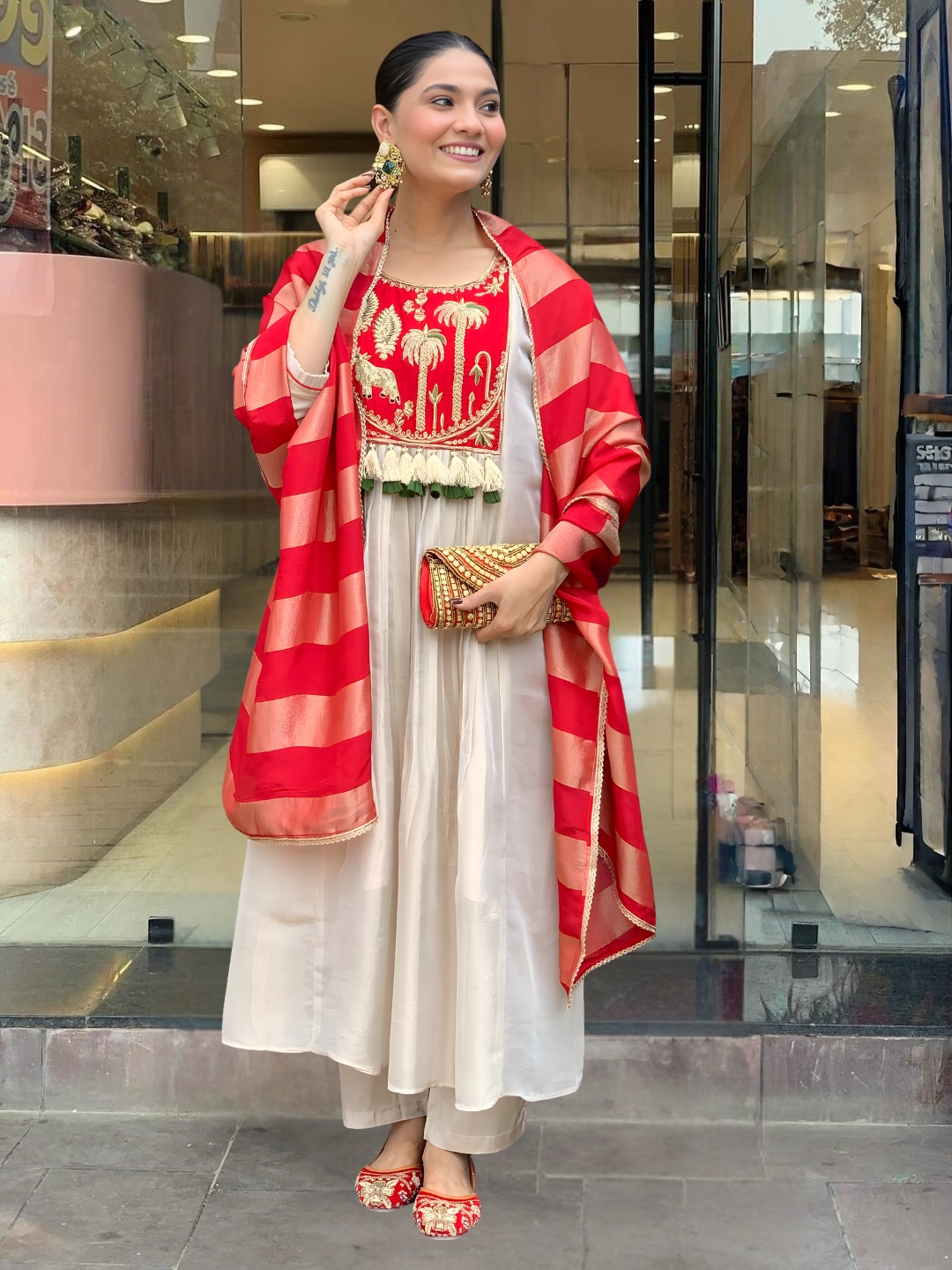
Fabric choice should reflect the venue and season. Cotton or cotton-rich clothing is practical for a daytime Puja, outdoor family gathering or warm-weather wedding. Chanderi offers a festive sheen without the weight of many heavily woven textiles, although a smooth lining may be needed if the weave feels slightly crisp. Silk can look elegant for an evening celebration, but a silk-blend garment may be easier for a child to wear for several hours than a dense, stiff silk.
Banarasi silk and zari jacquard create a rich festive surface, yet both can feel warm or textured against sensitive skin. Use them for a structured panel, dupatta or decorative detail rather than assuming a fully dense garment will be comfortable in every climate. A soft cotton lining, finished seams and an inner layer can make a major difference.
Adult festive pieces can help you identify the visual effect of a fabric before buying a child's outfit. Festive Wear Cream Embroidered Kurta Set uses a lighter colour story that can inspire a daytime family look, while Silk Festive Kurta Pant Set with Zari Jacquard Dupatta demonstrates how zari can provide occasion definition through one statement layer. These examples are useful for understanding colour and surface, not for substituting adult sizing for children's clothing.
How can you test whether fabric will irritate a child?
Test the fabric by rubbing a hidden inner seam and the embellished area lightly against the child's wrist for several seconds. If the surface feels scratchy on the wrist, it's likely to irritate the neck, waist or underarm during a long celebration.
Look inside the garment for rough zari ends, exposed metallic thread, stiff labels and unfinished seam allowances. Remove large tags before the event, but preserve the care label if possible. A thin cotton camisole or vest can reduce skin contact, provided the extra layer doesn't make the outfit tight.
What Silhouette Gives a Child Enough Movement?
A simple kurta with relaxed trousers, a gently flared anarkali or a well-shaped sharara generally gives a child more movement than a narrow skirt or heavily structured lehenga. The best silhouette depends on whether the child will dance, sit on the floor, walk outdoors or remain seated during a ceremony.
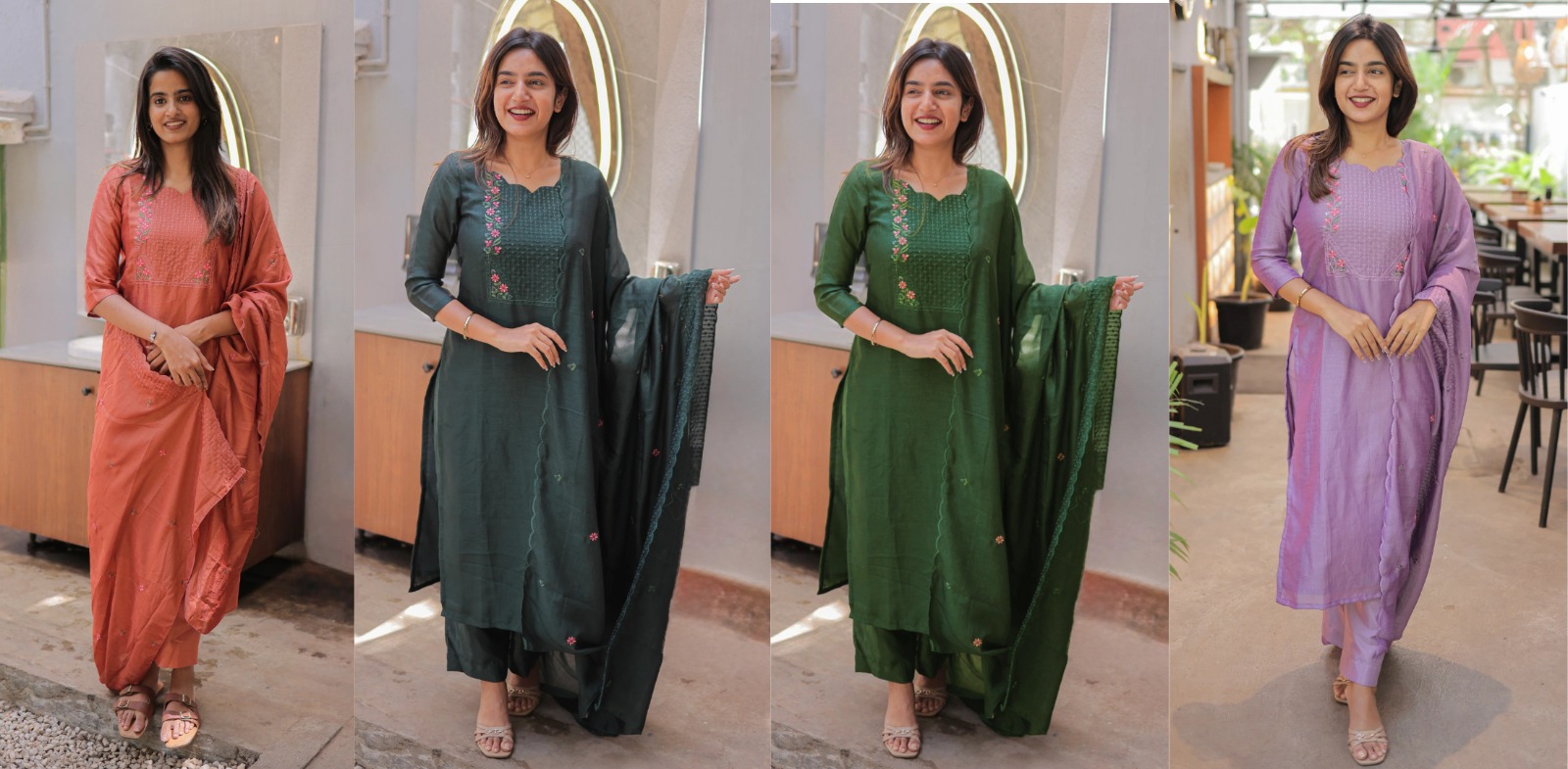
A straight kurta and elasticated pant set is usually the most versatile choice for younger children. The trousers stay secure during play, and the kurta can be worn with sandals or festive flats. A flared anarkali creates a dress-like effect without requiring a separate skirt and blouse, but the hem should clear the ankles and should not drag on stairs.
Sharara trousers can work well for older children because the wide legs allow movement while looking festive. The waistband should sit comfortably at the natural waist rather than pressing into the stomach. Palazzo trousers need a measured hem; extra width doesn't compensate for a length that catches under the child's feet.
Dupattas need particular attention. For a younger child, drape a lightweight dupatta across one shoulder and secure it discreetly rather than leaving a long trailing end. For active events, a pre-stitched drape, short stole or dupatta pinned at two points is safer than a loose four-sided piece.
Adult garments can illustrate how different silhouettes behave. Green Embroidered Anarkali Suit Set for Women shows the visual impact of a flared shape, while Dark Green Embroidered Kurta Pant Dupatta Set demonstrates the cleaner movement of a coordinated kurta and pant combination. For a child, choose the same design principle in a true children's cut with shorter, safer proportions.
How Should Colour and Embellishment Be Chosen?
Choose colour according to the ceremony, lighting and the child's existing wardrobe, and keep embellishment concentrated away from high-friction areas. A festive outfit doesn't need heavy embroidery across the entire front to look special.
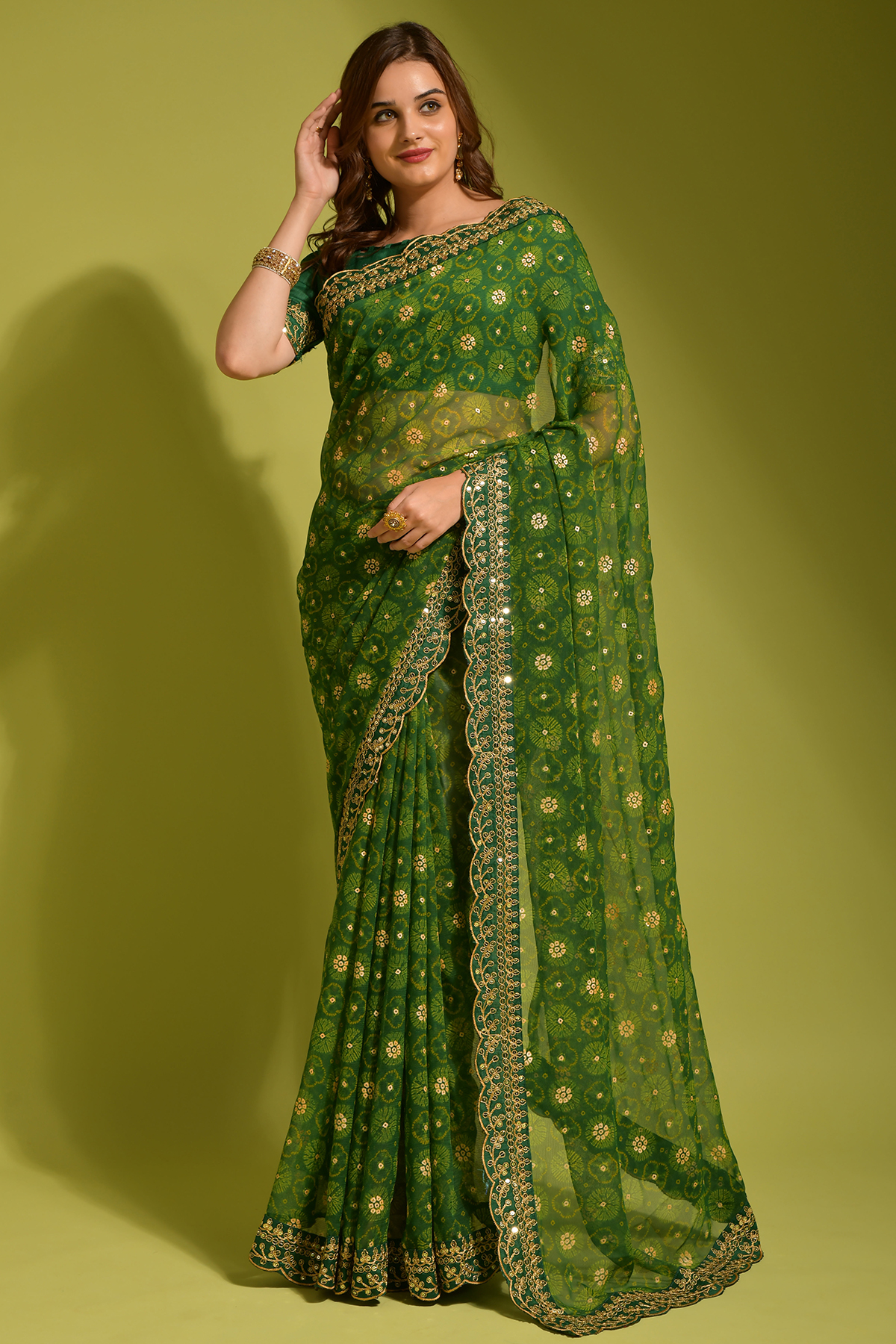
Deep maroon, emerald, rust, mustard and ivory photograph well under warm wedding lighting. Bright red and pink can suit daytime celebrations, while cream, peach and pale green often feel lighter for a Puja or lunch event. Consider the child's comfort with attention as well: a quieter child may prefer a solid base with a decorated yoke instead of a highly reflective all-over surface.
Embroidery is most practical on the upper chest, yoke or border when the garment is intended for repeated wear. Dense embellishment at the elbow, hip or inner thigh can rub during movement. Sequins and beads should be firmly attached, and small detachable decorations should be avoided for toddlers who may pull or mouth them.
Festive Wear Maroon Silk Anarkali Suit Set for Women and Maroon Embroidered Chanderi Kurta Set with Dupatta show two different ways maroon can appear festive: one through a richer silk surface and one through lighter Chanderi with embroidery. A child's version should borrow the colour direction while using lighter construction and child-safe finishing.
Which Safety Details Should Parents Check?
Parents should check every drawstring, hook, button, bead and hem before a child wears festive clothing. Safety matters especially for toddlers, but older children also need secure fastenings and clear vision when walking in crowded venues.
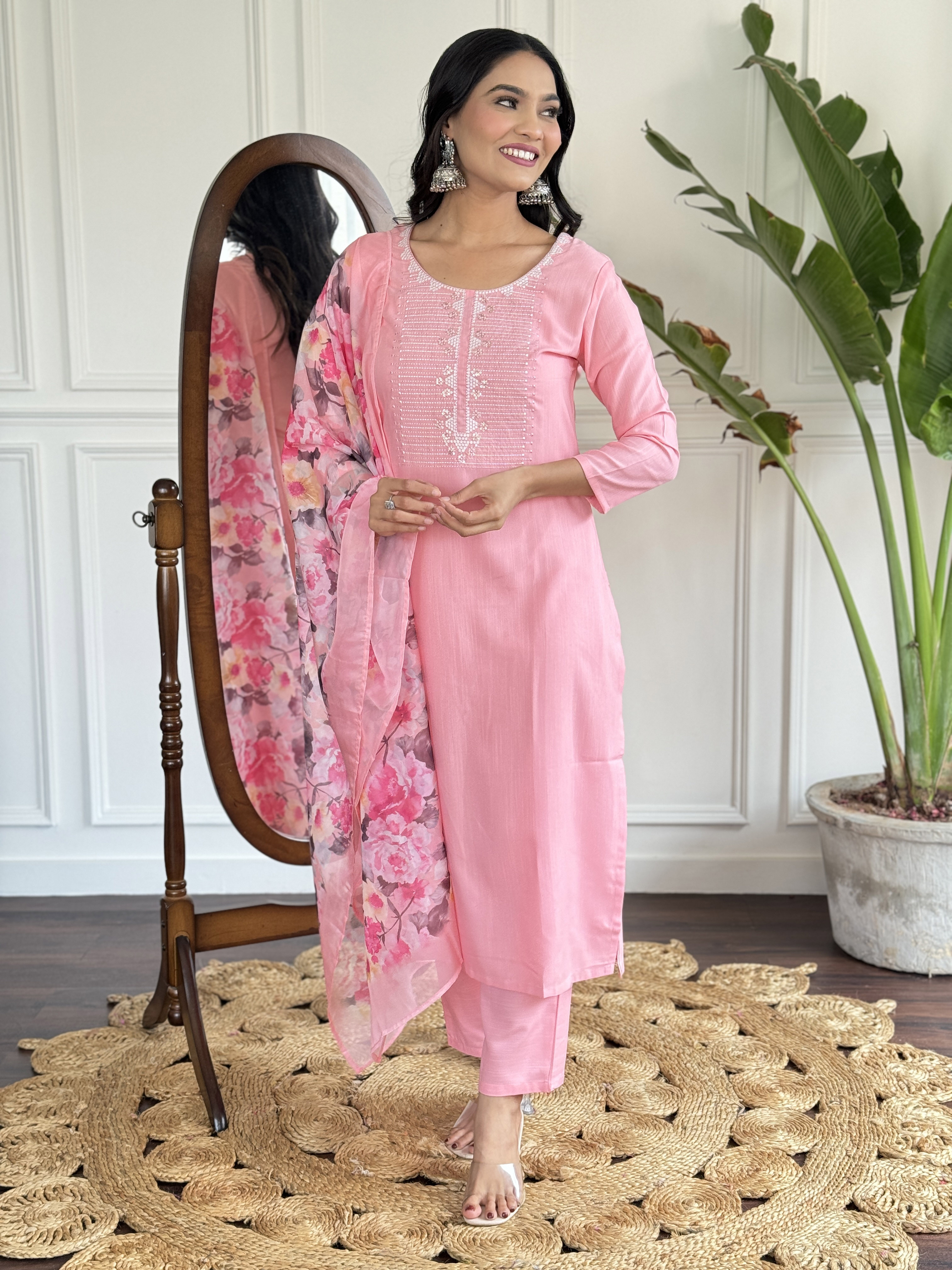
Choose short, securely stitched drawstrings or internal elastic adjustments rather than long cords that can catch on chairs and door handles. Avoid dangling tassels near the neck and loose decorative ties at the back. Snaps and hooks should be covered where they touch the skin, and buttons should not wobble when gently pulled.
Inspect the hem after the child walks for five minutes. A long hem that twists around the feet is a practical hazard, particularly at a wedding venue with stairs. Footwear should also be tested indoors; stiff new shoes can cause blisters before the main ceremony begins.
For children under three, avoid detachable beads, loose sequins and small ornamental pieces. For children who use a wheelchair, orthosis or mobility aid, select side openings, flat back details and smooth seams so the outfit doesn't create pressure points. Inclusive festive wear is about adapting construction, not limiting colour or ornament.
How Can One Festive Outfit Work for More Than One Event?
One festive outfit can serve multiple events when the base garment is comfortable and accessories change the level of formality. A plain kurta set can look suitable for a family lunch with a printed stole and become wedding-ready with a brocade waistcoat, embroidered jacket or festive dupatta.
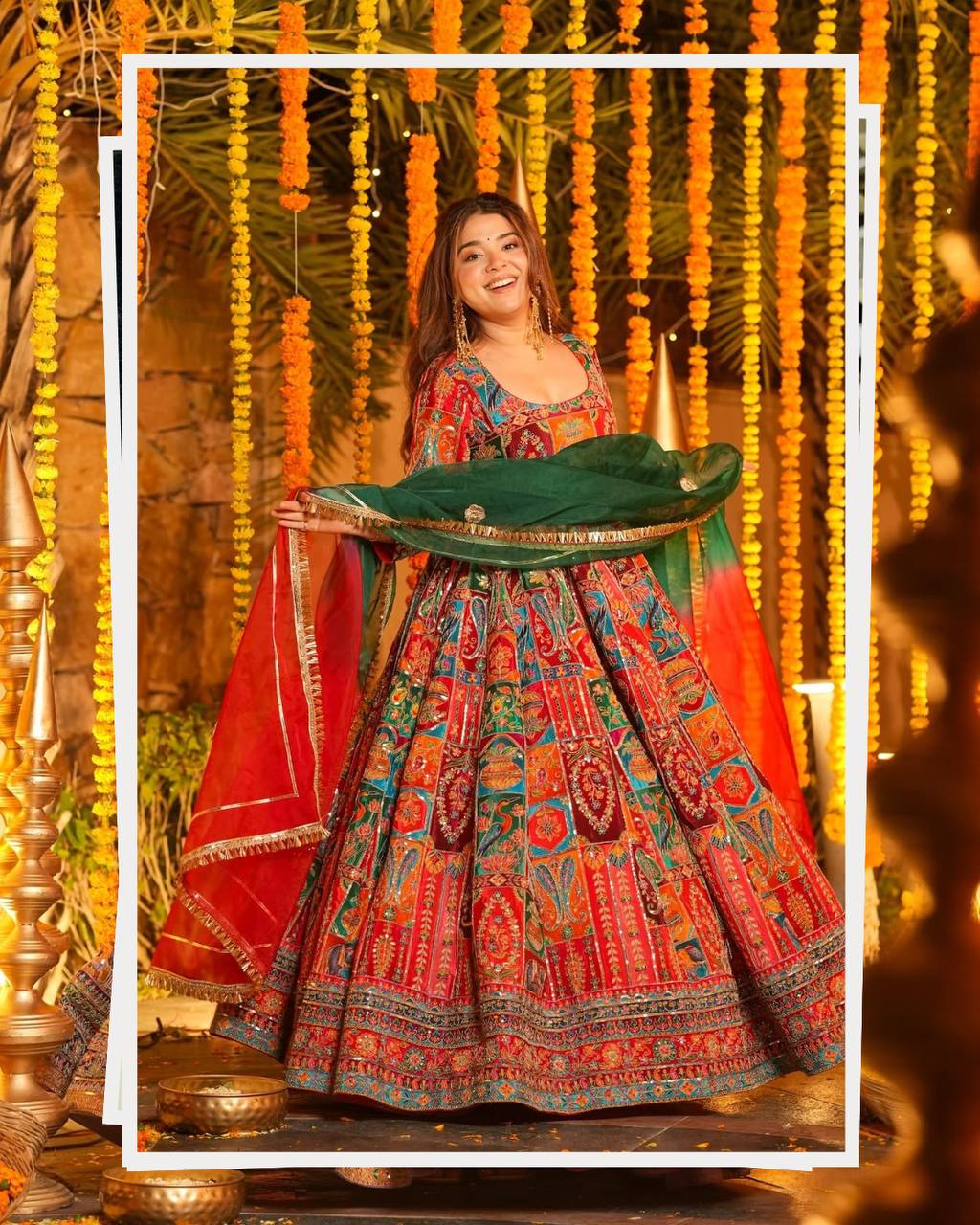
Prioritise separates when a child grows quickly. A kurta may become a shorter tunic, and a pair of elasticated trousers may continue to fit after the top is outgrown. A flared silhouette can sometimes tolerate a small length adjustment better than a sharply fitted garment.
Multicolor Embroidered Crepe Maxi Suit Set for Festive Wear illustrates how multiple colours can reduce the need for many accessories because the garment already has visual variety. For a child, a multicolour base can be paired with neutral footwear and one simple hair accessory, making styling easier while avoiding excessive decoration.
Red Chanderi and green embroidery can also be separated from a single event-specific look. Festive Red Chanderi Kurta Pant Dupatta Set Women brings an useful reference for a red-and-cream palette, while a child's equivalent could be worn without the dupatta for a family meal and with a short, secured drape for a ceremony. The important principle is to buy a flexible base rather than a costume designed for one photograph.
When Should You Buy and Alter a Child's Festive Outfit?
Buy a child's festive outfit about four to eight weeks before the event when possible, leaving time for measurement changes, a trial fitting and minor alterations. Buying too early increases the chance that a rapid growth spurt will change the fit before the celebration.
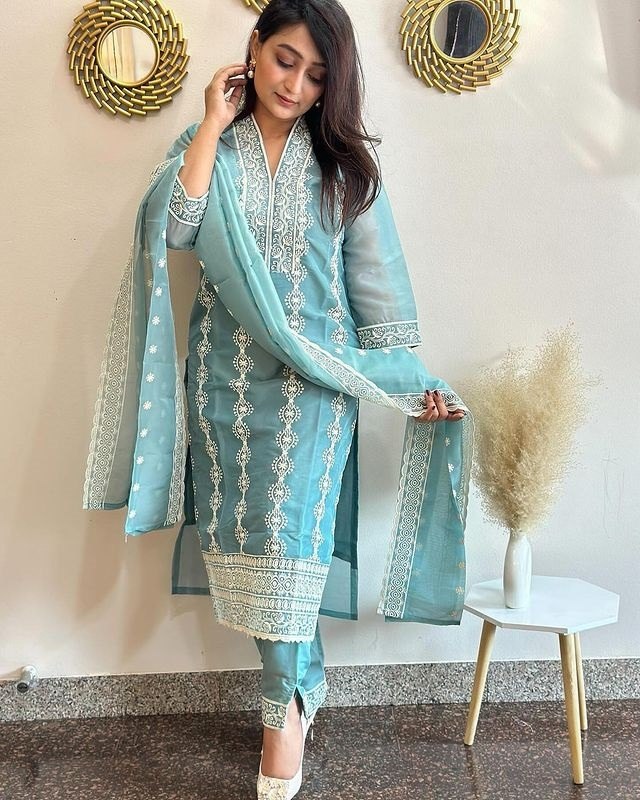
Try the complete outfit at least one week before the event. Ask the child to sit, walk, lift both arms, bend down and use the bathroom. Check whether the neckline shifts, the sleeves draw, the waistband rolls or the dupatta slips. A garment that looks exact while standing may fail during a three-hour ceremony.
Alter length only after the child has worn the shoes planned for the event. Keep a little extra fabric in straight seams where possible, but don't rely on future alteration if the garment has dense embroidery or a narrow armhole. A skilled tailor can often release a waist or shorten a hem, but can't always add width to a cut that has no seam allowance.
Adult references such as Festive Wear Cream Embroidered Kurta Set and Dark Green Embroidered Kurta Pant Dupatta Set can help families coordinate colours without dressing every person identically. Matching one colour family is usually more comfortable and visually balanced than forcing the same silhouette across adults and children.
How Should Festive Clothing Be Stored and Washed?
Follow the care label and store festive clothing clean, dry and loosely folded rather than sealed immediately after use. Food, sweat, oil and Haldi ceremony pigment can permanently mark silk, Chanderi, crepe and zari if they remain on the fabric for weeks.
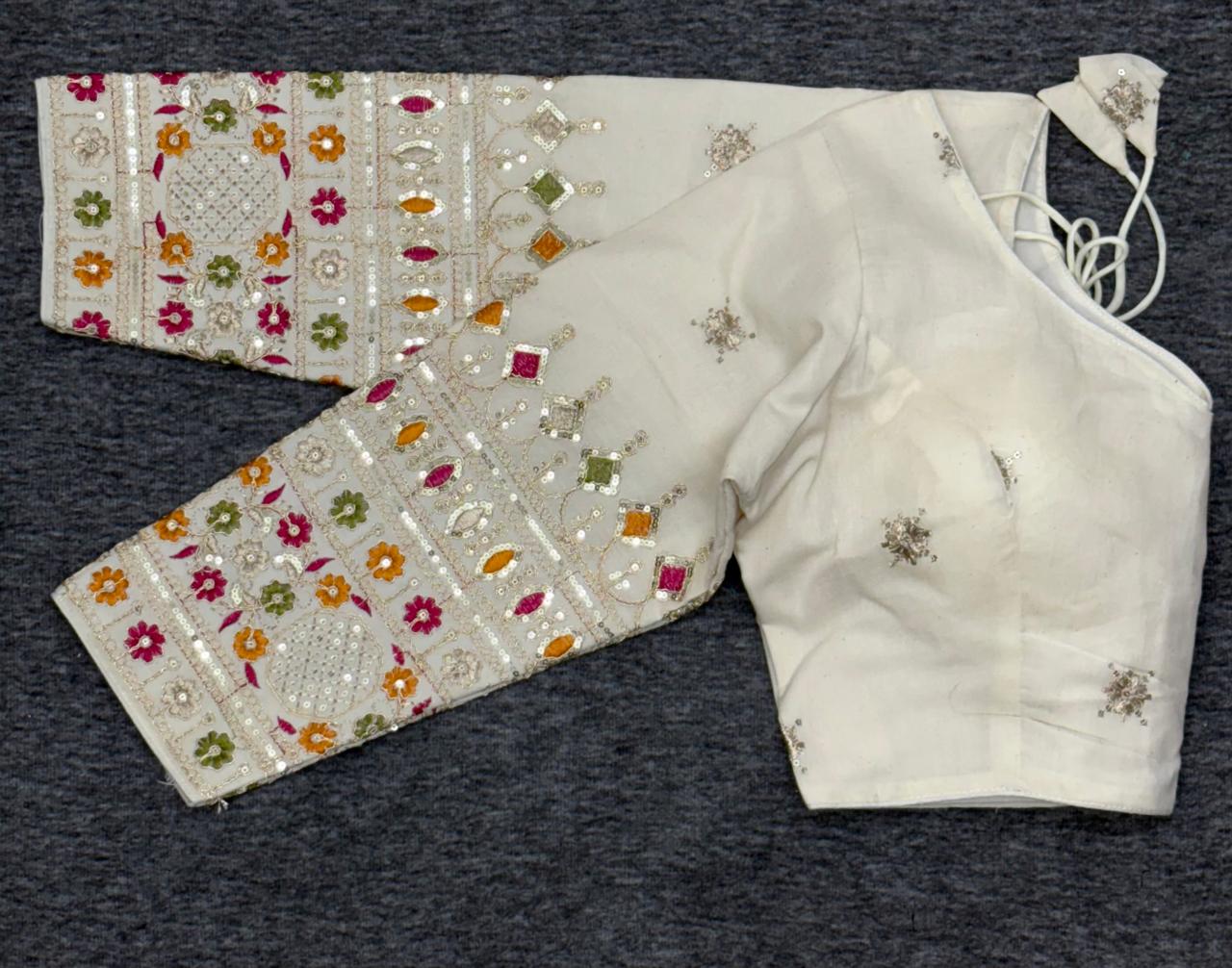
Air the outfit in shade after wearing it, then address visible stains according to the fabric instructions. Do not rub zari, embroidery or a water-sensitive dye aggressively. Dry-clean-only garments should go to a reputable cleaner, while washable cotton-rich pieces should be tested for colour bleeding on an inside seam before the first wash.
Fold embellished garments with acid-free tissue or a clean, soft cotton cloth between decorated layers. Avoid hanging heavy embroidered outfits for long periods because the shoulder seams can stretch. Keep children's festive pieces away from damp cupboards, direct sunlight and fragranced products that may irritate sensitive skin.
Successful festive dressing for a growing child combines accurate measurements, breathable materials, safe details and a realistic plan for repeat wear. When the outfit allows movement and feels comfortable after several hours, the child is more likely to enjoy the celebration and wear the garment again.
Practical Questions About Festive Outfits for Growing Children
How much bigger should I buy a festive outfit for a growing child?
Buy only about 2 to 4 centimetres of extra ease at the chest and waist, rather than several sizes too large. Extra length can cause trips, while controlled room in the body allows short-term growth without making the outfit look poorly fitted.
Which fabric is most comfortable for children’s festive wear?
Cotton, cotton-silk blends, soft rayon and lined Chanderi are generally comfortable choices for children. Dense silk, zari and synthetic fabric can also work for shorter events when they have a soft lining, smooth seams and enough room for movement.
Is an anarkali or a kurta-pant set better for a young child?
A kurta-pant set is usually easier for active younger children because the elasticated trousers support movement and bathroom use. A gently flared anarkali can work well when the hem is safely above the ankles and the child will spend more time seated.
How can I make a dupatta safe for a child?
Use a lightweight, short dupatta and secure it at two points so it cannot trail near the feet or catch on furniture. For toddlers or highly active children, a short stole or decorative shoulder panel is safer than a loose full-length dupatta.
Can festive clothes be altered after a child grows?
Straight kurta hems, sleeves and some elasticated waistbands can often be altered, but narrow shoulders and heavily embroidered seams are difficult to enlarge. Check for seam allowance before buying and choose a garment with adjustable or elasticated sections where possible.
What should a child wear to a Haldi ceremony?
A lightweight, washable cotton or cotton-rich outfit in a relaxed silhouette is the safest choice for a Haldi ceremony. Avoid delicate dry-clean-only fabrics and heavy embellishment because turmeric pigment, water and outdoor activity can stain or damage them.