How to Choose a Dupatta for a Muslim Nikkah Guest Outfit starts with one practical question: how much coverage will feel respectful and comfortable for the venue, ceremony and family setting? A dupatta can complete a salwar suit or kurta set, cover the shoulders and upper arms, soften a bright colour and add movement without making a guest outfit feel bridal. The right choice depends on fabric weight, transparency, border placement, embroidery, colour contrast and the way the dupatta will stay in place.
Muslim nikkah celebrations vary widely. A ceremony may take place in a mosque, a home, a marriage hall or a hotel, and dress expectations can differ between families and communities. Guests should check whether head covering is expected inside the prayer area, whether the event includes a formal reception and whether the bride's family has shared a colour or dress code. A polished outfit respects the setting without copying bridal details such as heavily embellished red, maroon or gold ensembles.
How to Choose a Dupatta for a Muslim Nikkah Guest Outfit Based on the Venue
The venue determines how structured, opaque and secure your dupatta should be. A mosque or family home generally calls for reliable shoulder and upper-arm coverage, while a hotel reception may allow a lighter drape as long as the outfit remains modest and comfortable.
For a mosque ceremony, choose a dupatta wide enough to cover both shoulders and long enough to reach at least the hip or mid-thigh when worn across the front. A width of approximately 40 to 44 inches gives better coverage than a narrow scarf. A length of 2.4 to 2.7 metres works well with most straight kurtas and palazzo suits because the dupatta can cross the chest without pulling at the neckline.
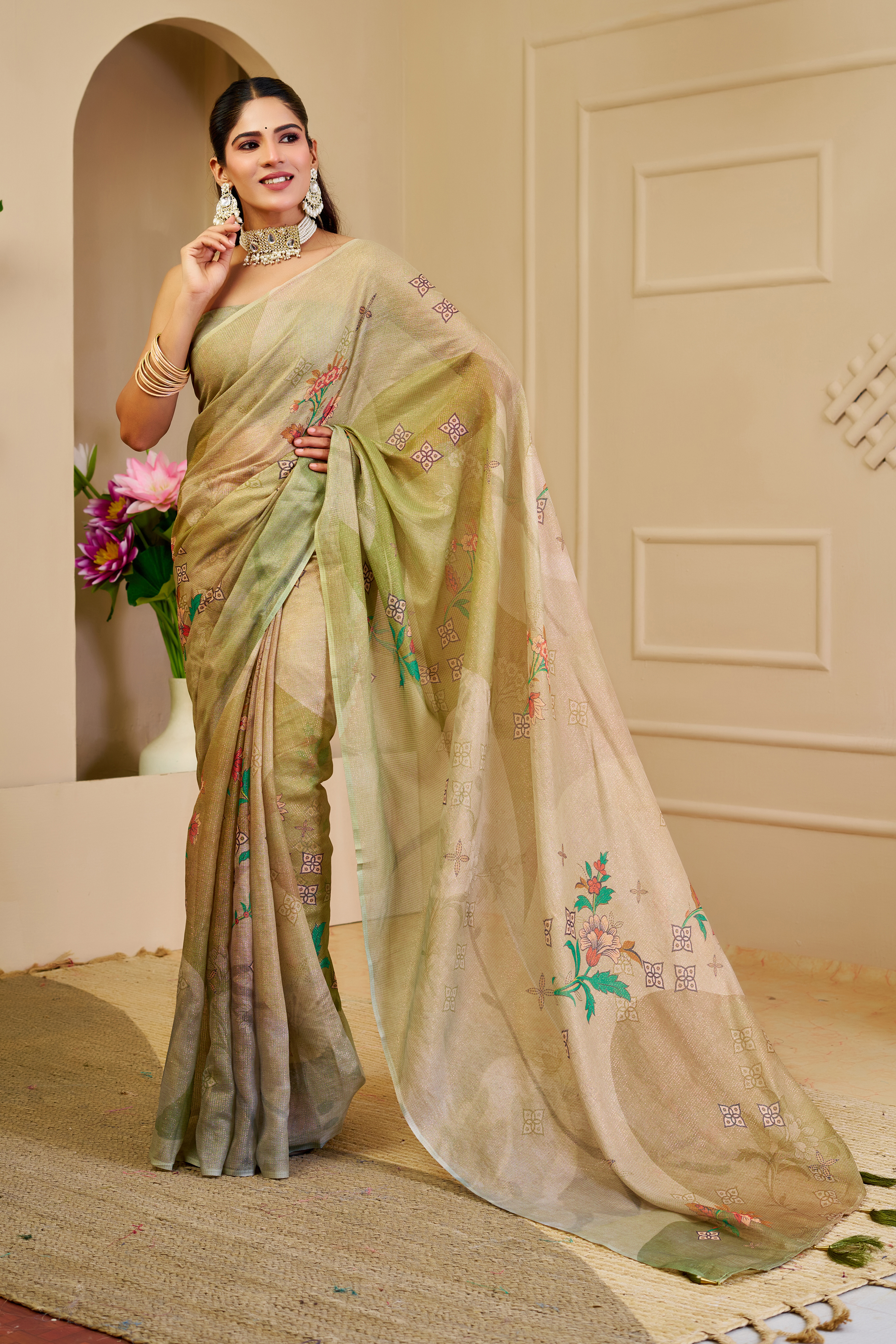
Transparency matters as much as size. Chiffon and lightweight organza can look elegant but may reveal the outline of the shoulders under bright indoor lighting. A lined, double-layered or densely woven dupatta provides more dependable coverage. Chanderi silk has a light hand feel and a softly sheer appearance, so a Chanderi dupatta is most practical when the kurta has a high neckline or when a camisole or matching inner layer is worn underneath.
Ask about head-covering expectations before the event rather than assuming that every nikkah requires the same arrangement. If you may need to cover your head, select a dupatta without a very stiff border or heavy three-dimensional embroidery. A smooth edge folds more comfortably around the hair and won't create pressure behind the ears.
How much skin should a nikkah guest outfit show?
A modest Muslim nikkah guest outfit usually keeps the neckline, shoulders and upper arms covered, but exact expectations depend on the host family and venue. A round, boat or softly raised neckline paired with a secure dupatta offers a dependable option when the dress code is unclear.
Coverage doesn't require a shapeless outfit. A straight kurta with side slits kept at a moderate height, ankle-length trousers and a dupatta pinned at one shoulder can look tailored while remaining suitably covered. Avoid relying on a dupatta to conceal a very low neckline or a sleeve that feels too short because constant adjustment can become uncomfortable during greetings, meals and photographs.
How to Choose a Dupatta for a Muslim Nikkah Guest Outfit by Fabric
Fabric weight should balance the kurta rather than simply match its colour. Lightweight fabrics suit warm weather and fluid silhouettes, while silk blends, jacquard and woven fabrics give structure to simple straight kurtas.
Chiffon dupattas create a soft, floating drape and work well with fitted or minimally embroidered kurta sets. Chiffon can slide from the shoulder, so use two small safety pins beneath the shoulder seam or a discreet brooch placed away from delicate embroidery. Chiffon also dries quickly after gentle washing, but it snags easily against rough jewellery and textured handbags.
Organza brings crisp volume and a formal finish. The fabric holds a shoulder pleat better than chiffon, but a heavily bordered organza dupatta can feel stiff when wrapped around the head. Organza works best with a relatively simple kurta because its structure and sheen already draw attention.
Banarasi silk, silk blends and jacquard dupattas suit evening nikkahs, cooler weather and outfits that need a more ceremonial finish. The weave gives the fabric body, so a Banarasi silk or jacquard dupatta can stay across the forearms and chest with fewer pins. Heavier fabrics may become warm after several hours, making them less comfortable for crowded indoor venues in summer.
Chanderi silk brings an useful middle ground between dressiness and lightness. Chanderi silk has a delicate sheen and often carries zari motifs or a narrow border. Madhuri 2 Pink Chanderi Silk Kurta Set for Women | Varnavi illustrates how a lighter silk texture can support a festive look without the weight of dense velvet or layered brocade.
Which dupatta fabric is easiest to manage?
A medium-weight silk blend or jacquard dupatta is usually easiest to manage because the fabric drapes neatly, resists constant sliding and remains formal for several hours. Chiffon is lighter, but chiffon generally needs more careful pinning.
Test the fabric before the event by wearing the complete outfit for 20 minutes. Sit on a chair, lift one arm, carry a small bag and walk up a few steps. A dupatta that slips during a short trial will probably require repeated adjustment during the nikkah and reception.
How to Choose a Dupatta for a Muslim Nikkah Guest Outfit by Colour
The safest colour strategy is to choose one festive base colour and use the dupatta to introduce a controlled contrast or a quieter tonal layer. Colour choices should consider the bride's outfit, the invitation and the lighting at the venue.
Soft pink, mauve, sage, powder blue, ivory, dusty rose and muted yellow can look celebratory without appearing bridal in many settings. Jewel tones such as emerald, sapphire, rani pink and deep plum work especially well for evening events. Strong red, bridal gold, bright crimson and heavily metallic combinations deserve more caution because those shades may overlap with traditional bridal clothing.
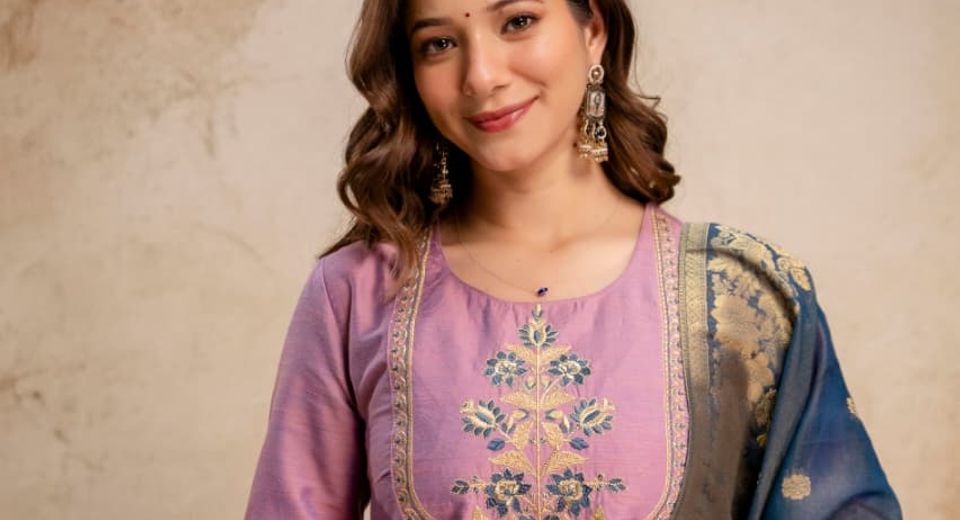
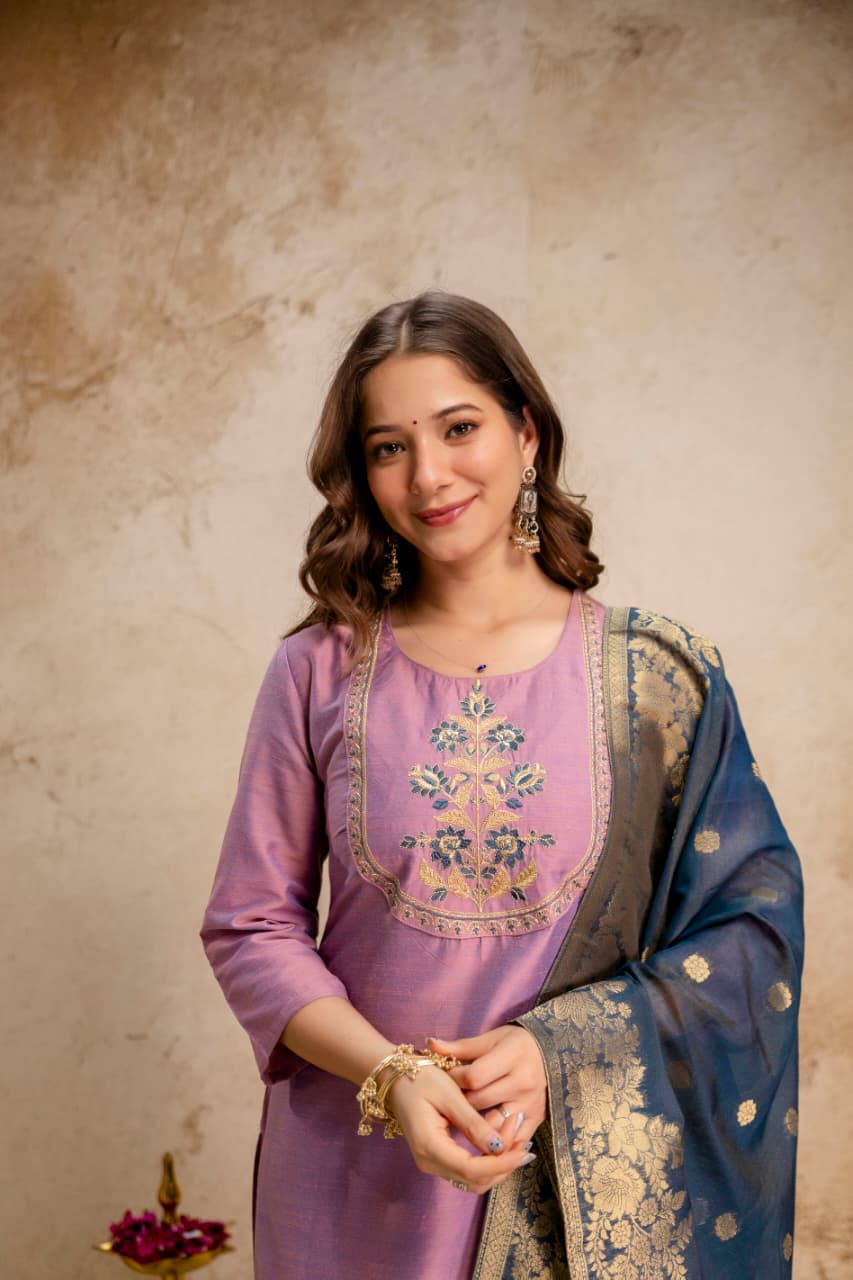
A contrast dupatta can make a simple outfit look intentional. Mauve Embroidered Kurta Set with Blue Dupatta Online uses a cool blue layer to give mauve a clearer, more contemporary direction. A similar approach works when a kurta has subtle embroidery and the dupatta carries the main accent colour.
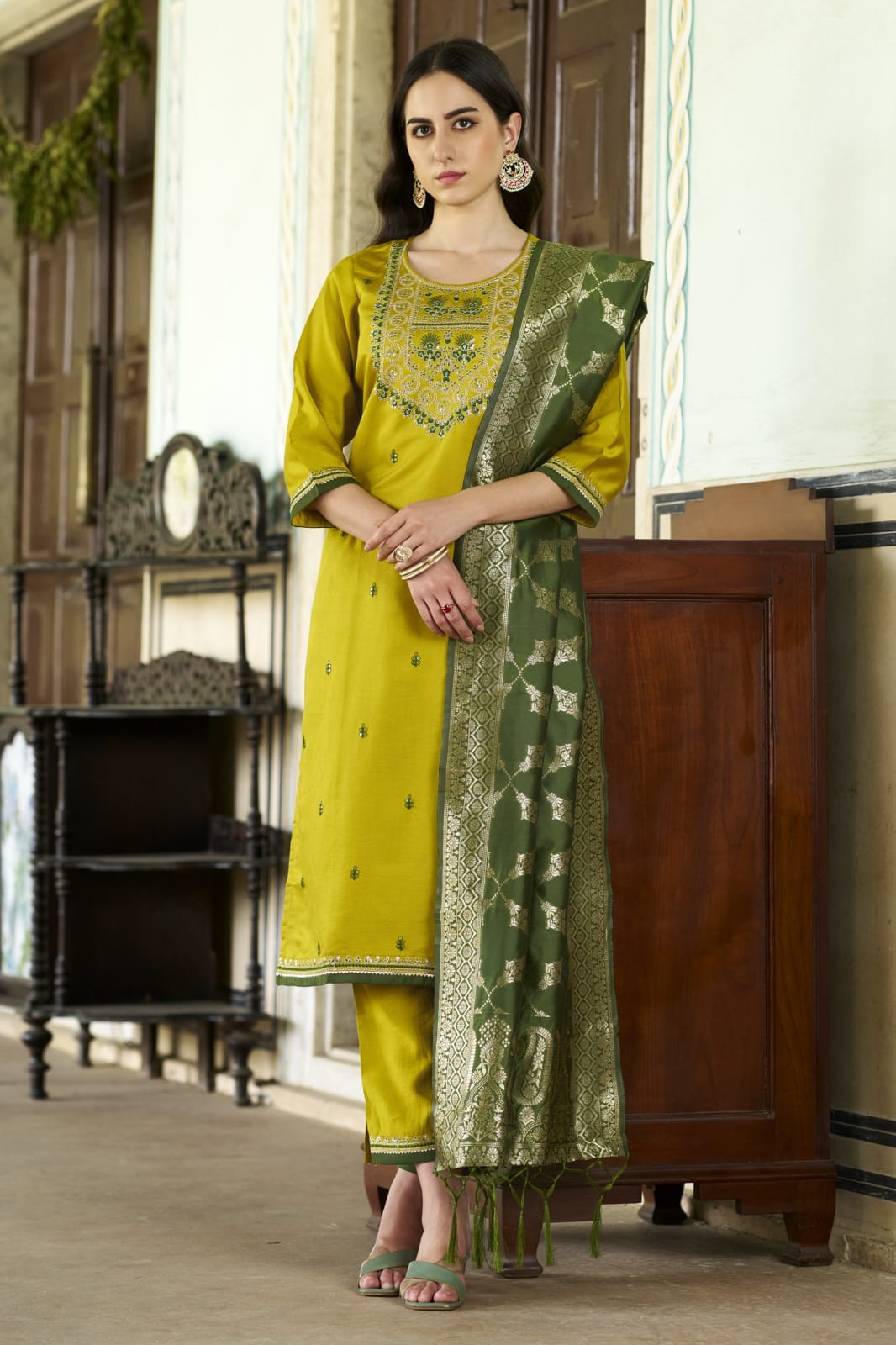
Mustard and yellow shades are festive for daytime nikkahs, particularly when balanced with ivory, beige, green or muted pink. Mustard Yellow Embroidered Kurta Set for Women Online and Women's Mustard Silk Blend Kurta Set with Dupatta show two different ways to use mustard: one can read as lively and embroidered, while a silk-blend finish gives the colour a more polished evening character.
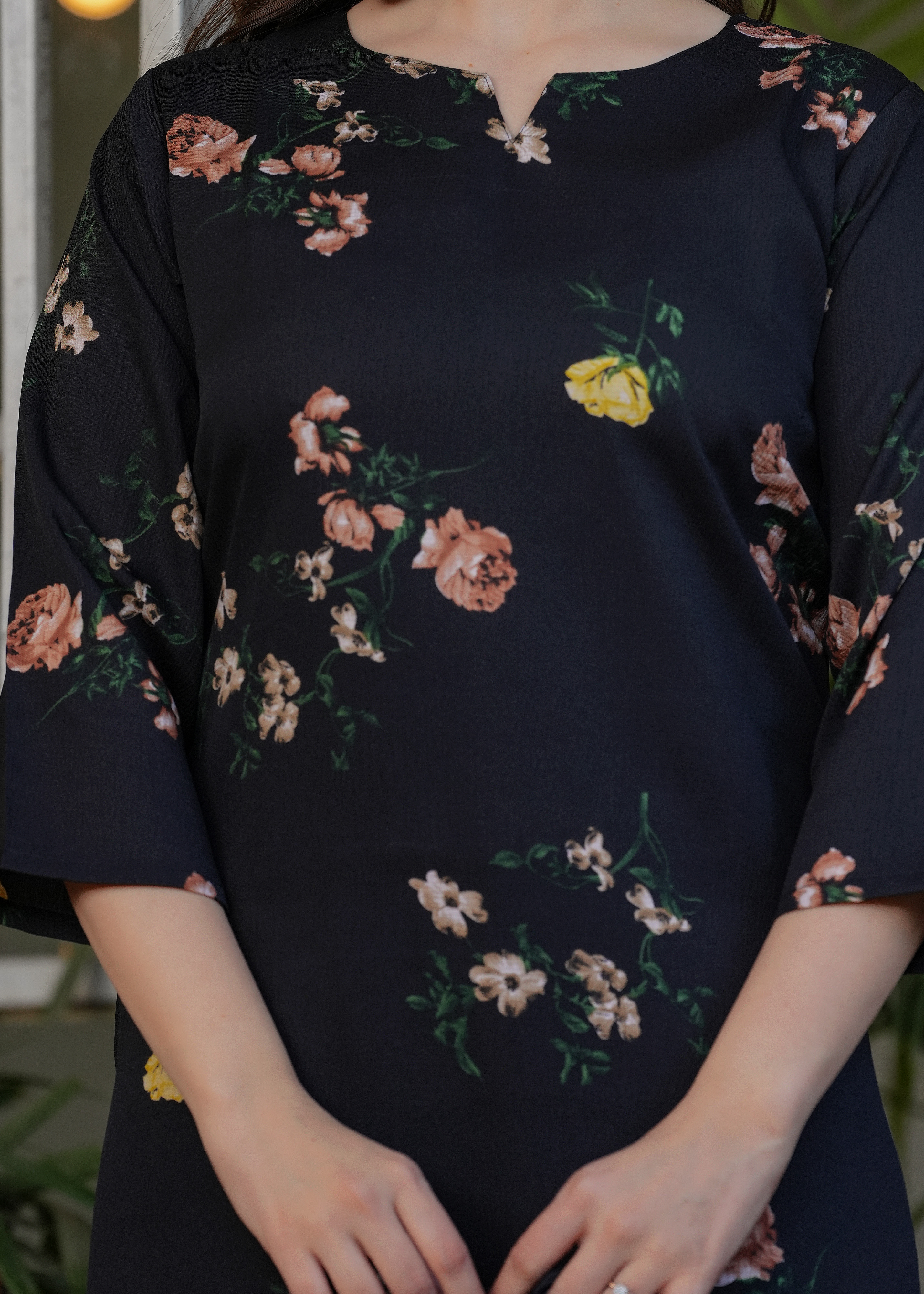
Black can be elegant, but styling should match the family and cultural setting. A black outfit with floral motifs, coloured threadwork or a bright dupatta feels more celebratory than an entirely plain black ensemble. Black Floral Printed Silk Blend Kurta Set with Dupatta demonstrates how floral pattern can keep black from looking severe at a daytime or semi-formal gathering.
How to Choose a Dupatta for a Muslim Nikkah Guest Outfit with Embellishment
The dupatta should repeat one or two details from the kurta instead of competing with every design element. A border, scattered motif or small amount of zari can connect separate pieces without creating bridal-level ornamentation.
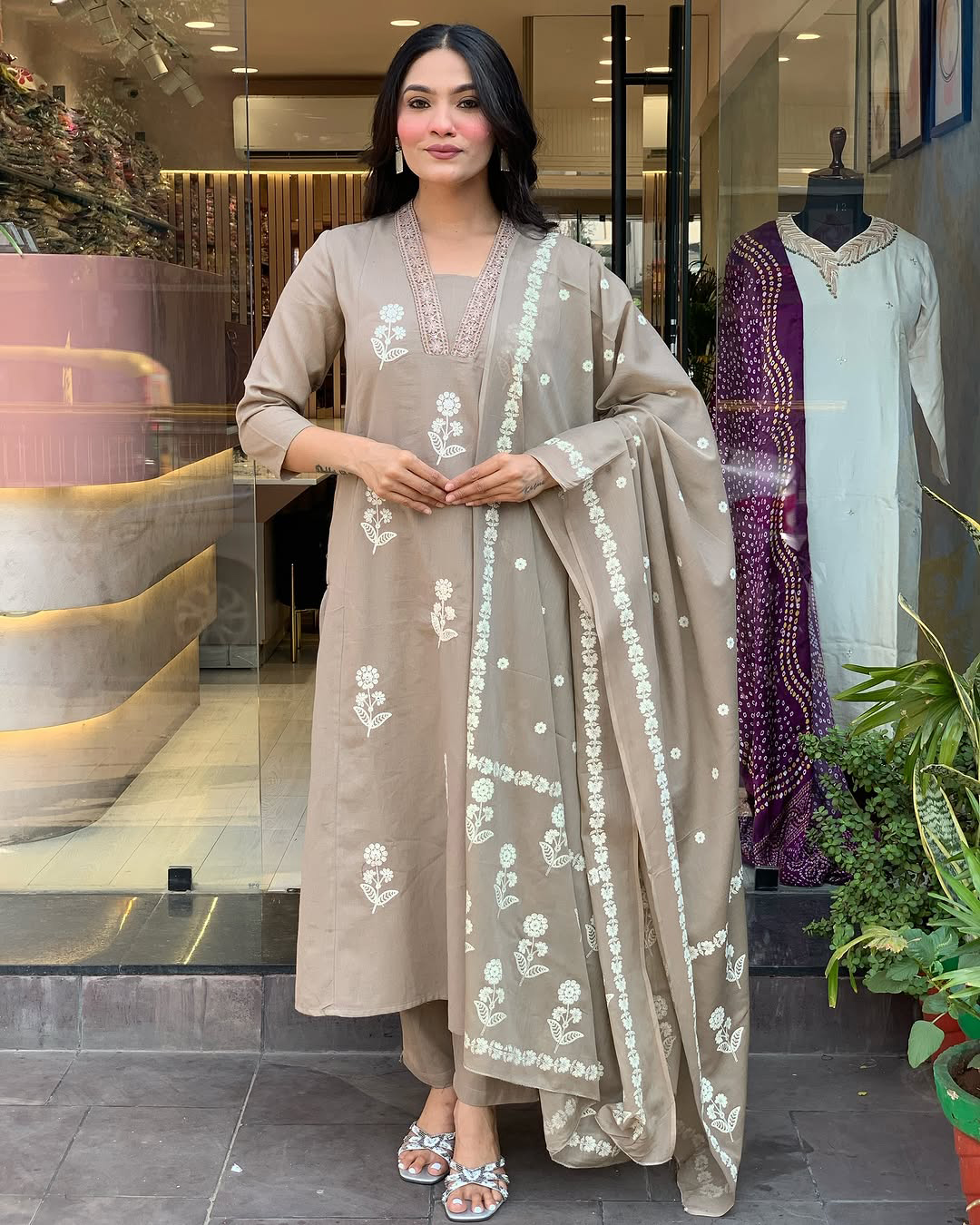
Embroidery placement affects both appearance and comfort. A border along the long edge frames the body when the dupatta is worn across the front. Small bootis distribute shine more quietly and are less likely to catch on jewellery. Dense embroidery near the neck and shoulder can feel heavy and may press into the skin when the dupatta is pinned.
Zari adds reflective warmth, especially under evening lights. Gold zari pairs naturally with maroon, mustard, emerald, rani pink and ivory, while silver zari tends to complement blue, mauve, lilac, grey and cool green. If the kurta already contains prominent zari, choose a dupatta with a restrained border rather than a second heavy pattern.
Elegant Silk Embroidered Kurta Pant Set with Jacquard Dupatta is an useful example of combining a smooth silk-like surface with a more dimensional woven layer. Silk Festive Kurta Pant Set with Zari Jacquard Dupatta brings a more visibly ceremonial direction, which suits an evening nikkah when the rest of the jewellery remains measured.
How much embroidery is appropriate for a nikkah guest?
Moderate embroidery is appropriate for most nikkah guest outfits, while very dense sequin, crystal or metallic work is better reserved for a formal reception unless the invitation specifically calls for heavy festive wear.
Guest clothing should look considered rather than bridal. If the kurta has an embroidered neckline and cuffs, a plain or lightly bordered dupatta often creates the best balance. If the kurta is simple, an embroidered dupatta can provide enough occasion detail without adding a second embellished garment.
How to Choose a Dupatta for a Muslim Nikkah Guest Outfit That Stays Secure
A secure shoulder drape is the most practical choice when you expect to sit, stand, greet relatives and move between a nikkah ceremony and a meal. Begin by placing one end over the opposite shoulder, bring the fabric across the chest and let the remaining length fall behind or across the other arm.
For maximum front coverage, make five to seven narrow pleats at one end and pin the pleats beneath the shoulder seam. The other side can remain open across the forearm, creating a neat shape while keeping the chest covered. Use safety pins with rounded closures and place them through the seam allowance rather than through prominent zari or delicate surface embroidery.
A two-shoulder drape gives the most stability for a mosque ceremony or a formal family gathering. Arrange the dupatta evenly behind the neck, bring both sides over the shoulders and secure one side at each shoulder. This method distributes the fabric's weight and leaves both hands free, which is useful when carrying a phone, clutch or gift.
A head-covering drape requires a soft, sufficiently wide dupatta. Place the centre of the dupatta over the crown of the head, allow both sides to fall evenly and secure one side near the shoulder. Avoid placing a heavy brooch directly on the hair because the weight can pull the fabric backward. A small hidden pin at the shoulder usually gives better stability.
Pinning should support the drape, not flatten it completely. Two or three well-placed pins are generally more comfortable than many small pins that restrict movement. Keep spare pins in a small pouch, especially when the dupatta is made from chiffon, satin or a slippery silk blend.
How to Choose a Dupatta for a Muslim Nikkah Guest Outfit on a Realistic Budget
A practical budget should account for fabric quality, lining, finishing and how often the dupatta can be worn again. A versatile dupatta in a reusable colour often gives better value than a heavily embellished piece designed for one event.
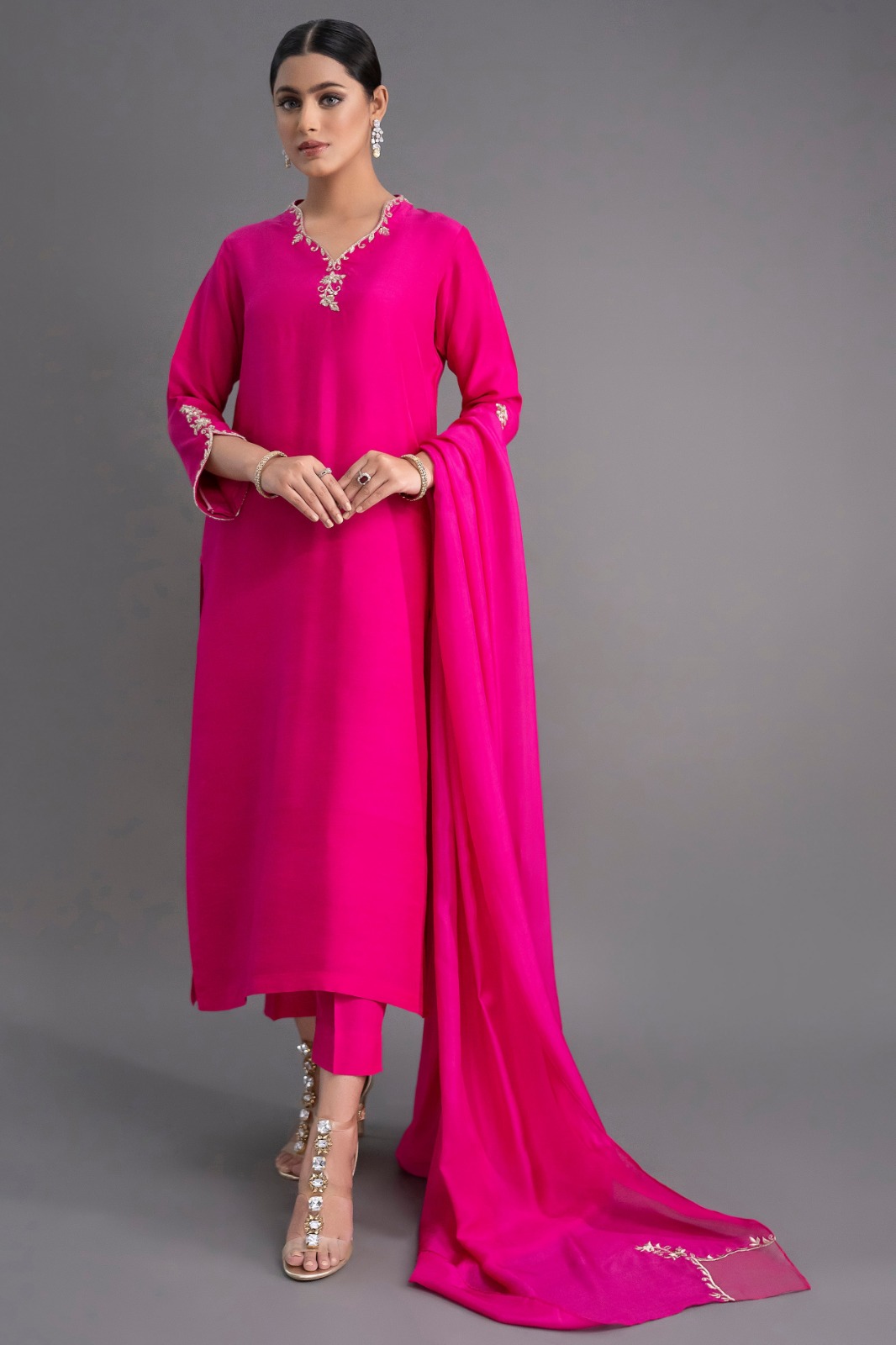
For a daytime nikkah, a cotton-silk, Chanderi silk or lightweight printed dupatta can provide polish without excessive cost or heat. Premium Rani Pink Straight Kurta with Dupatta Set gives a strong colour statement through a coordinated set, reducing the need to purchase a separate contrasting layer. A coordinated set also makes colour matching easier when shopping close to the event.
For an evening nikkah, silk blend, jacquard and zari details create formality without requiring a full lehenga. Choose a dupatta that can later be paired with a plain kurta, ivory salwar suit or solid palazzo set. A reversible or two-sided border is especially useful because it can create different looks with minimal styling changes.
Check the finishing before buying. Look for securely stitched borders, even embroidery, a comfortable edge and enough length for the intended drape. A beautiful dupatta that's too short for shoulder-to-hip coverage or too heavy for the kurta will be less useful than a simpler, well-proportioned option.
Care affects long-term value. Read the label before washing zari, Chanderi silk, Banarasi silk or embellished fabrics. Dry-clean heavily embroidered pieces when recommended, fold silk with acid-free tissue if storing for several months and avoid hanging heavy dupattas by thin loops because the fabric can stretch. Air a worn dupatta before storage and keep it away from direct sunlight to reduce colour fading.
The final test is simple: wear the complete outfit for at least 30 minutes before the nikkah. Check that the neckline remains covered while sitting, the border doesn't scratch the neck, the fabric doesn't drag on the floor and the pins don't pull the embroidery. Comfort and respectful coverage should guide the final choice as much as colour or trend.
Common Questions About Choosing a Dupatta for a Muslim Nikkah Guest Outfit
What colour dupatta should a guest wear to a Muslim nikkah?
A guest can choose mauve, dusty pink, sage, powder blue, mustard, emerald, plum or rani pink, depending on the venue and time of day. Avoid bridal red or heavily metallic combinations unless the hosts have specifically requested them.
Should a woman cover her head at a Muslim nikkah?
Head-covering expectations vary by venue, family and community, so guests should ask the hosts before attending. If head covering may be required, carry a wide, soft dupatta with a smooth border that can sit comfortably over the hair.
Which dupatta fabric is best for a nikkah guest outfit?
A medium-weight silk blend or jacquard dupatta is usually easiest to manage because it stays in place and looks formal. Chiffon is cooler and lighter but may slide, while Chanderi silk offers a light festive texture with a softly sheer finish.
How should a dupatta be draped for a mosque nikkah?
A two-shoulder drape or a front-crossed shoulder drape gives dependable coverage for a mosque nikkah. Pin the fabric discreetly at the shoulder, ensure the neckline and upper arms remain covered and choose a length of about 2.4 to 2.7 metres.
Can a nikkah guest wear an embroidered or zari dupatta?
A nikkah guest can wear moderate embroidery or zari, especially for an evening ceremony. Match the dupatta to one or two details in the kurta and avoid dense bridal-level embellishment, large crystals or an overwhelmingly metallic finish.
How can I stop a dupatta from slipping during a wedding ceremony?
Pin the dupatta beneath the shoulder seam using rounded safety pins and test the arrangement while sitting, walking and lifting one arm. Medium-weight jacquard or silk-blend fabrics generally stay more secure than very smooth chiffon or satin.