Dressing for a Family Wedding With Children Under Five requires more planning than choosing a colour that photographs well. A parent may spend the same afternoon lifting a child, sitting on the floor, carrying snacks, walking between venues and posing for family photographs. The strongest outfit balances movement, ventilation, secure construction and festive detail without looking like ordinary daywear.
Indian weddings also involve changing conditions: a warm outdoor Haldi ceremony, an air-conditioned banquet hall, a crowded baraat route and a long reception dinner. Clothing that works across those settings should allow comfortable sitting, keep hemlines away from the floor and remain manageable when both hands are occupied. The advice below applies to mothers, fathers, guardians and any guest responsible for a young child.
Dressing for a Family Wedding With Children Under Five: how should parents plan the outfit?
Parents should choose a secure, breathable outfit with easy movement, low-maintenance embellishment and footwear that can handle several hours of standing. A saree with a firmly pinned pallu, a palazzo suit with a stable waistband or a sharara with a controlled hem can all work well.
Start with the wedding schedule rather than the invitation's dress code alone. A two-hour daytime ceremony calls for lighter textiles and fewer layers, while an evening reception permits Banarasi silk, richer embroidery and a structured dupatta. Parents attending several functions should avoid selecting one highly delicate ensemble for every event; separate outfits reduce cleaning stress and make weather-based adjustments possible.
Fit matters more than size labels. A blouse should allow the arms to reach forward without pulling across the back. A kurta should sit comfortably when the wearer bends to tie a child's shoe. An adjustable drawstring, side zip or elastic-back waistband can be more practical than a rigid closure. A slightly shorter sleeve and a secure neckline also reduce repeated adjustments during childcare.
Dressing for a Family Wedding With Children Under Five: which fabrics work best?
Breathable cotton blends, linen cotton, Chanderi and lightweight silk blends are generally the most practical fabrics when a parent expects frequent movement and physical contact with a child.
Pure silk and heavily layered outfits can look beautiful but may become tiring in hot weather or crowded venues. Banarasi silk offers a formal finish for an evening wedding, although a lighter Banarasi weave is easier to manage than a heavily padded, densely embellished version. Chanderi gives a dressy transparent texture with less bulk, making it useful for a daytime ceremony when paired with a lined blouse or inner layer.
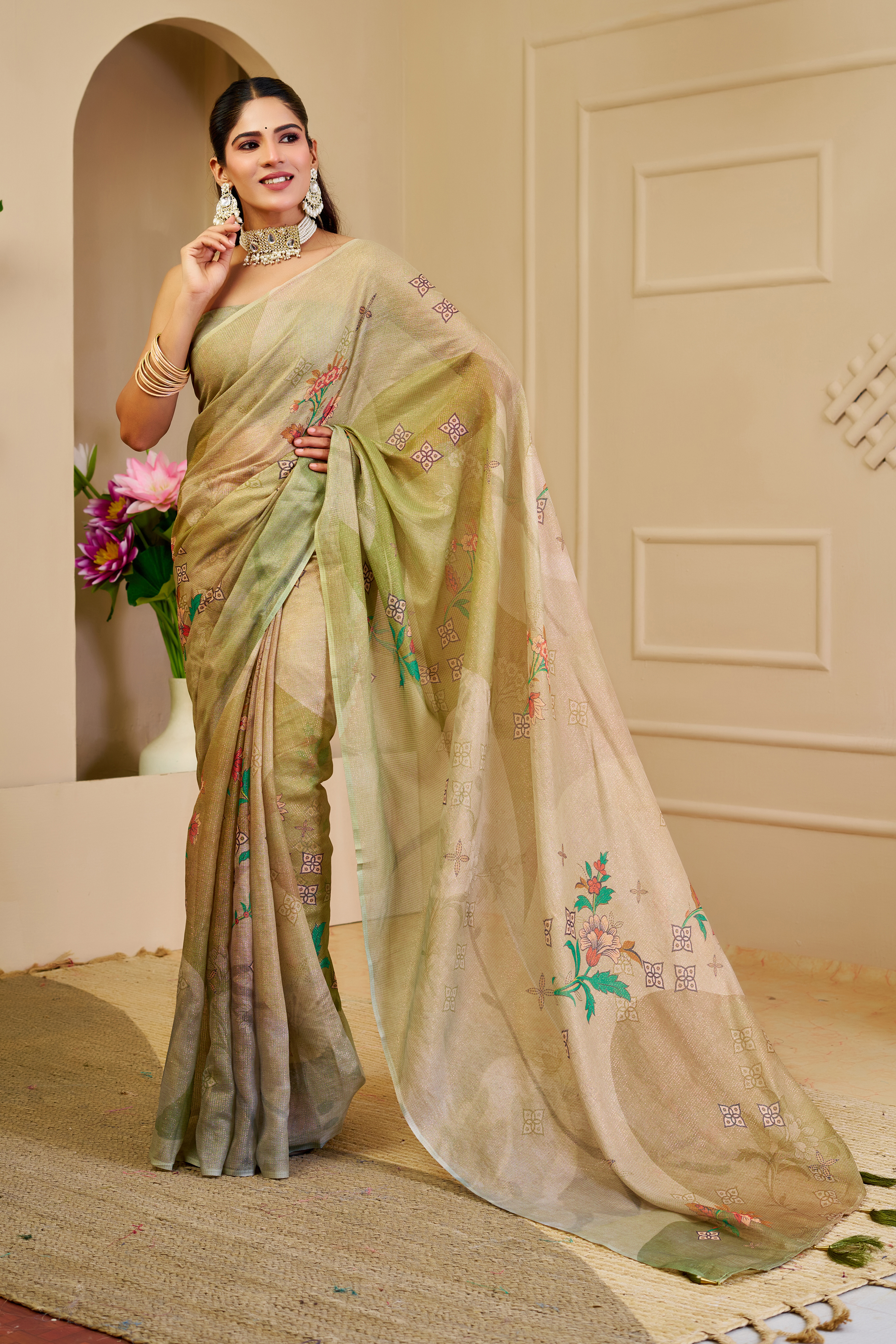
Teal Green Tissue Handloom Cotton Saree With Printed Pallu demonstrates how a festive saree can retain a relatively airy handloom character. Emerald Green Tissue Cotton Saree With Digital Floral Print also suits a parent who wants visible print and colour without depending entirely on heavy zari. Cotton tissue can still snag, so a child's metal toy, rough bag clasp or hook should be kept away from the pallu.
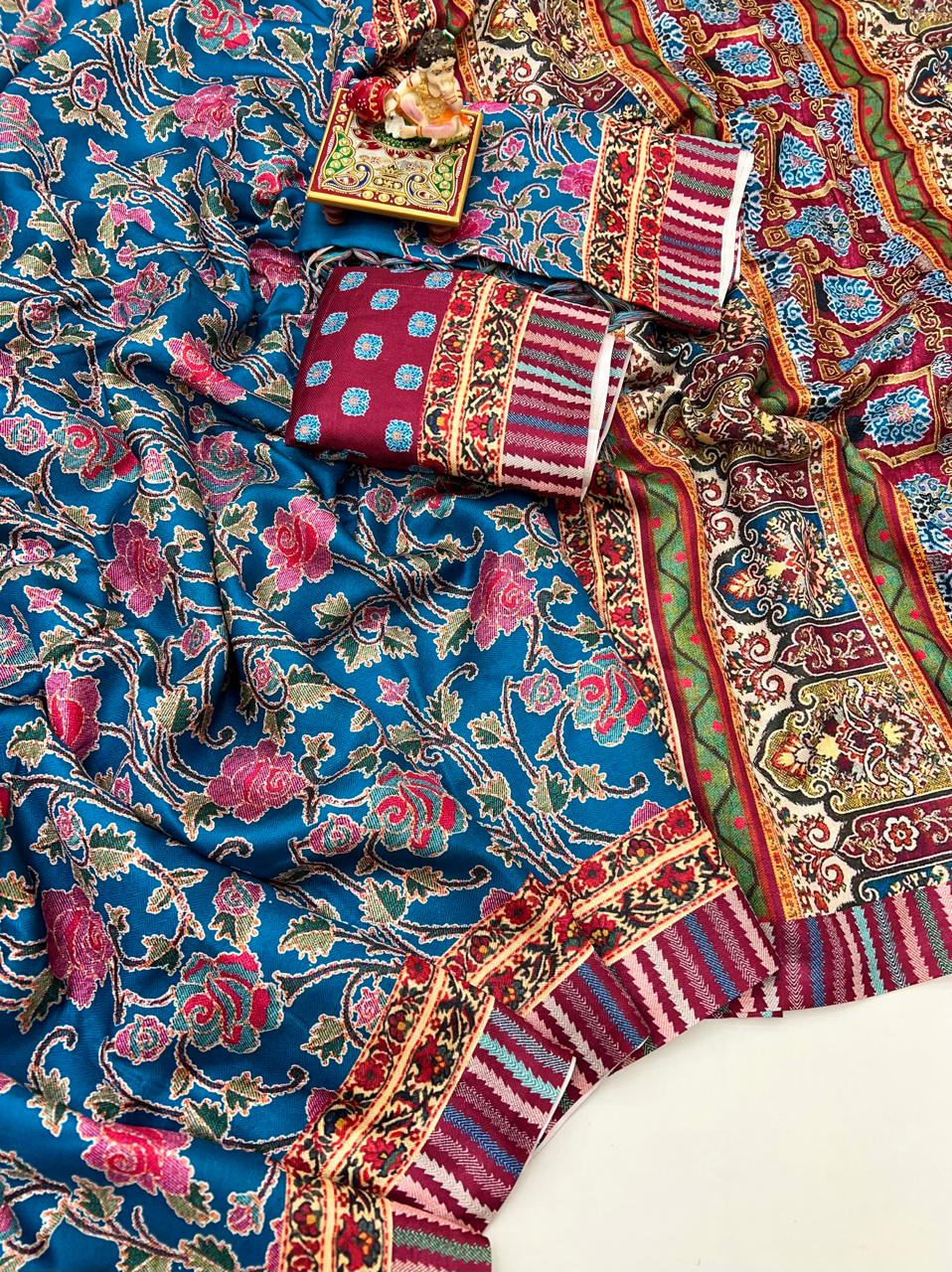
Linen cotton is particularly useful for a long wedding day because the fabric usually feels cooler than many synthetic blends. Wine Linen Cotton Floral Print Saree with Art Border can be styled with a compact blouse and a pallu secured at the shoulder. Mild creasing is part of linen's appearance. The wearer doesn't need to treat every fold as an emergency while looking after a child.
Maslin silk and Chinon have different advantages. Maslin silk can provide a fluid, elegant drape with a lighter visual effect than some traditional silks, while Chinon often creates a soft, flowing silhouette. Both fabrics need secure pinning around a young child because loose lengths can catch on furniture, stroller wheels or a child's hands.
Dressing for a Family Wedding With Children Under Five: how can a saree stay secure?
A saree stays safer during childcare when the pleats are evenly anchored, the pallu is pinned at the shoulder and the lower edge stops clear of the floor.
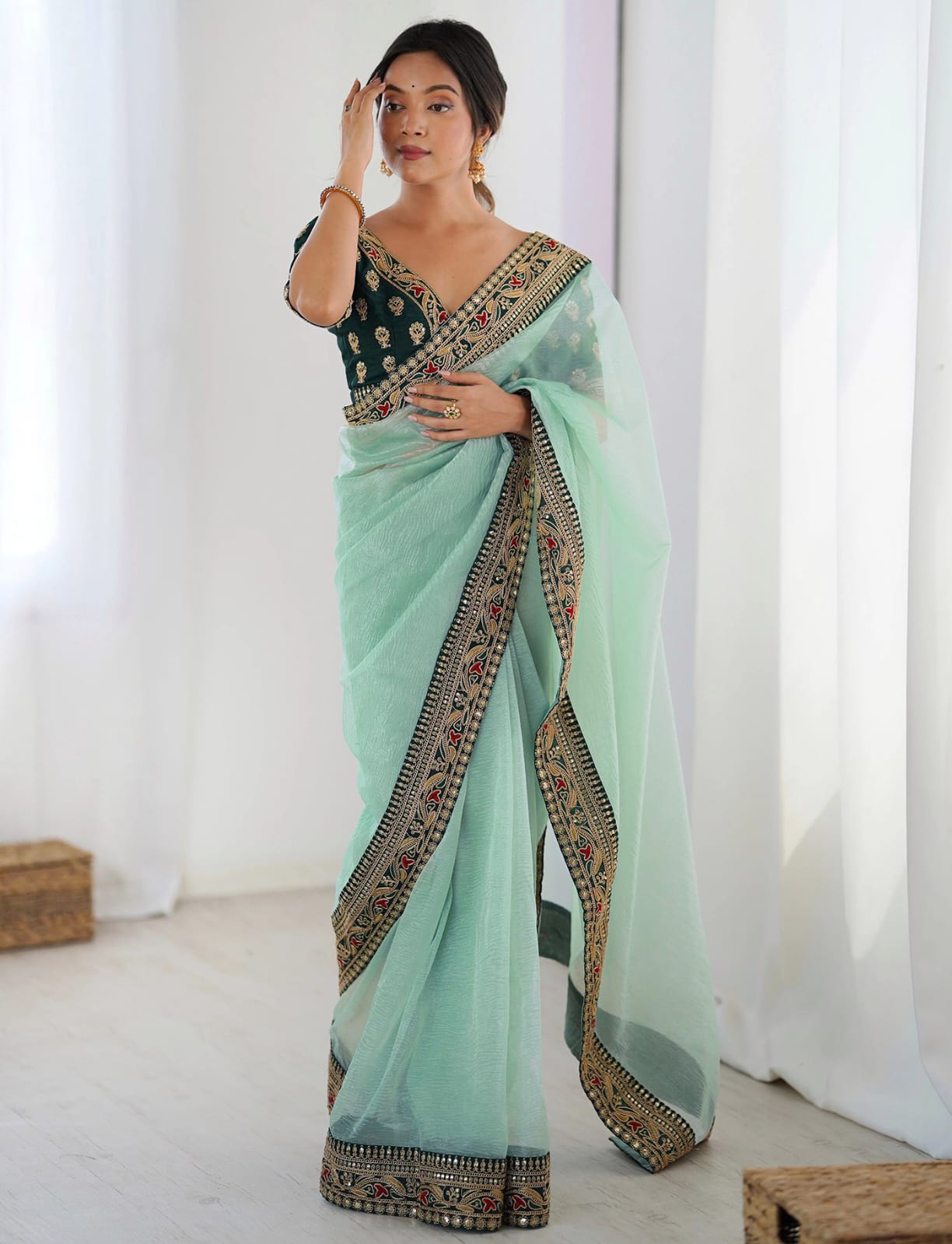
Make the pleats narrow enough to remain together but not so tight that walking becomes difficult. Four to six concealed safety pins can provide useful stability: two at the pleat waistline, one behind the pallu shoulder fold, one near the blouse shoulder and optional pins at the side seam. Pins should be placed from the inside wherever possible, with sharp ends facing away from the child's body.
A pre-stitched or semi-stitched drape can reduce the risk of loose pleats during a long ceremony. A petticoat with a firm but comfortable waistband is equally important because a slipping base layer causes repeated adjustments. Avoid very long pallu ends when a child is likely to pull, chew or wrap the fabric around a hand.
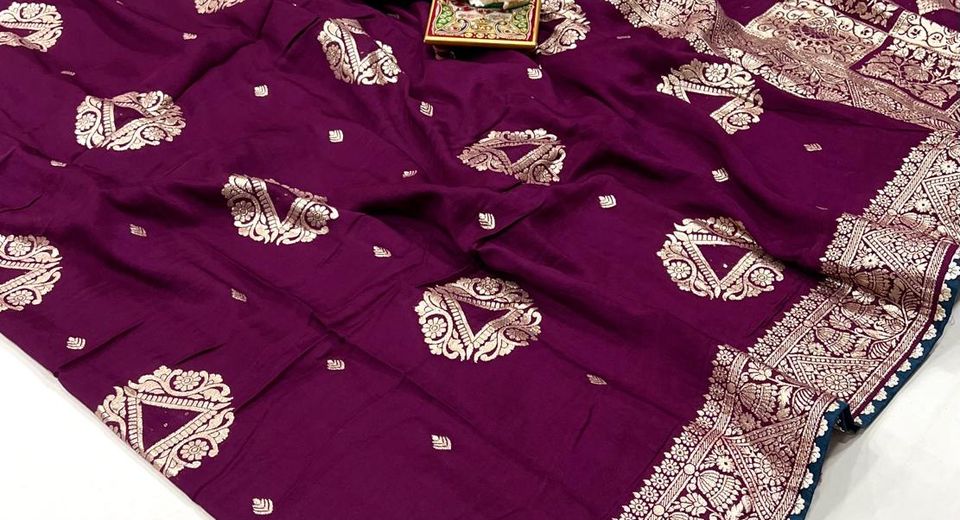
Wedding Wear Wine Purple Maslin Silk Saree can work for an evening function when the pallu is shortened and anchored close to the shoulder. Royal Mustard Bloom Banarasi Silk Saree is better suited to a structured, less physically demanding part of the celebration unless the wearer has tested the drape while walking, sitting and lifting a child.
Parents who regularly carry children may prefer a saree with a smaller border over a very stiff zari edge. A heavy border can press against a child's legs during carrying and can make the saree resist natural movement. Zari details remain practical when they're concentrated on the pallu or border rather than spread across every panel.
Dressing for a Family Wedding With Children Under Five: are suits and shararas easier?
Salwar suits, palazzo suits and controlled shararas are often easier than sarees for parents who expect frequent walking, floor sitting or lifting.
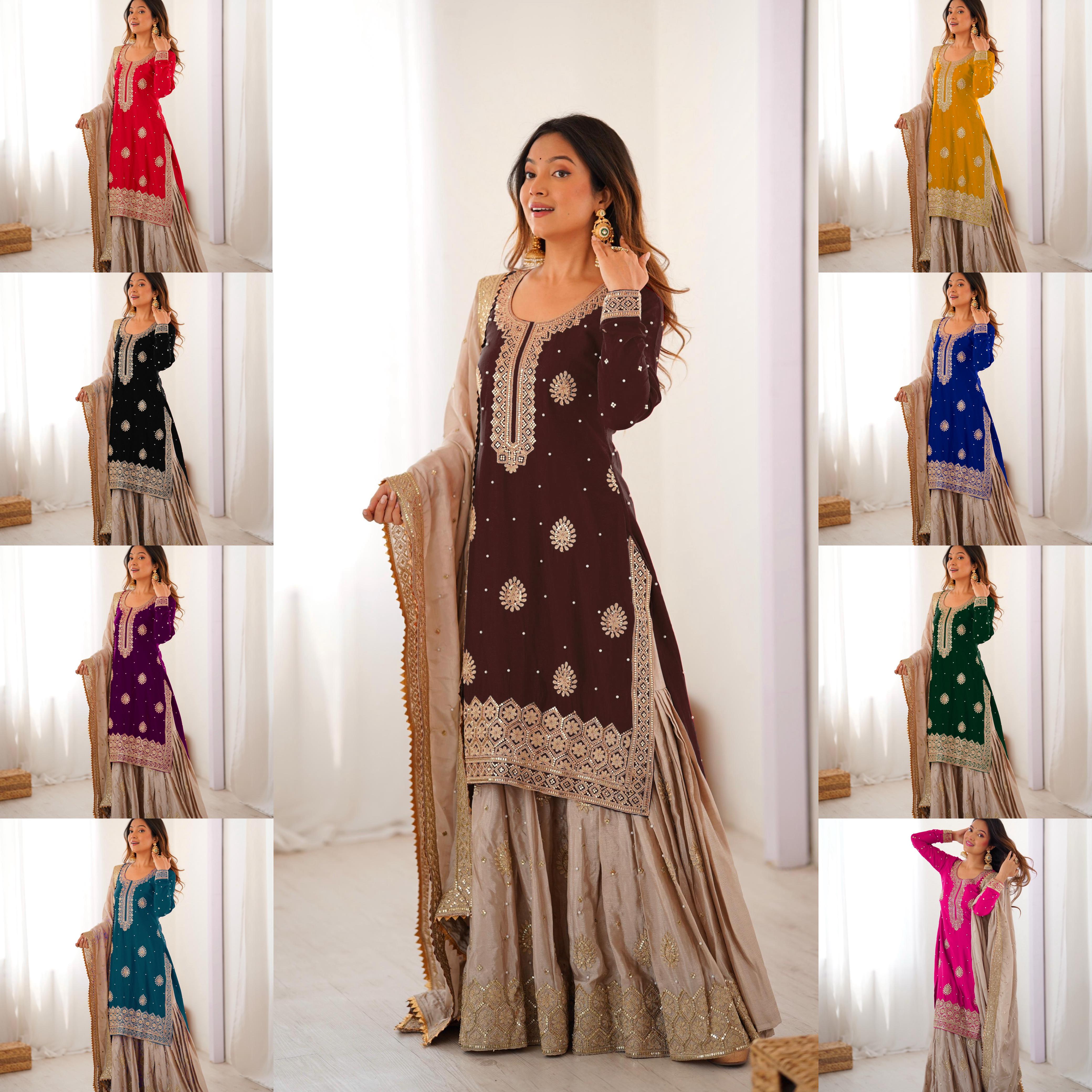
A palazzo suit gives the leg room of trousers while retaining the visual formality of Indian occasion wear. Choose a palazzo hem that stays at least 2 to 3 centimetres above the floor when worn with the intended footwear. Excess fabric can become a trip hazard around stairs, low seating and children's toys.
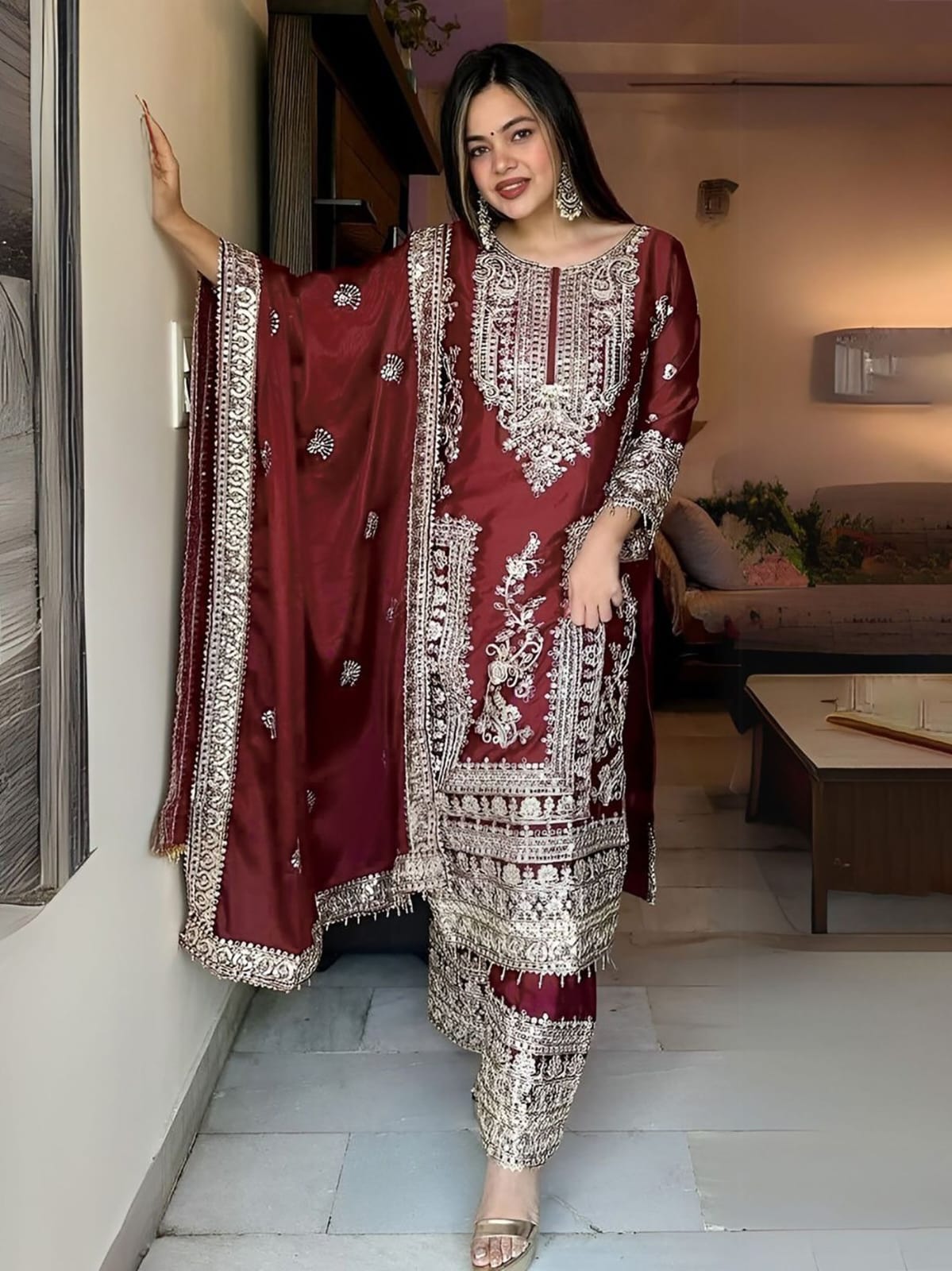
Maroon Wedding Wear Embroidered Palazzo Suit Set provides an useful evening-wedding direction because embroidery can create occasion impact without requiring a long, loose skirt. Check whether the dupatta is wide enough to sit securely on one shoulder and whether the trouser waistband remains comfortable when seated for 30 minutes or longer.
Brown Chinon Silk Sharara Suit Set for Women brings a softer, more fluid silhouette for a sangeet or reception. A sharara needs particular attention at the hem: wide flares should not drag, catch under a chair or cover a child's toy. A shorter kurta or an ankle-length inner layer can keep the outfit festive while making movement easier.
A dupatta can be worn in a controlled front drape, pinned at both shoulders or converted into a narrow stole. Avoid placing a long, unpinned dupatta across the front when carrying a child because a small hand can pull the fabric and disturb the neckline. Lightweight chiffon, georgette and soft cotton dupattas are usually easier to secure than dense velvet or heavily bordered pieces.
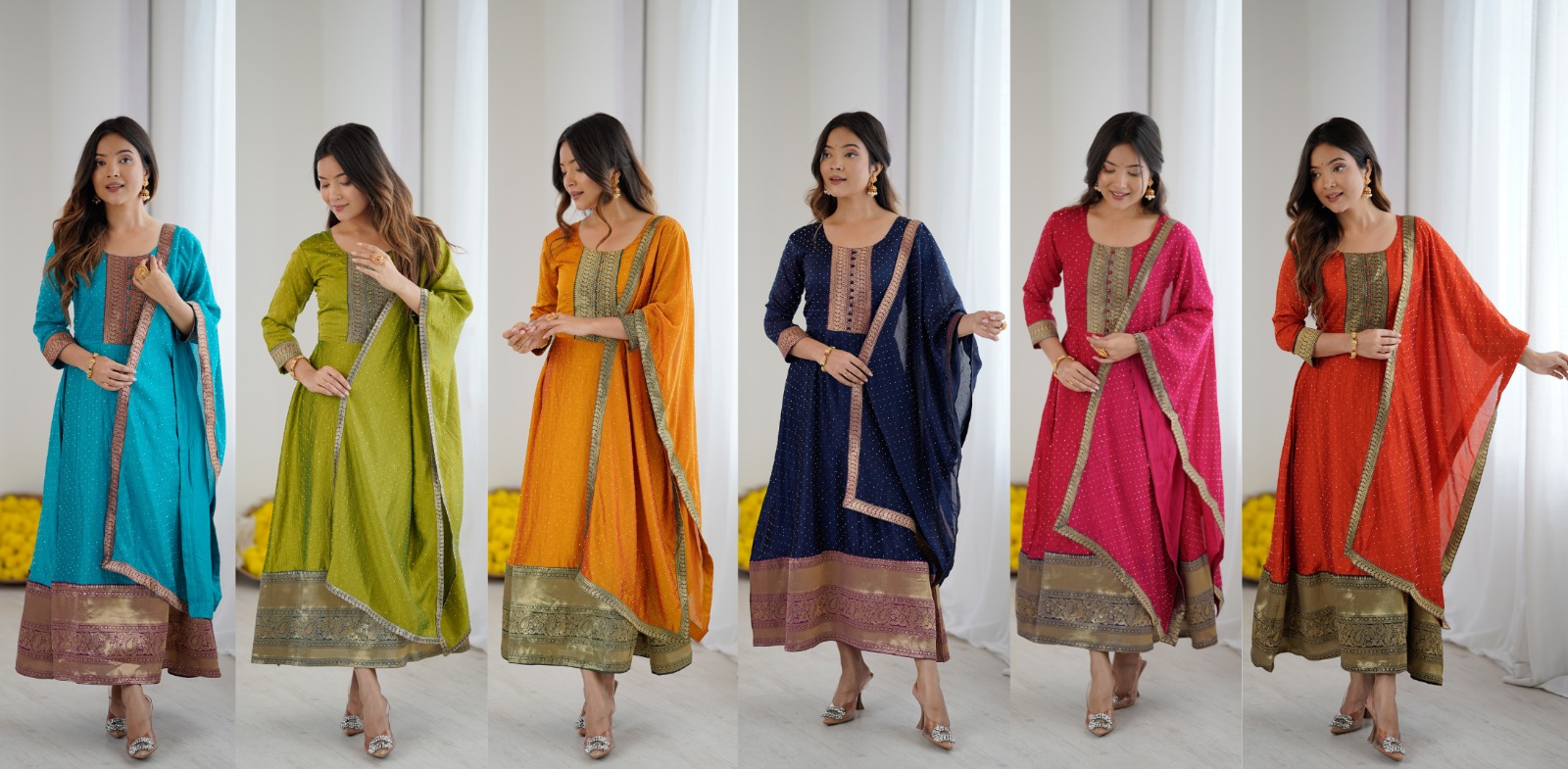
Vichitra Jacquard Woven Gown Dupatta Set suits a different level of movement. A gown silhouette may feel effortless when standing. But the wearer should check the sweep while climbing steps and sitting on a low sofa. A full skirt or gown should never be so long that a child can step on the back hem.
Dressing for a Family Wedding With Children Under Five: which footwear and accessories are safest?
Low block heels, embellished juttis, cushioned sandals and secure flats are safer choices than narrow stilettos or backless footwear when supervising a young child.
A heel between 2 and 5 centimetres usually gives some height without seriously limiting balance. Test footwear indoors for at least 20 minutes before the wedding, including stairs and quick turns. New shoes should be softened before the event because blisters can turn a formal outfit into a mobility problem.
Accessories should have secure closures and smooth surfaces. Small hoop earrings, lightweight chandbalis, short necklaces and bracelets with box clasps reduce the chance of a child grabbing a dangling piece. Avoid long tassels, sharp hairpins and oversized brooches near a child's face or hands.
A compact crossbody bag can be more functional than a handheld potli when both hands may be needed. Keep the bag strap short enough to avoid swinging into a child, and place emergency items in separate compartments. A phone, tissues, stain-removal wipe, plasters, hair ties and one small snack can cover many common interruptions.
Dressing for a Family Wedding With Children Under Five: how should outfits change by ceremony?
Haldi outfits should prioritise washable or replaceable layers, while wedding and reception outfits can use more delicate fabric and detailed embellishment.
Yellow turmeric paste can permanently mark silk, zari, velvet and some synthetic dyes. For a Haldi ceremony, choose a cotton kurta set, a washable cotton saree or an inexpensive outer layer over the main outfit. Keep expensive jewellery and trailing dupattas away from areas where guests apply turmeric. A spare blouse or plain inner top can be more useful than an additional decorative accessory.
A daytime wedding benefits from breathable colour and a manageable drape. Teal green, emerald green, wine, maroon and mustard can all photograph strongly without requiring heavy embellishment. A thin cotton lining can improve comfort under a translucent saree without adding the heat of multiple thick layers.
An evening reception allows more texture and shine. Banarasi silk, maslin silk, jacquard, embroidery and restrained zari can look appropriate under indoor lighting. Parents should still avoid trailing sleeves, floor-length hems and detachable ornaments that can come loose while carrying a child.
For a sangeet, a palazzo suit or sharara is useful because the wearer can walk, sit and join light dancing without managing saree pleats. For a formal wedding ceremony, a firmly pinned saree or a tailored suit can provide a more heritage appearance. For a reception, a gown-style set works when the hem has been checked against stairs and low seating.
Dressing for a Family Wedding With Children Under Five: what should the emergency kit contain?
A wedding emergency kit should contain stain wipes, safety pins, hair ties, plasters, tissues, a spare child-sized snack and one compact clothing change for the child.
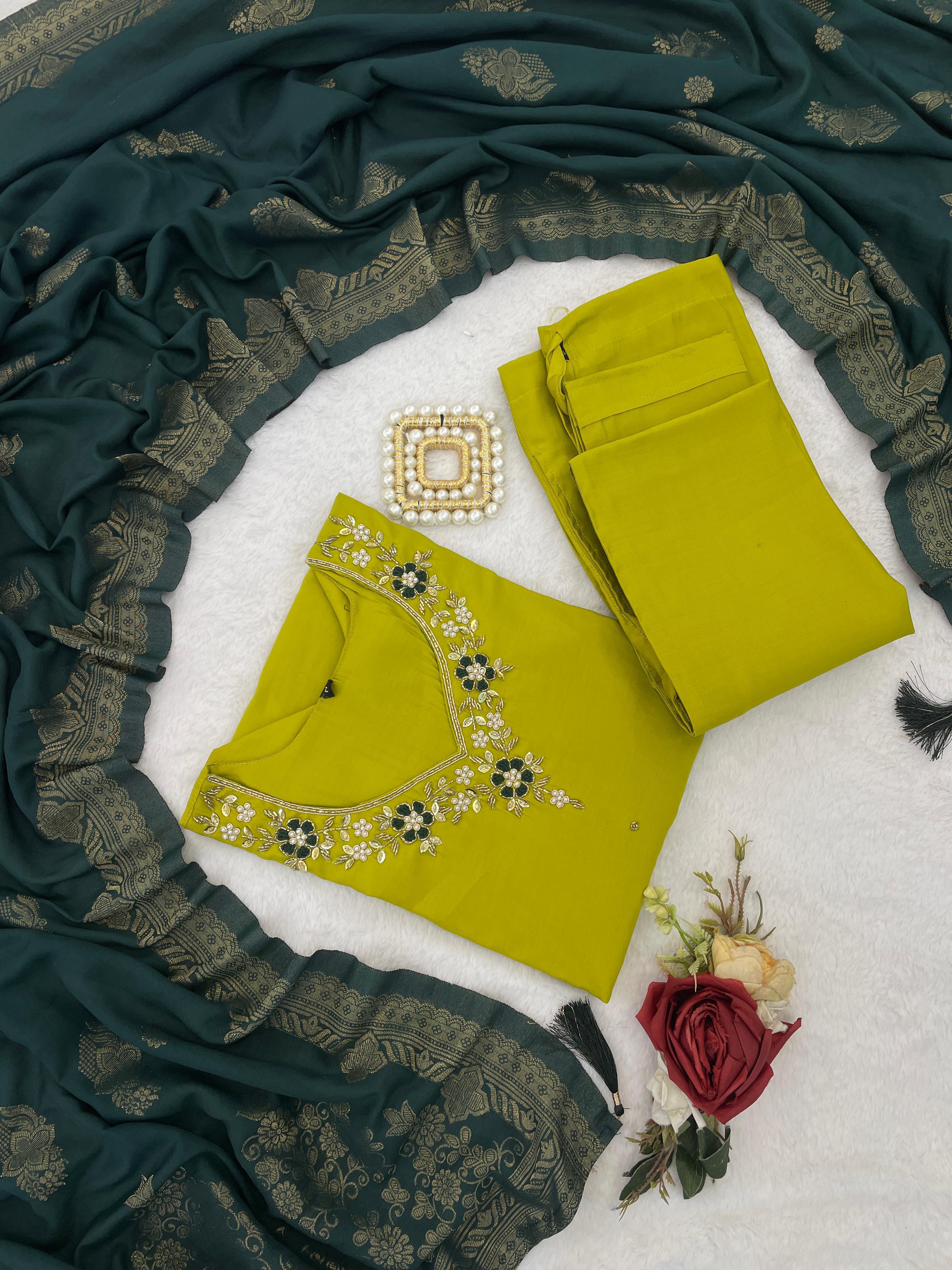
Pack at least six safety pins in two sizes, a small roll of transparent fashion tape and two spare blouse hooks or garment fasteners. A clean muslin cloth can protect a shoulder from food spills, wipe a child's hands or provide a temporary cover while feeding. Stain wipes should be tested on a hidden area before the wedding because some dyes react badly to cleaning chemicals.
Carry a spare pair of comfortable flats if the main footwear is decorative. Parents wearing a saree can add one extra pallu pin and a folded handkerchief to the bag. Parents wearing a sharara or gown should carry a small clip or elastic in case a dupatta or loose sleeve becomes inconvenient.
Keep the emergency kit with the adult who will actually supervise the child, rather than leaving it in a distant car or hotel room. If another family member can take over for 20 minutes, the primary caregiver can use that break to eat, hydrate and reset the outfit before photographs.
Dressing for a Family Wedding With Children Under Five: what final checks matter?
The final check should test the complete outfit in motion, not only in front of a mirror.
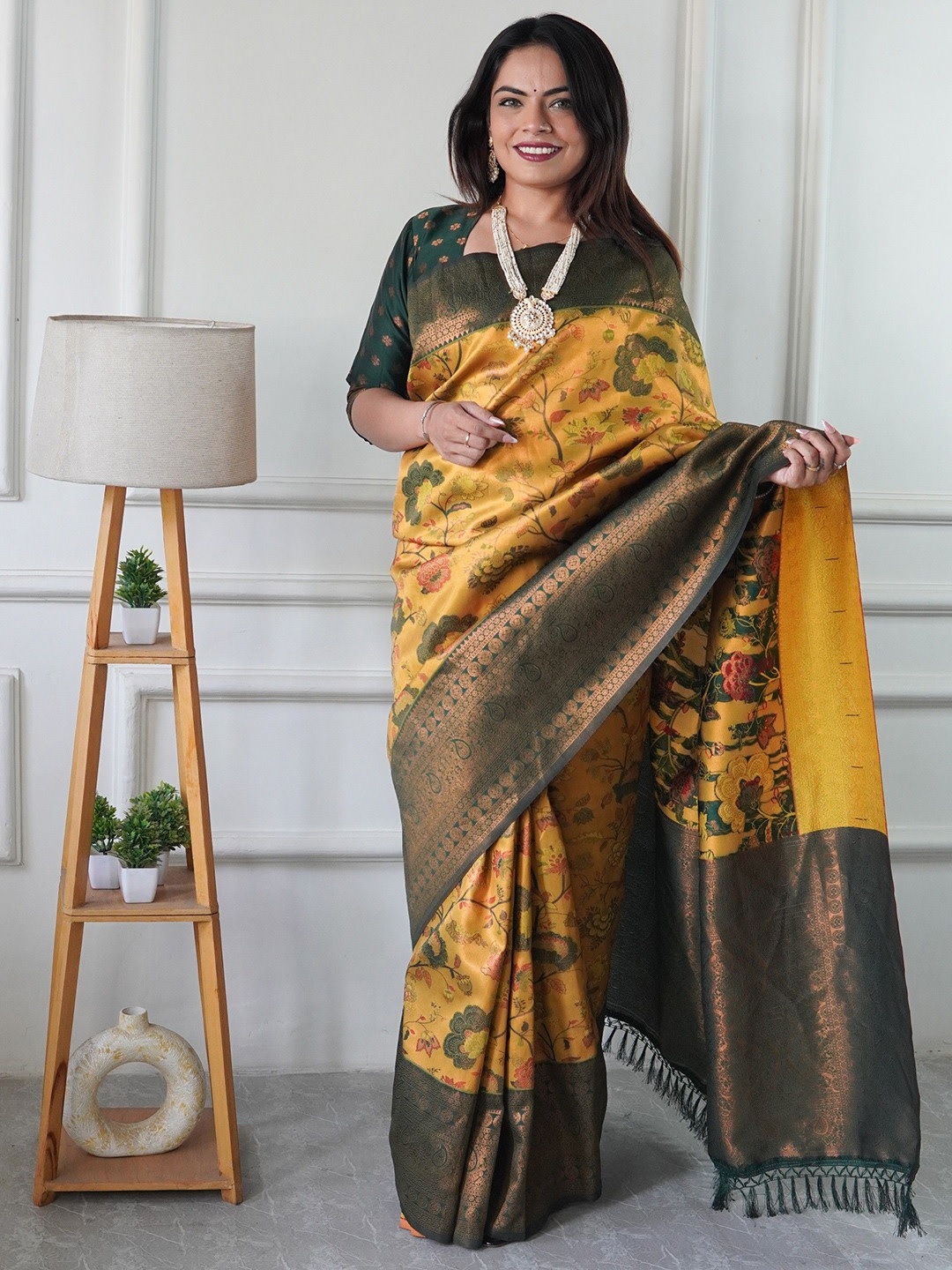
Wear the full ensemble at home and perform five actions: sit on a low chair, bend to pick up a toy, walk up stairs, raise both arms and carry a similarly weighted bag. Check whether the blouse pulls, the dupatta slides, the hem catches underfoot or jewellery hits the child. This ten-minute test can reveal problems that a standing mirror can't.
Photograph the outfit from the front, side and back in the shoes intended for the wedding. A rear view often shows a dragging pallu or a gown hem that appears manageable from the front. Mark the safest pin positions before the event and avoid changing the drape at the venue unless necessary.
The most successful festive outfit gives a parent enough freedom to respond quickly without sacrificing personal style. Breathable fabric, secure construction, sensible footwear and a prepared emergency kit matter more than wearing the heaviest embroidery available. A family wedding should leave room for photographs, conversation and care without making the clothing the day's main problem.
Practical Questions About Dressing for a Family Wedding With Children Under Five
What is the most comfortable Indian outfit for a mother attending a wedding with a toddler?
A palazzo suit, tailored salwar suit or securely pinned lightweight saree is usually the most comfortable choice. Breathable cotton blends, linen cotton, Chanderi and lightweight silk blends allow movement while remaining festive.
Can I wear a saree when I need to carry a child under five?
You can wear a saree when the pleats, pallu and lower hem are securely controlled. Use a firm petticoat, four to six concealed pins and a pallu that does not hang within easy reach of the child.
What should I wear to a Haldi ceremony with a young child?
Wear washable cotton or a replaceable outer layer rather than delicate silk, velvet or heavily embellished zari. Turmeric can permanently stain many fabrics, so keep expensive jewellery and trailing dupattas away from the application area.
Are shararas practical for parents at a wedding?
Sharara suits are practical when the flare is short enough to stay clear of the floor and the dupatta is pinned securely. Test the outfit on stairs, low seating and while bending before wearing it to the wedding.
Which wedding shoes are safest when supervising a preschooler?
Cushioned flats, embellished juttis, secure sandals and low block heels between 2 and 5 centimetres are generally safest. Break in new shoes before the event and avoid backless footwear that can slip during quick movement.
What should I carry in an emergency kit for a wedding with a toddler?
Carry stain wipes, tissues, safety pins, hair ties, plasters, a snack, a muslin cloth and a spare child outfit. A backup pair of flats and one extra pallu or dupatta pin are also useful for the supervising adult.