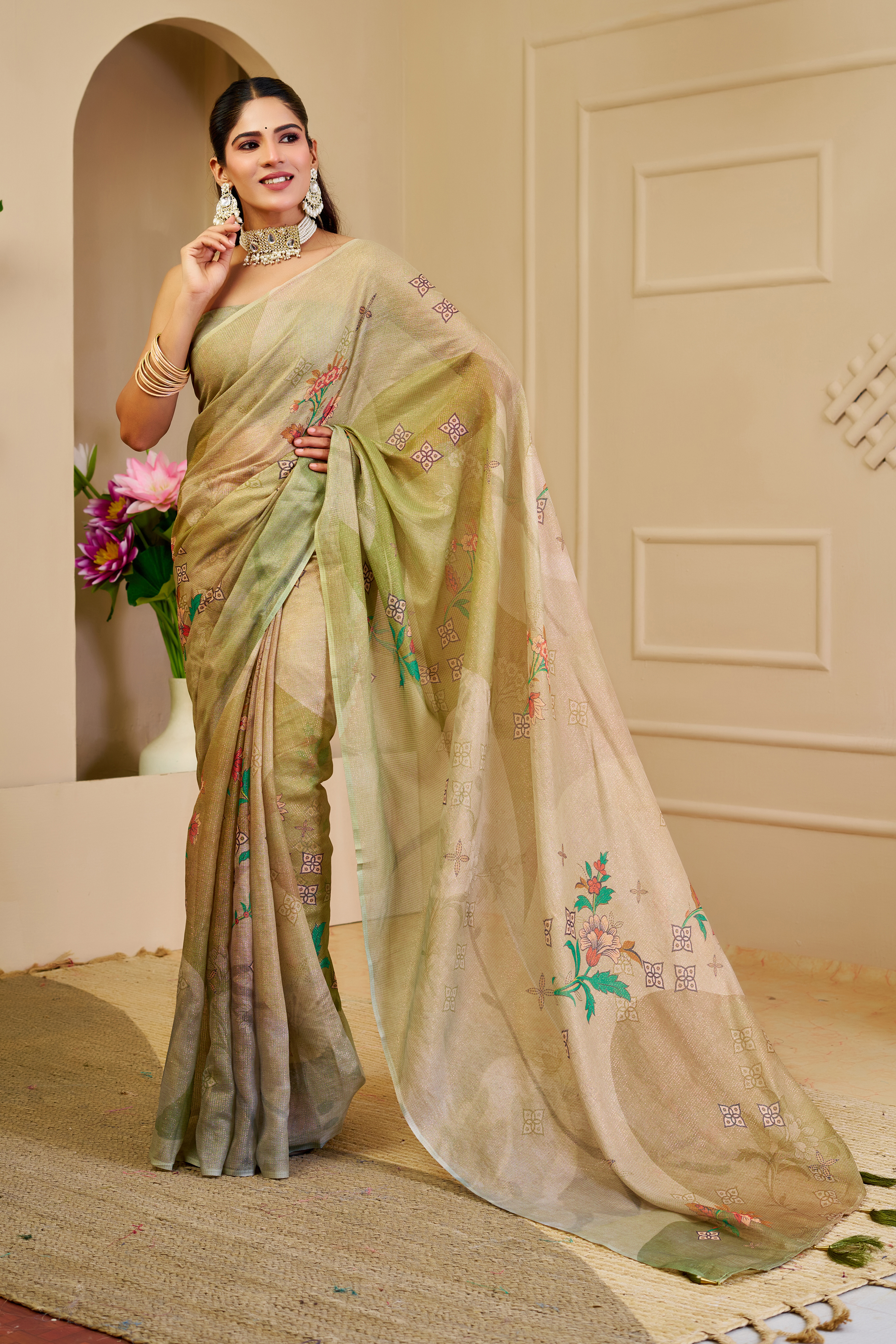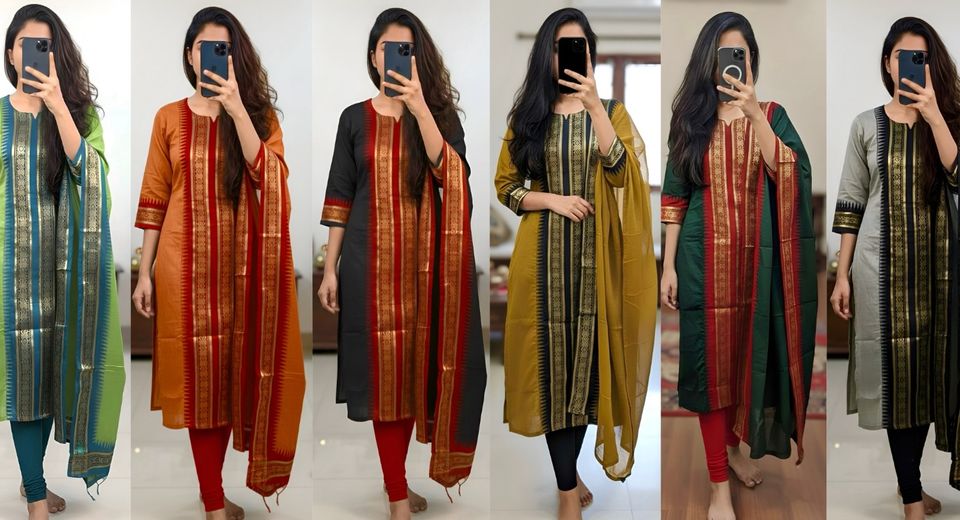
When the temperature stays high after sunset, clothing colour becomes a practical comfort decision rather than a small styling preference. Cotton Kurtis for Heatwaves When Dark Colours Are Uncomfortable work especially well when the shade, weave, fit and dupatta are chosen together. A pale cotton kurti can reduce the visual heaviness of an outfit, while a loose silhouette allows air to move around the body and a lightweight dupatta prevents unnecessary layers from trapping heat.
Indian summer dressing also has to cover commuting, indoor cooling, perspiration and repeated washing. The most comfortable salwar suit is therefore not just the thinnest one. A fabric that's too complete, a tight armhole or a dense synthetic lining can cancel out the benefit of a light colour. The sections below explain how to judge the complete outfit before buying or styling it.
Why Light Colours Feel More Comfortable in Severe Heat
Light colours generally absorb less solar radiation than dark colours, so they can feel less hot in direct sunlight. White, ivory, cream, pale yellow, soft blue and muted pink reflect more visible light, whereas black, navy and deep maroon absorb more of the sun's energy and may become warmer at the surface.
Colour alone doesn't determine body temperature. A loose navy cotton kurta can feel cooler than a fitted polyester top, particularly indoors, because cotton manages moisture differently and the loose cut permits airflow. A pale kurti with a dense weave, heavy lining or multiple layers can also feel warm. Treat colour as one part of a heatwave wardrobe rather than a substitute for breathable construction.
Very pale clothing can reveal perspiration more quickly, especially around the neckline and underarms. Mid-light shades such as butter yellow, powder blue, sage, dusty rose and soft beige often provide an useful balance between visual lightness and everyday practicality. Small woven motifs, tonal borders or a restrained print can also make marks less conspicuous without creating a dark overall appearance.
Cotton Kurtis for Heatwaves When Dark Colours Are Uncomfortable: What to Check
The best heatwave cotton kurti usually has a breathable fabric, enough ease through the torso, a comfortable armhole and minimal unnecessary layering. These four checks are more useful than judging a garment by colour alone.
Read the fabric and weave
Cotton feels cooler when air can move through its structure and moisture can evaporate from the surface. Lightweight plain weaves, fine handloom-style textures and open jacquard structures may feel more breathable than dense, heavily coated fabrics. Cotton can wrinkle more readily than synthetic fibre, but that natural rumpling isn't evidence of poor quality.
Look for the fabric composition, lining details and care instructions before assuming that a garment is pure cotton. The phrase "pure salwar suits" should describe a verified fibre composition, not merely a summery appearance. If a product description doesn't clearly state the composition, ask before purchasing, particularly when sensitivity to heat is the main reason for buying.
Check fit at the points that trap heat
A heatwave-friendly kurti needs room at the bust, waist, upper arm and underarm without looking shapeless. Measure a familiar cotton kurta flat across the chest and compare that measurement with the size chart. An extra 5 to 8 centimetres of garment ease can make movement more comfortable, although the right amount depends on the cut and personal preference.
Three-quarter sleeves can protect the arms while remaining cooler than close-fitting full sleeves. Side slits improve stride and ventilation, while a straight or gently flared shape avoids the concentrated fabric around the hips that some gathered silhouettes create. A very deep neckline isn't required for airflow; a comfortable neckline and non-constricting armhole matter more.
Choosing Pale Shades Without Losing a Polished Ethnic Look
Pale yellow, cream, white, powder blue and light pistachio create a visibly cooler palette while still supporting traditional details such as zari, woven borders and printed dupattas. The most wearable combination usually pairs one light dominant colour with a slightly deeper accent rather than making every component the same shade.
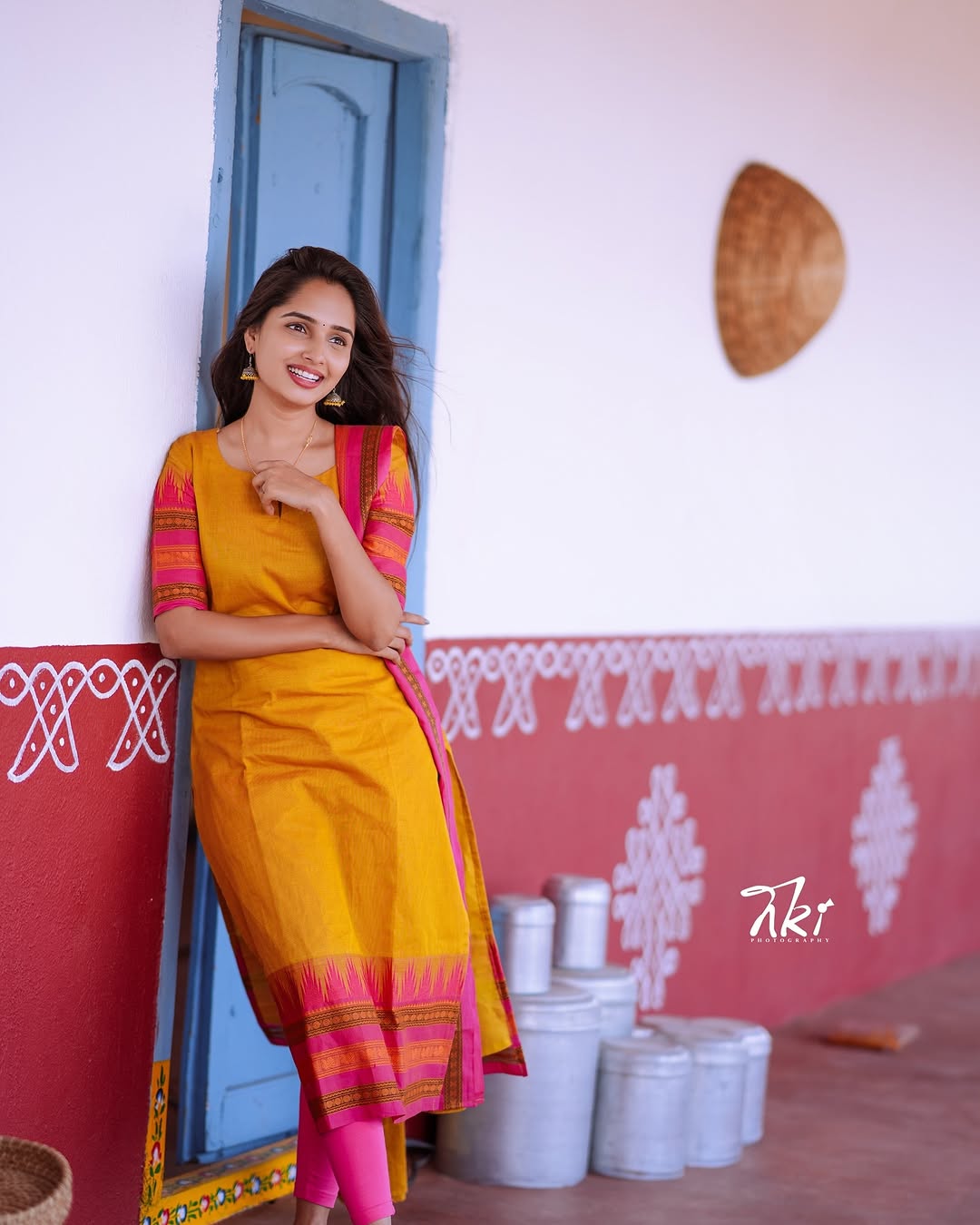
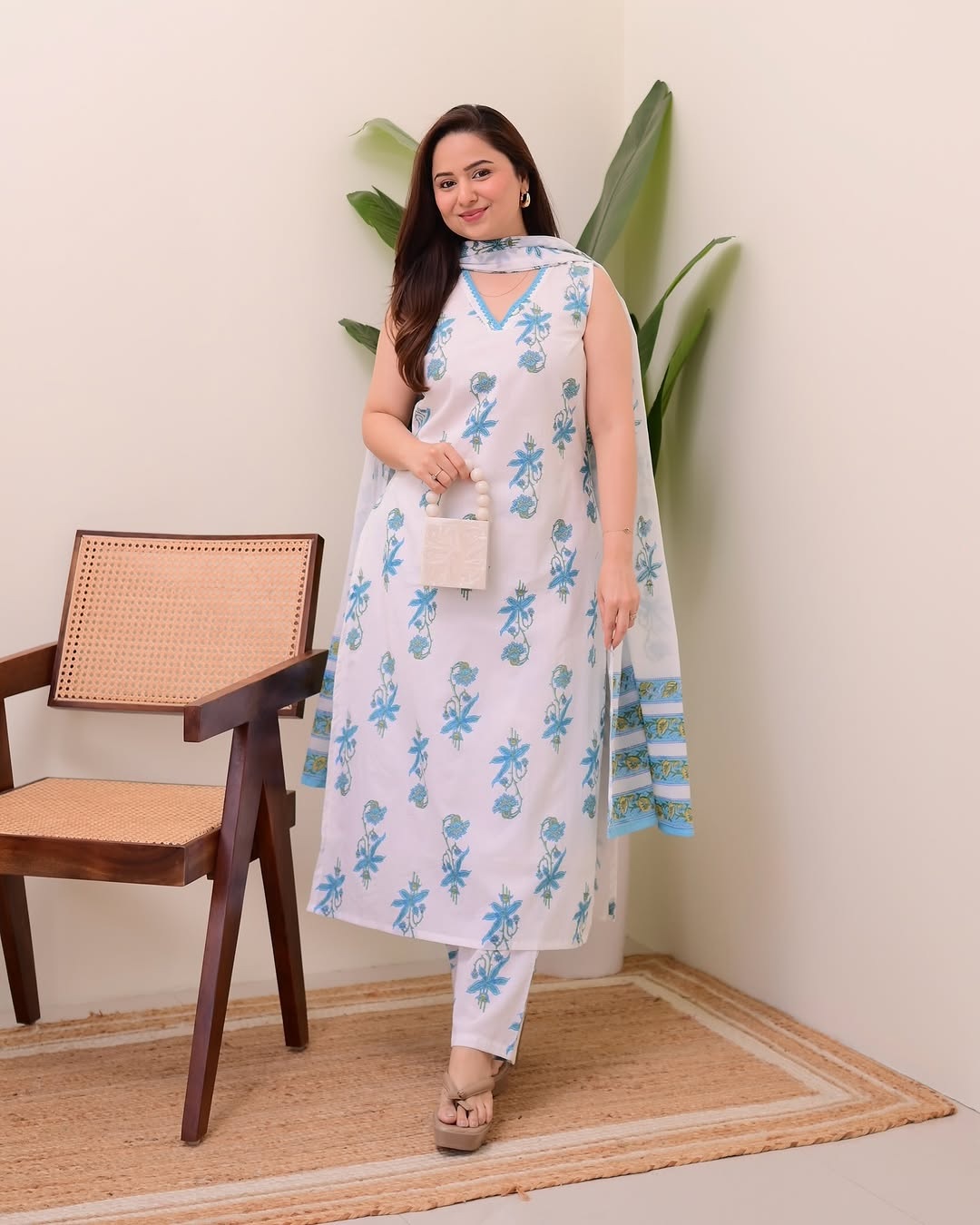
Classic Yellow Cotton Kurti Set with Woven Dupatta demonstrates why warm light colours work well for summer dressing. Yellow reflects brightness and photographs well in daylight, while a woven dupatta adds definition around the neckline without requiring heavy embroidery. For a quieter office palette, ivory or cream can be paired with muted blue, tan or sage accessories.
Blue doesn't have to mean navy. Powder blue, cornflower blue and faded denim blue retain the calming quality associated with blue without creating the visual weight of a very dark shade. Blue Ethnic Cotton Kurti Set with Zari Work offers an useful styling reference: zari can supply festive interest while the cotton base keeps the outfit rooted in daytime ethnic dressing.
Small contrasts are often more flattering and practical than a completely pale outfit. A light kurti with a medium-tone dupatta, a cream set with a printed border or a pale blue ensemble with antique-gold detailing gives the eye a focal point. These combinations also make the outfit easier to rewear with separate trousers, leggings or dupattas.
How the Dupatta Changes Heat and Movement
A dupatta feels cooler when it's lightweight, wide enough to drape without repeated adjustment and made from a fabric that doesn't cling heavily to the body. The most comfortable drape for a hot commute is often a single loose fall over one shoulder or a relaxed front drape rather than tight wrapping around the neck.
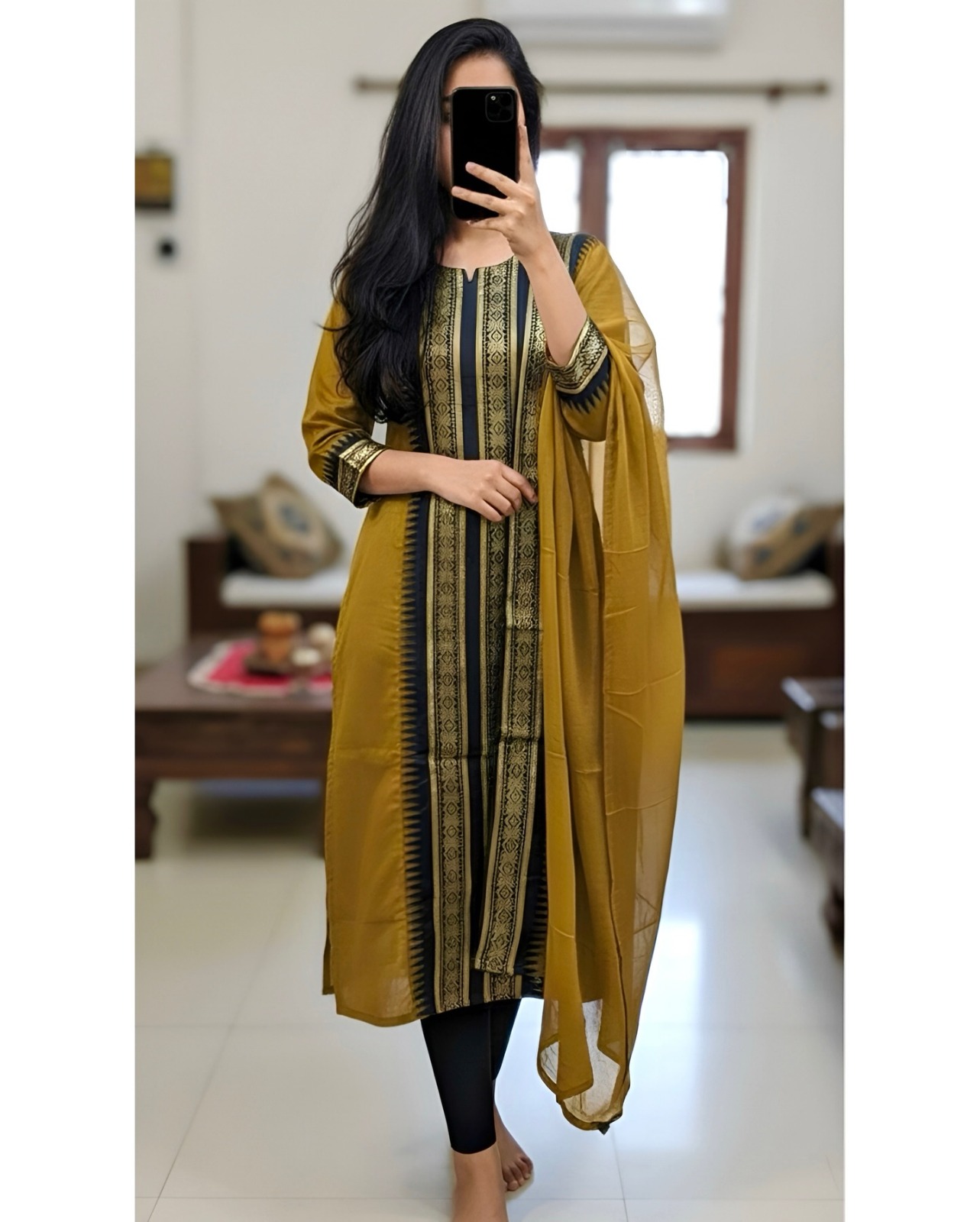
A dense dupatta can add a surprising amount of heat even when the kurti is cotton. Zari-woven borders, jacquard textures and lined fabrics create visual richness, but they may feel heavier than a plain cotton or fine woven option. Reserve the densest dupattas for shorter indoor events when possible, and choose a simpler breathable layer for long travel or outdoor errands.
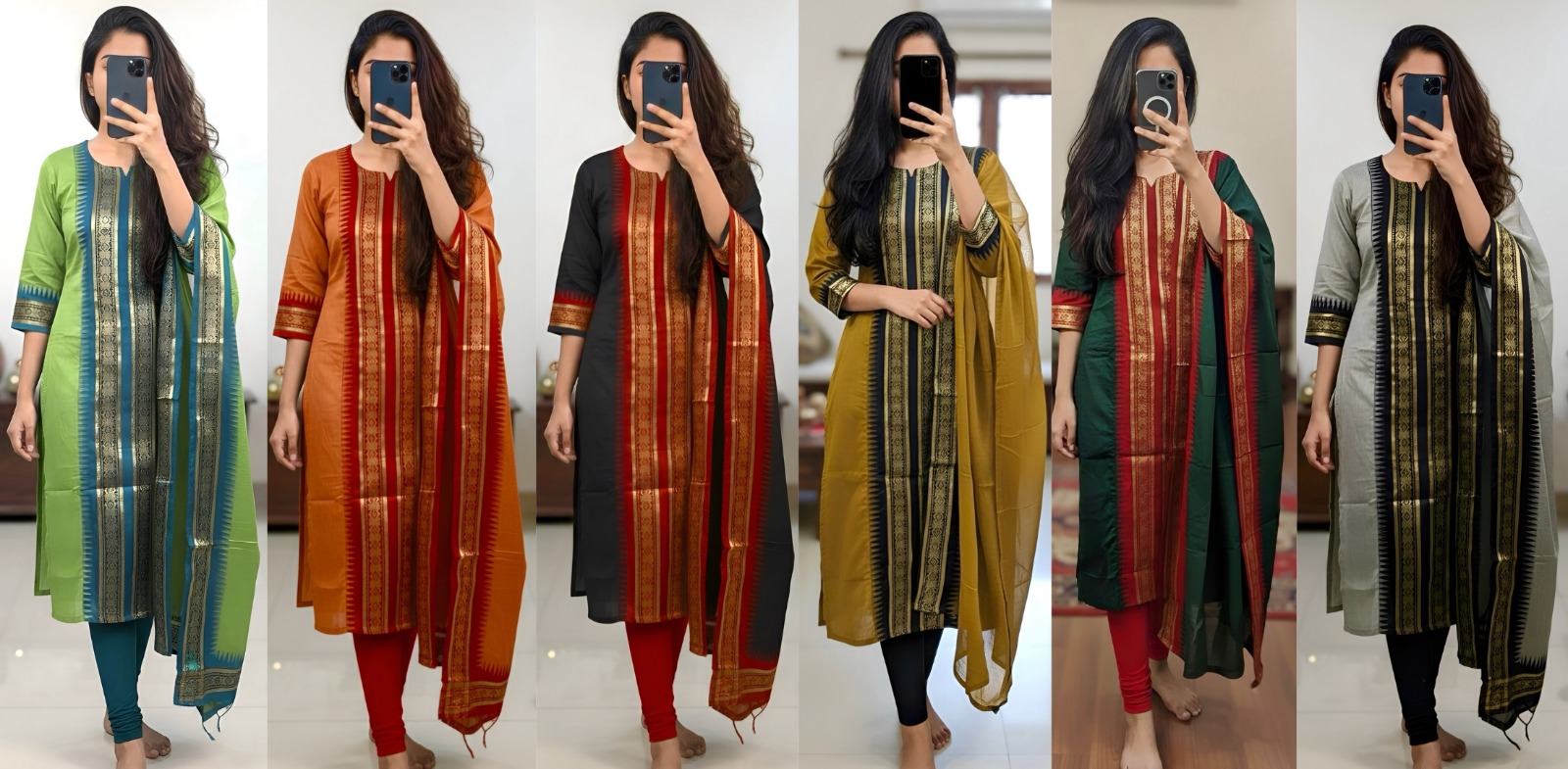
Kanchi Cotton Jacquard Kurti Dupatta Set Online shows how a textured cotton set can look structured without depending on dark colour. The texture itself supplies interest, so the rest of the styling can remain simple: low-profile sandals, a small tote and minimal metal jewellery prevent the outfit from becoming visually or physically crowded.
Classic detailing can be balanced through placement. A zari border concentrated at the edge of a dupatta usually feels less warm than all-over metallic work, while a woven motif may be more comfortable than dense raised embroidery. Kanchi Cotton Zari Woven Kurti Set with Time-honoured Dupatta can suit a family lunch or daytime celebration when the dupatta is draped loosely rather than wrapped several times.
Everyday Cotton Sets for Work, Travel and Social Plans
A cotton salwar suit becomes easy to wear repeatedly when its colour, silhouette and care requirements match the setting. Office dressing often benefits from a straight kurta, restrained print and thin-light shade. Travel calls for side slits, comfortable trousers and a dupatta that stays in place. A lunch or small ceremony allows more texture, zari or a myriad-inspired weave.

Vertical Cotton Straight Kurta Set with Dupatta is an useful example of a lengthwise visual line. Vertical arrangement can make a straight silhouette appear more streamlined without requiring a narrow, restrictive fit. The same principle works with a long pendant or a narrow border, but avoid piling on accessories in humid weather because metal resting against damp skin can become uncomfortable.
The collection Kolkata Cotton Salwar Suits is relevant when an airy, everyday direction matters more than heavy occasion dressing. Bengali Cotton Salwar Suits can also inspire a softer regional palette, especially when paired with light cotton dupattas and simple sandals. These references are valuable because they treat cotton as a complete design language rather than as a plain substitute for embellished fabric.
For a tighter budget, Cotton Salwar Suits Under 2000 Rupees can be an useful search direction, but price should not replace construction checks. Confirm whether the set includes the dupatta, inspect the stated fabric composition and compare measurements. A lower-priced cotton suit that can be machine washed and worn often may offer better value than an elaborate set that requires frequent specialist care.
Styling Cotton Kurtis Without Adding Heat
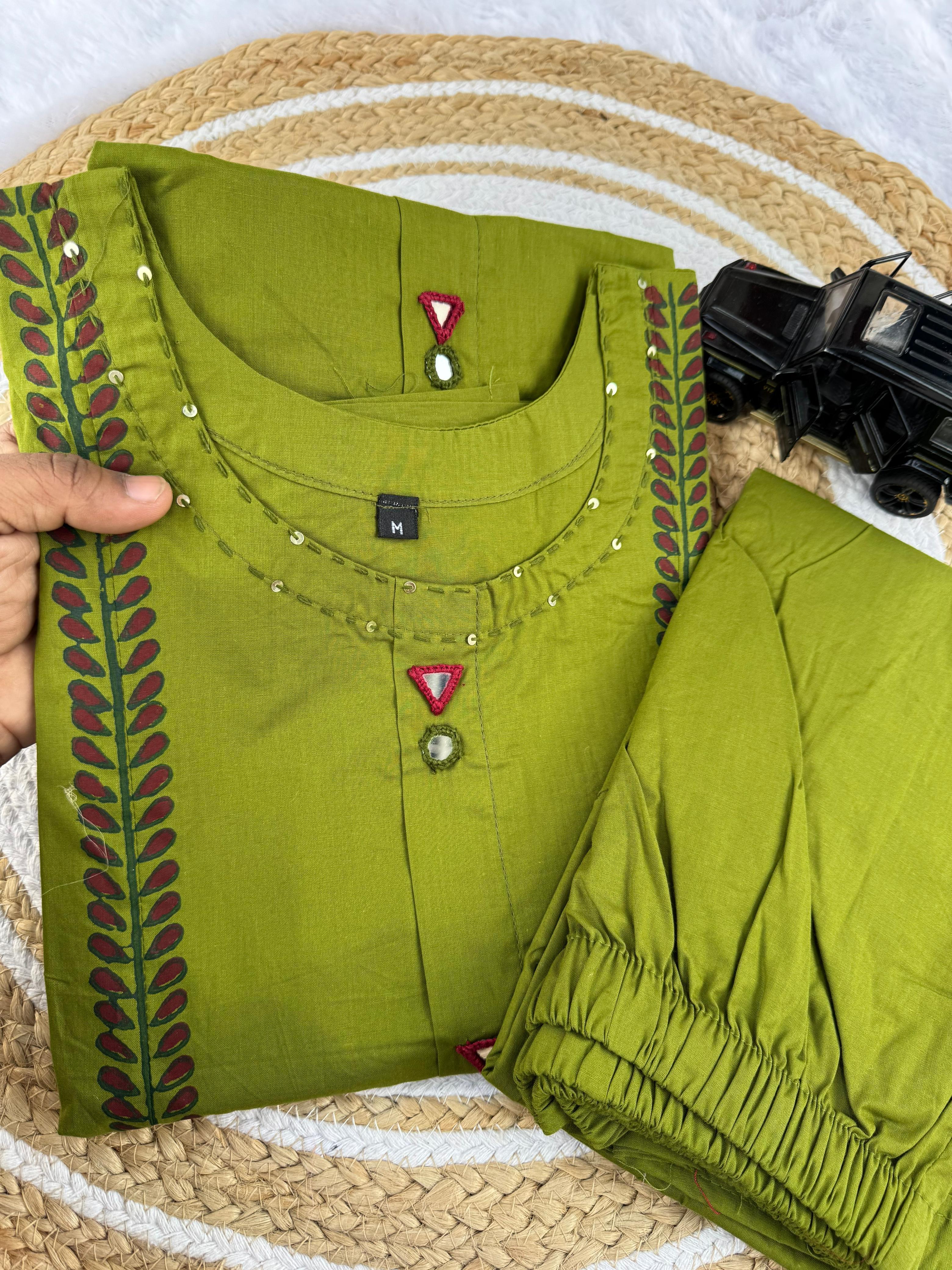
Breathable styling uses fewer dense layers, lighter accessories and footwear that keeps the feet comfortable. Cotton Kurtis for Heatwaves When Dark Colours Are Uncomfortable look especially balanced with straight cotton trousers, relaxed palazzos or a salwar that doesn't bunch tightly at the ankle.
- Choose footwear carefully: flat leather or fabric sandals, woven slip-ons and low-profile juttis reduce the need for heavy socks or closed shoes in hot weather.
- Keep jewellery selective: one pair of small earrings, a thin bangle or a light necklace is usually enough when the kurti already has zari, jacquard or a woven border.
- Use a breathable inner layer: if a kurti is slightly sheer, choose a cotton camisole or slip rather than a thick synthetic lining that holds warmth close to the skin.
- Secure the dupatta lightly: a small brooch at the shoulder can prevent constant adjustment, but avoid pinning the fabric tightly across the chest or neck.
- Carry a practical bag: a cotton or canvas tote leaves room for a handkerchief, water bottle and spare hair tie without forcing the dupatta into a crowded shoulder strap.
Jaipuri Salwar Suit styling can work in hot weather when the print is paired with a lighter cotton base and an unlined, airy dupatta. Jaipuri suits Dupatta combinations often attract attention through pattern, so additional heavy jewellery is unnecessary. The same restraint applies to Kalamkari Print Salwar Suits, where the artwork can remain the main feature against simple footwear and a clean hairstyle.
Washing and Storing Cotton During a Heatwave
Cotton garments last longer when they're washed according to their care label, rinsed thoroughly and dried away from harsh prolonged sunlight when the colour is delicate. Direct midday sun can fade pale dyes and weaken some fibres over time, even though sunlight may help dry clothing quickly.
- Separate pale and dark garments: wash cream, yellow and light blue cotton separately from navy, maroon and strong printed pieces, especially during the first few washes.
- Use a mild detergent: excessive detergent can leave residue that makes cotton feel stiff and less comfortable against sweaty skin.
- Avoid leaving damp cotton in the machine: remove garments promptly to reduce musty odour and deep creasing.
- Dry with airflow: shade drying in a ventilated place protects colour while still allowing moisture to escape.
- Iron at the recommended setting: slightly damp cotton is generally easier to press, but zari borders should be protected according to the care instructions.
Navy Kanchi Cotton Kurti Set with Woven Dupatta and Blue Ethnic Cotton Kurti Set with Zari Work require particular attention when washed with pale cottons because deep dyes can transfer under warm, wet conditions. Store completely dry garments with space between folded sets, and avoid compressing a zari or jacquard dupatta under heavy clothing.
Building a Small Light-Coloured Summer Wardrobe
A practical summer wardrobe can begin with three dominant shades, two silhouettes and one or two adaptable dupattas. For example, a pale yellow set can cover casual daytime plans, a powder or medium blue set can suit work, and a cream or beige set can support family gatherings. One printed dupatta can refresh all three if its colours repeat the existing palette.

The collection Maharashtra Paithani Inspired Salwar Suits can provide a reference for using regional colour and border ideas without wearing a heavy festive outfit every day. A woven border, a controlled zari accent or a heritage motif can make a light cotton suit feel occasion-ready while the overall fabric weight remains suitable for daytime use.
Kanchi Cotton Jacquard Woven Kurti Dupatta Set and Kanchi Cotton Jacquard Kurti Dupatta Set offer further examples of using surface texture instead of deep colour for visual richness. Texture is especially useful when a wardrobe avoids black, navy or other dark shades but still needs outfits that look finished in photographs and at small celebrations.
The most reliable buying decision combines fibre information, measurements, colour practicality, dupatta weight and care instructions. Cotton Kurtis for Heatwaves When Dark Colours Are Uncomfortable don't need to be plain or casual; they need enough airflow, sensible layering and a palette that feels comfortable in the specific heat and light where they will be worn.
Questions About Wearing Cotton Salwar Suits in Extreme Heat
Which cotton is best for a salwar suit in hot weather?
Lightweight, breathable cotton with a comfortable weave is usually the most suitable choice for hot weather. Check the stated fibre composition, fabric weight, lining and care instructions instead of assuming that every garment labelled cotton has the same airflow or comfort.
Are cotton salwar suits formal attire?
Cotton salwar suits can be formal attire when the cut is neat and the details are restrained. A straight kurta, clean trousers, light zari border or structured dupatta can work for many offices and daytime professional settings, subject to the workplace dress code.
Which salwar suit colours feel coolest in a heatwave?
White, cream, pale yellow, soft blue, light pistachio and other pale shades generally absorb less sunlight than black, navy and deep maroon. Fit, fabric weave, lining and the number of layers also affect comfort, so colour should not be considered alone.
How should a cotton kurti dupatta be worn in very hot weather?
Wear a lightweight dupatta in a single loose drape over one shoulder or across the front without wrapping it tightly around the neck. A dense jacquard or zari dupatta may be better for shorter indoor events than for extended outdoor travel.
How can cotton salwar suits be kept from fading?
Wash pale and dark garments separately, use a mild detergent and follow the garment's care label. Shade drying with good airflow usually protects colour better than prolonged exposure to strong midday sunlight.
Are Jaipuri suits suitable for summer?
Jaipuri suits can suit summer when the base fabric is breathable, the fit is relaxed and the dupatta is not excessively heavy. Printed detail can provide visual interest, allowing you to avoid dense embroidery and multiple warm layers.