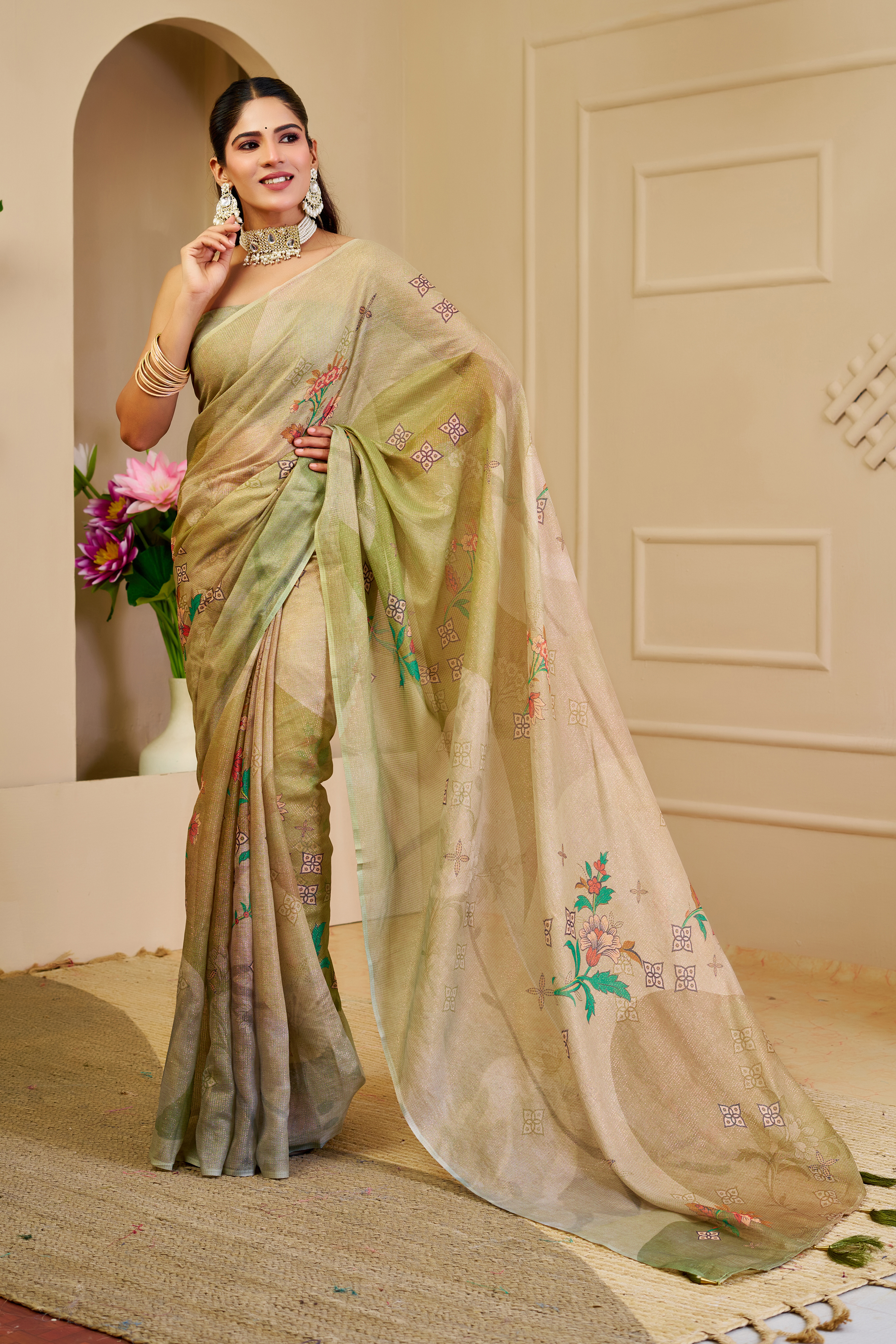
Can You Wear a Ready Made Saree to a Traditional Phera Ceremony? Yes, you can, provided the saree offers secure coverage, a polished silhouette and enough freedom to sit, stand and walk during the rituals. A pre-stitched saree can look entirely traditional when its fabric, border, blouse and accessories suit the wedding setting.
The important question isn't whether the saree was draped by hand. The practical questions are whether the pleats stay in place, whether the pallu covers the shoulder comfortably and whether the outfit matches the ceremony's level of formality. A lightweight ready-made saree may suit a guest, while a silk saree with zari may be more appropriate for a close family member or a formal pheras ceremony.
The short answer
Yes, a ready-made saree is appropriate for a traditional phera ceremony when its construction is secure and its styling respects the family's customs. Choose a pre-stitched saree with a fixed waist, stable pleats and a pallu that can be adjusted without constant pinning.
Phera ceremonies involve walking around the sacred fire, sitting near family members, greeting guests and posing for photographs. These activities make garment security more important than whether a saree is traditional or contemporary. A ready-to-wear design can reduce tripping and save dressing time, but the garment must fit your waist, height and body comfortably.
For a traditional wedding, avoid styling a ready-made saree like casual party clothing. A defined border, a modest blouse neckline, covered shoulders and conventional jewellery create a more ceremony-appropriate result. Red, maroon, green, pink, gold and deep blue can all work, although regional customs may influence the preferred colours.
Check these fit details
A ready-made saree is suitable for pheras when the waistband, pleats, pallu and hem remain secure while you walk and sit. Test every movement at home before wearing the saree to the wedding.
Check the waistband and pleats
A fixed waistband should sit firmly at the natural waist without digging into the body. The saree should not rotate when you walk. Look for reinforced hooks, a reliable zip or an adjustable fastening, and check that the pleats don't open when you take a full step. A discreet safety pin can provide extra support, but it should not be the only feature holding the outfit together.
Check the pallu and hem
The pallu should cover the blouse across the chest and shoulder while allowing your arms to move. A short pallu may shift during the pheras, while a very long pallu can drag near the sacred fire or catch on chairs. A finished lower edge helps the saree retain its shape and reduces the chance of the hem folding beneath your feet.
Practise sitting and walking
A phera ceremony may involve sitting cross-legged or kneeling, depending on the ritual arrangement. Test the saree by sitting on a firm chair, taking several steps and bending slightly before leaving home. If the waist fastening feels tight while sitting, the outfit will become distracting during a longer ceremony.
Choose the right fabric
Banarasi silk, Patola silk, Kanjeevaram, Chanderi and other formal woven fabrics generally create a more traditional impression than highly reflective party fabrics. The best fabric depends on the season, ceremony time, regional customs and your role in the wedding.

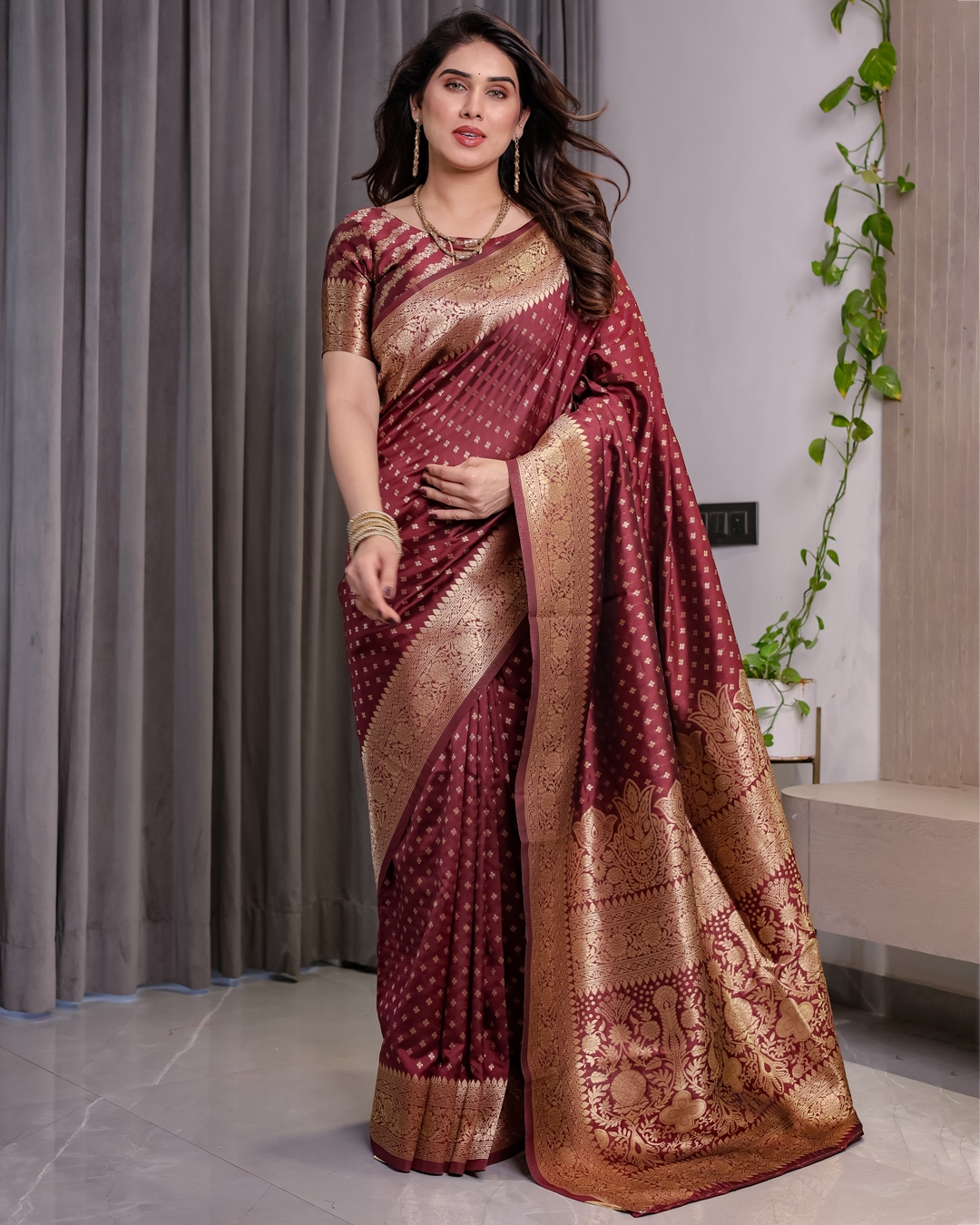
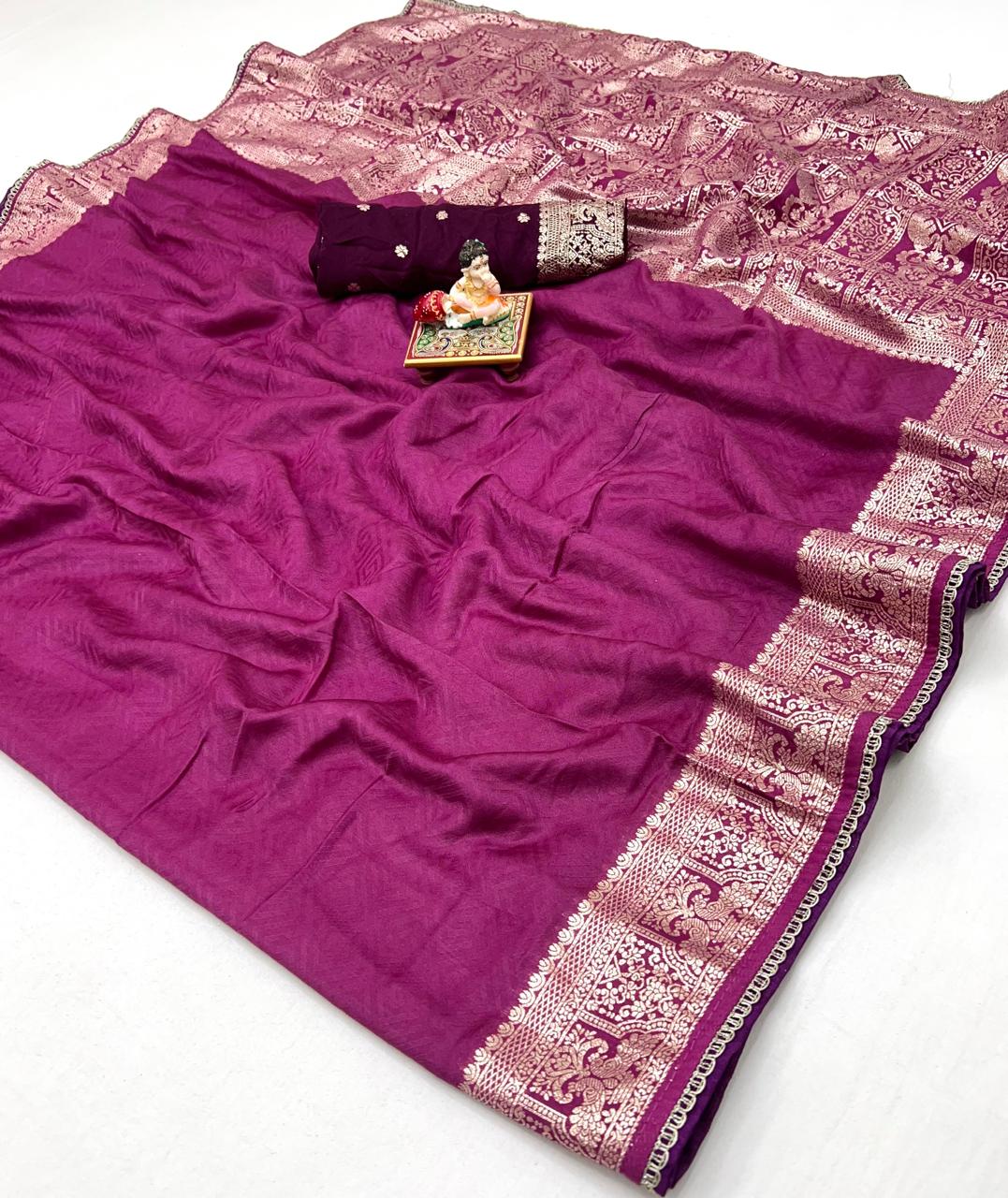
Banarasi silk works well when you want a rich wedding appearance without excessive embellishment. Maroon Banarasi Soft Silk Saree with Golden Zari Border shows how a defined zari border can make a saree feel ceremonial. Maroon pairs naturally with antique gold jewellery, kundan accents and warm-toned makeup.
Patola designs bring a distinctive geometric and heritage character to wedding dressing. Designer Red Patola Print Pashmina Silk Festive Saree creates a formal red look, while Heritage Peacock Patola Pashmina Silk Saree brings jewel-toned colour without relying on bridal red. Both styles can work for a close relative or a guest, depending on the blouse and jewellery.
Green is another useful choice for traditional ceremonies because deep green sits comfortably beside gold, red and maroon wedding décor. Traditional Bottle Green Patola Border Silk Saree can be styled with a gold blouse, temple jewellery or a contrasting red bindi for a recognisably Indian festive appearance.
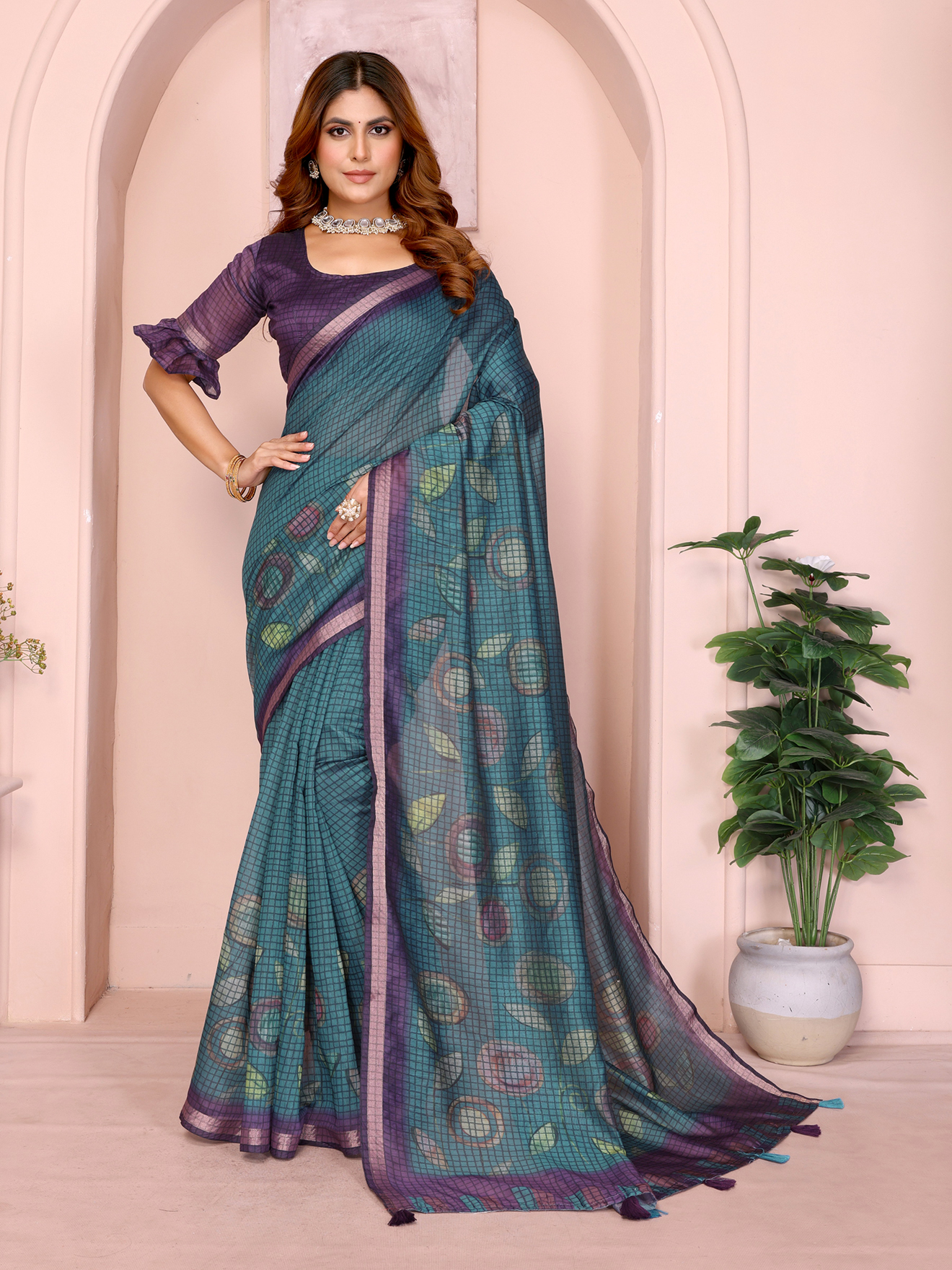
Chinon and satin can also work, especially for evening functions or guests who prefer a lighter outfit, but styling becomes more important. Peach Floral Heavy Chinnon Ready to Wear Saree has a softer and more contemporary mood than Banarasi silk or Patola silk. A structured blouse, traditional earrings and a controlled pallu can make the look suitable for a less formal phera setting.
Silk traditional sarees are often a safer choice for a principal ceremony because their weight helps the pleats fall cleanly and their borders provide visual formality. A light fabric isn't automatically inappropriate, but a very thin or highly reflective finish may look closer to party wear than ritual wedding wear.
Style it respectfully
Style a ready-made saree for a traditional wedding with a well-fitted blouse, secure pallu, restrained jewellery and stable footwear. Traditional details should support movement rather than create extra handling during the pheras.
Begin with the blouse
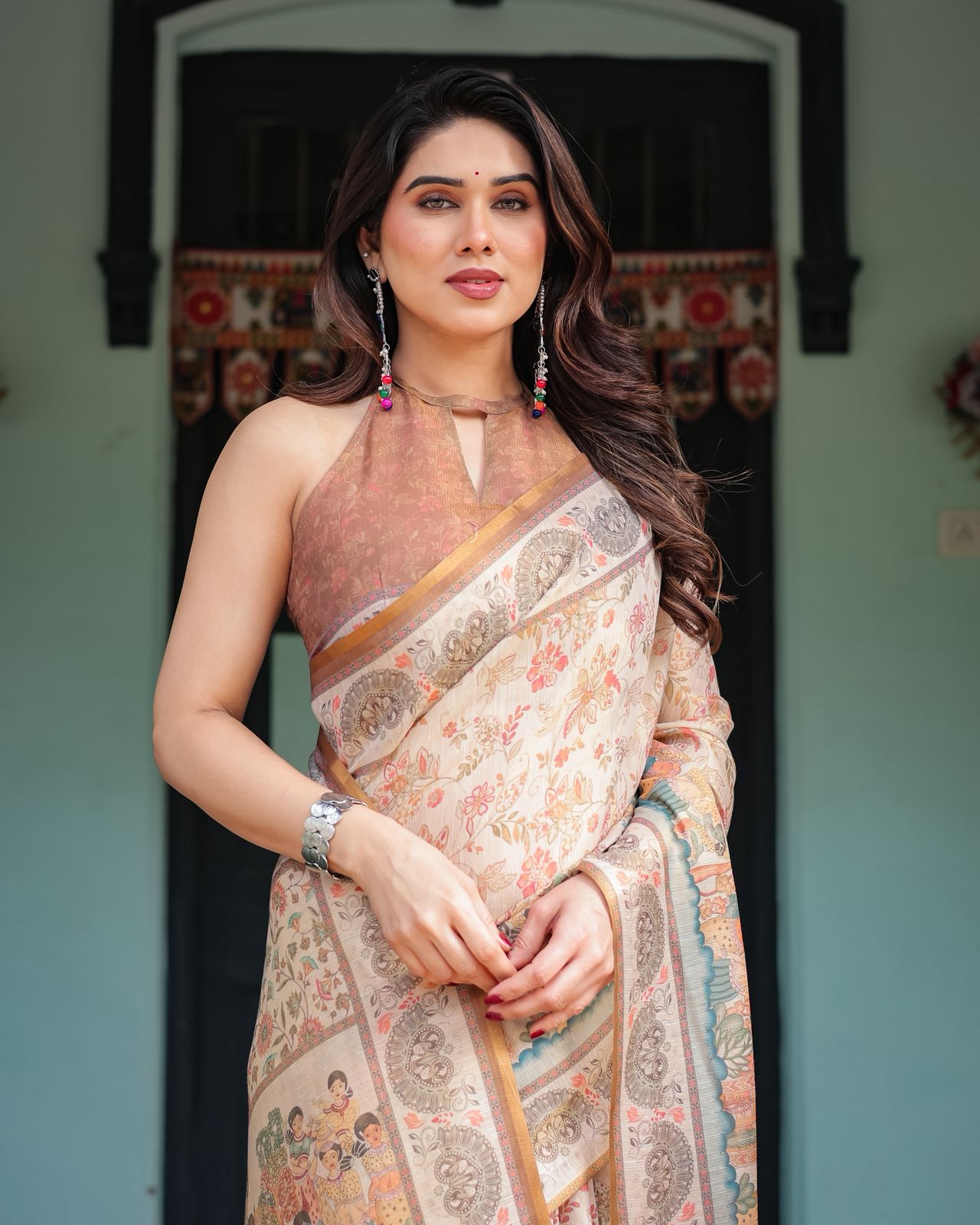
The blouse determines whether the saree looks formal or casual. A blouse with elbow-length sleeves, a high back or a moderate neckline usually gives stronger traditional coverage than a very cropped or heavily cut-out design. Match the blouse to the saree border when possible, or use a deliberate contrast such as gold with maroon, red with green or pink with antique gold.
A ready-made saree sold without a blouse can still be worn to a traditional ceremony, but the blouse should be ordered or tailored early enough for alterations. Allow at least seven to ten days for a simple fitting and longer for sleeve, lining or neckline changes. A standard blouse size may not match the saree's waist placement or your preferred pallu position.
Secure the pallu
Pin the pallu at the shoulder and, if needed, use a second discreet pin near the upper arm. Fold the pallu so the border remains visible without covering the face or catching on bangles. A shoulder brooch can add stability, but sharp pins should be checked before sitting close to other guests or children.
Use jewellery and footwear strategically
Gold-toned jhumkas, a short necklace, bangles and a bindi can make a simple saree look ceremonial without requiring heavy bridal styling. Temple jewellery suits silk and zari, while pearls work well with pastel Chanderi or floral Chinnon. Choose one main statement piece if you need to move frequently.
Footwear should have a secure strap, a broad heel or a flat sole with good grip. Avoid wearing brand-new high heels for the first time at a phera ceremony. A three- to five-centimetre block heel gives height while remaining safer than a narrow stiletto on carpets, grass or uneven outdoor flooring.
Match colour to your role
Red, maroon, deep pink, bottle green, royal blue and gold-accented neutrals are reliable traditional wedding colours, but the right shade depends on whether you're the bride, a close relative or a guest. Confirm any family-specific colour preference before choosing a highly symbolic shade.
Red and maroon often read as the most formal choices, especially when paired with zari. Designer Rani Pink Patola Print Pashmina Silk Festive Saree gives a festive alternative for someone who wants strong colour without choosing bridal red. Pink can be especially effective for a daytime ceremony when balanced with gold or muted green accessories.
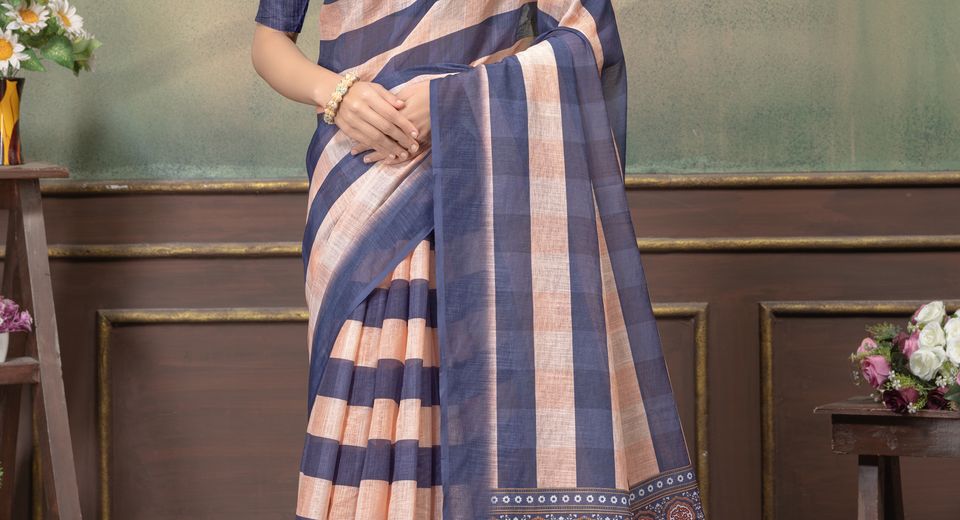
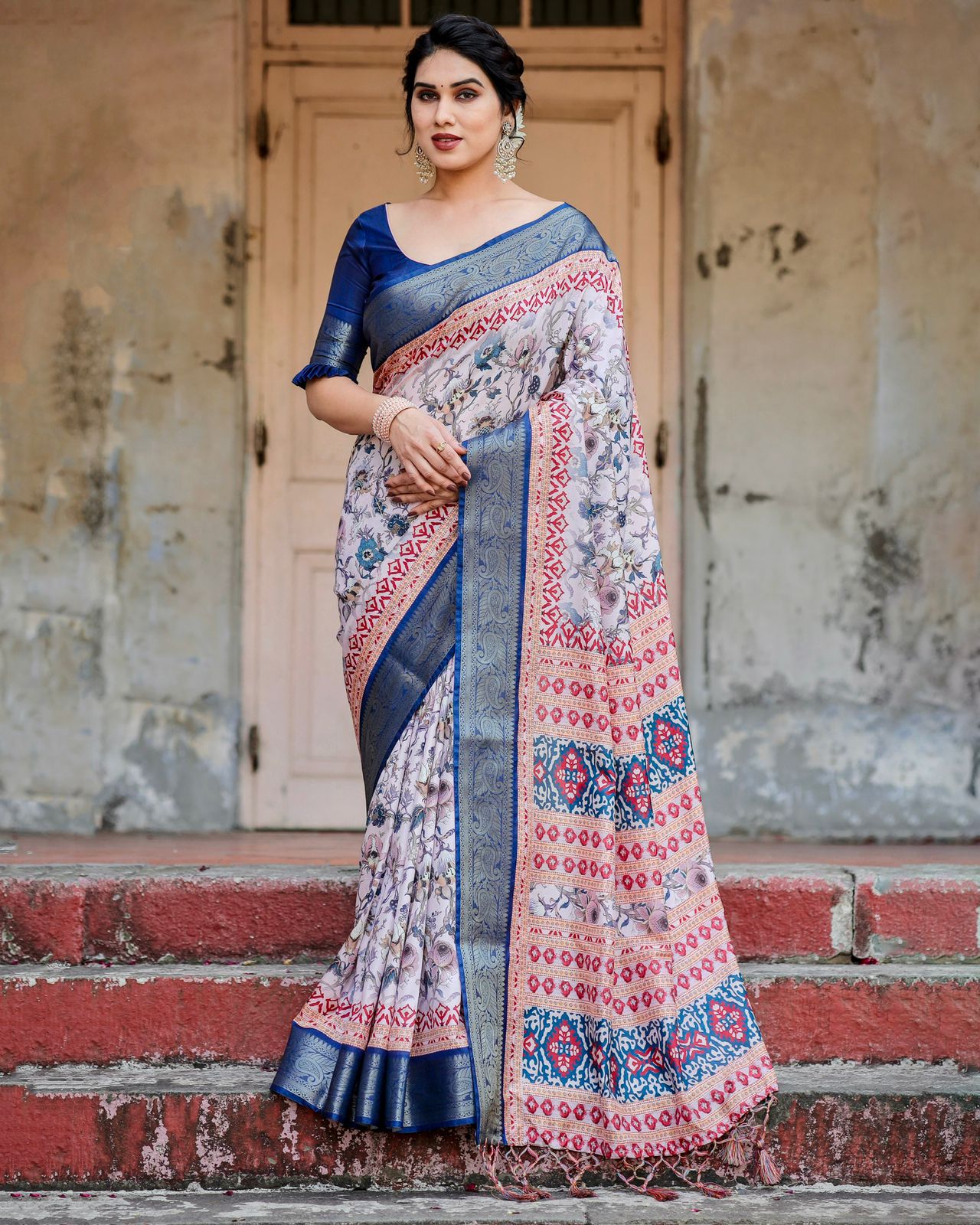
Peach, blue and floral combinations are more relaxed but can still appear polished. Peach Blue Floral Chinnon Ready To Wear Saree may suit a daytime guest look with a plain blouse and traditional earrings. Indigo Peach Satin Saree with Striped Pallu and Border Work gives a more graphic, contemporary appearance and may be better for a stylish guest, engagement ritual or reception unless the family welcomes modern styling for the pheras.
Colour alone doesn't determine formality. A deep colour with a narrow border and casual blouse can look less traditional than a pale saree with a substantial zari edge and classic jewellery. Fabric texture, border width, blouse shape and draping discipline together determine the final impression.
Buy online with care
Buy the right ready-made saree online by comparing garment measurements, fabric weight, fastening details, blouse availability and delivery timing instead of relying only on photographs. Online shopping works best when you treat the saree as a fitted garment rather than an one-size accessory.
Read measurements before ordering
Check the stated waist range, saree length, pallu length and blouse measurements. A wearer below approximately 160 centimetres should inspect the hem position carefully, while a taller wearer should verify that the pallu reaches the desired shoulder and front length. A tailor can adjust some elements, but altering a fixed pleat structure may be difficult.
Compare fabric and ceremony timing
Banarasi soft silk and Pashmina silk can feel warm in crowded indoor venues, while Chinnon and lighter satin may be more comfortable in humid weather. A daytime outdoor pheras ceremony may call for a lighter lining and breathable blouse, whereas an evening winter wedding can accommodate a denser silk saree.
Collections such as Silk Sarees Under 3000 With Discount can help shoppers compare formal silk options within a defined budget. Pink Georgette Sarees may be useful when you want a lighter pink look, while Red Banarasi Silk Sarees for Weddings Under 1100 can suit shoppers seeking a traditional red-and-zari appearance at a lower price point. Party Wear Sarees may offer useful contemporary alternatives, but check whether the embellishment looks appropriate for the actual ritual.
Order with an alteration buffer
Order at least ten to fourteen days before the wedding when possible. That timeframe leaves room for a blouse alteration, a waist adjustment, a replacement fastening or a return if the pleat position is unsuitable. Gray Color Sarees Under 1000 may be practical for understated guest dressing, but neutral colours should be paired with traditional jewellery or a richer blouse if the ceremony is especially formal.
Before removing tags, inspect the saree indoors under natural light, sit for five minutes, walk up stairs and practise securing the pallu. The final test should include the shoes, blouse, jewellery and hairstyle you plan to wear. A ready-made saree that passes all four tests can be a sensible and elegant choice for a traditional phera ceremony.
Follow this final checklist
Yes, you can wear one confidently when the saree is secure, comfortable and culturally appropriate for the wedding. Use the following checklist before the ceremony.
- Fit: The waistband stays in place while walking and sitting.
- Pleats: The pleats remain closed after taking several full steps.
- Pallu: The pallu covers the shoulder and doesn't drag near the sacred fire.
- Blouse: The neckline, sleeves and back provide the coverage you want.
- Fabric: The weight and finish suit the weather and formality of the pheras.
- Colour: The shade doesn't conflict with the family's customs or the bride's planned attire.
- Footwear: The shoes are stable and already broken in.
- Backup: You carry two safety pins, a small fashion tape strip and a compact sewing kit.
A ready-made saree isn't a compromise when it's chosen thoughtfully. Secure construction can make movement easier, while silk, zari, Patola patterns, a traditional blouse and considered jewellery preserve the visual language of Indian wedding dressing.
Questions About Wearing a Ready-Made Saree for Pheras
Can You Wear a Ready Made Saree to a Traditional Phera Ceremony if you are a wedding guest?
Yes, a ready-made saree can suit a wedding guest when it has secure pleats, appropriate coverage and a formal finish. Choose silk, Patola, Banarasi or a carefully styled Chinnon design according to the ceremony's dress expectations.
Where can I buy ready-to-wear sarees online in India?
You can buy ready-to-wear sarees from established Indian ethnic-wear websites and online saree collections that publish waist, length, blouse and fabric details. Check delivery estimates, alteration options and return conditions before ordering for a fixed wedding date.
Can I wear a ready-made saree without a blouse to a phera ceremony?
Yes, but you need a separate blouse that fits securely and provides the coverage you want. Order or tailor the blouse at least seven to ten days before the ceremony so the neckline, sleeves and pallu position can be tested together.
What are some trending traditional sarees for a phera ceremony?
Banarasi silk with zari, Patola silk designs, bottle-green silk borders, deep pink festive sarees and jewel-toned traditional weaves remain versatile choices. The most suitable option depends on the wearer's role, the ceremony's formality and regional customs.
Is a silk traditional saree better than Chinnon for pheras?
Silk is often better for a highly formal phera ceremony because its weight, border and texture create a traditional appearance. Chinnon can be more comfortable for a daytime guest look, provided the pallu and blouse are styled with sufficient structure.
How do I stop a ready-made saree from slipping during pheras?
Choose the correct waist size, secure the pallu at the shoulder and test the pleats before leaving home. Stable footwear, a second discreet pallu pin and a small emergency kit can reduce movement-related problems during the rituals.