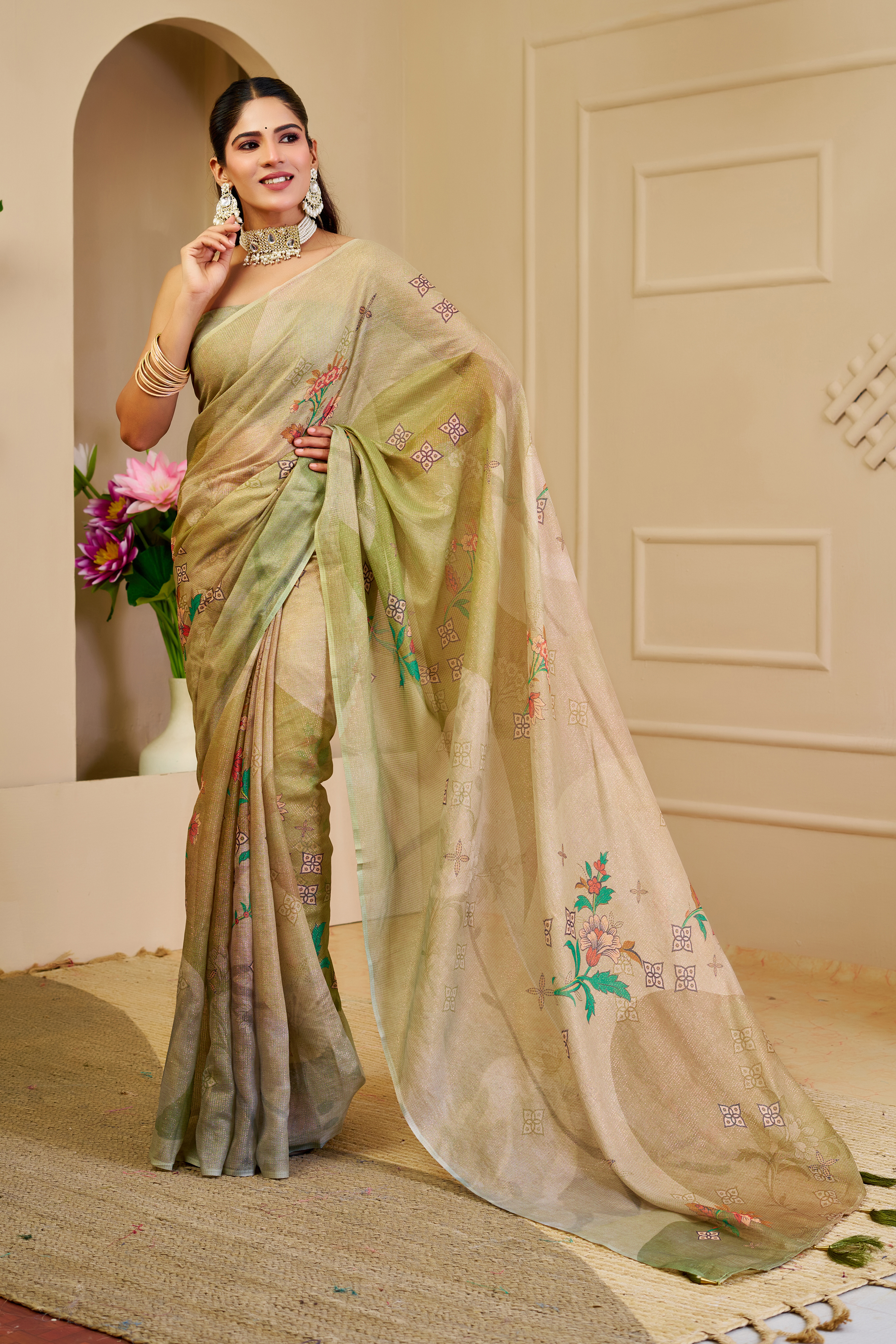
Can an Embroidered Kurti Handle a Long Day in Humid Weather? Yes, but comfort depends less on the embroidery itself than on the base fabric, lining, fit, seam placement and weight of the dupatta. A lightweight cotton kurti with small-to-medium threadwork can remain wearable through commuting, work and social plans, while dense embroidery on silk or a close synthetic lining may feel warm within an hour. The right choice starts with understanding how Indian humidity affects airflow, sweat evaporation and fabric friction.
Humidity slows the evaporation of perspiration, so clothing that feels acceptable in dry heat can become clammy in coastal or monsoon conditions. Fabric composition, surface decoration and the amount of material around the body therefore matter as much as colour or design. The same checks help when choosing readymade salwar suits for office hours, travel, family gatherings or salwar suit women party wear.
Start with the Fabric
An embroidered kurti can handle a long humid day when the garment uses a breathable base, has enough ease for air movement and avoids a heavy inner layer.
Cotton is usually the safest starting point because cotton fibres absorb moisture and allow air to pass through a loosely woven fabric. Cotton doesn't make a garment completely dry in humidity; absorbed sweat can remain in the cloth. A relaxed cut, short or three-quarter sleeves and a light dupatta help moisture escape instead of trapping it against the skin.
Rayon can also feel cool and fluid because the fabric drapes softly and often has a smooth surface. Rayon absorbs moisture and may take longer to dry than lightweight cotton, so rayon works best when the garment isn't tightly fitted. Silk has an elegant hand feel but may feel less forgiving during a very sweaty day, especially when embroidery, lining and a substantial dupatta add weight.
Embroidery changes comfort in three practical ways. Dense threadwork increases garment weight, backing can reduce airflow, and rough thread ends can rub the neck, underarm or inner arm. Small floral motifs distributed across a breathable kurti are generally easier to wear than thick, closely packed work covering the chest, sleeves and hem.
Compare Cotton, Rayon and Silk
Lightweight cotton generally offers the most reliable combination of airflow, sweat management and easy washing for humid-weather salwar suits.
Cotton for Regular Wear
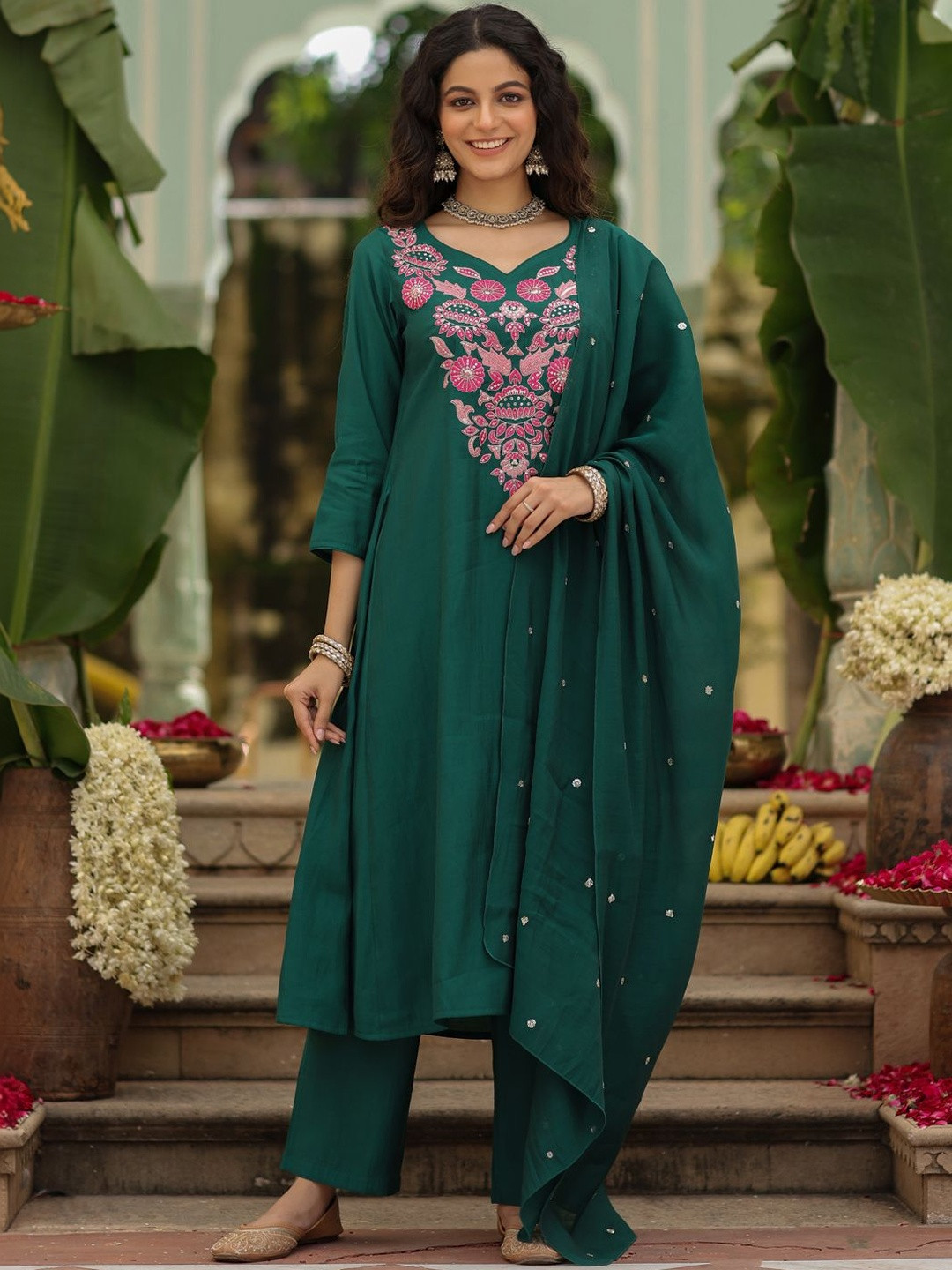
Cotton salwar suits are practical for long office days because cotton feels familiar against the skin and tolerates regular washing. Red Cotton Embroidered Kurta Pant Dupatta Set Women illustrates why cotton remains a strong everyday option: a kurta-pant silhouette gives the legs room, while embroidery adds polish without requiring a heavy outer layer. Brown Embroidered Cotton Kurta Pant Dupatta Set Women is another useful direction for a work wardrobe, particularly when paired with breathable innerwear and a light cotton dupatta.
Look for a weave that feels airy rather than densely packed. Hold the fabric near a window or light source if shopping in person; a little visual openness often indicates better ventilation, although fabric quality can't be judged by transparency alone. Very thin cotton may crease and absorb sweat quickly, so medium-light cotton can be a better compromise for a full day.
Rayon for Movement
Rayon suits humid weather when the cut is loose and the garment isn't layered with thick lining or synthetic padding.
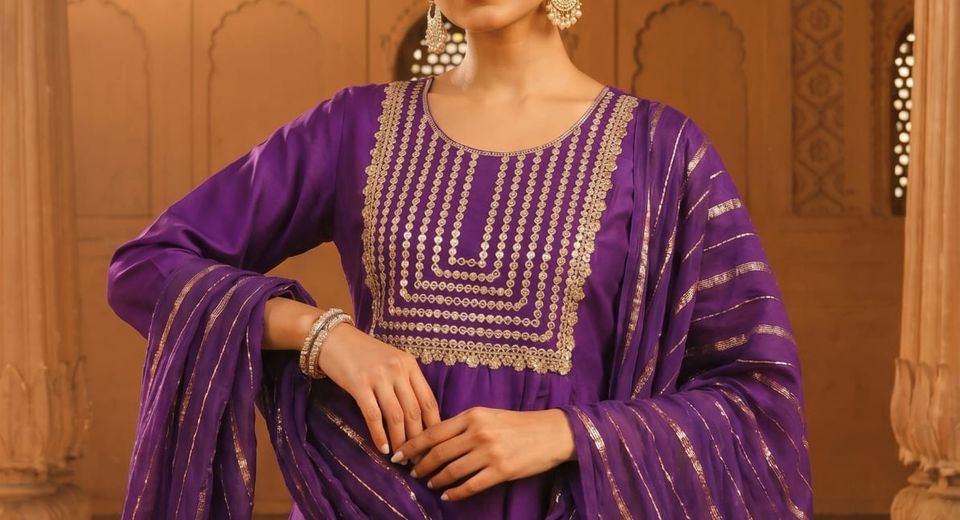
Purple Embroidered Rayon Kurti Pant Dupatta Set has the fluid fall many people prefer in a polished readymade salwar suit. Rayon can cling when saturated with sweat, so choose a pant with comfortable thigh ease and avoid an overly narrow kurti through the waist. Rayon garments should be washed according to the care label and dried away from harsh, direct heat to reduce shrinkage, colour stress and loss of shape.
Silk for Shorter Plans
Silk works better for a shorter function, an indoor celebration or an air-conditioned venue than for a humid day involving extensive walking.
Cream Embroidered Silk Kurti Pant with Designer Dupatta can create a refined formal salwar suit ladies may choose for a reception, dinner or professional event. Silk is more likely to stay comfortable when the wearer can remove the dupatta indoors, use breathable cotton underwear and avoid adding a heavy jacket. Silk should not automatically be rejected in humidity, but silk deserves a realistic schedule rather than being treated like everyday cotton.
Understand Embroidery Weight
Embroidery affects all-day comfort through weight, backing, texture and placement, not simply through the number of visible motifs.
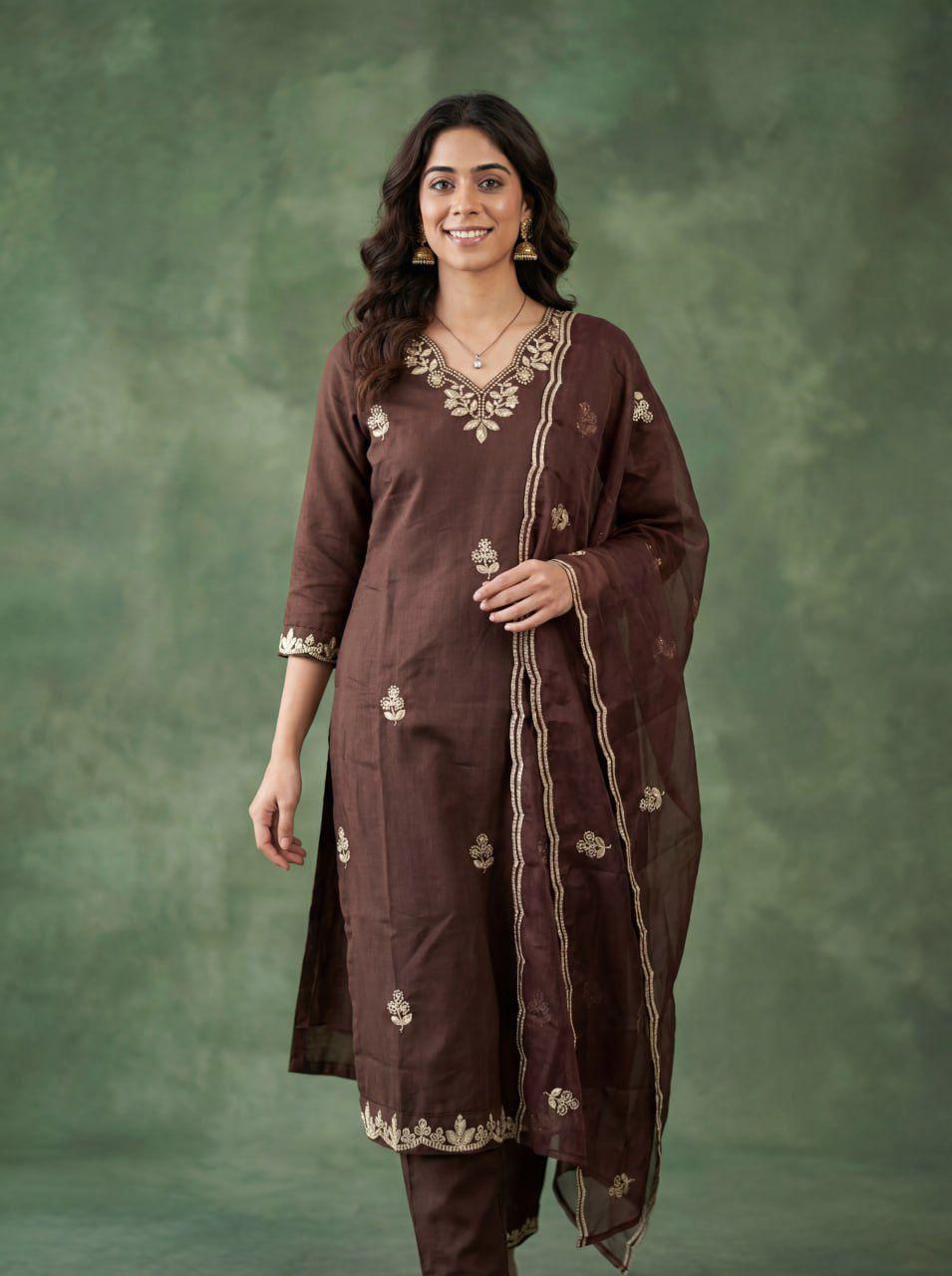
Thread embroidery is often more comfortable than rigid sequins, beads or metal elements because the surface remains softer and more flexible. Dense zari can look festive but may add stiffness and warmth, particularly when stitched over the chest or across full sleeves. A large embroidered border at the hem usually causes less skin irritation than rough work at the underarm, neckline or inner elbow.
Inspect the reverse side of a garment whenever possible. A soft, neatly finished backing is preferable to exposed knots, scratchy stabiliser or loose thread tails. Embroidery that feels comfortable over a thin cotton camisole may still irritate bare skin after six hours of perspiration, so layering should not excuse poor finishing.
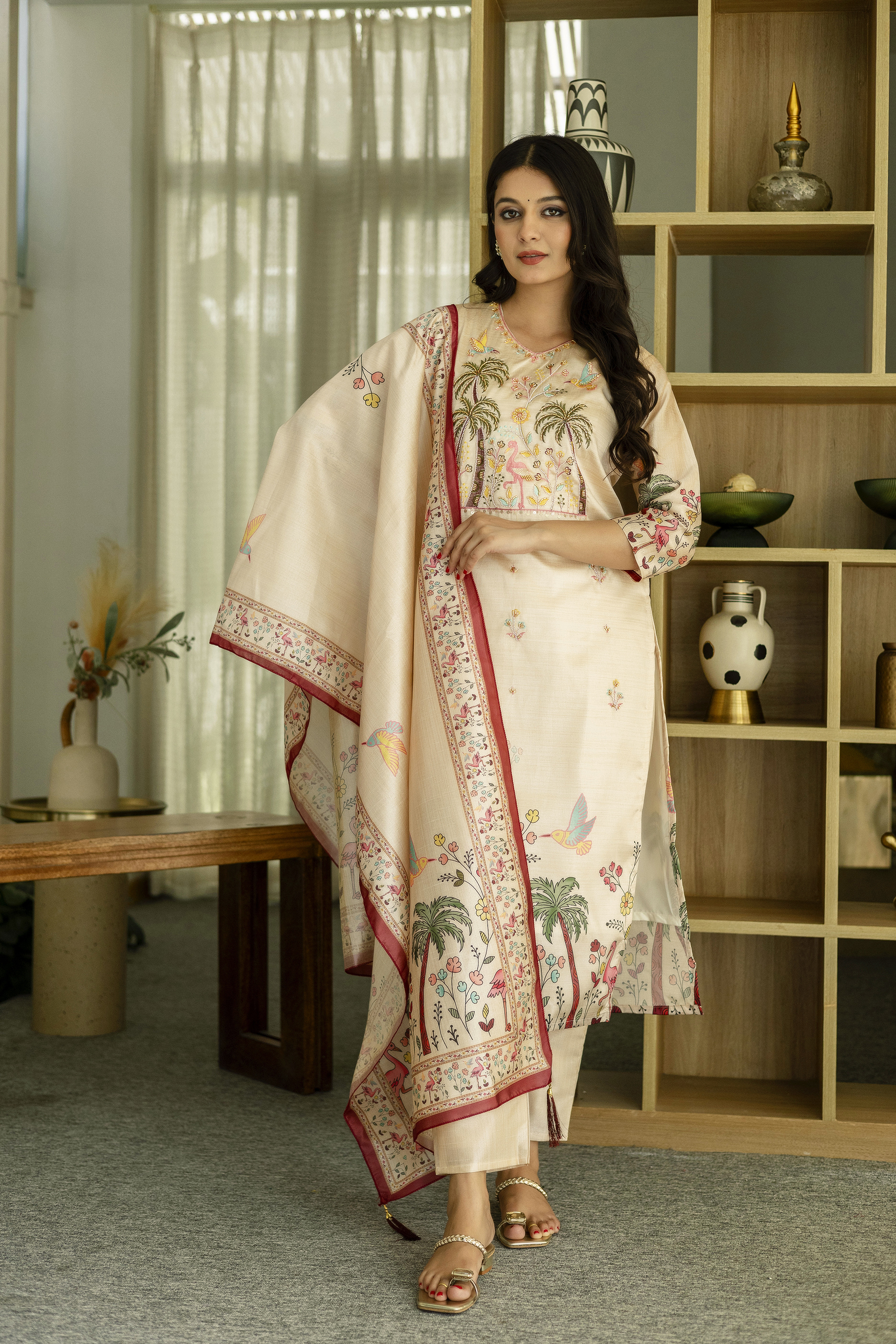
Motif scale also changes visual and physical balance. Yellow Embroidered Cotton Kurti Pant Set with Dupatta combines the appeal of cotton and decorative detail without requiring a heavily embellished party outfit. The same principle applies to Pink Embroidered Cotton Kurti Pant Dupatta Set: colour can create a festive impression even when the construction remains suitable for warm weather.
Regional embroidery traditions can also guide a purchase without deciding comfort on their own. Punjab Phulkari Embroidered Salwar Suits may feature colourful floral needlework, while Kashmir Embroidered Salwar Suits can suggest intricate decorative surfaces. The breathable quality still depends on the actual fibre, lining and density of the garment rather than the collection name alone.
Check the Fit and Lining
A breathable kurti needs approximately 5 to 10 centimetres of comfortable ease around the bust and waist, depending on the cut and the wearer's preference.
Ease creates a small air gap between skin and cloth, allowing body heat and moisture to move away from the torso. Excessively oversized clothing can also become uncomfortable because extra folds hold sweat and rub during walking. A straight kurta with side slits, a gentle A-line shape or a relaxed kurta-pant set usually balances airflow with a neat appearance.
Armholes deserve careful attention because tight armholes trap heat and make embroidery feel abrasive. Three-quarter sleeves can offer coverage without the extra fabric and friction of full sleeves. A neckline that sits slightly away from the throat is often more comfortable than a high, tight collar during a humid commute.
Check whether the kurti is lined, where the lining ends and whether the pant has a separate inner layer. A full polyester lining can block ventilation even when the outer fabric is cotton. A partial lining may preserve opacity while leaving the upper body or sleeves more breathable. Elastic waistbands should lie flat without digging into the abdomen, especially during long seated journeys.
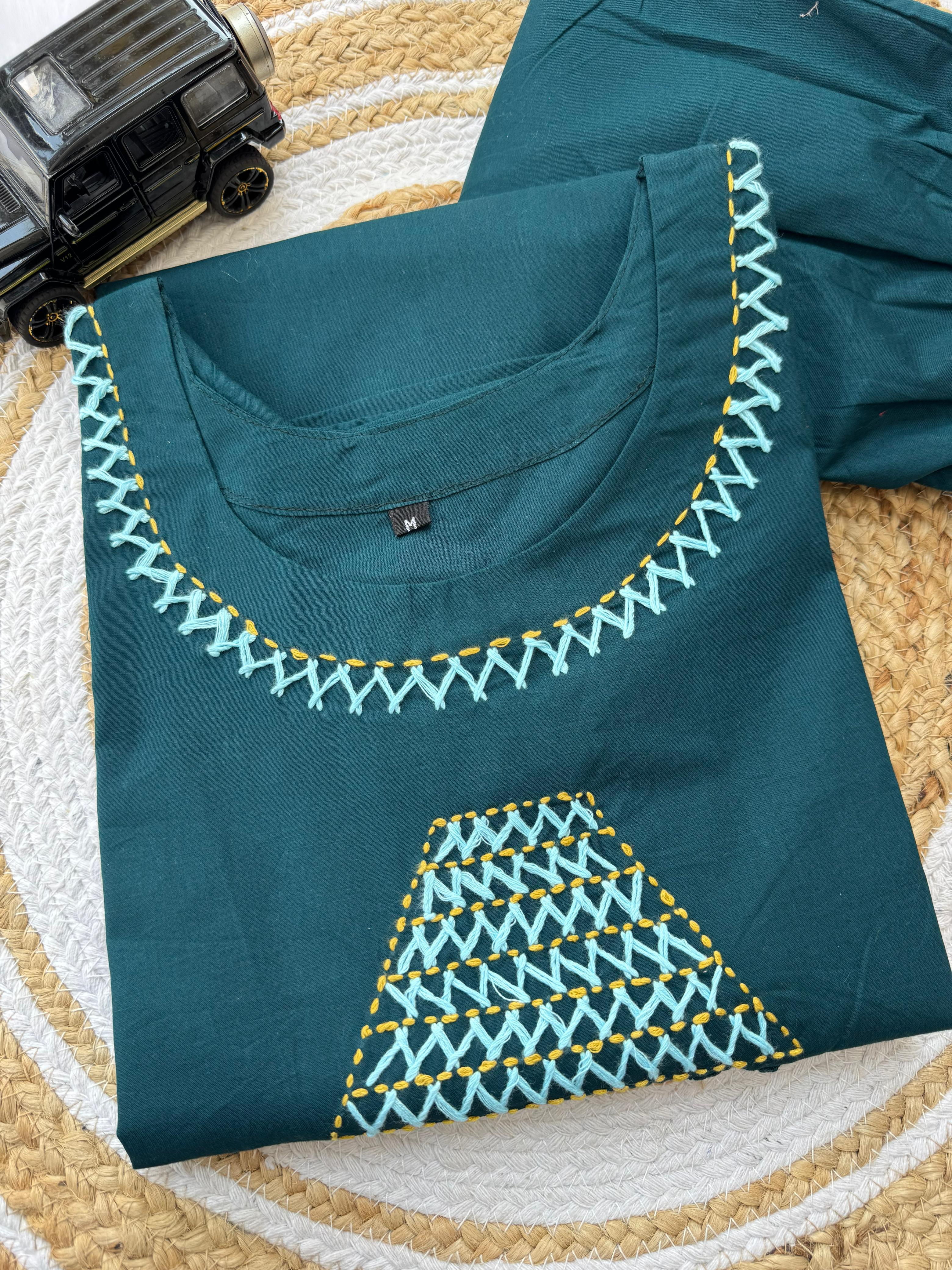
Olive Yellow Embroidered Kurti Set with Dupatta shows how a coordinated set can look complete without requiring extra layers. Keeping styling simple matters in humidity: one breathable kurti, a comfortable pant and a light dupatta are often more practical than a jacket, belt and multiple decorative accessories.
Choose the Right Dupatta
A lightweight, loosely woven dupatta is the most comfortable choice for humid weather because it adds coverage without creating a warm layer across the chest and neck.
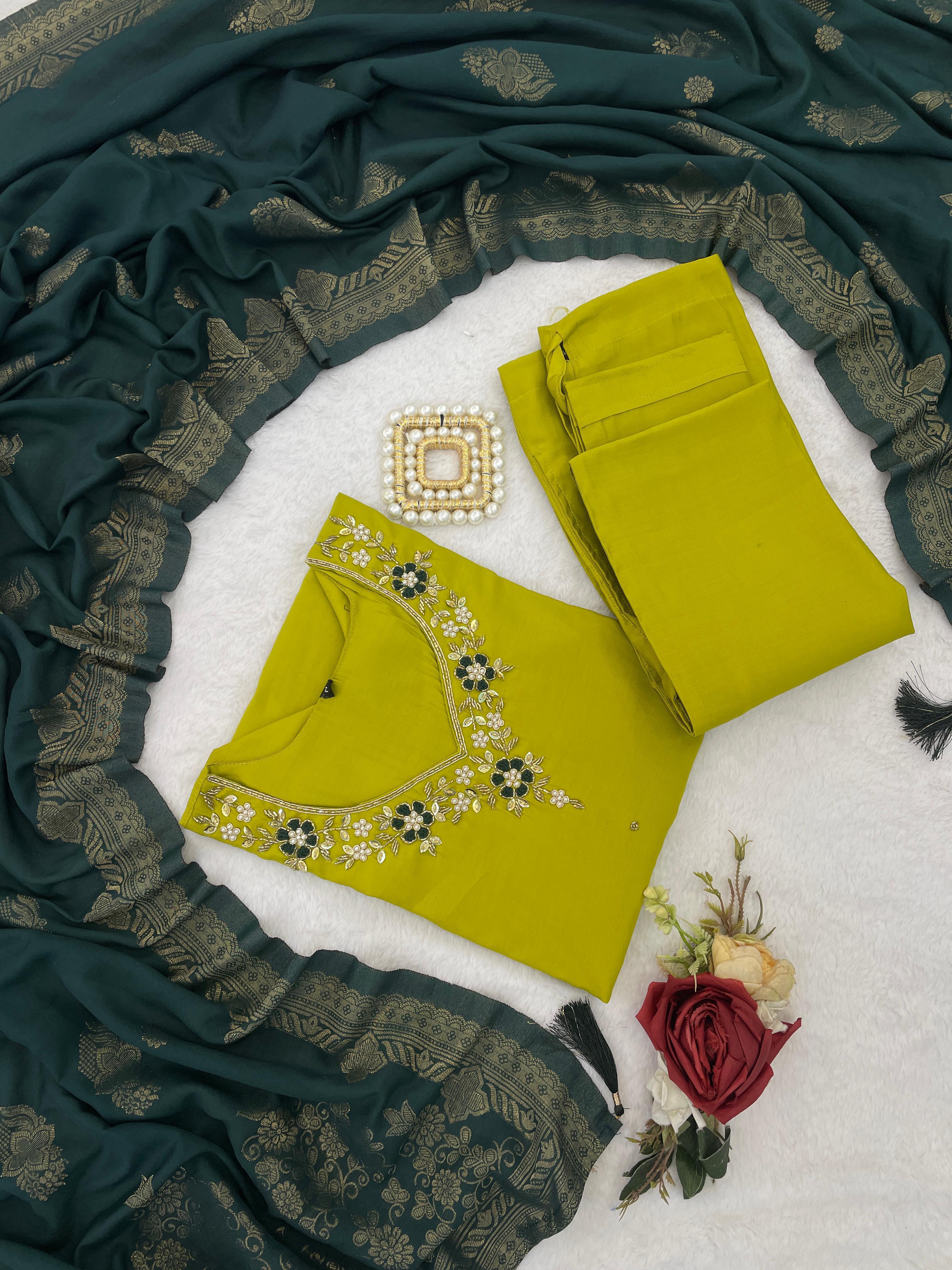
A readymade salwar suit dupatta can change the entire experience of wearing a set. Heavy silk, thick zari borders and dense embroidery add visual richness but may become tiring when draped around the neck. Cotton, mulmul-like textures and light rayon are more suitable for outdoor movement, provided the weave isn't so open that it loses useful coverage.
Drape the dupatta over one shoulder rather than wrapping it tightly around the throat. Secure one end with a small brooch only if the brooch doesn't pull the fabric or add weight. For commuting, a simple shoulder drape leaves the neck clear and makes it easier to remove the dupatta when entering an air-conditioned room.
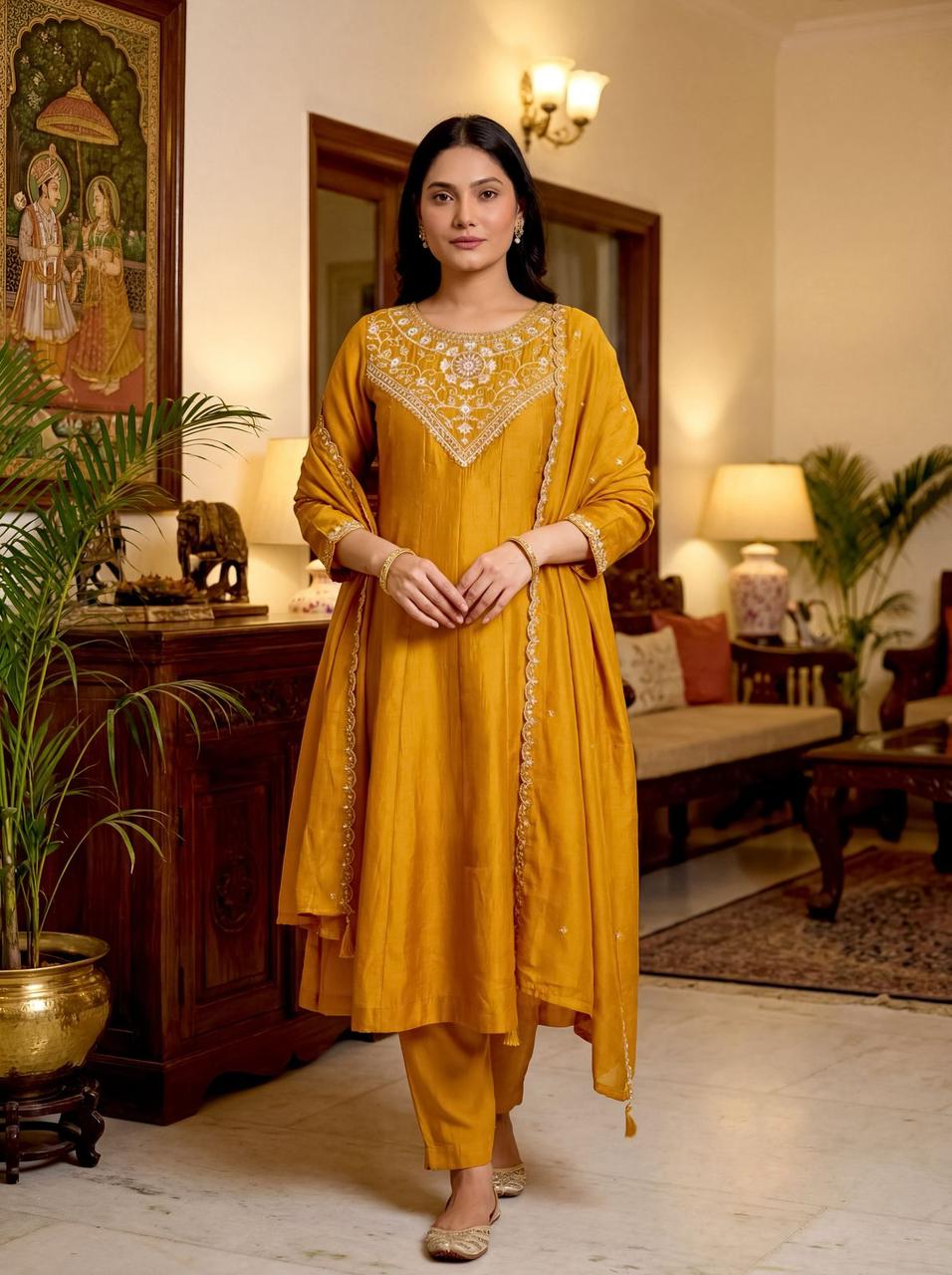
Colour and motif placement can create a party-ready appearance without relying on heavy construction. Mustard Embroidered Kurti Pant Dupatta Set Women can look suitable for a festive lunch when worn with breathable footwear and minimal jewellery. Salwar suit design girl searches often focus on dramatic decoration, but practical styling comes from balancing a statement colour or motif with a lightweight base.
Hyderabad Embroidered Salwar Suits and Delhi Chikankari Embroidered Salwar Suits can inspire different styling directions, from richer festive detailing to delicate surface work. Lucknow Chikankari Embroidered Salwar Suits are another reference point for airy-looking embroidery, but the final comfort check must still cover fibre content, lining and garment weight.
Use a Buying Checklist
You can test an embroidered kurti by checking fibre content, garment weight, inner finishing, fit and wash instructions before judging its appearance.
- Read the fibre label. Confirm whether the garment is cotton, rayon, silk or a blend, and don't assume that a soft touch means natural fibre. Fibre content gives a more useful humidity clue than the word "premium" in a product description.
- Check the surface and reverse. Run two fingers over the embroidery and inspect the inside for scratchy backing, loose knots and sharp sequin edges. Pay special attention to the neckline, armhole and sleeve seam.
- Estimate the weight. Hold the complete set, including the dupatta, rather than assessing only the kurti. A light kurta can become a tiring outfit when paired with a dense, embellished dupatta.
- Measure functional ease. Sit, raise both arms and walk a few steps in the garment. The kurti should not pull across the bust, the armhole should not cut into the armpit and the pant should not restrict the thighs.
- Ask about lining. Find out whether the lining is full, partial, cotton, rayon or synthetic. Lining can be the deciding factor when an outer fabric appears breathable but the finished garment feels sealed.
- Read care instructions. Frequent humid-weather wear requires practical washing and drying. A garment that needs specialised care may be better reserved for occasional formal use.
These checks are useful whether you're comparing readymade salwar suits, a Biba salwar suit-inspired silhouette, formal salwar suit ladies styles or trending suits ladies are discussing online. Product photographs show colour and design, but fibre labels and measurements reveal whether a garment can manage a real day.
Follow These Care Steps
An embroidered kurti stays fresher in humidity when sweat is rinsed promptly, the garment is dried completely and embroidery is protected from aggressive washing.
don't leave a damp kurti in a closed laundry basket overnight. Air the garment first, then wash it according to the care label. Gentle detergent, cool or lukewarm water and limited rubbing help preserve cotton fibres, rayon drape and embroidered threads.
Turn embroidered garments inside out before machine washing when the care label permits machine use. Place delicate sets in a mesh bag and avoid overloading the drum. Hand washing is often safer for dense embroidery, but twisting or wringing can distort the kurti and stretch the embroidery backing.
Dry the garment in moving air and shade whenever possible. Strong direct sunlight can fade bright cotton colours, while high heat can affect rayon shape and weaken some decorative threads. Do not iron directly over embroidery; place a thin cotton cloth between the iron and garment, use the recommended temperature and press from the reverse side.
Wash the dupatta as carefully as the kurti because the dupatta often carries the highest decorative weight. Store the set only after every section is fully dry. These steps reduce odour, mildew risk and permanent sweat marks without sacrificing the usefulness of an embroidered salwar suit.
Make the Final Choice
The best humid-weather choice is usually a relaxed cotton kurti with moderate embroidery, minimal synthetic lining, a comfortable pant and a lightweight dupatta.
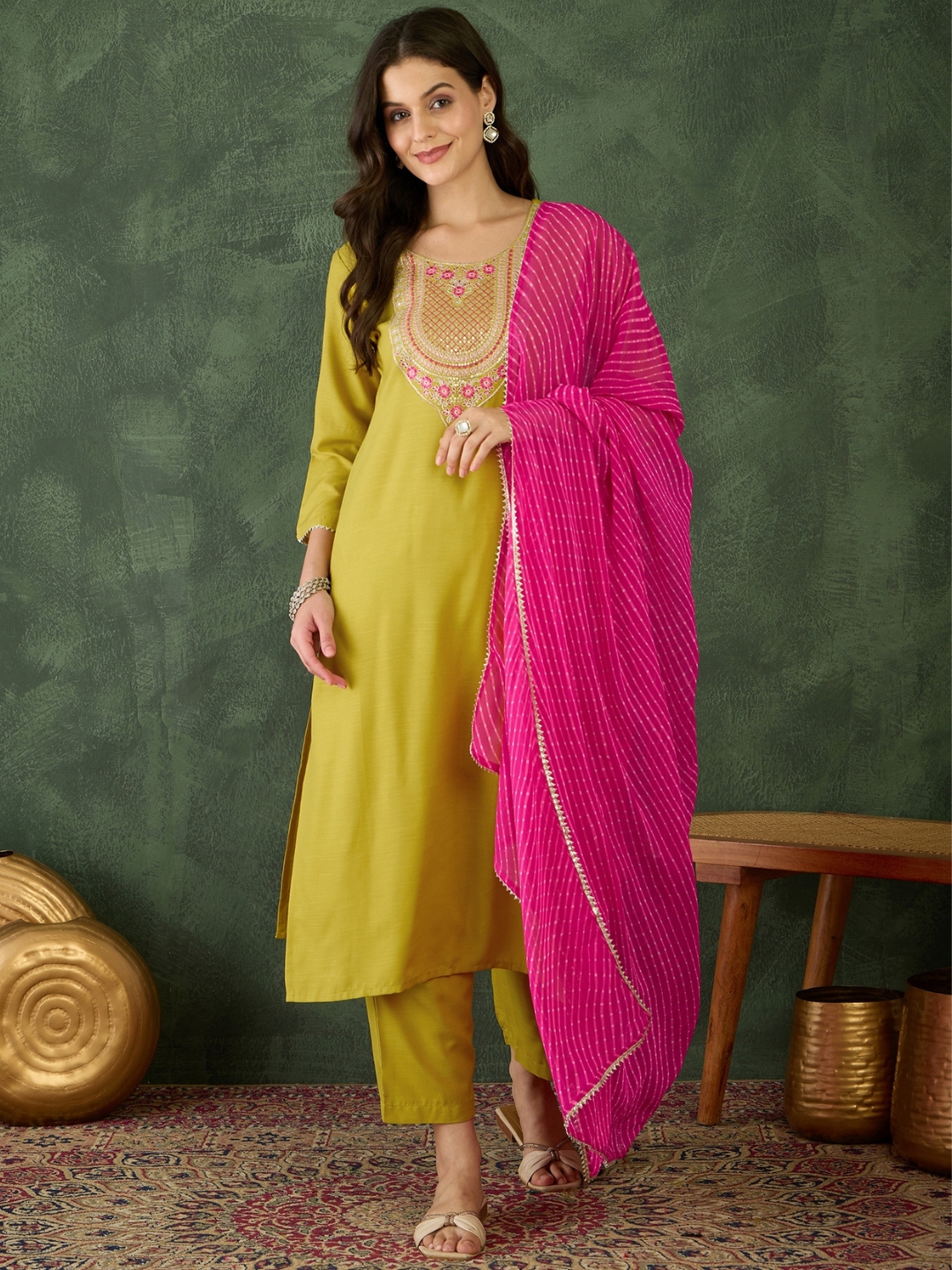
Choose cotton when the day involves commuting, outdoor walking, repeated washing or a Haldi ceremony in warm weather. Choose rayon when soft drape and movement matter more than rapid drying. Choose silk when the schedule is shorter, the venue is controlled and the outfit's formal finish matters more than maximum breathability.
Embroidery doesn't automatically make a kurti unsuitable for humidity. A breathable base, moderate surface work, clean inner finishing and enough movement can make an embroidered salwar suit as practical as a simpler outfit. The important decision isn't whether the kurti looks festive; the important decision is whether the complete fabric-and-construction combination matches the day ahead.
Common Questions About Wearing Embroidered Kurtis in Humid Weather
Which salwar suit is trending now for humid weather?
Relaxed kurta-pant sets in cotton, rayon and lightweight embroidered fabrics remain practical choices for humid weather. Straight silhouettes, three-quarter sleeves, moderate threadwork and lighter dupattas offer a current appearance without adding unnecessary layers.
Are cotton salwar suits better for a long humid day?
Cotton salwar suits are usually better for long humid days because cotton allows airflow and tolerates frequent washing. Cotton can still hold perspiration, so choose a relaxed fit, avoid heavy lining and change out of a damp garment promptly.
How can I choose a formal salwar suit for ladies in humid weather?
Choose a formal salwar suit with a breathable base, moderate embroidery, comfortable ease and a light dupatta. Silk can work for a shorter indoor event, while cotton or rayon is generally more practical for travel, standing and extended wear.
Where can I buy women’s suit sets online in India?
Women's suit sets are available through brand websites and established fashion marketplaces in India. Before buying, check the fibre composition, size chart, lining details, garment measurements, care instructions and the weight or construction of the dupatta.
Is rayon comfortable for an embroidered kurti in summer?
Rayon can feel comfortable in summer because it drapes softly and often feels smooth against the skin. Rayon may cling when damp and can dry slowly, so select a loose fit, avoid thick lining and follow the garment's washing instructions.
How do I stop embroidered clothing from irritating my skin?
Inspect the reverse side for rough backing, exposed knots and sharp decorative elements before wearing the garment for a full day. A breathable camisole, careful finishing and choosing embroidery away from the neckline and underarms can reduce irritation.