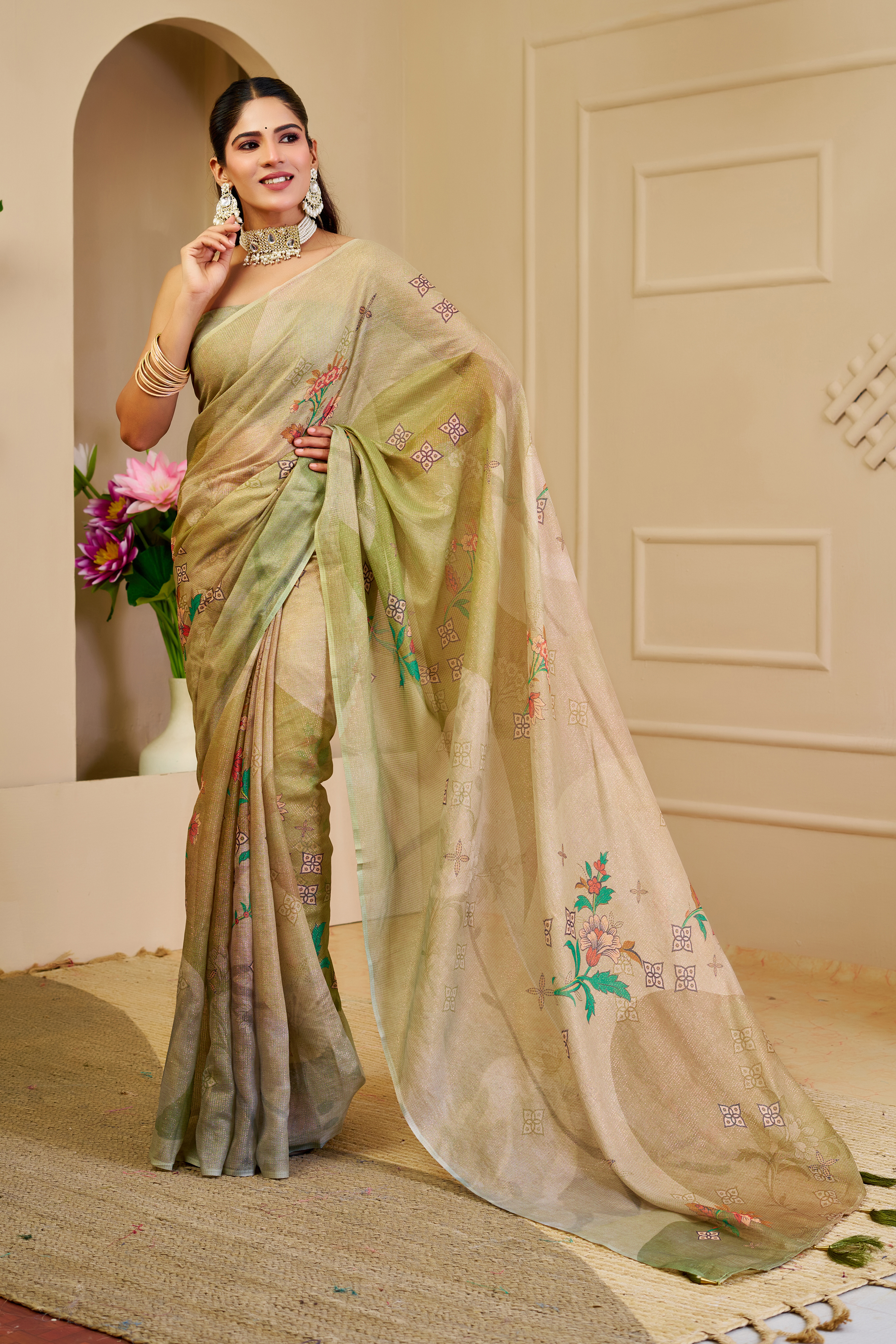
A reception usually combines formal photographs, long conversations, dinner and several hours on your feet, so an Indian wedding reception outfit for women over sixty should balance polish with genuine comfort. The most successful choices are not necessarily heavily embellished garments. A well-cut kurta set, a fluid saree with a secure pallu or a softly structured Anarkali can look more refined when the fabric, length, neckline and accessories work together.
Age doesn't dictate one colour, sleeve length or silhouette. Personal comfort, the venue, the season and the amount of movement required matter more. A hotel reception may call for silk and restrained zari, while an outdoor evening event may suit a lighter georgette or Chanderi layer. The following guide explains how to make those decisions without losing the festive character of Indian occasion wear.
How to choose an Indian wedding reception outfit for women over sixty
The best choice is a breathable, well-fitted outfit that supports movement and looks composed in photographs. Start by deciding whether a saree, kurta set, Anarkali or sharara will make sitting, walking and using the washroom easiest throughout the reception.
A saree creates an elegant vertical line, but the drape should be secured at the shoulder and waist so that the pallu doesn't require constant adjustment. A kurta set offers dependable ease, particularly when the trousers have a comfortable waistband and the kurta has enough room across the upper arm. An Anarkali provides graceful volume without the separate styling decisions required by a saree. A sharara can be festive, although very wide flares may become inconvenient on crowded floors or stairs.
Take measurements while wearing the undergarments and footwear intended for the event. Check the shoulder seam, upper-arm circumference, bust ease and garment length rather than relying only on a standard size label. For a three-quarter sleeve, leave approximately 2 to 4 centimetres of ease around the upper arm so the sleeve doesn't pull when the elbow bends.
Which silhouette works best for a long reception?
A straight or gently A-line kurta, a lightly flared Anarkali and a pre-pleated or carefully pinned saree are usually the easiest silhouettes for a long reception. These shapes preserve a formal appearance while reducing the need to manage excess fabric.
For a seated dinner, avoid a hem that pools heavily around the ankles. A kurta ending around mid-calf or just below the knee, paired with straight trousers or narrow palazzos, is generally easier to navigate. A saree should skim the floor without dragging; the petticoat or underskirt should hold the pleats securely rather than rely on repeated pinning.
Fabrics that provide comfort without losing formality
Banarasi silk, Vichitra silk, Chanderi silk, georgette and viscose blends can all work for reception dressing, but each fabric behaves differently. Fabric weight, surface texture and drape determine whether an outfit remains comfortable after several hours.
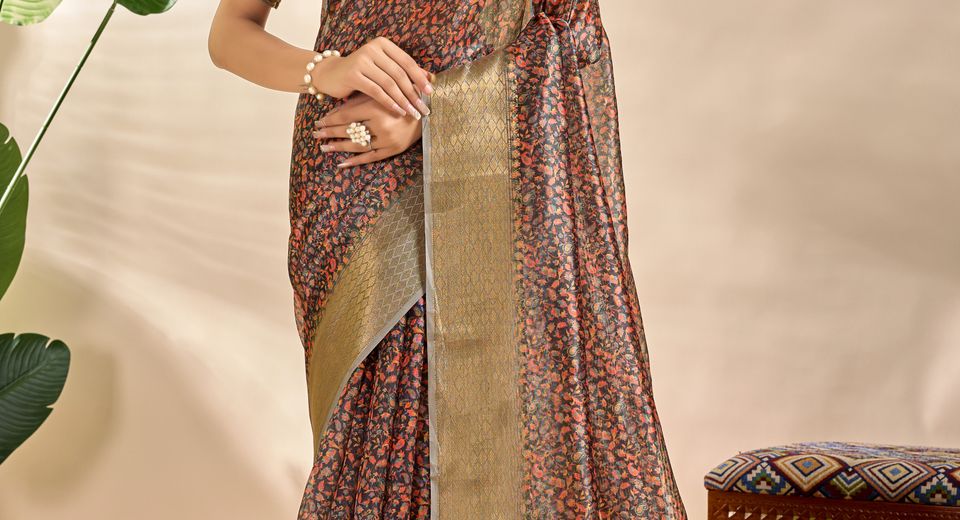
- Banarasi silk: Banarasi silk has a formal sheen and woven patterning that suits an evening reception. A saree with a defined border can provide enough grandeur without requiring heavy surface embroidery.
- Vichitra silk: Vichitra silk has a soft, fluid fall and a dressier finish than everyday cotton. Embroidery on Vichitra silk can look celebratory while remaining less rigid than dense brocade.
- Chanderi: Chanderi is lightweight and breathable, making it useful for warm venues. The fabric can be slightly sheer, so a good lining and a well-fitted slip are important.
- Georgette: Georgette drapes close to the body and is relatively easy to pleat. A lined georgette kurta or saree is more comfortable and polished than an unlined garment that clings unpredictably.
- Viscose blends: Viscose blends can offer softness and movement at a moderate weight. Check the care label and avoid assuming that every viscose garment can be washed at home.
Metallic thread also changes comfort. Zari embroidery concentrated at the neckline, border or sleeve can frame the face attractively, while extensive zari across the entire bodice may feel heavy or scratchy. Wear a smooth camisole or cotton-blend inner layer if embellished seams touch the skin.
Colour and embellishment choices for a polished reception look
Deep jewel tones, softened neutrals and rich mid-tones are reliable reception colours, but the most flattering shade is the one that works with the wearer's complexion and preferred level of contrast. Maroon, plum, emerald, navy, ivory, taupe and muted rose can all look sophisticated under warm indoor lighting.
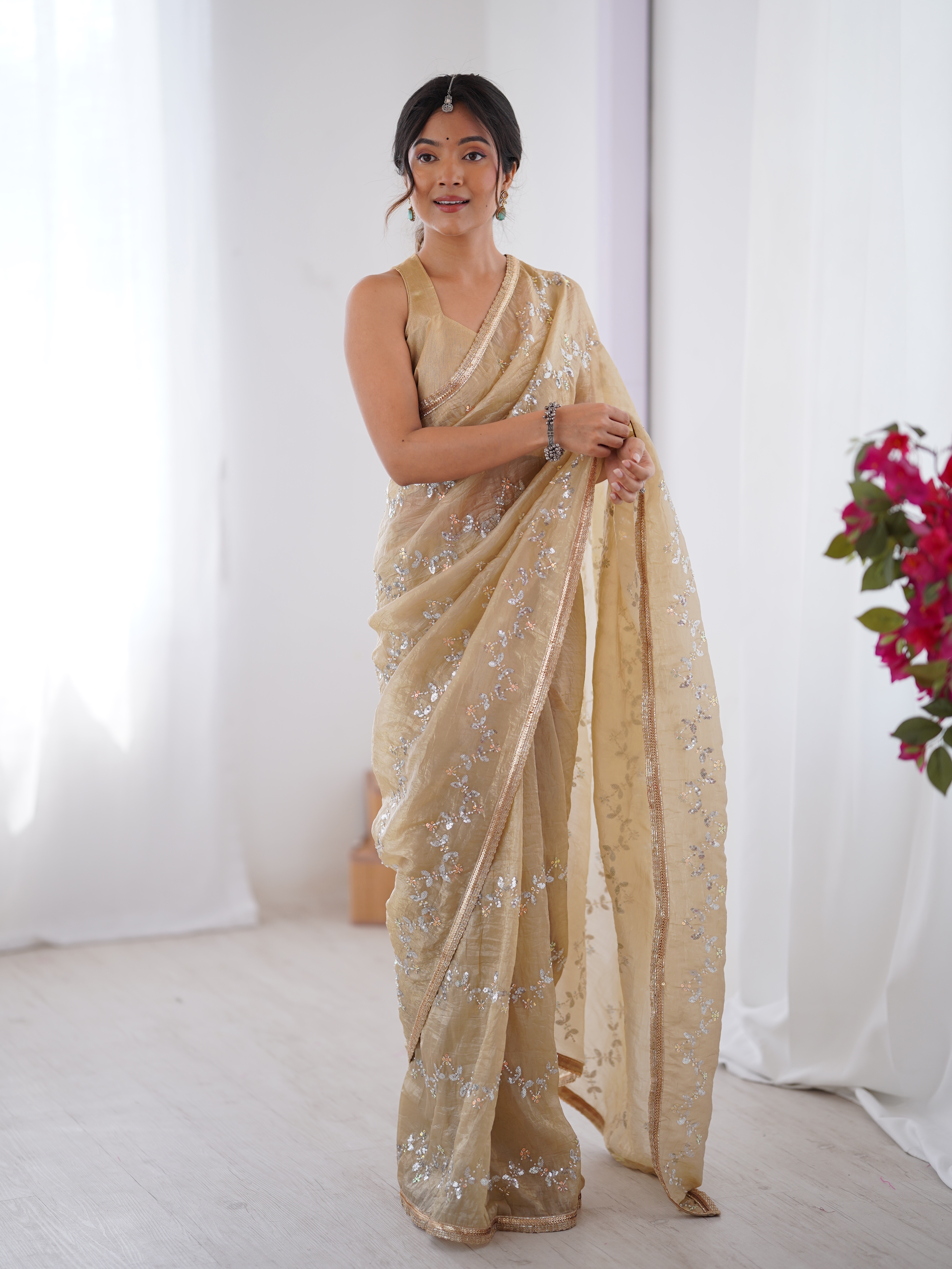
Colour placement matters as much as colour selection. A darker lower half can create visual continuity, while an ivory or soft metallic dupatta can brighten the face. If the outfit is pale, add contrast through a deeper blouse, border, necklace or lipstick rather than choosing excessive embroidery everywhere.
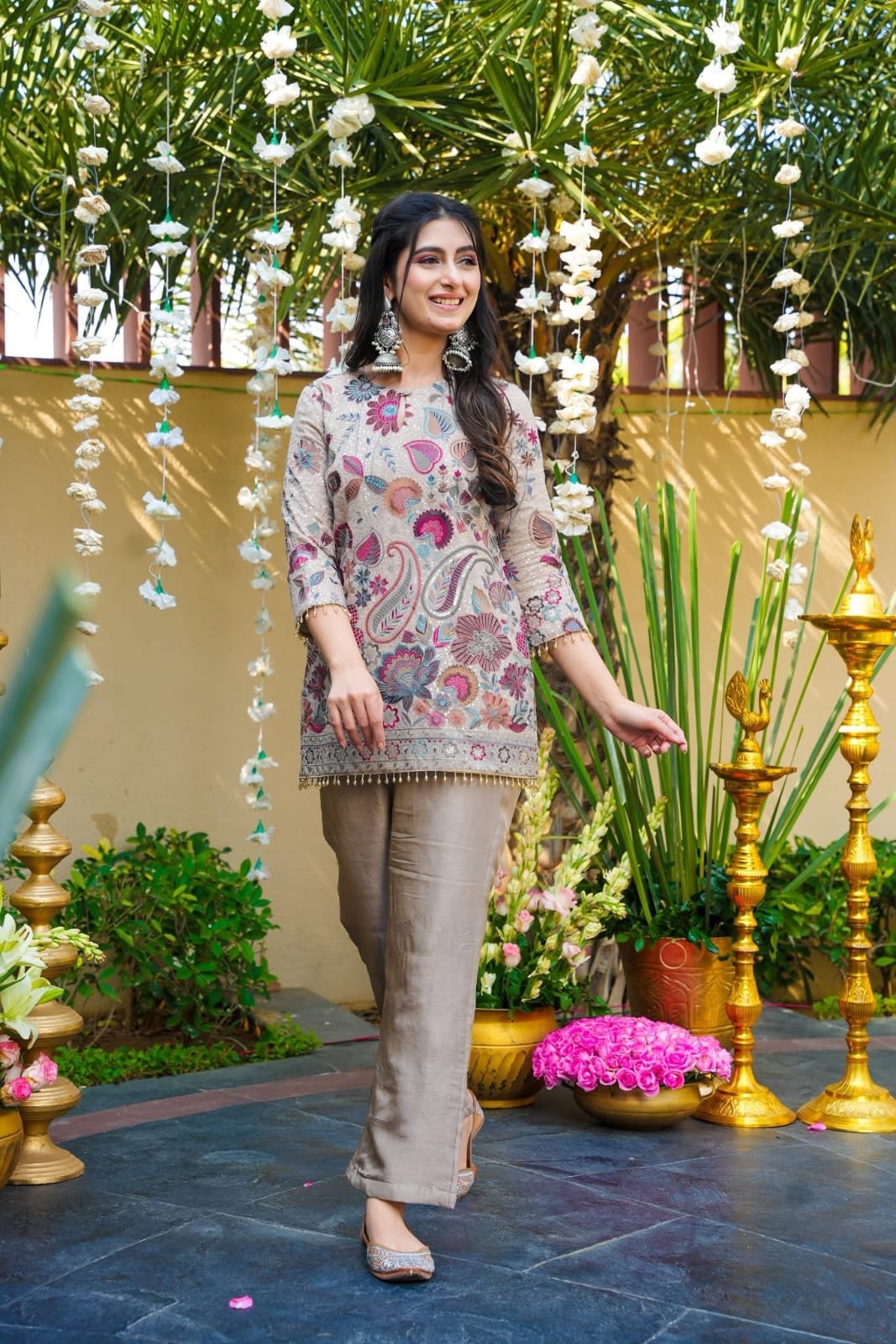
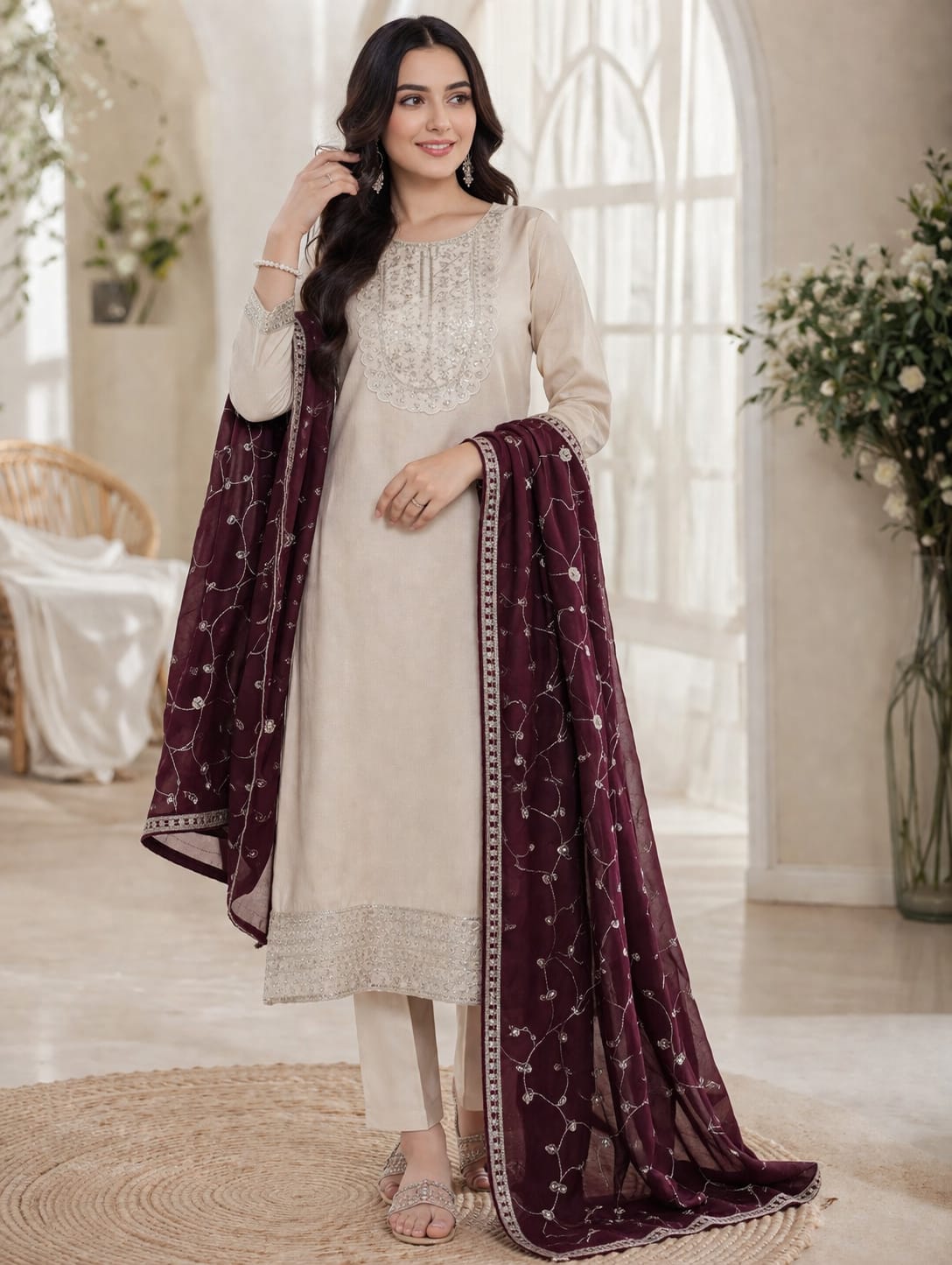
The Modern Taupe Vichitra Silk Embroidered Co-Ord Set for Women demonstrates how a muted base can look festive when embroidery supplies the focal point. The taupe colour is also versatile for pearl, antique-gold or champagne accessories. The Elegant Beige Vichitra Silk Embroidered Kurta Set for Women gives a similar neutral direction, especially for a daytime-to-evening reception where a bright jewel tone might feel too intense.
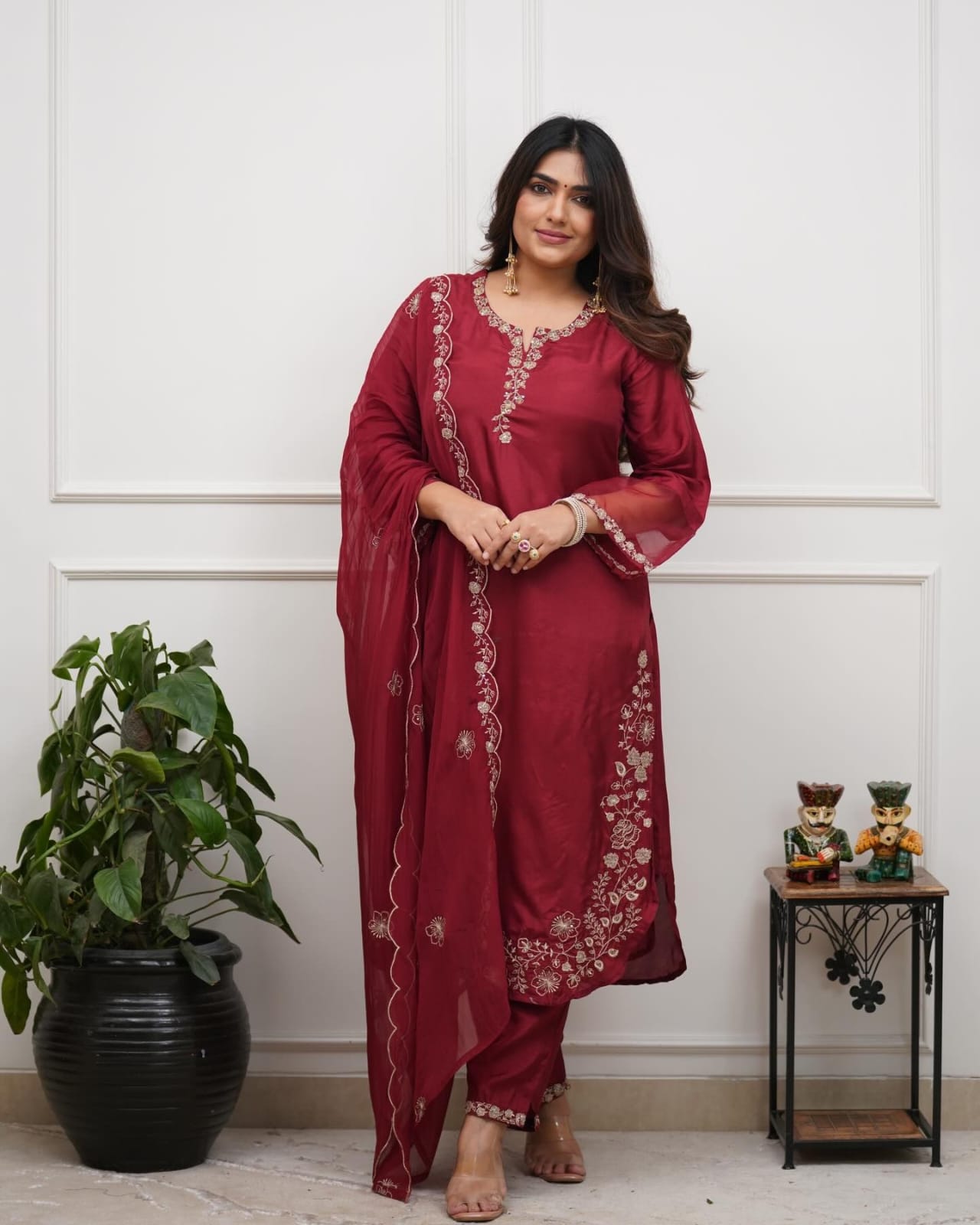
Maroon can be particularly effective for evening photographs because it has depth without the starkness of pure black. The Maroon Viscose Chanderi Silk Embroidered Kurta Set for Women shows how a rich colour and a lighter fabric can work together. Choose embroidery with a clear motif and moderate density when the goal is refinement rather than visual heaviness.
How much embellishment is appropriate after sixty?
Moderate, strategically placed embellishment is usually the most wearable choice for a reception. A decorated neckline, sleeve border, dupatta edge or saree pallu can create occasion impact without covering every surface in sequins.
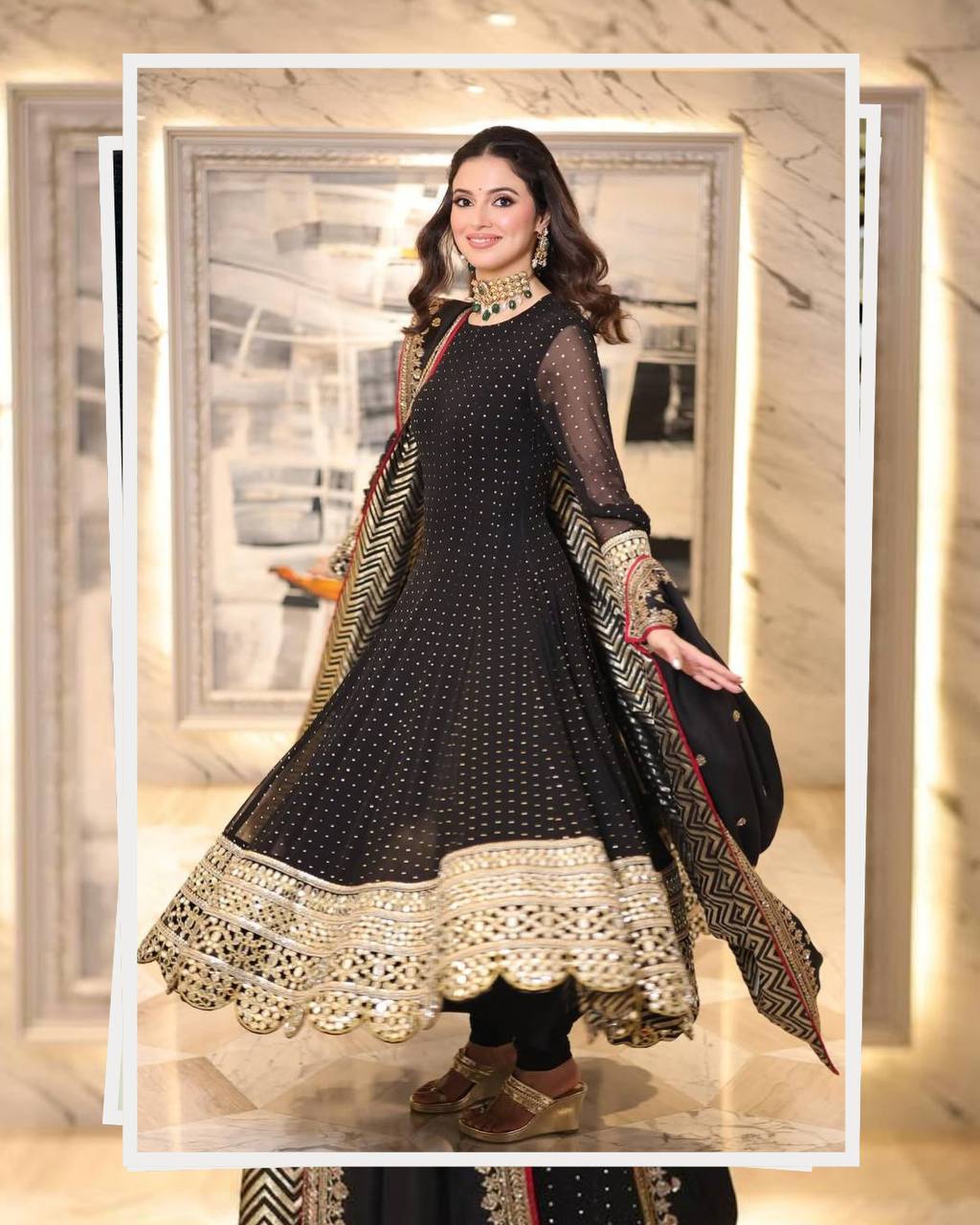
Small mirrors, zari lines, thread embroidery and tonal sequins catch light beautifully in photographs. Very reflective embellishment near the face can produce glare under flash, so matte thread or antique-gold zari may photograph more softly. The Black Embroidered Anarkali Suit Set with Zari Work illustrates the value of contrast: a dark base lets the zari become the central detail, reducing the need for multiple competing accessories.
Saree, kurta set or Anarkali: matching the outfit to the venue
A saree is ideal when the reception is formal and the wearer already feels confident managing the drape. Banarasi silk is especially appropriate for an evening hotel reception, where its woven shine and structured border complement chandeliers and formal photography.
The Purple Banarasi Soft Silk Saree With Golden Zari Border pairs a saturated colour with a clearly defined golden edge. Style a saree of this kind with a blouse that has supportive shoulder construction and sleeves long enough to feel comfortable. A medium-width border is easier to coordinate with jewellery than a very broad border, which can become the dominant visual element.
The Red Banarasi Silk Saree With Rich Golden Zari Floral Border creates a stronger, traditional statement. Because red and gold already provide high contrast, keep the necklace and earrings coordinated rather than adding several unrelated colours. A low bun, side-parted hair or a neat shoulder-length style will keep the saree's border and blouse visible in portraits.
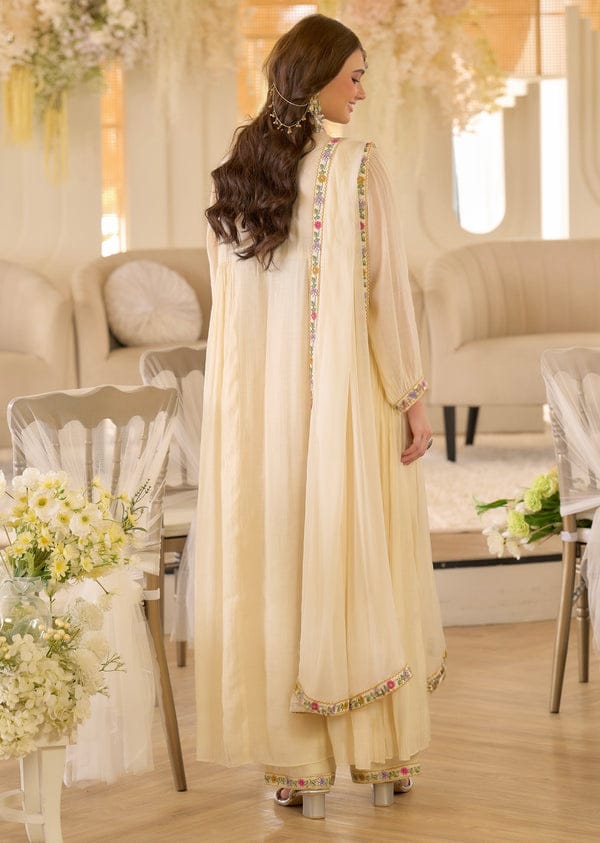
A kurta set is often the most practical choice for a reception involving travel, stairs or prolonged standing. The Shreesha Ivory Floral Embroidered Georgette Kurta Set brings a lighter visual direction through ivory and floral detail. Add a contrasting dupatta in rose, teal or gold if the outfit needs more colour, and choose a lining that prevents transparency in bright reception lighting.
An Anarkali works well when the wearer wants movement and a distinctly festive outline. Confirm that the flare doesn't catch under a chair and that the hem clears the floor by a small but safe margin. A sharara can also work for a celebratory reception, but a shorter kurta and controlled flare are more practical than an extremely voluminous lower half.
Jewellery, footwear and layers that improve comfort
Comfortable accessories make a formal outfit more successful because they allow the wearer to remain relaxed throughout the event. Choose one principal jewellery feature, one supporting feature and footwear that has already been worn indoors.
- Jewellery: Pair a detailed saree border with medium earrings and a simple bangle stack, or pair a plain kurta with a more noticeable necklace. Gold, kundan, pearls and antique-finish metal all work, but matching the metal tone to the zari prevents the outfit from looking disconnected.
- Footwear: Low block heels, cushioned wedges or embellished flats are safer than narrow stilettos for long receptions. A heel between 2 and 5 centimetres can provide height without placing excessive pressure on the forefoot.
- Handbag: A small structured potli or shoulder bag should hold spectacles, medication, tissues and a phone without becoming heavy. A long detachable strap can be useful when both hands are needed for greeting guests.
- Layering: A lightweight silk stole, lined shrug or shawl protects against strong air-conditioning. Keep the layer close in colour to the outfit or use it to repeat one accent shade from the jewellery.
Safety pins should be placed discreetly at the saree shoulder, waist and pallu fold, but excessive pinning can distort delicate georgette or Chanderi. Test the complete outfit at home for ten minutes, including sitting, walking, reaching forward and using the stairs. That simple test often reveals a slipping blouse, tight sleeve or unstable hem before the event.
Small tailoring changes that make occasion wear more flattering
Tailoring improves comfort and proportion more reliably than adding extra decoration. A raised armhole, a slightly longer sleeve, a side slit adjusted for stride or a better-positioned waist seam can change how confidently an outfit moves.
Ask a tailor to check the neckline while seated as well as standing. A neckline that looks modest when upright may gape when the wearer leans forward. A shallow V-neck, round neck or soft square neck can frame the face without requiring a deep cut. Three-quarter sleeves are flexible, while full sleeves in an unlined or stiff fabric may feel warm indoors.
Dupatta placement can also alter the silhouette. Draping one end over the shoulder and allowing the other end to fall vertically creates length. Folding a wide dupatta lengthwise reduces bulk around the arms. If a dupatta repeatedly slips, request a small loop or use a discreet brooch rather than continuously pulling the fabric into place.
A practical reception dressing plan
Plan the complete outfit at least three days before the reception, and complete alterations no later than the previous day. Place the garment on a hanger, check for loose threads, test the fastenings and inspect the lining under direct light.
- Choose the silhouette according to the venue, travel and expected amount of walking.
- Select fabric according to weather and indoor temperature, giving preference to lined, breathable materials.
- Try the outfit with the intended bra, slip, footwear and jewellery.
- Photograph the full look in both natural light and indoor light to check colour balance and glare.
- Pack safety pins, a small sewing kit, blister plasters, a stain-removal wipe and any essential medication.
For cleaning, follow the garment label rather than relying on the fibre name alone. Banarasi silk and zari garments commonly benefit from professional dry cleaning, while some lined viscose or georgette pieces may have different instructions. Store sarees and embroidered sets clean, dry and folded with acid-free tissue between heavy embellishments to reduce snagging and colour transfer.
An Indian wedding reception outfit for women over sixty can be heritage, modern or a deliberate combination of both. A carefully chosen Banarasi silk saree, a breathable embroidered kurta set or a controlled Anarkali flare will look most convincing when the wearer can sit, move, greet guests and enjoy dinner without adjusting the clothing every few minutes.
Questions readers ask about reception outfits after sixty
What is the most comfortable Indian wedding reception outfit for a woman over sixty?
A lined kurta set with straight trousers or a gently flared Anarkali is usually the most comfortable option for a long reception. The outfit should have breathable fabric, sufficient upper-arm ease, a stable waistband and a hem that doesn't drag.
Can a woman over sixty wear a Banarasi silk saree to a wedding reception?
Yes, a woman over sixty can wear a Banarasi silk saree to a wedding reception. Secure the pleats and pallu with discreet pins, choose supportive footwear and select a blouse with a comfortable neckline and sleeves.
Which colours look elegant for an evening reception?
Maroon, purple, emerald, navy, deep rose and antique gold usually look elegant for an evening reception. Ivory, beige and taupe can also work when paired with embroidery or contrasting jewellery that prevents the outfit from appearing flat.
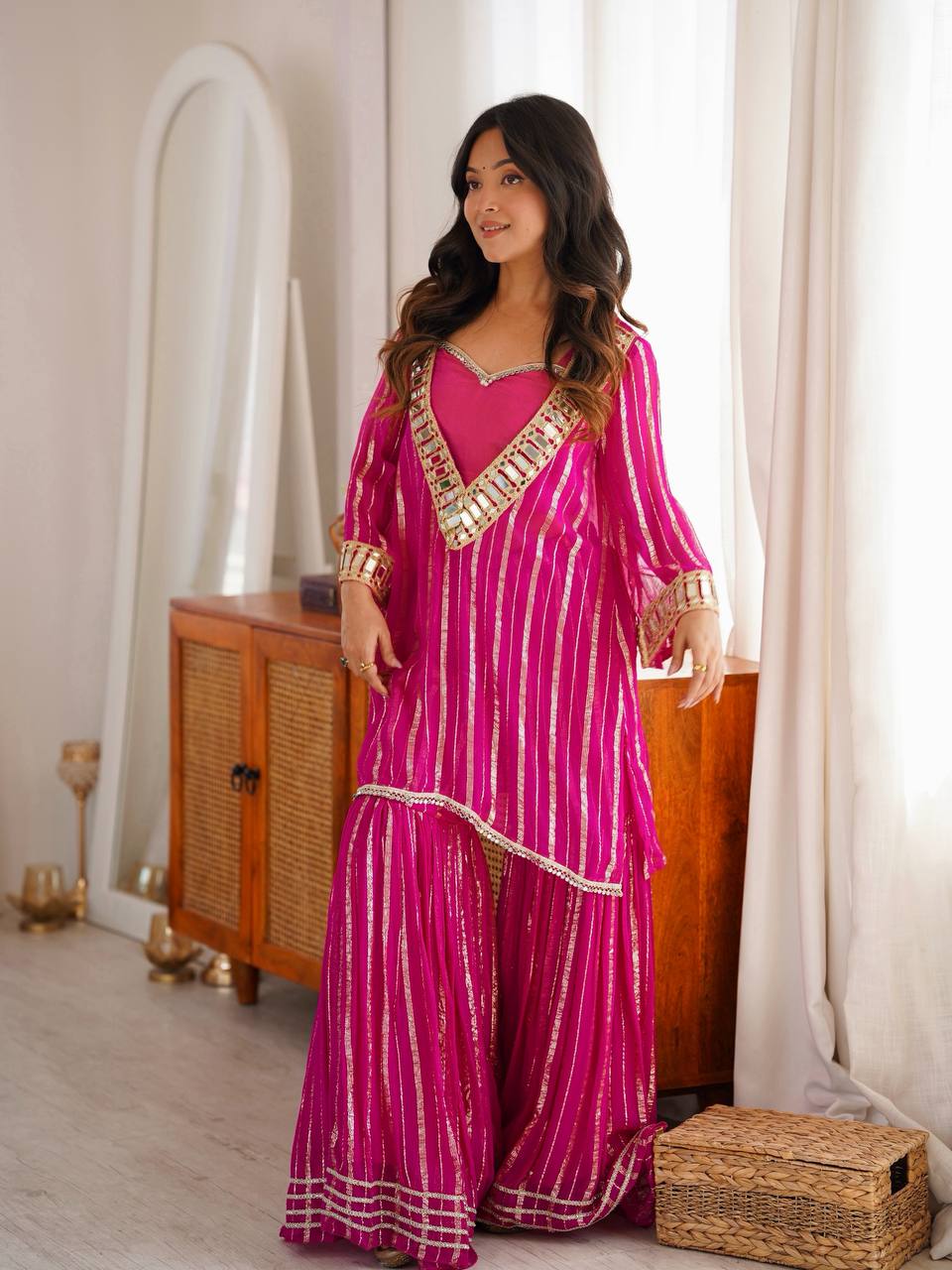
Is a sharara suitable for women over sixty?
A sharara is suitable when the flare is controlled and the wearer can walk comfortably in it. Choose a medium-weight fabric, a kurta with an easy hem and footwear that has enough grip for smooth reception floors.
How can an older woman make a simple kurta set look festive?
A simple kurta set becomes festive through one strong accessory, such as a zari dupatta, pearl necklace, embroidered potli or polished earrings. Coordinating the accessory with the outfit's embroidery creates a more refined result than layering several unrelated statement pieces.
What footwear should be worn with a formal Indian outfit after sixty?
Low block heels, cushioned wedges and supportive embellished flats are practical footwear choices for a formal Indian outfit after sixty. Wear the shoes indoors before the reception and carry blister plasters if the event involves extended standing.
Common Reception Outfit Questions for Women Over Sixty
What is the most comfortable Indian wedding reception outfit for a woman over sixty?
A lined kurta set with straight trousers or a gently flared Anarkali is usually the most comfortable option for a long reception. The outfit should have breathable fabric, sufficient upper-arm ease, a stable waistband and a hem that does not drag.
Can a woman over sixty wear a Banarasi silk saree to a wedding reception?
Yes, a woman over sixty can wear a Banarasi silk saree to a wedding reception. Secure the pleats and pallu with discreet pins, choose supportive footwear and select a blouse with a comfortable neckline and sleeves.
Which colours look elegant for an evening reception?
Maroon, purple, emerald, navy, deep rose and antique gold usually look elegant for an evening reception. Ivory, beige and taupe can also work when paired with embroidery or contrasting jewellery that prevents the outfit from appearing flat.
Is a sharara suitable for women over sixty?
A sharara is suitable when the flare is controlled and the wearer can walk comfortably in it. Choose a medium-weight fabric, a kurta with an easy hem and footwear that has enough grip for smooth reception floors.
How can an older woman make a simple kurta set look festive?
A simple kurta set becomes festive through one strong accessory, such as a zari dupatta, pearl necklace, embroidered potli or polished earrings. Coordinating the accessory with the outfit's embroidery creates a more refined result than layering several unrelated statement pieces.
What footwear should be worn with a formal Indian outfit after sixty?
Low block heels, cushioned wedges and supportive embellished flats are practical footwear choices for a formal Indian outfit after sixty. Wear the shoes indoors before the reception and carry blister plasters if the event involves extended standing.