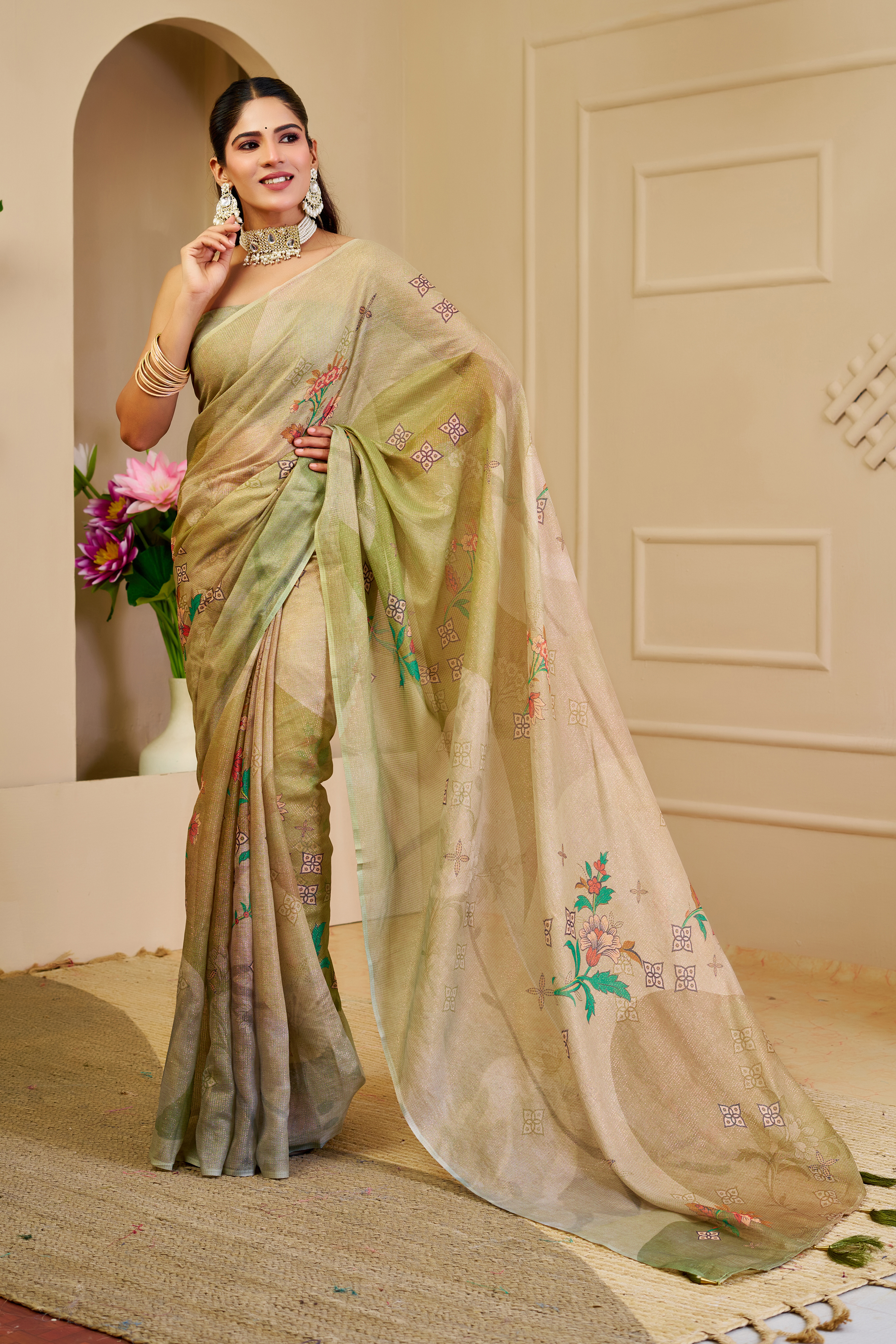
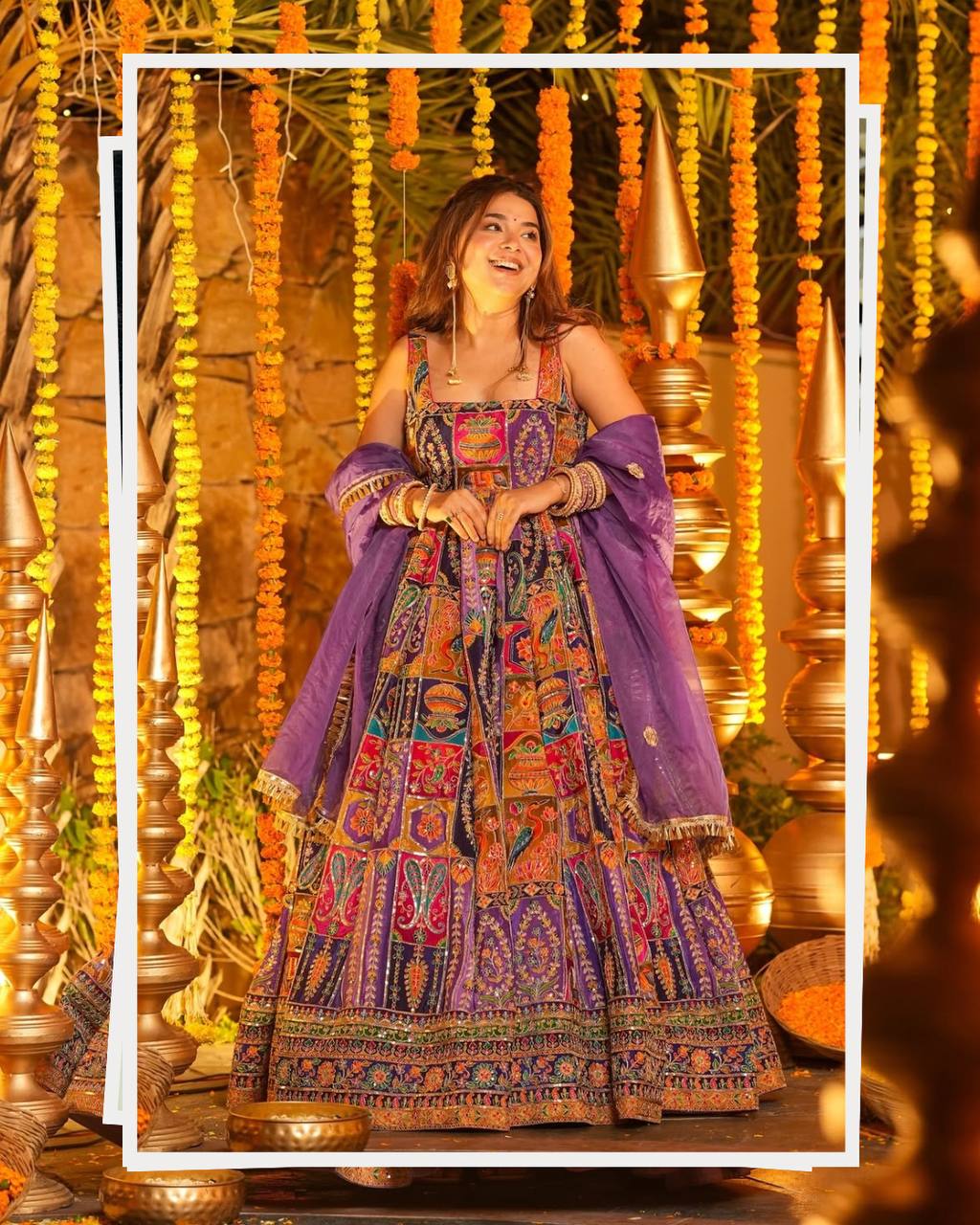
A Three Function Wedding Wardrobe With Only Two Dupattas can cover a Haldi ceremony, a sangeet and the wedding day without making every outfit look identical. The method depends on assigning each outfit a different visual role through colour, fabric weight, drape and accessories. Two carefully selected dupattas can move between silhouettes while jewellery, footwear and hair create the changes that guests notice first.
A practical plan begins with three base outfits: one comfortable look for daytime colour and movement, one sharper ensemble for dancing or an evening gathering, and one more formal outfit for the wedding ceremony. The two dupattas should not compete with every garment. One should add colour or texture, while the other should provide a quieter, polished finish.
A Three Function Wedding Wardrobe With Only Two Dupattas starts with three distinct dress codes
Three wedding functions need different levels of comfort, movement and formality. A Haldi ceremony usually rewards lighter fabrics and secure styling, a sangeet needs freedom to move, and a wedding ceremony can support richer silk, zari or embroidery.
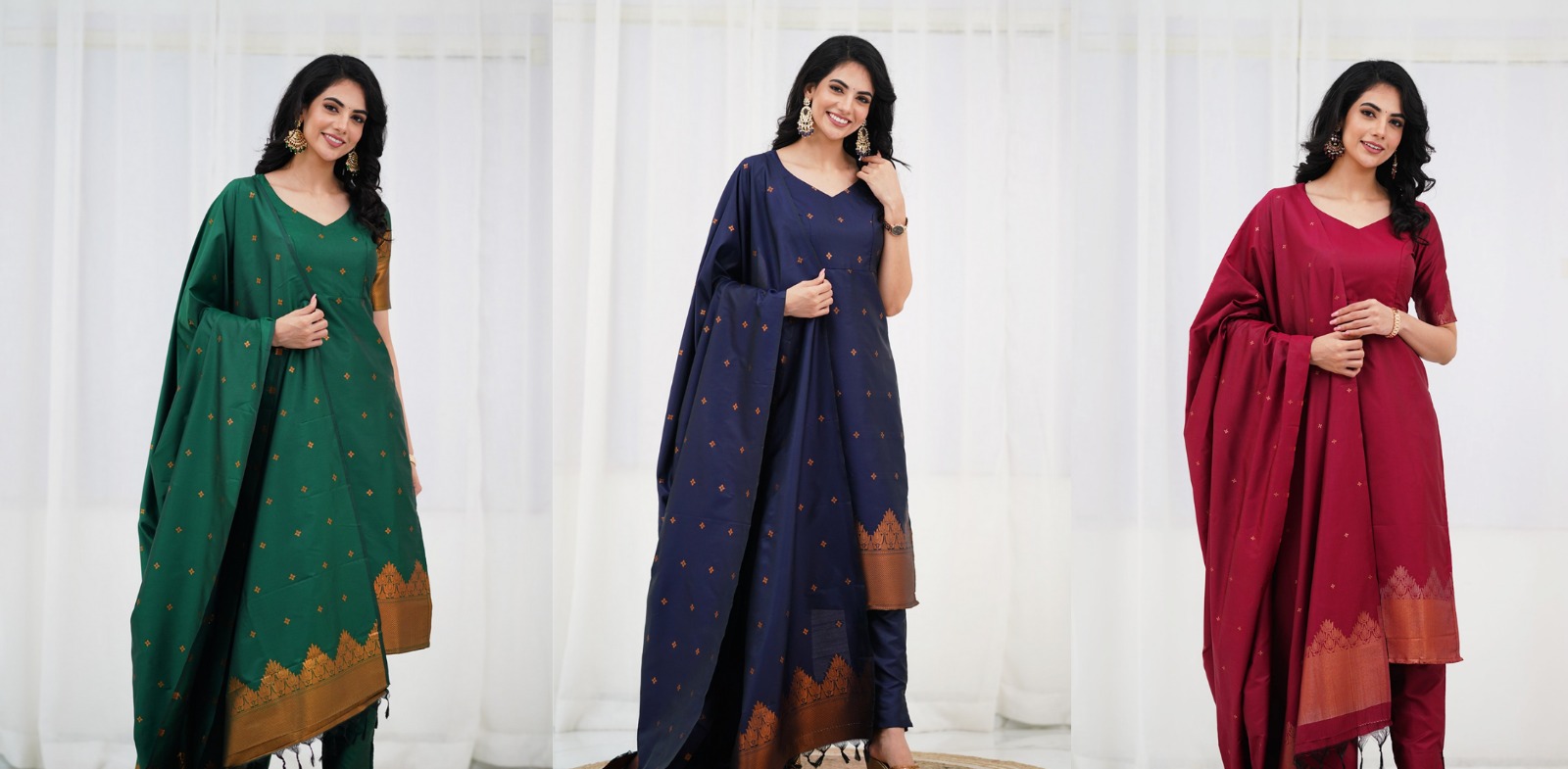
For the Haldi ceremony, choose a silhouette that leaves the arms and feet relatively free. A readymade sharara suit or a straight kurta with trousers works well because the outfit requires less adjustment during photographs, rituals and outdoor movement. Parrot Green Embroidered Readymade Sharara Suit Set is an useful example of a daytime base because parrot green feels festive without depending on heavy metallic work.
For the sangeet, use a silhouette with visible shape and controlled volume. A gown set can look distinct from a sharara even when both outfits use one of the same dupattas. Teal Blue Vichitra Silk Embroidered Gown Set Online Copy Title provides a jewel-toned evening direction, while a contrasting dupatta changes the balance from sleek to dramatic. A gown also allows a waist belt, statement earrings or a cropped jacket to become the main styling change.
For the wedding ceremony, select the outfit with the strongest fabric presence or most formal finish. Taupe Beige Vichitra Silk Embroidered Gown Set Online offers a softer neutral foundation for an ornate dupatta, temple jewellery or a richer makeup palette. A neutral base prevents the final outfit from looking like a brighter repeat of the sangeet look.
A Three Function Wedding Wardrobe With Only Two Dupattas needs dupattas with separate jobs
The most versatile two-dupatta plan uses one adaptable statement dupatta and one refined neutral or tonal dupatta. Choosing two heavily embellished dupattas usually creates visual duplication rather than a flexible wardrobe.
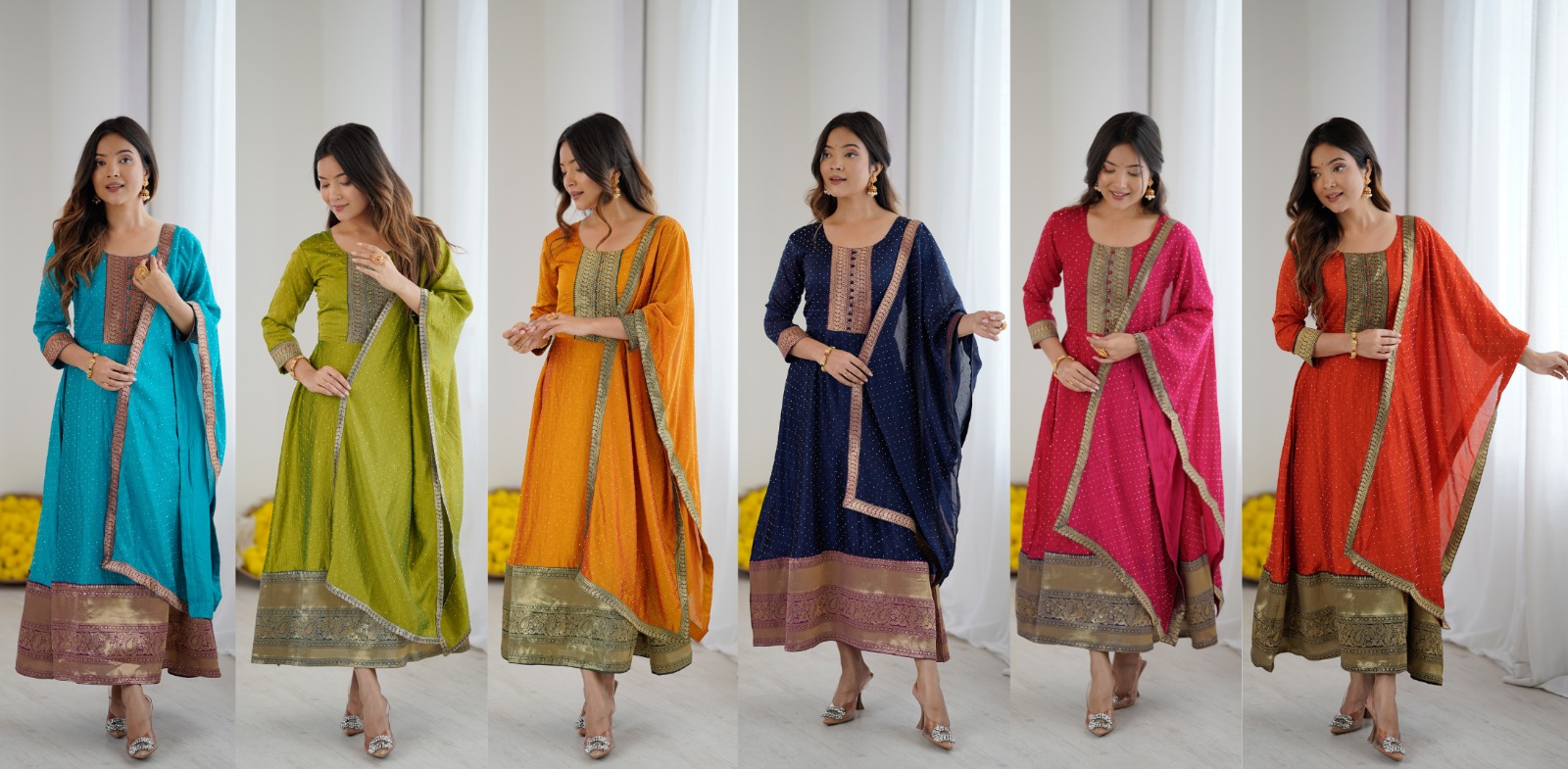
The statement dupatta should introduce a colour that appears in at least two base outfits. Deep pink, emerald, parrot green, teal, rust or muted gold can bridge otherwise unrelated garments. The statement piece may include zari, woven pattern, sequins or a broad border, but the fabric should remain comfortable enough for at least two functions.
The second dupatta should calm the wardrobe down. Chanderi, organza, Kota or a light silk-blend dupatta can provide structure without adding excessive weight. Black, ivory, taupe and muted gold are especially useful because they work with both cool and warm clothing. Vichitra Jacquard Woven Gown Dupatta Set shows how a woven surface can provide interest even when the colour palette is restrained.
Place both dupattas beside every base outfit in daylight and indoor light before buying. Check whether each dupatta repeats a colour already present in the embroidery, border or fabric. A dupatta that matches only one garment is a single-use purchase, while a dupatta that connects two or three outfits earns space in a compact wedding wardrobe.
A Three Function Wedding Wardrobe With Only Two Dupattas works through planned colour contrast
Colour contrast, tonal dressing and repeated accents make the same dupatta appear different across separate wedding outfits. The eye reads the full colour relationship before it notices that a textile or accessory has been repeated.
A cool-toned dupatta works naturally with teal, blue, black and selected greens. Teal Blue Embroidered Silk Blend Kurta Dupatta Set demonstrates a cool jewel palette that can be styled with silver-toned jewellery for a sangeet or warmed with antique gold accessories for a wedding ceremony. If the same dupatta is placed over a black base, the result becomes high contrast; over teal, the result becomes tonal and more understated.
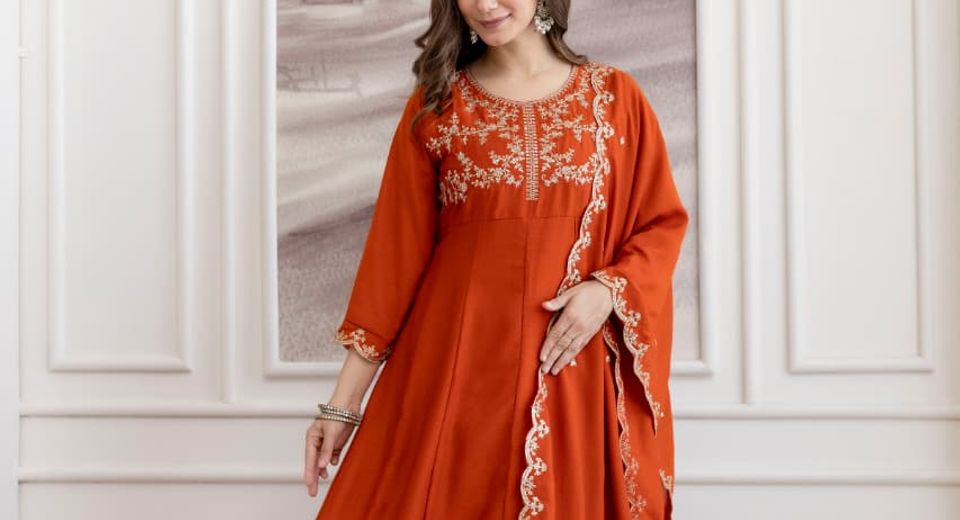
A warm-toned dupatta connects rust, beige, pink, coral and gold. Rust Orange Embroidered Readymade Suit Set for Women can serve as a warm daytime base, while a pink or muted gold dupatta changes the mood without requiring another complete outfit. Warm colours also photograph well in outdoor wedding settings, where direct sunlight can flatten darker fabrics.
Keep one repeated colour visible in each look, but change where that colour appears. A teal accent may sit in the dupatta during the first function, appear in earrings during the second and return as footwear or bangles during the third. Repetition then reads as wardrobe planning rather than accidental outfit recycling.
A Three Function Wedding Wardrobe With Only Two Dupattas needs three secure drapes
A front-open drape, a shoulder-focused drape and a belted or waist-secured drape create three recognisably different silhouettes from the same textile. The drape should respond to the garment underneath rather than being treated as a fixed finishing step.
Haldi ceremony drape
Use a single-shoulder or front-open drape with the ends secured at the waist for a Haldi ceremony. Pin the shoulder at least 5 centimetres inward from the armhole, then use a small hidden safety pin or brooch at the waist so the dupatta doesn't fall forward during rituals.
A lighter dupatta is preferable for a Haldi ceremony because turmeric, flower petals and outdoor dust can be difficult to remove from dense zari or delicate sequins. Keep the pallu or longer end above the floor, especially when the outfit includes a sharara with a wide hem. Flat juttis or low block heels are safer than narrow stilettos on grass, stone or uneven courtyards.
Sangeet drape
Use a pleated shoulder drape or a structured cross-body drape for a sangeet because both styles protect the dupatta while leaving the hands and waist visible for movement. Pleat the shoulder section into 5 to 7 folds and secure it with a brooch, then let the remaining fabric fall behind the elbow instead of dragging near the feet.
A cross-body drape can be wrapped diagonally from one shoulder to the opposite hip and secured under a belt or discreet waist pin. The method works particularly well with a gown or streamlined kurta because the diagonal line creates definition. Avoid placing a heavy brooch directly on delicate Chanderi or fine organza; use a fabric-covered pin or attach the brooch to a sturdier border.
Wedding ceremony drape
Use a formal pallu drape or a double-shoulder drape when the wedding ceremony calls for greater coverage and a traditional finish. A double-shoulder drape places the centre of the dupatta at the back of the neck or upper back, with both ends falling evenly over the shoulders.
For a pallu effect, create narrow, even pleats, place them over the left shoulder and secure the top with a brooch that echoes the outfit's metalwork. This method allows zari, jacquard weaving or an ornate border to remain visible in photographs. Measure the drape before the event so the lower edge finishes around the ankle or just above the floor rather than collecting under the footwear.
A Three Function Wedding Wardrobe With Only Two Dupattas becomes flexible through different base silhouettes
Three base outfits become more adaptable when each has a different silhouette, neckline or surface texture. Colour alone can't prevent repetition if every garment has the same straight-cut shape and identical embroidery placement.
A kurta set can become the most flexible daytime option because it can take either a full dupatta drape or a shorter scarf-style arrangement. Madhuri 2 Pink Chanderi Silk Kurta Set for Women | Varnavi brings a lighter Chanderi direction into the wardrobe and can be styled with heritage gold jewellery for a ceremony or simpler earrings for a pre-wedding gathering.
A black base gives the two dupattas a strong contrast point. Madhuri 2 Black Chanderi Silk Embroidered Kurta Set creates a more evening-oriented foundation, particularly when paired with vivid pink, teal or rust. Keep the jewellery lighter if the dupatta has a wide border, because black already increases the visual intensity of metallic accents.
A gown or sharara should not receive the same waist treatment each time. Wear a gown with a defined belt for one function, allow the waist to remain clean for another, and add a long necklace or layered earrings for the formal event. With a sharara, change the kurta length, sleeve styling or hairstyle rather than adding more embroidery. Small structural changes are more convincing than simply switching bangles.
Another useful base is a lighter silk-blend kurta set that can move between day and evening. Teal Blue Embroidered Silk Blend Kurta Dupatta Set can be worn with its original coordinated styling for one gathering and treated as a colour reference for a separate dupatta on another evening. The difference comes from the drape and accessories, not from overloading the outfit with extra pieces.
Vichitra silk and Chanderi silk should be handled differently when building the wardrobe. Vichitra silk usually has a more fluid, lustrous fall and can carry embroidery or woven pattern with a formal finish. Chanderi silk is lighter and more translucent in many weaves, so a clean lining, careful pinning and lower-weight jewellery help preserve its shape.
A Three Function Wedding Wardrobe With Only Two Dupattas needs accessory resets and a practical packing plan
Accessories create a strong visible difference when clothing repeats. A compact wedding wardrobe should therefore include three jewellery moods rather than three complete clothing purchases.
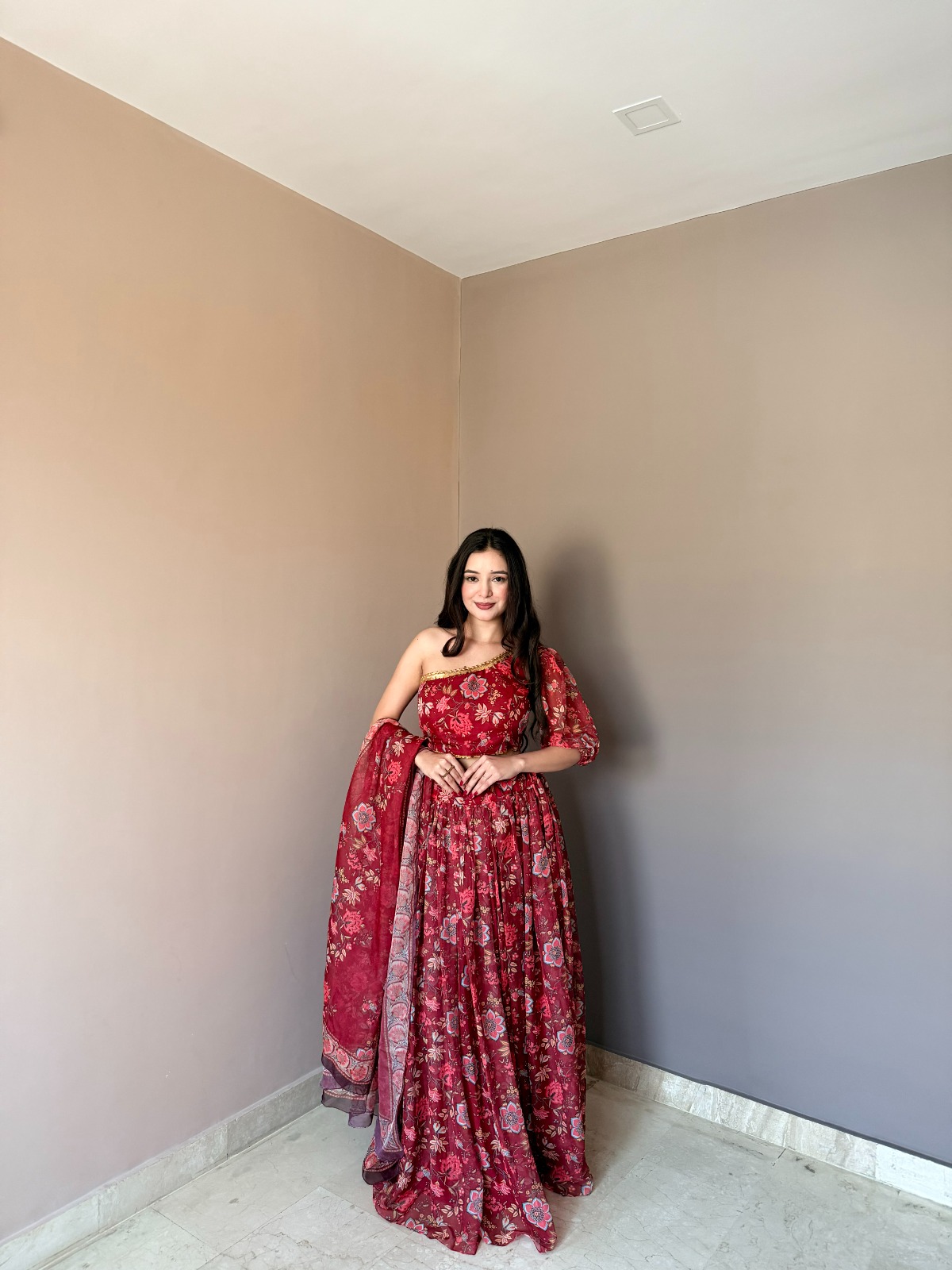
For daytime, use lightweight jhumkas, a few glass bangles and flat or low-heeled footwear. For the sangeet, use one statement element such as chandelier earrings, a cuff or a waist belt, while keeping the remaining accessories restrained. For the wedding ceremony, choose coordinated necklace and earrings, a gajra or a neat bun, and footwear that can remain comfortable for at least three hours.
Change the hairstyle according to the neckline and drape. Open waves suit a simple shoulder drape, a low bun supports a formal double-shoulder drape, and a braid works well with a Haldi outfit that needs the face and neck to remain clear. Hair changes are inexpensive, photograph clearly and prevent repeated clothing from dominating the visual impression.
Pack each function as a complete labelled set rather than packing by garment type. Place the base outfit, selected dupatta, jewellery, footwear, pins and emergency sewing kit together in one breathable garment bag. Add two medium safety pins, four small safety pins, fashion tape, stain-removal wipes, a needle, matching thread and a spare earring back.
Steam each outfit 24 to 48 hours before wearing it, then test the full drape while sitting, walking and raising both arms. A wedding outfit that looks attractive while standing may become uncomfortable when the wearer sits through a ceremony or dances for an hour. Take a full-length photograph in indoor and outdoor light because borders, transparency and colour contrast can look different on camera.
Keep turmeric, oil and makeup stains from spreading by treating them quickly. Blot liquid with a clean white cloth instead of rubbing the fabric. Do not apply bleach, perfume or household stain remover to Banarasi silk, Chanderi silk, zari or embellished Vichitra silk without checking the care label or consulting a professional cleaner.
A three-function plan is successful when each look has a clear purpose: lively and practical for the Haldi ceremony, shaped and movement-friendly for the sangeet, and refined for the wedding ceremony. Two dupattas are enough when they connect the colour palette, contrast with more than one base outfit and receive different drapes. The result isn't merely a smaller suitcase; it's a wardrobe in which every piece earns its place.
Practical Questions About Building a Three-Function Wedding Wardrobe With Two Dupattas
Can two dupattas really work for three Indian wedding functions?
Yes, two dupattas can work for three functions when one provides statement colour and the other supplies a neutral or tonal finish. Different base silhouettes, drapes, jewellery and hairstyles make the finished looks visibly distinct.
Which dupatta should I wear for a Haldi ceremony?
A lighter dupatta with a secure waist or shoulder drape is usually the safest choice for a Haldi ceremony. Chanderi, light silk-blend, Kota or organza can work, but delicate embellishment should be protected from turmeric, flower petals and outdoor dust.
How can I style the same dupatta differently for a sangeet and wedding ceremony?
Use a pleated shoulder or cross-body drape for a sangeet and a formal pallu or double-shoulder drape for the wedding ceremony. A belt, different brooch, heavier jewellery and a change from open hair to a bun will reinforce the difference.
What colours pair well across a multi-function wedding wardrobe?
Teal, rust, pink, parrot green, black, taupe and muted gold are practical connecting colours. Repeat one small colour accent in each outfit while changing the dominant colour relationship, such as tonal teal for one look and high-contrast teal with black for another.
Is Chanderi silk suitable for wedding guest dressing?
Chanderi silk is suitable for wedding guest dressing when the outfit is lined and handled carefully. The fabric is lightweight and elegant, but fine pins, heavy brooches and rough jewellery can pull the weave, so use secure low-weight accessories.
How should wedding outfits with zari or embroidery be stored between functions?
Air an embellished outfit before storage, remove surface moisture and fold it with soft uncoloured cotton or acid-free tissue between heavy embroidered areas. Store zari, Chanderi silk and Vichitra silk away from direct sunlight and avoid placing heavy garments on top of delicate dupattas.