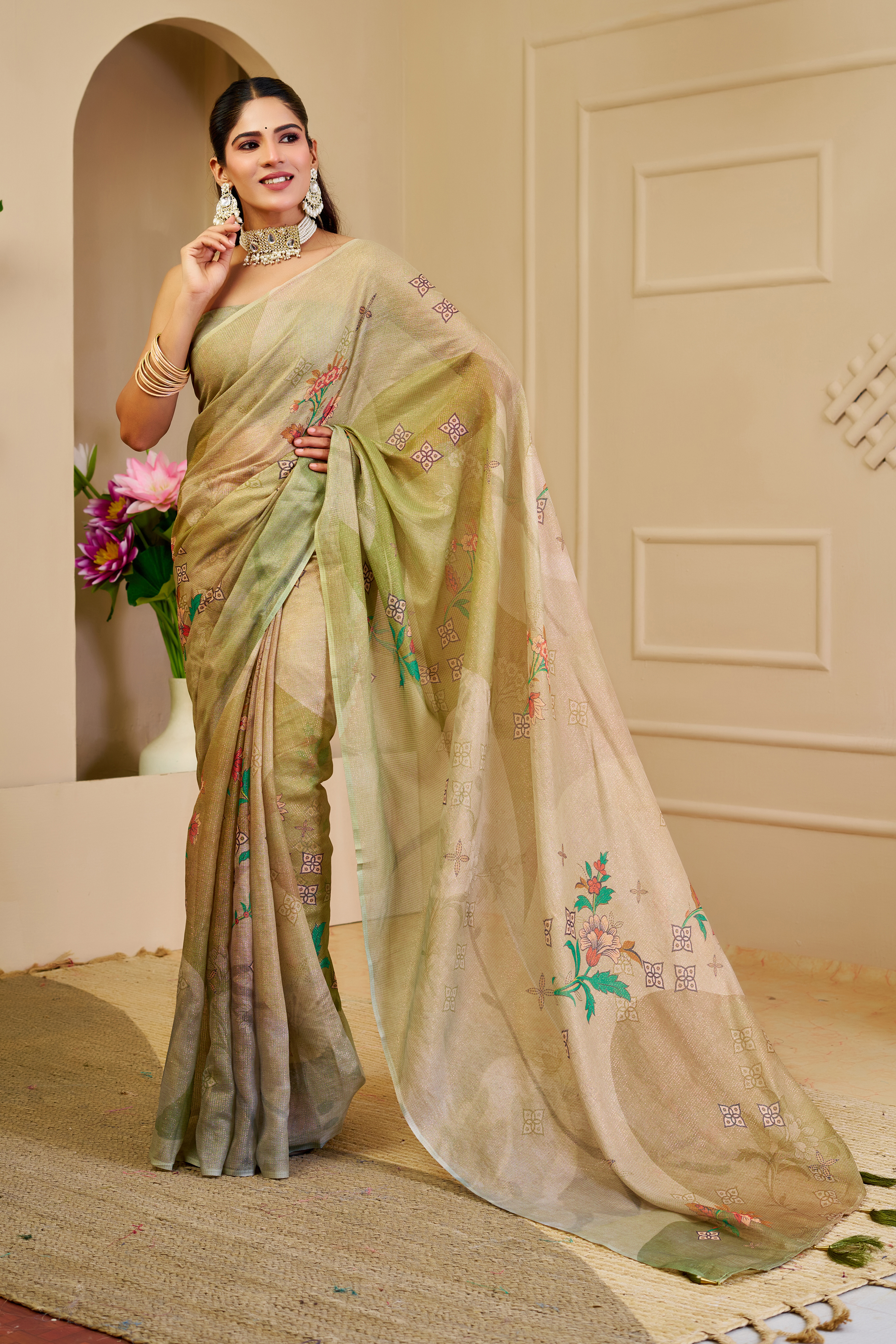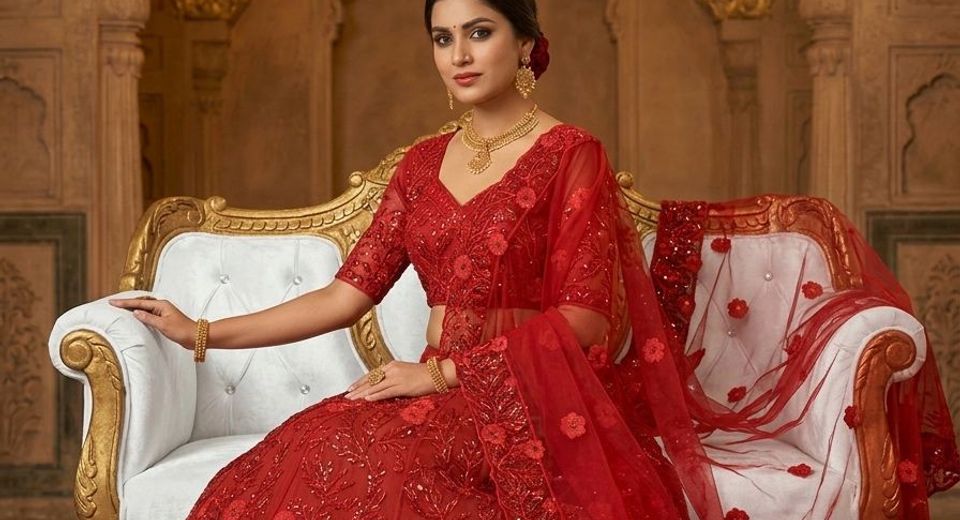
A teen lehenga for a cousins wedding that can be worn again needs more than sparkle for one evening. The best choice combines a comfortable blouse, a skirt that allows movement, a dupatta that can be restyled and a colour that works beyond wedding photographs. With the right fabric and proportions, one lehenga can attend a sangeet, a birthday party, a Diwali gathering or a school farewell without looking repetitive.
Teenagers also need clothing that survives real movement: sitting cross-legged, climbing stairs, dancing, eating comfortably and staying dressed for four to six hours. A beautiful outfit becomes poor value when the waistband pinches, sequins scratch the arms or the blouse only works with one skirt. The buying decisions below help families choose festive Indian wear with a longer wardrobe life.
What should a teen lehenga for a cousins wedding do well?
A teen lehenga for a cousins wedding should feel festive in photographs while remaining comfortable enough for movement, meals and several hours of wear. The outfit should also offer at least two future styling routes, such as wearing the blouse with palazzo trousers or pairing the skirt with a plain kurta.
Start by separating permanent features from removable features. Embroidery, woven motifs and a distinctive border are permanent design details. A dupatta, blouse sleeves, waist belt, tassels and jewellery are easier to change. A lehenga with a relatively clean skirt and a detailed blouse often gives more rewear options than a heavily embellished three-piece set where every component has the same wedding-specific shine.
Teen bodies can change quickly, so adjustable construction matters. Look for a blouse with tie-up dori, hooks placed in more than one position or modest seam allowance. A skirt with an elasticated back panel, side zip plus hooks or an adjustable drawstring can remain useful for longer than a rigid fitted waistband. Alterations should preserve the original shape rather than cutting away all extra fabric.
How much movement should the skirt allow?
A teen lehenga skirt should allow a comfortable walking stride and enough flare for sitting and dancing without pulling at the waistband. A practical test is to walk, sit on a chair, raise both arms and take several steps before finalising the outfit.
Very wide can-can layers create a dramatic silhouette but may become warm and difficult to manage in crowded venues. A moderate flare with a soft lining usually works better for a teenager attending a wedding ceremony, dinner and dance function in the same outfit. Check whether the hem is likely to catch under sandals or heels, especially when the teen will move between indoor and outdoor spaces.
Which fabrics make a wedding lehenga easier to rewear?
Lightweight silk blends, satin, georgette, organza and net can all work for repeat wear, but each fabric suits a different kind of wardrobe and climate. The most practical choice depends on how much structure, breathability and maintenance the wearer needs.
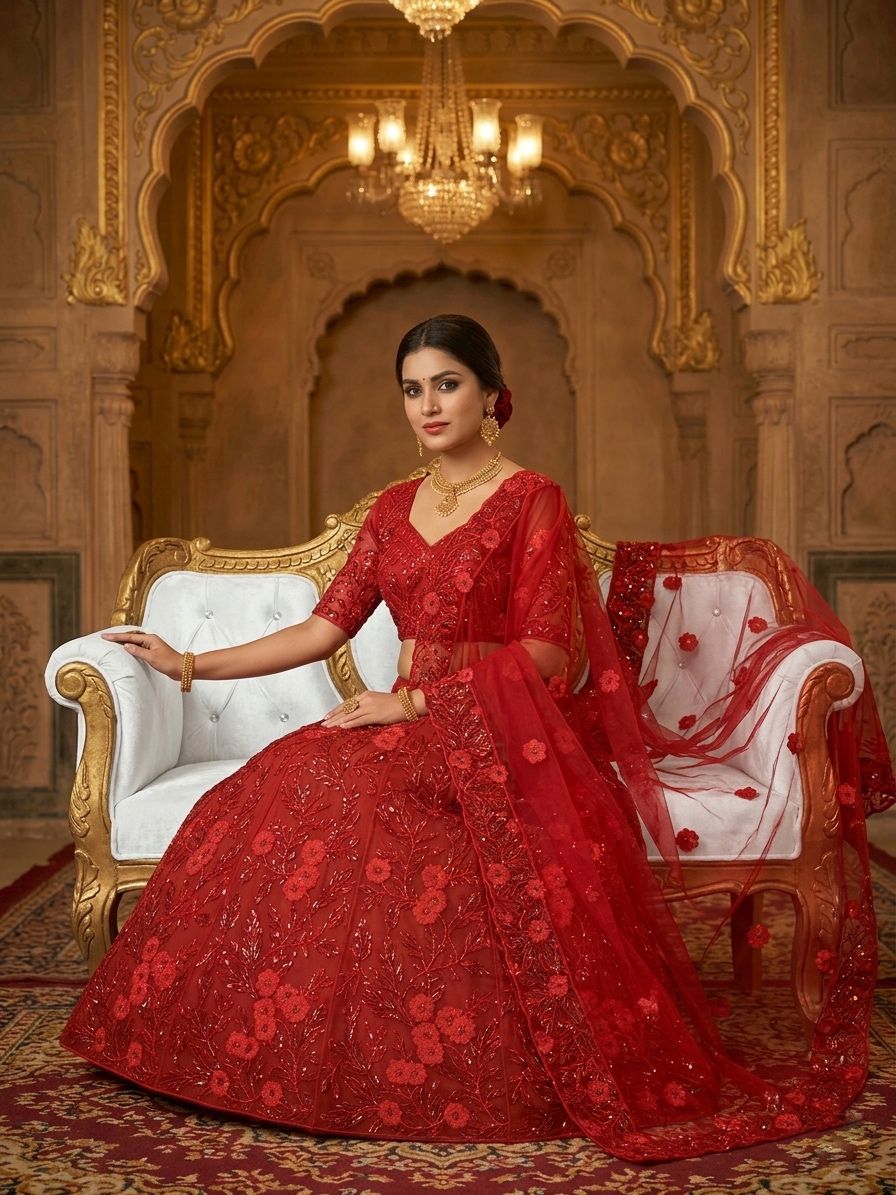
- Silk and silk blends: Silk lehengas have a polished surface and hold shape well for weddings, festive dinners and family portraits. Banarasi silk or woven silk can be repeated with a simple blouse or a contrasting dupatta, although heavier silk may feel warm in humid weather.
- Satin: Satin gives a smooth, dressy finish and photographs well under indoor lighting. Satin can snag against rough jewellery or chair edges, so careful storage and gentle handling are important.
- Georgette: Georgette is light, fluid and relatively easy to move in. A georgette skirt can feel less formal after the wedding when paired with a short kurti or a plain crop top.
- Net: Net adds volume and a youthful party look, particularly when layered over a lining. Net can be comfortable when the lining is soft, but exposed sequins and rough embroidery should not sit directly against the skin.
- Organza: Organza creates crisp volume and a contemporary silhouette. Organza works well for a short celebration but can feel less forgiving than georgette when a teenager wants to sit or dance for a long time.
A product such as Designer Threadwork Silk Lehenga Choli Set with Dupatta shows why fabric choice influences repeat styling. Silk and threadwork can look wedding-ready with traditional jewellery, while the same blouse may work with a simpler skirt or wide-leg trousers at another celebration. Pastel Grey Embroidered Butterfly Net Lehenga Set offers a different route: a neutral grey base can take on fresh character through a colourful dupatta, blouse or accessories.
Always check the care label before buying. Dry-clean-only garments may still be worthwhile for a major wedding, but a teenager's frequently reworn outfit is easier to manage when spot cleaning and careful airing are permitted. Never iron sequins, satin or net directly; use a pressing cloth and low heat only when the care instructions allow ironing.
How should colour be chosen for a cousin's wedding?
The most rewearable wedding colours are shades that look celebratory with gold or silver accessories and relaxed with everyday separates. Dusty pink, coral, mint, magenta, pastel grey, ruby red and soft blue can all work, provided the styling isn't locked to one bridal trend.
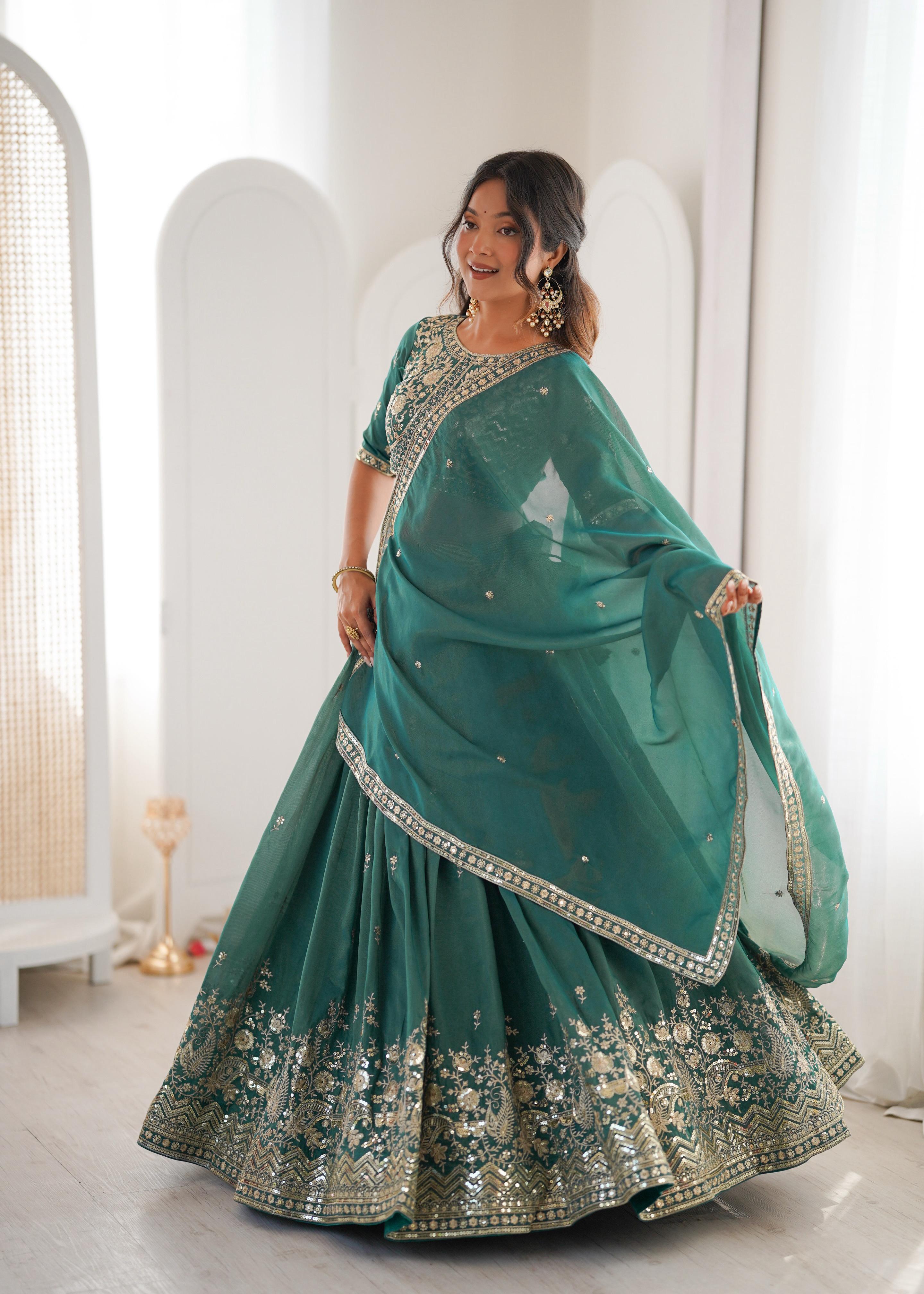
Colour should also suit the ceremony's lighting and the teen's existing wardrobe. A bright red lehenga creates impact at a sangeet but may feel strongly associated with wedding wear later. A muted pink, mint or pastel grey can move more easily into Eid gatherings, Diwali celebrations and birthday parties. A bold colour remains rewearable when the embroidery is moderate and the accessories change substantially.
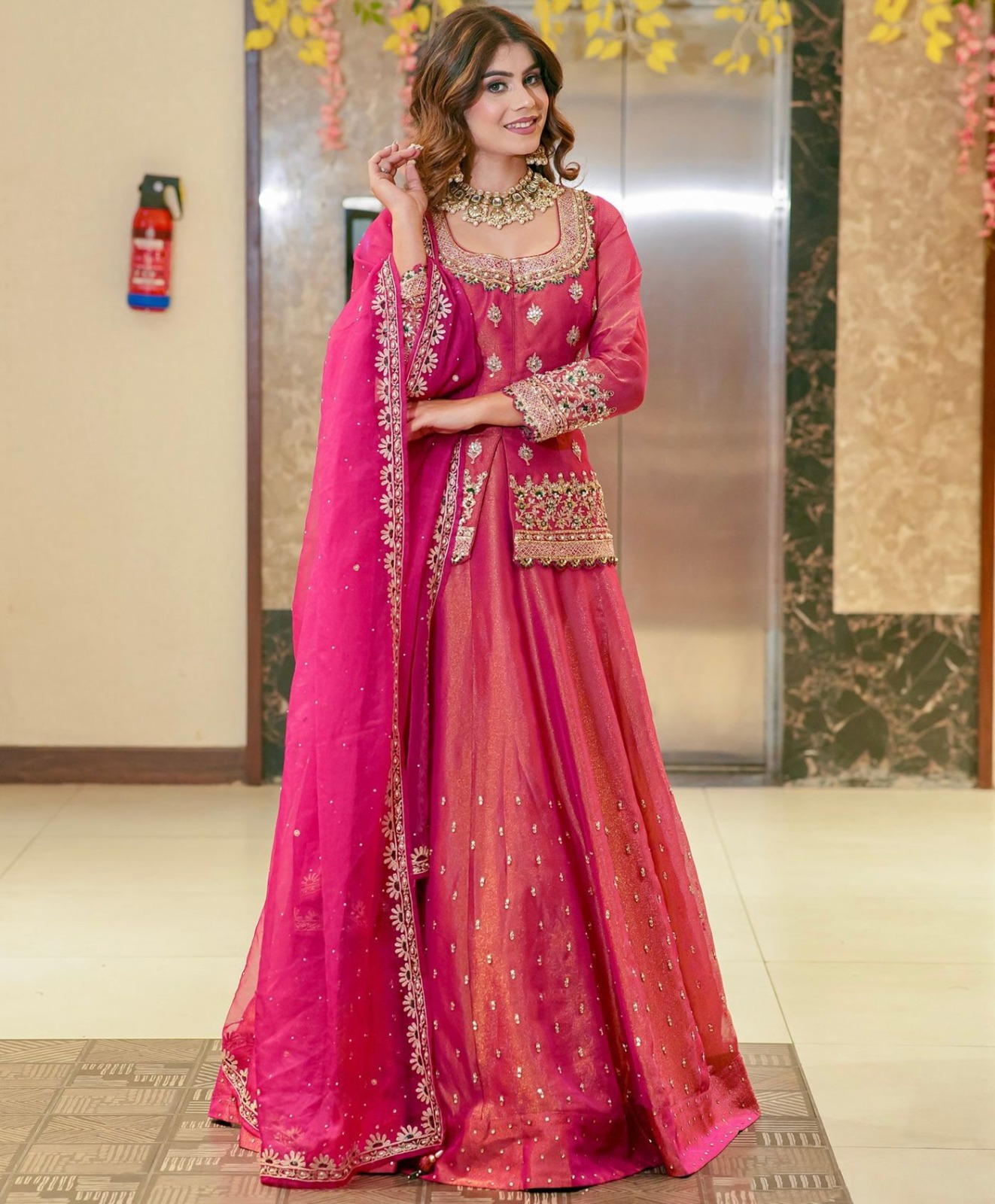
Red Butterfly Net Sequins Lehenga Set Wedding Wear can be styled with classic gold jewellery and a formal bun for the wedding. For a later event, the red skirt can be paired with a plain ivory or black blouse, minimal earrings and flat sandals to reduce the bridal impression. Magenta Satin Embroidered Lehenga Set Online brings another vivid option that can shift from wedding glamour to festive party wear with a cropped jacket or a plain dupatta.
Soft colours should not be treated as less festive. Mint Embroidered Lehenga Set with Net Dupatta for Women can look bright with pearl or kundan accessories and more contemporary with silver hoops. Coral Bloom White Georgette Lehenga Set can suit a daytime ceremony, while its coral elements can be separated from the white components for future styling.
How can the blouse and dupatta increase rewear value?
A blouse and dupatta with adaptable proportions create the greatest rewear value because they can change the visual identity of a lehenga without altering the skirt. A teen can wear the same skirt with a sleeved blouse, a plain camisole-style top, a peplum kurti or a lightweight jacket on different occasions.
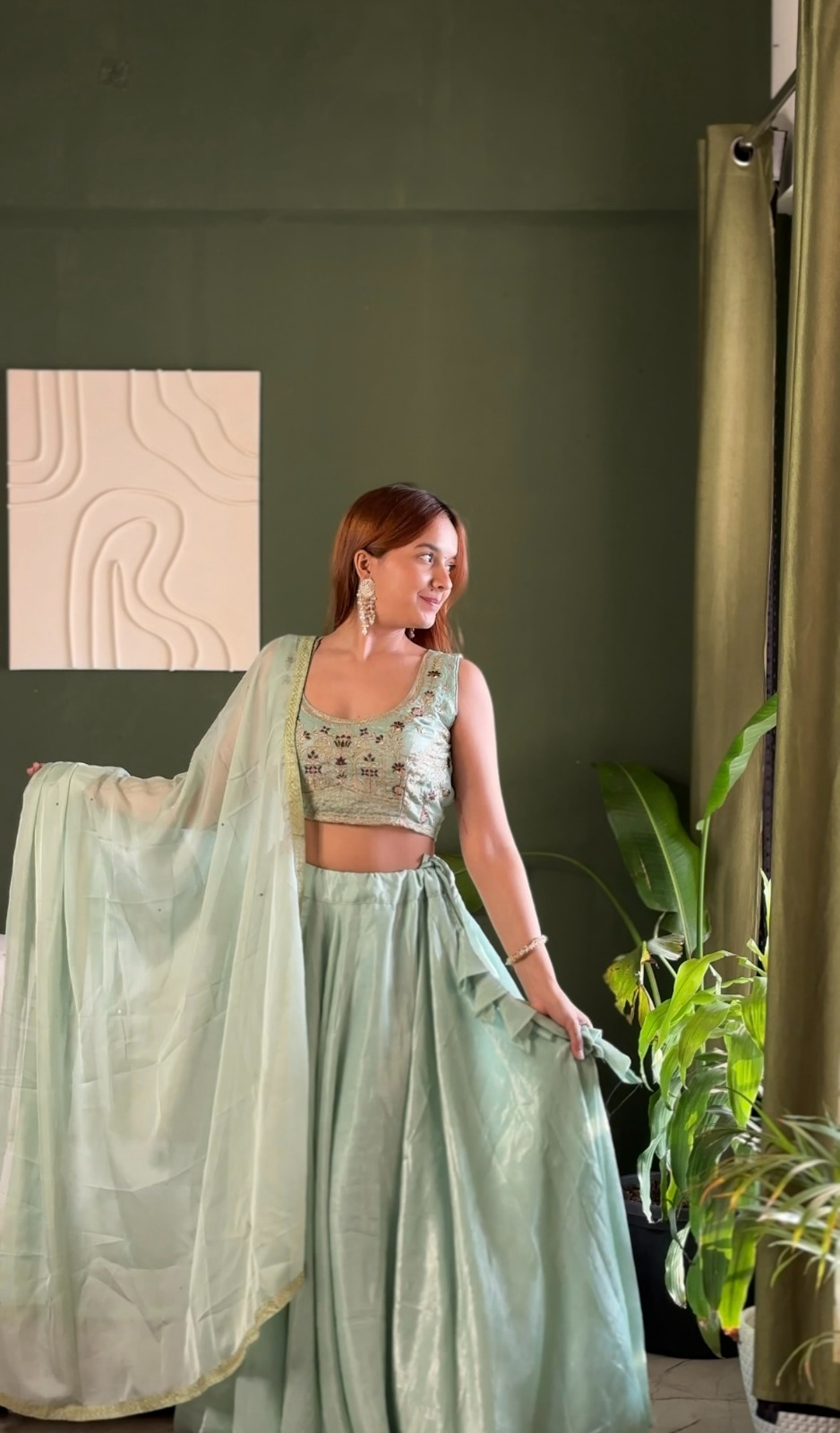
For a cousin's wedding, a heavily embroidered blouse may be appropriate, but a modest neckline and practical sleeve length can make the blouse useful later. A blouse that ends at the natural waist usually pairs more easily with high-waisted palazzos, sarees and skirts. If the blouse is cropped, check that the waistband of the skirt sits securely and that the wearer can bend and sit comfortably.
The dupatta is equally important. A lightweight net or georgette dupatta can be draped over both shoulders for a ceremony, pinned over one shoulder for dancing or worn loosely around the neck with a plain outfit later. A contrasting dupatta can transform a neutral skirt; a plain dupatta can calm a sequinned set.
Red Floral Organza Lehenga Set with One Shoulder Blouse demonstrates the impact of a statement blouse. The one-shoulder design can suit a reception or sangeet, but the floral skirt may have a longer life when combined with a more covered blouse for a family lunch. Dusty Pink Satin Embroidered Lehenga Set Online can similarly be refreshed with a printed dupatta, a cropped jacket or a simple ivory top.
don't buy an outfit solely because a dramatic blouse looks striking in one photograph. Check whether the teenager will actually feel secure in the neckline, whether the straps can be adjusted and whether the blouse can be altered without damaging the embroidery. Comfort and confidence are part of repeat wear.
How much embellishment is practical for a teenager?
Moderate embroidery, threadwork, small sequins and a defined border usually provide the best balance between wedding impact and repeat use. Heavy all-over embellishment can look spectacular, but it adds weight, increases snagging risk and may make the garment feel too formal for later events.
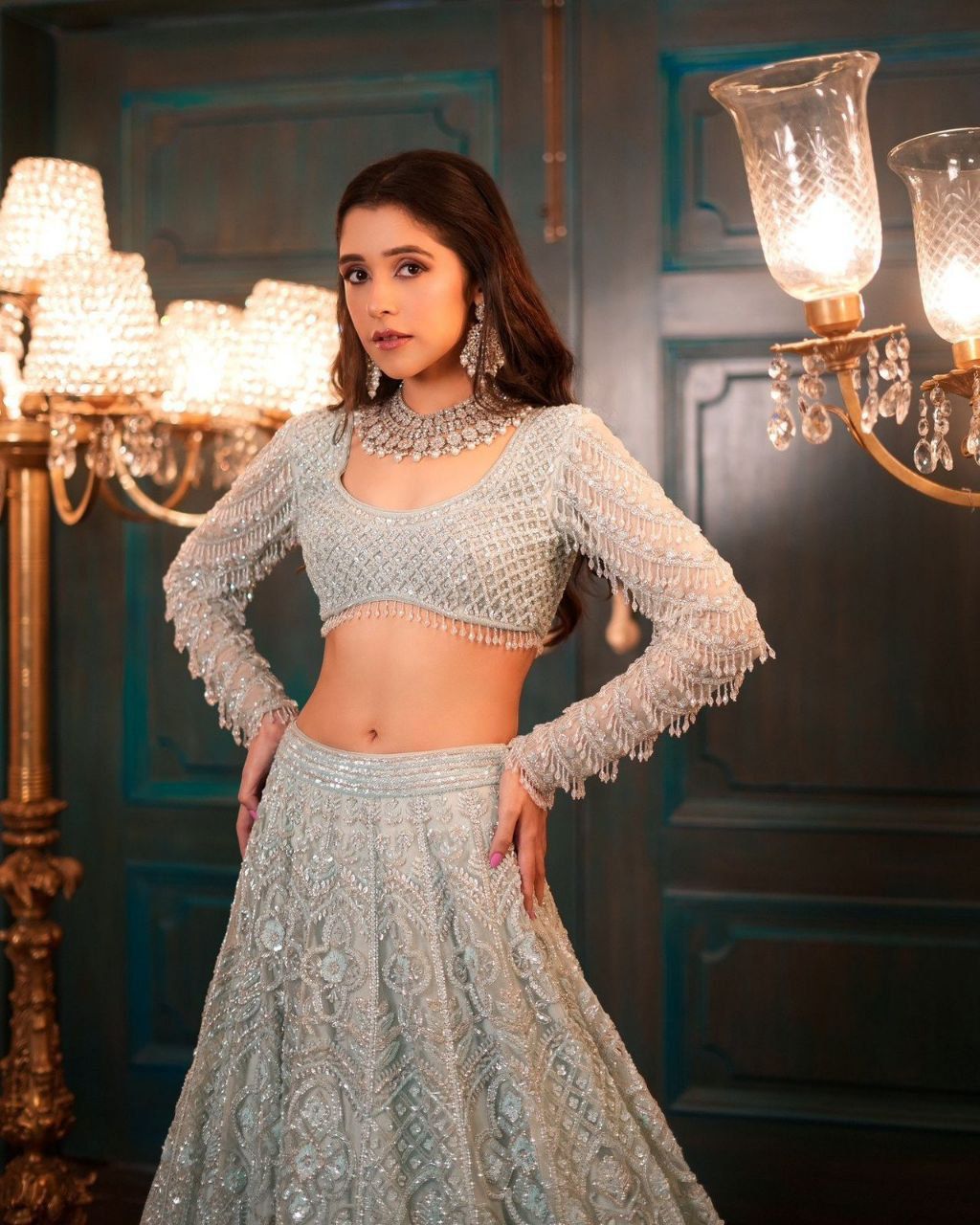
Inspect the inside of the blouse and skirt before purchase. Loose sequin threads, sharp zari ends and rough beadwork can irritate the underarm, waist and neckline. A soft lining or a thin cotton camisole can reduce contact, but a poorly finished garment may remain uncomfortable despite layering.
Sequins are particularly dependent on handling. Turn the garment inside out before placing it in a breathable garment bag, keep jewellery away from the surface and avoid hanging it under heavy embroidered pieces. Fold net and organza carefully rather than crushing them beneath other clothing. Airing the garment for several hours after wear can prevent odour from settling into the lining.
Pastel Grey Embroidered Butterfly Net Lehenga Set and Red Butterfly Net Sequins Lehenga Set Wedding Wear illustrate two different embellishment decisions. The first can rely on colour contrast and accessories to create variety, while the second delivers a more immediately festive effect. Neither choice is automatically better; the right option depends on how often the teen will wear Indian outfits after the wedding.
How can a family style one lehenga for three different events?
One lehenga can look noticeably different across three events when the blouse, drape, footwear, jewellery and hairstyle change together. Changing only the earrings rarely creates enough difference, but changing three or four styling elements can make the outfit feel new.
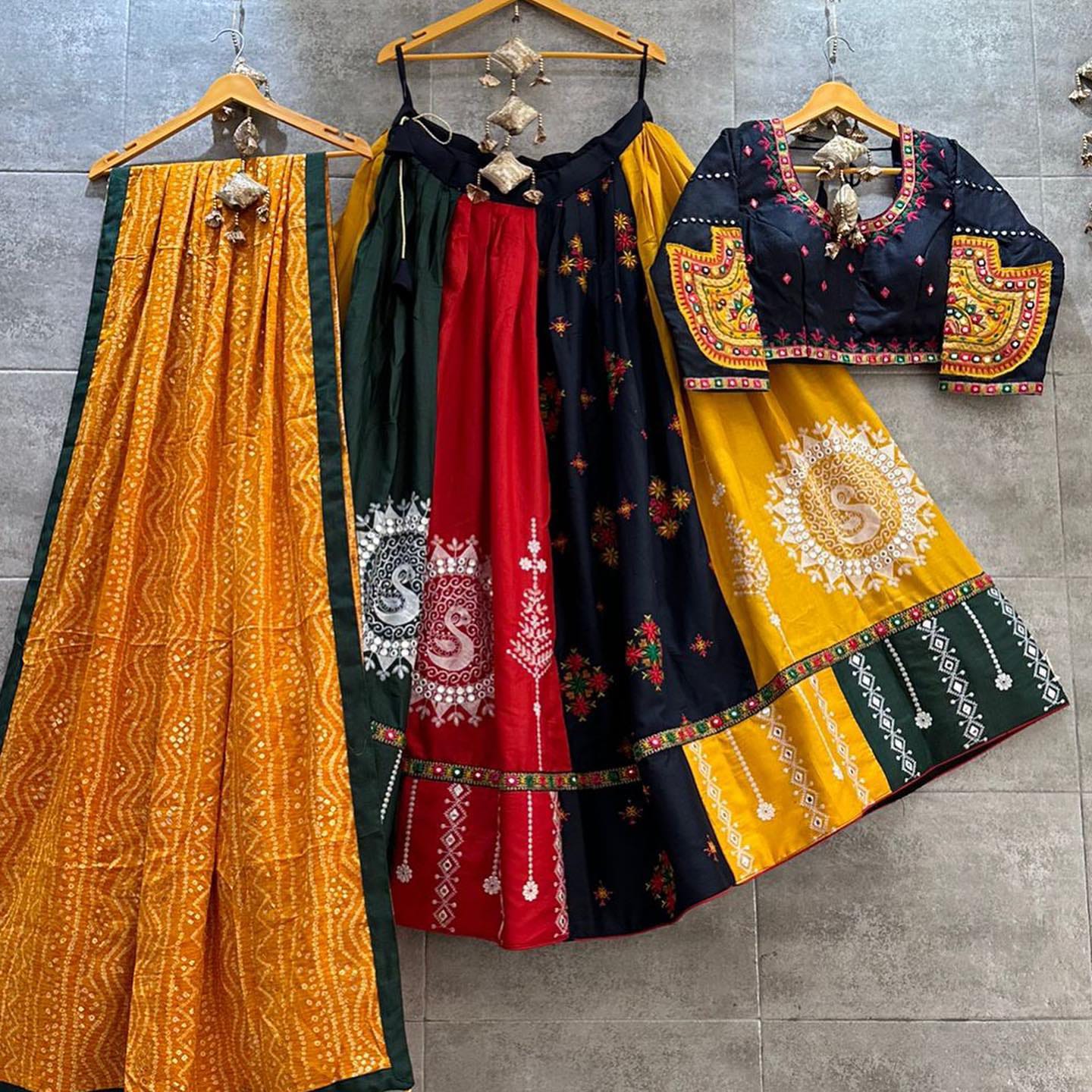
- Cousin's sangeet: Use the complete set with the original dupatta, jhumkas, embellished sandals and a secure braid or ponytail. Pin the dupatta at the shoulder and waist so dancing doesn't require constant adjustment.
- Festival gathering: Replace heavy jewellery with oxidised silver, pearls or small gold hoops. Add a plain contrasting dupatta and choose flat juttis. A half-up hairstyle or loose braid can make the same lehenga feel less formal.
- Birthday or family dinner: Wear the skirt with a solid-colour blouse, short jacket or tucked-in silk shirt. Skip the ornate dupatta, choose minimal jewellery and use comfortable sandals. The outfit becomes a festive separates look rather than a complete wedding set.
Designer Threadwork Silk Lehenga Choli Set with Dupatta can move from time-honoured to modern through a change from gold temple jewellery to a slim metallic belt and small earrings. Coral Bloom White Georgette Lehenga Set can shift from daytime wedding wear to a summer party with a coloured blouse and no heavy neckpiece. These combinations are more useful than buying a highly specific outfit that can't separate into individual pieces.
Collections can also help families set a realistic budget without equating low price with poor styling potential. Bridesmaid Lehengas Under 5500 and Haldi Lehengas Under 5500 are useful starting points for colour and comfort comparisons, while Silk Lehengas Under 3000 may suit shoppers looking for a structured fabric at a controlled price. Pink Lehengas Under 4000 with 50% Discount and Net Lehengas Under 4500 with 51% Discount can be considered when the wearer already has accessories that will change the overall look.
What should be checked before ordering online?
Online buyers should verify measurements, lining, closure details, delivery timing, alteration options and care instructions before placing an order. A product photograph can't confirm whether a teen can sit comfortably or whether the blouse provides enough coverage.
- Measure the wearer: Record bust, underbust, waist, high hip and shoulder measurements while the teen wears a thin fitted layer. Compare every measurement with the size chart rather than relying only on age.
- Allow alteration time: Order at least 10 to 14 days before the wedding when possible. Reserve the final three to five days for minor blouse or hem alterations, steaming and a complete movement test.
- Check length: Measure from the natural waist to the floor while wearing the planned footwear. A skirt that's too long can become a tripping risk, while excessive shortening can remove the border's visual balance.
- Inspect construction: Look for lining, waistband support, secure hooks, finished seams and a dupatta that's large enough to drape comfortably. A teen who will dance needs secure fastenings rather than decorative ties alone.
- Plan storage: Store the lehenga clean and completely dry in a breathable cover. Avoid plastic for long-term storage because trapped moisture can affect fabric and metal embellishment.
Parents and teenagers should make the final decision together. The adult may prioritise fabric durability and budget, while the wearer may notice neckline comfort, sleeve movement and whether the colour feels age-appropriate. A successful purchase satisfies both practical requirements and personal confidence.
Building a teen lehenga for a cousins wedding that can be worn again
Building a teen lehenga for a cousins wedding that can be worn again starts with a moderate base and flexible styling pieces. Select a comfortable fabric, an adjustable waist, a blouse with wearable coverage, a versatile colour and embellishment that doesn't overwhelm the garment.
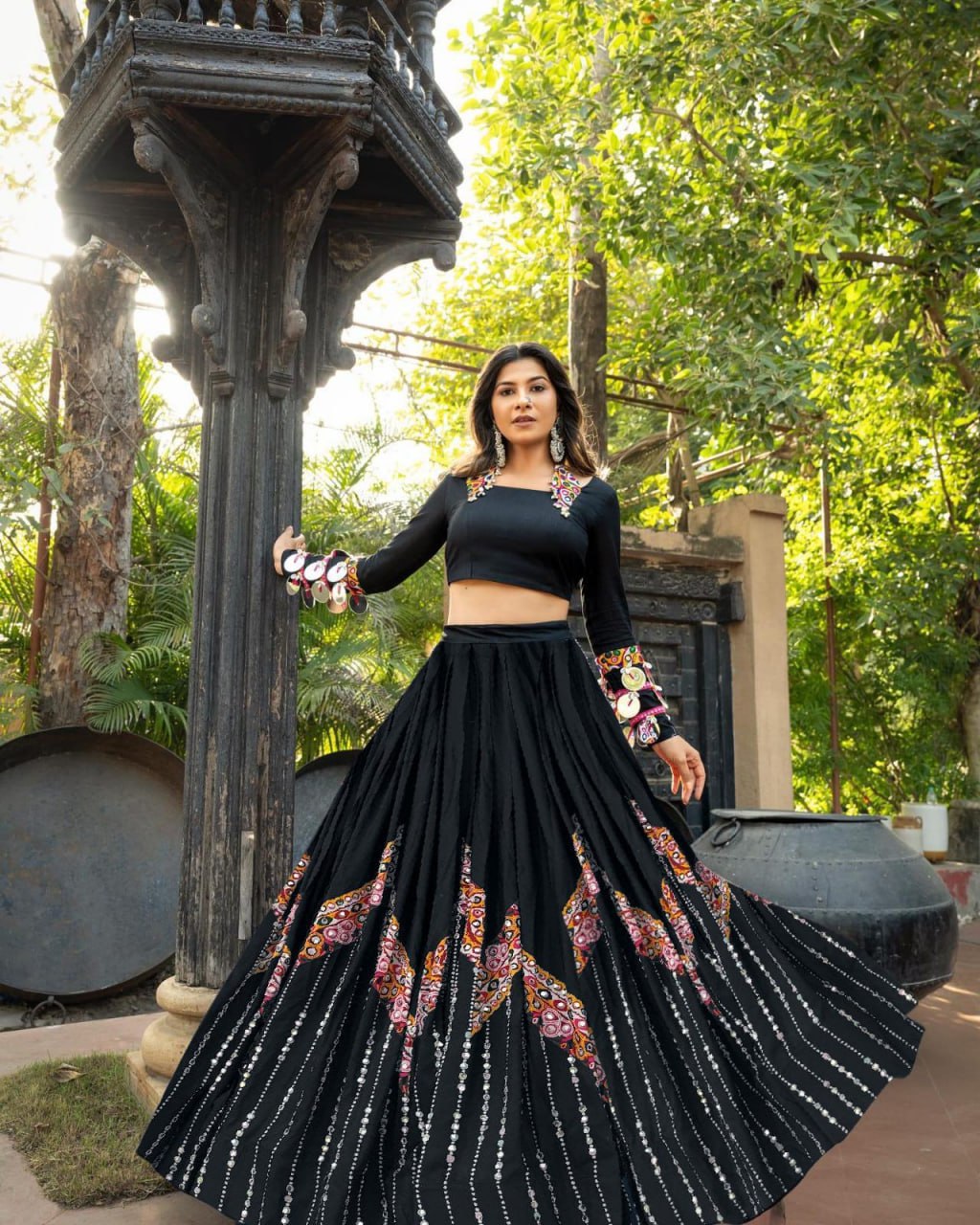
Before checkout, imagine three complete outfits rather than one wedding photograph. Ask whether the skirt works with a plain top, whether the blouse pairs with another bottom and whether the dupatta can refresh a simpler outfit. If the answer is yes, the lehenga has practical wardrobe value.
A rewearable lehenga doesn't need to look plain. A strong border, floral embroidery, threadwork, zari accents or a carefully chosen colour can make the outfit special. The difference lies in selecting details that can be balanced later with simpler pieces, allowing a teenager to celebrate a cousin's wedding beautifully without leaving the garment unused afterward.
Common Questions About Choosing a Rewearable Teen Wedding Lehenga
What colour lehenga is most reusable for a teenager?
Pastel grey, dusty pink, mint, coral and soft blue are among the easiest colours to restyle after a wedding. Red and magenta can also be reused when the outfit has moderate embellishment and the accessories, blouse or dupatta are changed.
How can a teen wear the same lehenga again without looking repetitive?
Change at least three styling elements, such as the blouse, dupatta, jewellery, footwear or hairstyle. Pairing the skirt with a plain top or wearing the blouse with palazzo trousers creates a noticeably different outfit.
Is net fabric comfortable for a teenage wedding guest?
Net can be comfortable when the garment has a soft, full lining and finished seams. Check for scratchy sequins, rough embroidery and an overly heavy can-can layer before buying, because exposed embellishment can irritate the skin during long events.
How early should a teen order a lehenga for a cousin’s wedding?
Ordering 10 to 14 days before the wedding usually leaves time for delivery, fitting and minor alterations. A three- to five-day buffer after fitting is helpful for steaming, fastening checks and a movement test with the intended footwear.
Which lehenga fabric is easiest to wear again?
Georgette, lightweight silk blends and satin are often versatile because they can work at weddings, festivals and parties. Georgette offers easier movement, silk provides structure and satin gives a dressy finish, but care instructions should guide the final choice.
Can a growing teenager wear an adjustable lehenga for more than one season?
An adjustable waistband, tie-up blouse or extra hook positions can extend the useful life of a lehenga as a teenager grows. Alterations should be planned before purchase, and the skirt length should be checked with the shoes the wearer expects to use.