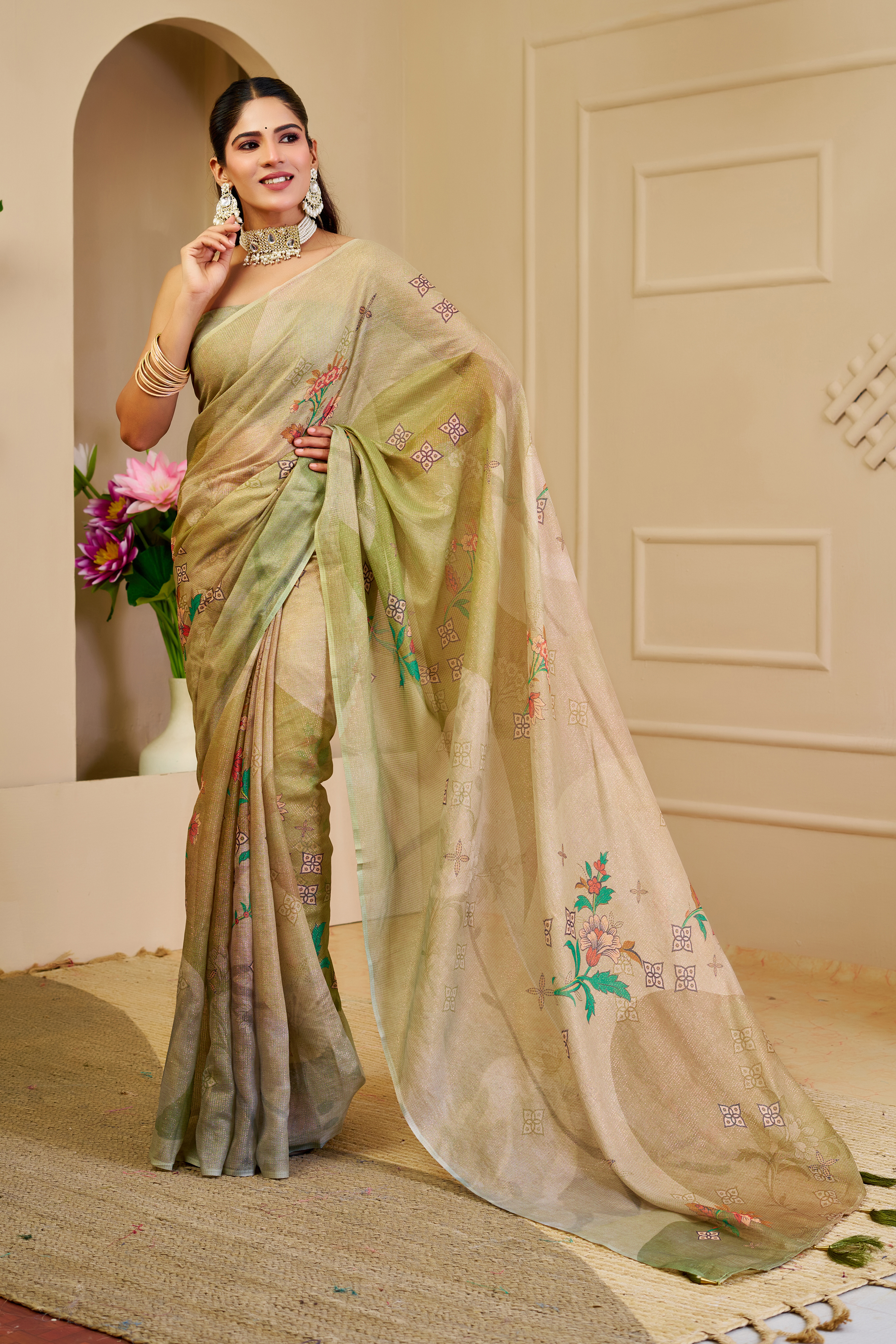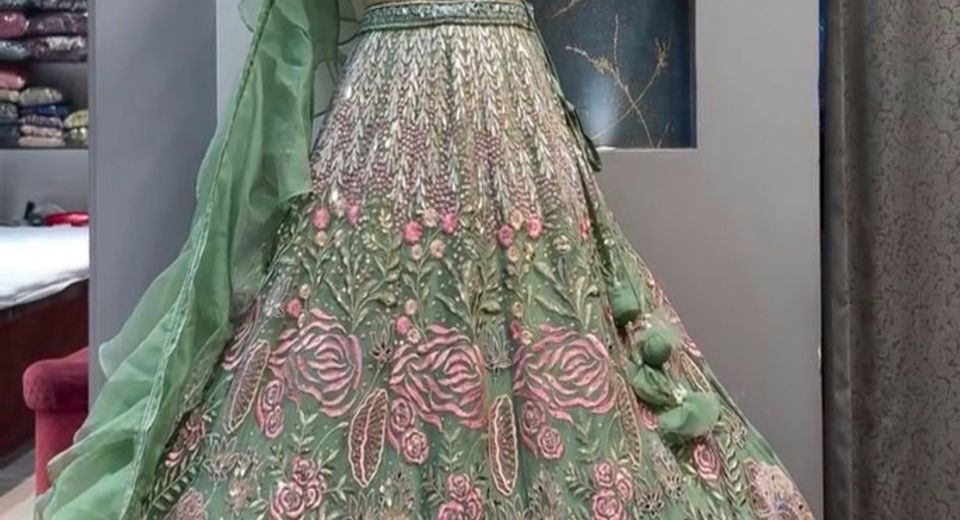
A Summer Lehenga Without Can Can for a Small Family Wedding can look polished without making you feel weighed down by layers of stiff net. For a close-knit celebration, a softer silhouette often suits the setting better than an oversized bridal flare. The right combination of fabric, lining, waistband and blouse fit can keep you comfortable through ceremonies, photographs, meals and several hours of conversation.
Can can is a stiff net or crinoline layer attached beneath a lehenga to increase volume. Removing that layer does not mean choosing a flat or unfinished skirt. Chinon silk, georgette, satin and selected butterfly net designs can create graceful movement through their own drape, embroidery placement and lining. A smaller wedding also gives you room to choose elegance, ease and personal style over maximum visual scale.
Why choose a Summer Lehenga Without Can Can for a Small Family Wedding?
Skipping can can usually improves ventilation, reduces weight and makes sitting or walking easier in warm weather. A family wedding held at home, in a restaurant, at a community hall or in a compact venue rarely requires a very wide skirt that occupies significant floor space.
A can-can layer holds the hem away from the legs, creating a dramatic circular shape but also trapping warm air between the skirt layers. Extra net can add bulk around the knees and ankles when you climb stairs, sit cross-legged during a ritual or move between indoor and outdoor areas. A lehenga with a natural fall follows the body more comfortably and photographs with a softer line.
The smaller guest list also changes the visual balance of the outfit. At an intimate wedding, guests are seen from close range rather than from the back of a large banquet hall. Fine sequins, neat threadwork, a well-fitted blouse and a thoughtfully placed dupatta can therefore matter more than an exaggerated flare.
Will a Summer Lehenga Without Can Can for a Small Family Wedding look incomplete?
A lehenga will not look incomplete without can can if the skirt has a good base fabric, clean finishing and an appropriate amount of flare. A 3 to 4 metre hem circumference can look elegant for a family wedding, while a 5 to 6 metre flare creates more volume without necessarily needing a stiff underlayer.
Ask a tailor or seller whether the skirt has lining, gathers, panels or an attached inner net. A lightweight cotton or satin lining can prevent transparency and provide structure without the scratchy stiffness of multiple crinoline tiers. The finished hem should fall evenly and should not twist when you walk.
Which fabrics suit a Summer Lehenga Without Can Can for a Small Family Wedding?
Chinon silk, georgette, lightweight satin and breathable lined net are practical choices for a summer wedding lehenga. Fabric weight, lining and embroidery density all affect comfort, so the fibre name alone does not tell you how cool a garment will feel.
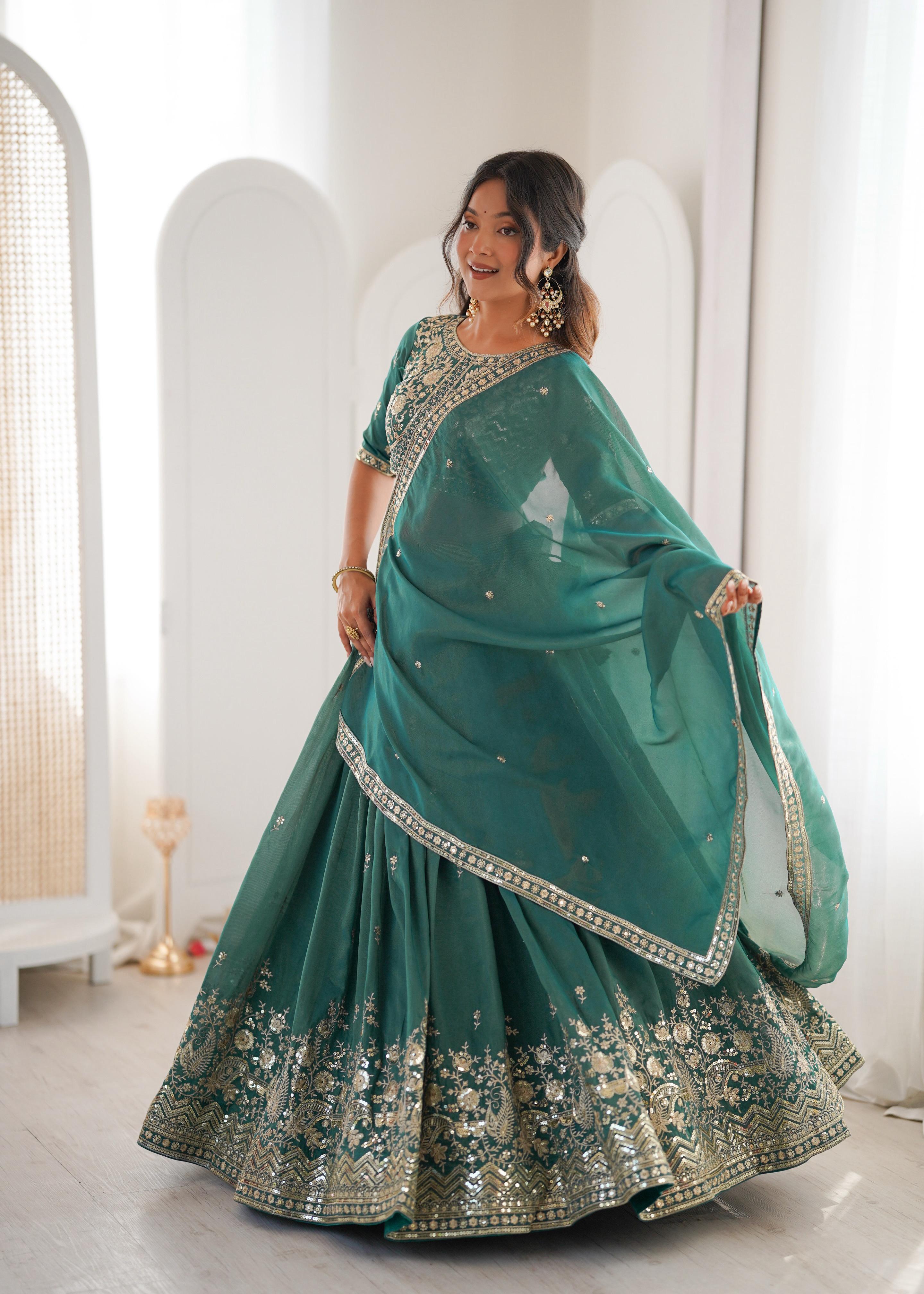
Chinon silk has a fluid fall and a gently glossy surface that works well when you want movement without a rigid skirt. The Green Chinon Silk Sequins Embroidered Lehenga Set and Pink Chinon Silk Sequins Embroidered Lehenga Set Sale show how sequins can provide occasion detail while the base fabric retains a soft drape. Choose a lighter lining if the embroidery is concentrated on the bodice or hem.
Georgette is generally light, flexible and comfortable for walking or dancing. Blue Floral Georgette Lehenga Set with Heavy Flare offers a useful example of how print and flare can create visual interest without depending entirely on a stiff can-can layer. A heavy flare can still feel warm if the lining is dense, so check the inside finish before buying.
Satin has a smooth surface and a fluid fall, although it can feel warmer than georgette when it is heavily layered. Magenta Satin Embroidered Lehenga Set Online can suit an evening family function where the temperature is lower and a richer surface is welcome. Satin also highlights wrinkles and fitting lines, so steaming and accurate measurements are important.
Butterfly net can be airy in a single or lightly layered construction, but dense embroidery and several underskirts will reduce that advantage. Pastel Grey Embroidered Butterfly Net Lehenga Set has a muted colour direction that works especially well when you want the embroidery to carry the outfit instead of adding a bulky silhouette.
How much embroidery works for a Summer Lehenga Without Can Can for a Small Family Wedding?
Moderate embroidery concentrated on the waistband, blouse, border and selected skirt panels is usually more comfortable than all-over dense work. Sequins can look bright under wedding lighting, but hundreds of closely packed embellishments increase weight and may catch against the skin or dupatta.
Threadwork is often a softer alternative for daytime wear because it adds texture without the hard surface of extensive zari or sequin coverage. Designer Threadwork Silk Lehenga Choli Set with Dupatta illustrates a richer festive direction, but inspect the silk weight and lining if the ceremony takes place outdoors. A lined blouse with smooth seam finishing prevents embroidery from rubbing under the arms.
What skirt shape suits a Summer Lehenga Without Can Can for a Small Family Wedding?
Choose a natural A-line, panelled or gently flared skirt when comfort and easy movement are more important than maximum volume. These shapes create a defined waist and graceful hem without requiring a rigid understructure.
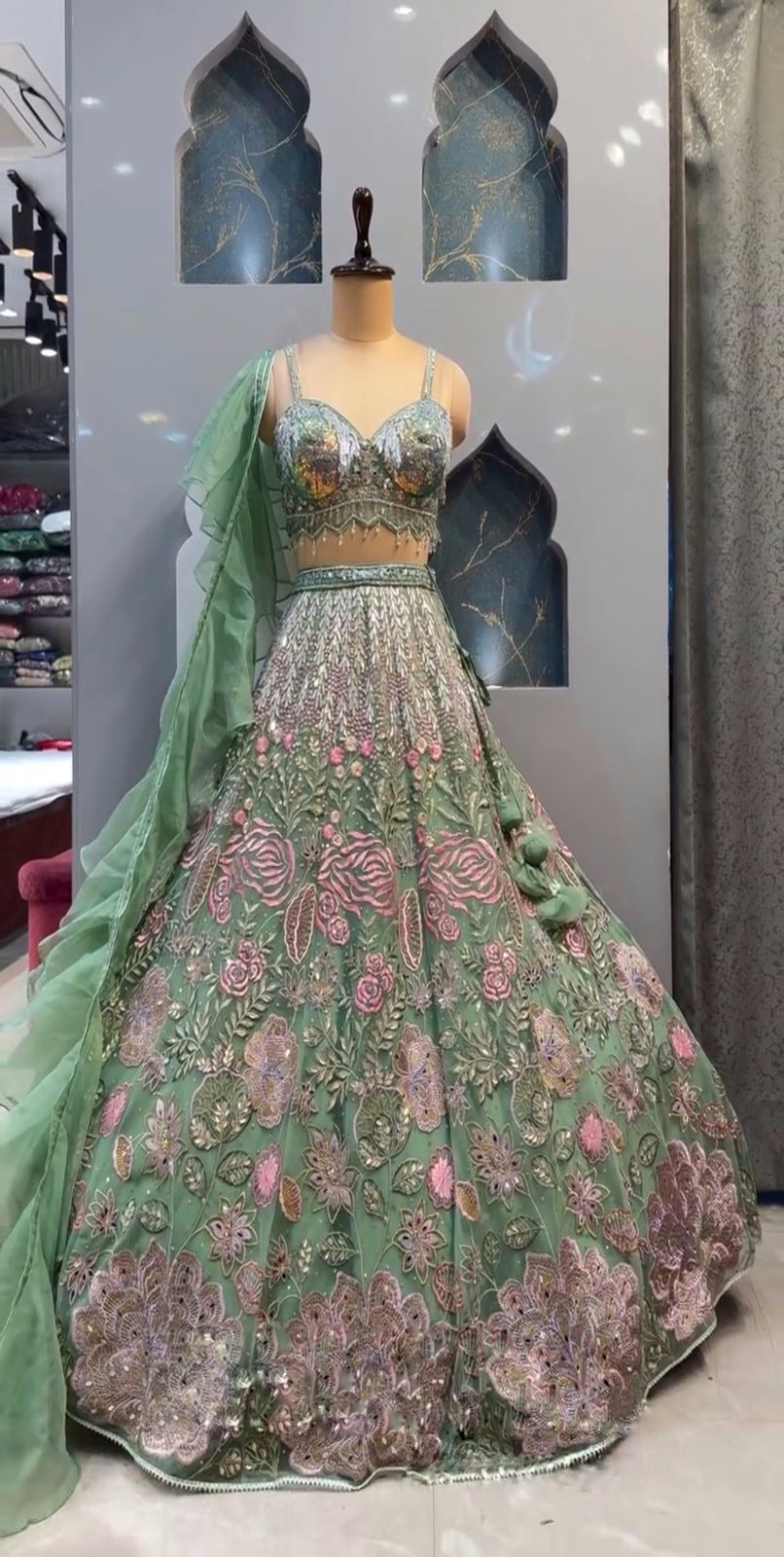
An A-line skirt is narrower at the waist and gradually widens towards the hem, making it practical for sitting and walking. A panelled skirt gains movement from stitched sections rather than gathered layers, so it can look substantial while using less fabric around the hips. A circular skirt gives more twirl and photographs well, but the flare should be checked against the venue size.
For a small family wedding, a 3 to 4 metre flare is often enough for a graceful shape. A 5 metre flare can work when the skirt fabric is light and the venue has open space. A very wide 7 to 8 metre flare may look dramatic but can be inconvenient in a living room, narrow aisle or crowded dining area.
Red Butterfly Net Sequins Lehenga Set Wedding Wear and Pink Sequins Embroidered Butterfly Net Lehenga Set can help you compare how colour, surface work and net construction affect perceived volume. A bright red skirt can look visually fuller because the colour commands attention, while a pastel skirt may appear lighter even with a similar cut.
Which measurements improve a Summer Lehenga Without Can Can for a Small Family Wedding?
Waist placement, skirt length, blouse ease and waistband construction matter most when a lehenga does not rely on can can to hold its shape. An accurate fit prevents the skirt from slipping, dragging or clinging in unflattering ways.
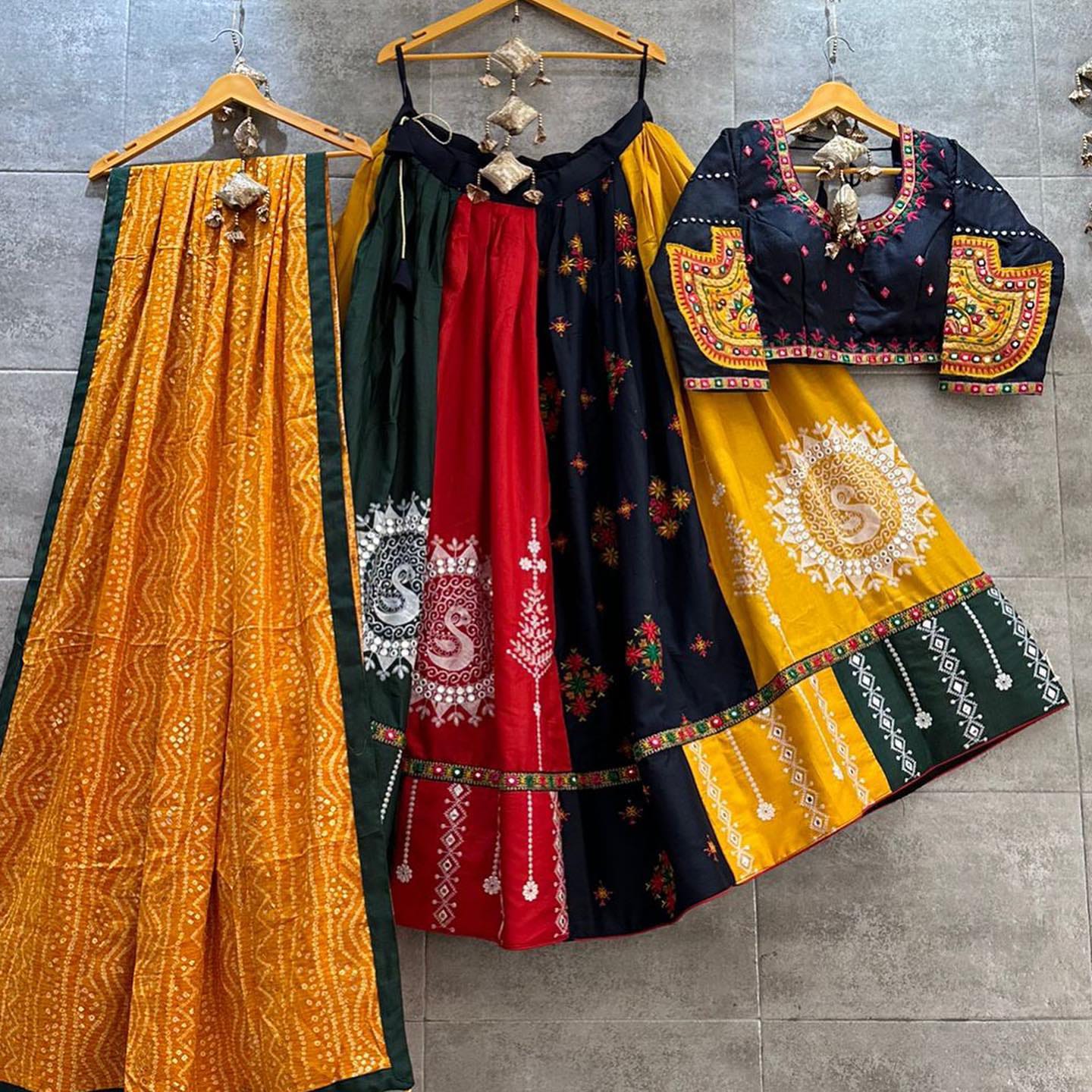
How should the waist and hip be measured?
Measure the waist where the waistband will sit, not automatically at the narrowest point of the torso. Measure the fullest part of the hips while wearing the type of innerwear planned for the wedding. Leave approximately 2 to 3 centimetres of wearing ease for a structured waistband, with more ease if the fabric has little movement.
A drawstring can accommodate small changes during a long event, but a broad hook-and-eye waistband usually gives a cleaner finish. A side zip should lie flat and should not dig into the waist when you sit. Ask whether seam allowance has been left inside the skirt for later alteration.
How should lehenga length be checked?
Measure lehenga length from the intended waistband position to the floor while wearing the wedding shoes. The hem should sit approximately 1 to 2 centimetres above the floor to reduce tripping and keep the embroidery away from dust.
Do not measure the length before deciding whether you will wear flats, block heels or wedges. A stable 2 to 3 inch block heel can provide lift without the ankle instability of a narrow stiletto. Hem alterations are easier before heavy border work is attached, so confirm the final length early.
How do you style a Summer Lehenga Without Can Can for a Small Family Wedding?
Style a can-can-free lehenga with a fitted blouse, a controlled dupatta drape and accessories that add height or brightness without adding excessive weight. The goal is to make the natural fall look intentional.
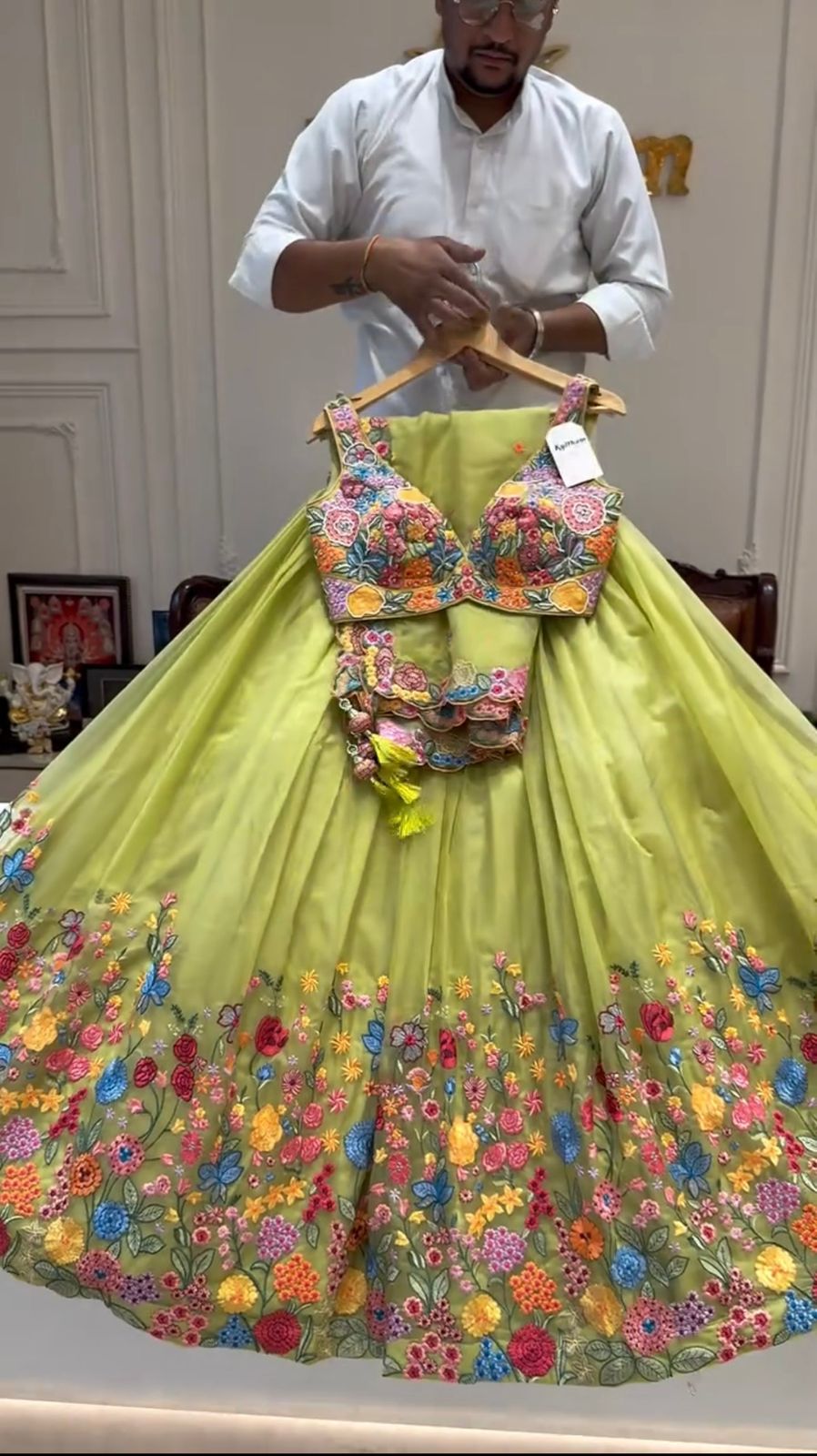
A short blouse with a defined hem balances a fluid skirt and keeps the waist visible. For daytime functions, a sleeveless, cap-sleeve or elbow-sleeve blouse in a breathable lining can feel cooler than a heavily padded full-sleeve design. For an evening reception, a modest boat neck, square neck or sheer-sleeve blouse can add formality without requiring a larger skirt.
Drape the dupatta over one shoulder and secure it at the waist with a discreet pin if you expect to move frequently. A front pleat can look neat in photographs, while a free-flowing side drape creates movement. A very heavily bordered dupatta may pull the blouse off the shoulder, so match the weight of the dupatta to the skirt.
Jewellery can define the outfit when the skirt has a quiet silhouette. Pearl drops, lightweight jhumkas, a single choker or a maang tikka can provide a festive finish without making the neckline crowded. Choose one statement area rather than combining a large necklace, oversized earrings, stacked bangles and a heavy headpiece.
Colour also changes how a lightweight lehenga reads. Pastel grey, blush pink, powder blue and mint can suit a daytime ceremony, while magenta, red and jewel-toned green create stronger evening impact. Pink Lehengas Under 4000 with 50% Discount and Bridesmaid Lehengas Under 5500 can be useful starting points when you want a lighter outfit with a controlled budget.
How do you shop for a Summer Lehenga Without Can Can for a Small Family Wedding?
Shop by checking the inner construction, total garment weight, flare, lining and alteration potential rather than judging the lehenga only from its photographs. Product images can make layered skirts appear lighter or fuller than they feel in person.
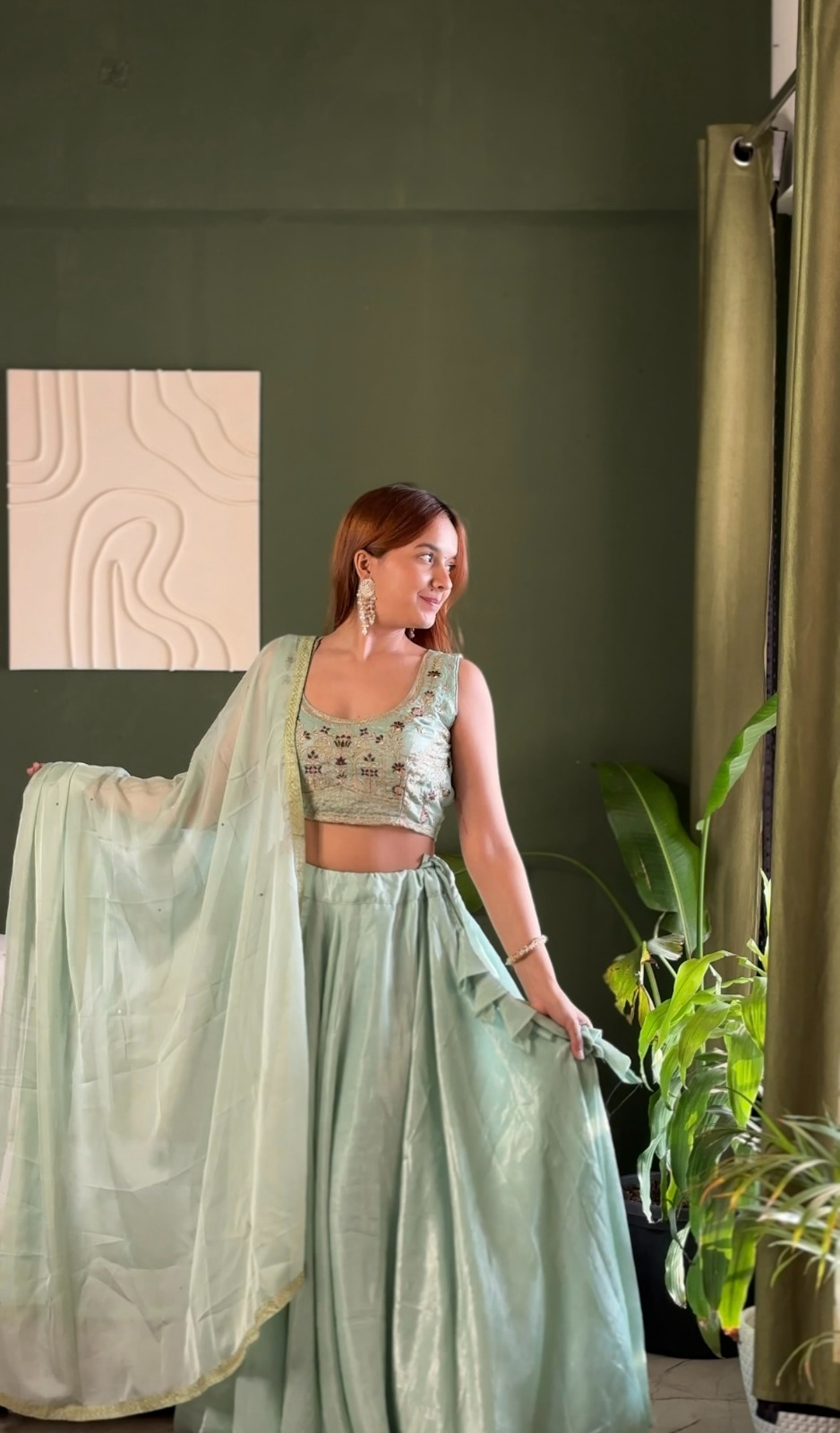
Ask for the skirt length, waist range, lining material, number of layers and approximate flare measurement. Confirm whether the blouse is stitched, semi-stitched or made to measure. A semi-stitched blouse may provide flexibility, but sleeve and neckline alterations still need time before the wedding.
Budget collections can help narrow the search, but discount percentages should not replace construction checks. Silk Lehengas Under 3000 may suit a simple family function, while Net Lehengas Under 4500 with 51% Discount can offer more surface detail. Bridesmaid Lehengas Under 5500 is relevant when you need coordinated clothing without choosing a heavily bridal silhouette.
For a daytime Haldi ceremony, Haldi Lehengas Under 5500 can be a practical reference point because yellow, mustard and floral colours work naturally with the event. Keep turmeric, sandalwood paste and food in mind when selecting delicate embellishments or pale fabrics. A washable or easily spot-cleaned lining can be more valuable than a highly elaborate finish.
Order or schedule alterations at least 10 to 14 days before the wedding whenever possible. That window allows one fitting, a hem correction and a final trial with the blouse, footwear and dupatta. Try sitting, climbing stairs, walking quickly and turning in the outfit before removing the tags or finalising the fit.
How should a Summer Lehenga Without Can Can for a Small Family Wedding be cared for?
Care for a can-can-free summer lehenga by airing it after use, treating stains quickly and following the fabric-specific cleaning label. Lightweight fabrics can crease or stretch when they are stored under pressure.
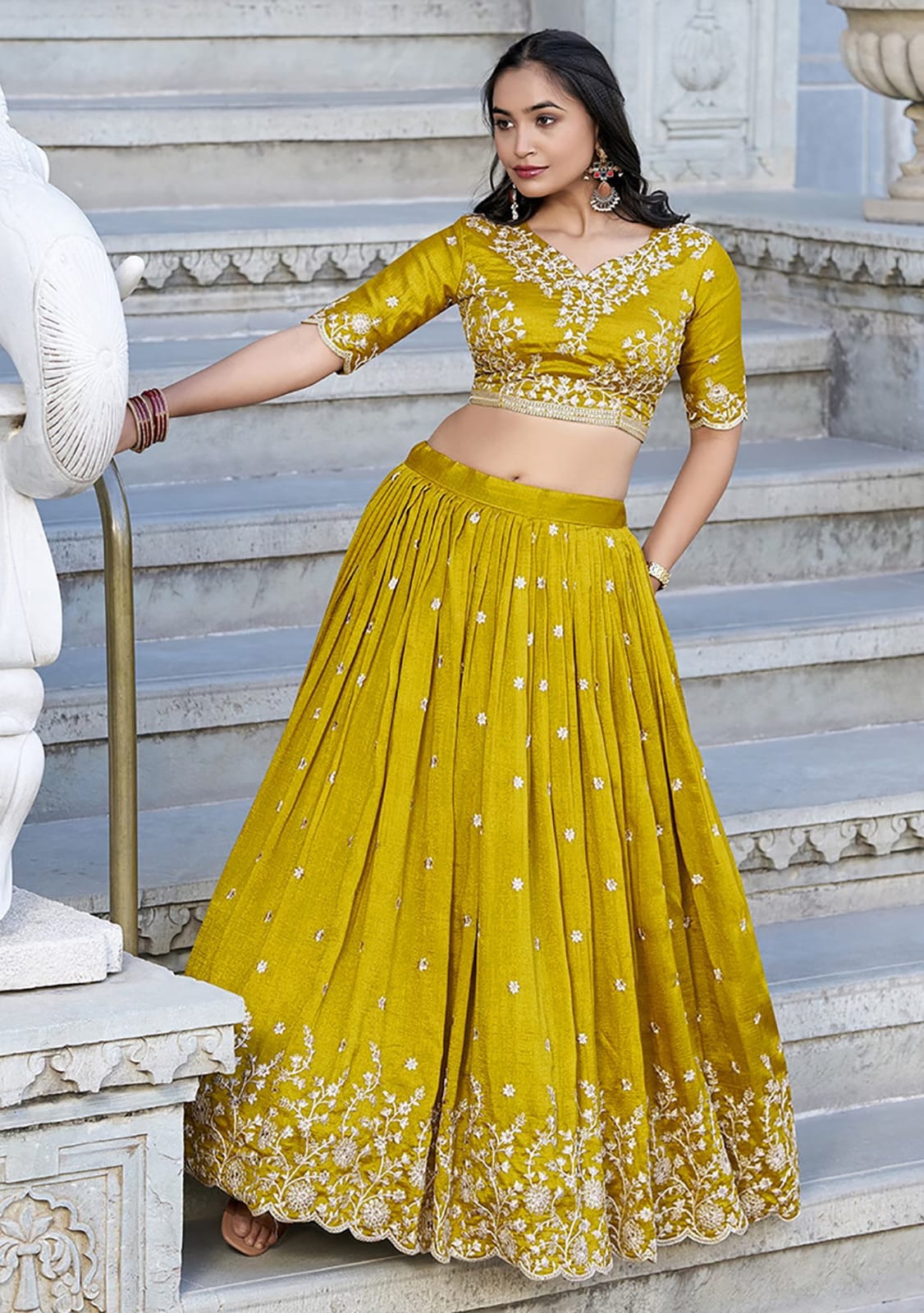
For a small fresh stain, blot gently with a clean, dry cloth instead of rubbing sequins or embroidery. Do not soak embellished Chinon silk, satin or butterfly net unless the care label specifically permits it. Professional dry cleaning is safer for dense zari, sequins, glued stones and layered linings.
Hang the lehenga on a broad padded hanger for short-term storage, but fold it with acid-free tissue for longer storage if the waistband or fabric is likely to stretch. Keep the blouse and dupatta separate from sharp jewellery. Store the outfit in a breathable garment bag rather than sealed plastic, which can trap moisture and create odour.
Steam from a safe distance and test an inside seam before treating satin or synthetic net. High direct heat can flatten texture, melt synthetic fibres or leave a shine on dark fabrics. Refold the skirt along different lines every few months if it will remain stored for an extended period.
A Summer Lehenga Without Can Can for a Small Family Wedding succeeds when the silhouette, fabric and construction match the actual celebration. A natural flare, breathable lining, comfortable blouse and secure dupatta can provide the festive presence of a traditional lehenga while making the day easier to enjoy.
Common Questions About a Summer Lehenga Without Can Can for a Small Family Wedding
Can I wear a lehenga without can can to a summer wedding?
Yes, a lehenga without can can is suitable for a summer wedding when the skirt has a clean fall, adequate lining and enough flare for the venue. Chinon silk, georgette and lightly layered butterfly net can provide movement without the heat and stiffness of a crinoline base.
Will a lehenga without can can look less festive?
No, a lehenga can look festive through sequins, zari, threadwork, colour, a detailed blouse and a styled dupatta. Concentrated embroidery on the waistband, border and bodice often looks refined at a small family wedding without adding excessive weight.
Which lehenga fabric is coolest for a summer wedding?
Lightly lined georgette and fluid Chinon silk are usually comfortable choices for a summer wedding. The lining and number of layers matter as much as the fabric name, so check whether the skirt has a heavy satin lining or several inner nets.
How much flare should a lehenga have without can can?
A 3 to 4 metre flare is usually sufficient for an elegant small family wedding, while a 5 metre flare can work in a more open venue. A wider 7 to 8 metre flare may be difficult in a compact home, narrow aisle or crowded dining space.
How can I keep a lightweight lehenga from looking flat?
Use a panelled or gently gathered skirt, a defined waistband, a fitted blouse and a well-placed dupatta to create shape. A wide embroidered border, strategic sequins or a textured fabric can also add visual depth without a stiff underlayer.
What should I check before buying a summer wedding lehenga?
Check the skirt length, flare, lining, waistband, total weight, blouse construction and alteration allowance before buying. Try the outfit with the intended footwear and move, sit and climb stairs to confirm that the lehenga remains comfortable.