A Graduation Saree for Someone Who Has Never Draped One should make the day easier, not turn dressing into a timed technical exercise. The right fabric, a well-fitted blouse, secure pleats and a short practice session can make a first saree feel steady and comfortable. Graduation ceremonies usually involve walking, sitting, receiving a certificate and posing for photographs, so movement matters as much as colour and embellishment.
A beginner-friendly saree doesn't need to look plain. Linen cotton, lightweight georgette and soft handloom cotton can all look occasion-ready when their weight, border and styling work together. The practical goal is to choose a saree that stays in place for several hours and can be adjusted without rebuilding the entire drape.
How do you choose A Graduation Saree for Someone Who Has Never Draped One?
A first-time wearer should choose a saree with manageable weight, moderate grip, a clear border and a blouse that supports comfortable movement. Very slippery satin, extremely stiff silk and heavily embellished fabric usually require more draping experience.
Fabric behaviour determines how much help a new wearer needs. Linen cotton generally holds pleats more readily than glossy synthetic fabric, while georgette falls softly and can be easier to arrange around the body. Tissue cotton may look airy and refined, but a crisp weave can need careful pinning. Banarasi silk offers a beautiful formal finish, yet its weight and zari can make a first drape less forgiving.
A defined border also acts as a visual guide. Keeping the lower border parallel to the floor helps you judge whether the saree is sitting at an even height. A medium-width border provides structure without adding excessive weight at the hem.
Length matters as well. Most standard sarees measure approximately 5.5 metres, with the pallu included in the total length. A saree that's substantially shorter may not leave enough fabric for secure pleats, while an unusually heavy six-metre drape can create extra volume around the waist. Check the garment measurements before ordering and allow room for the blouse, underskirt and footwear.
Graduation is usually a daytime-to-evening event, so comfort has a direct effect on photographs and confidence. A saree that feels secure for the first thirty minutes but strains at the waist after three hours isn't a practical choice. Test the fabric by holding a section in your hand, making a fold and checking whether the fold stays in place.
Which fabrics suit A Graduation Saree for Someone Who Has Never Draped One?
Linen cotton, lightweight georgette and soft cotton blends are dependable first-saree choices because they balance comfort, structure and manageable weight. Pastels, lavender, peach, wine and muted floral shades photograph well while remaining suitable for a formal academic event.

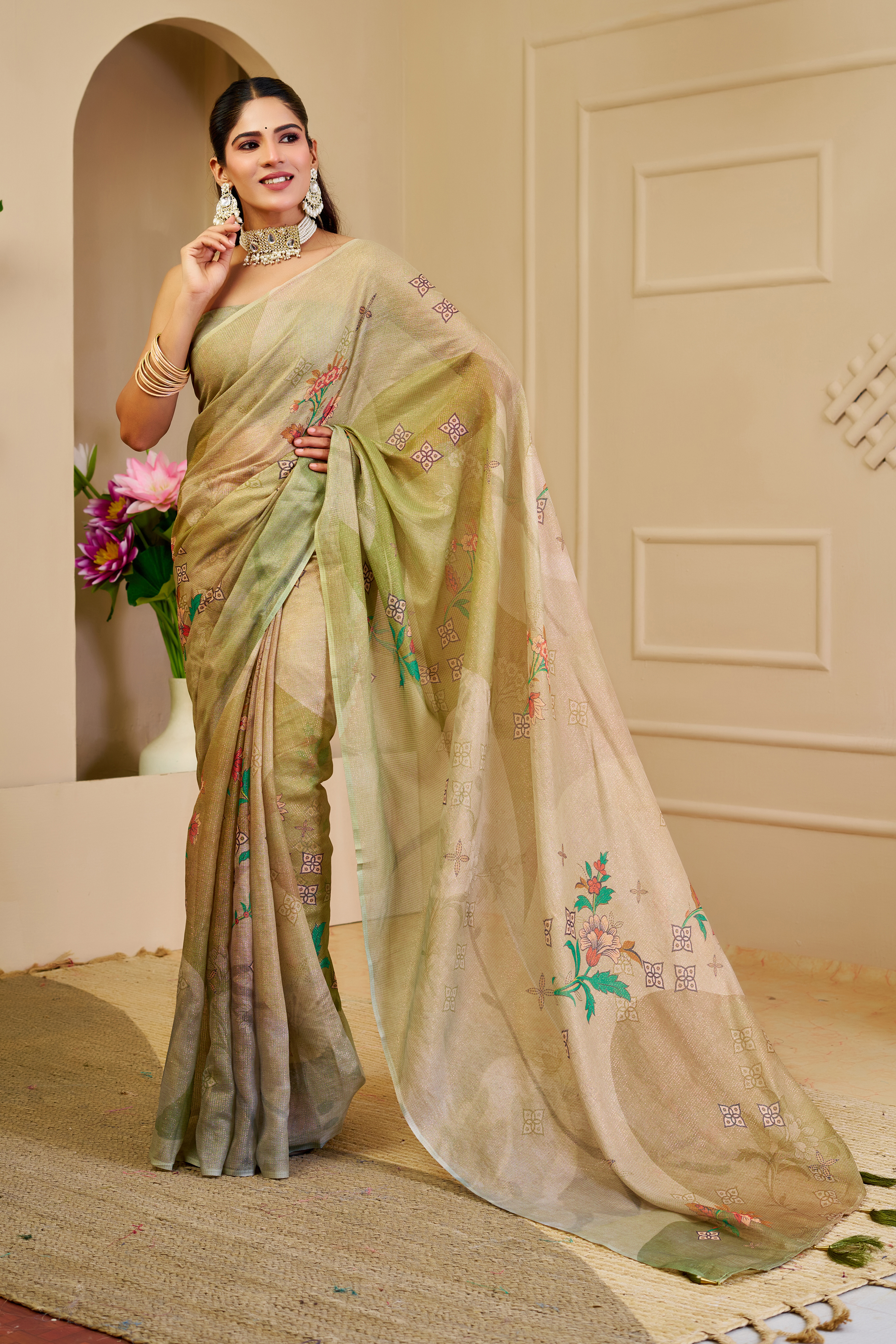
The Pastel Linen Cotton Floral Print Saree with Designer Blouse is an useful example of a coordinated beginner option because the blouse removes one major styling decision. A printed linen cotton surface can disguise small irregularities in the pleats, which is helpful when a first drape isn't perfectly uniform.
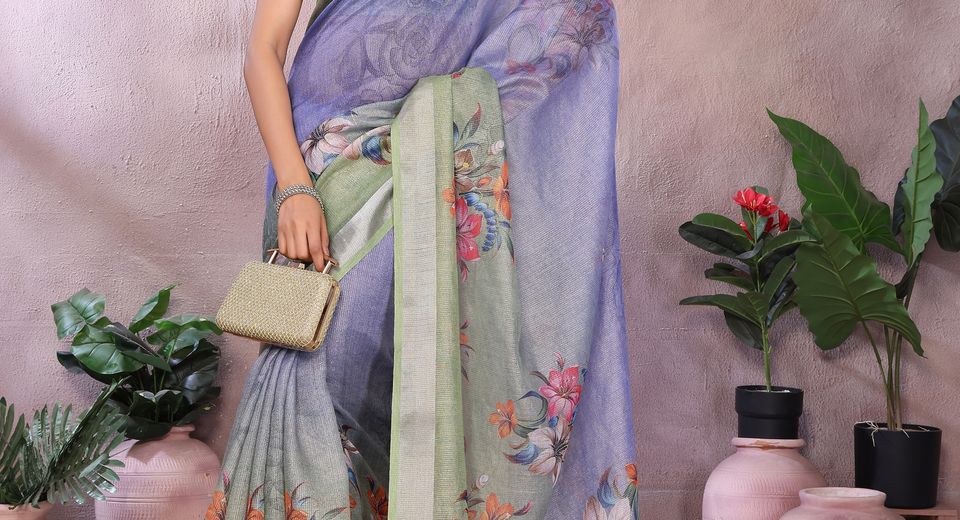
The Lavender Floral Linen Cotton Saree with Elegant Blue Border gives another practical direction. Lavender is soft without disappearing in photographs, and the blue border gives the eye a line to follow while arranging the lower edge. Silver-toned earrings, a low bun and neutral footwear can keep the colour story balanced.
The Peach Floral Linen Cotton Saree with Beautiful Blue Border creates a warmer alternative. Peach works with gold, pearl or rose-gold accessories, while the blue border adds contrast near the hem. A peach saree can look celebratory without relying on dense sequins or heavy metallic work.
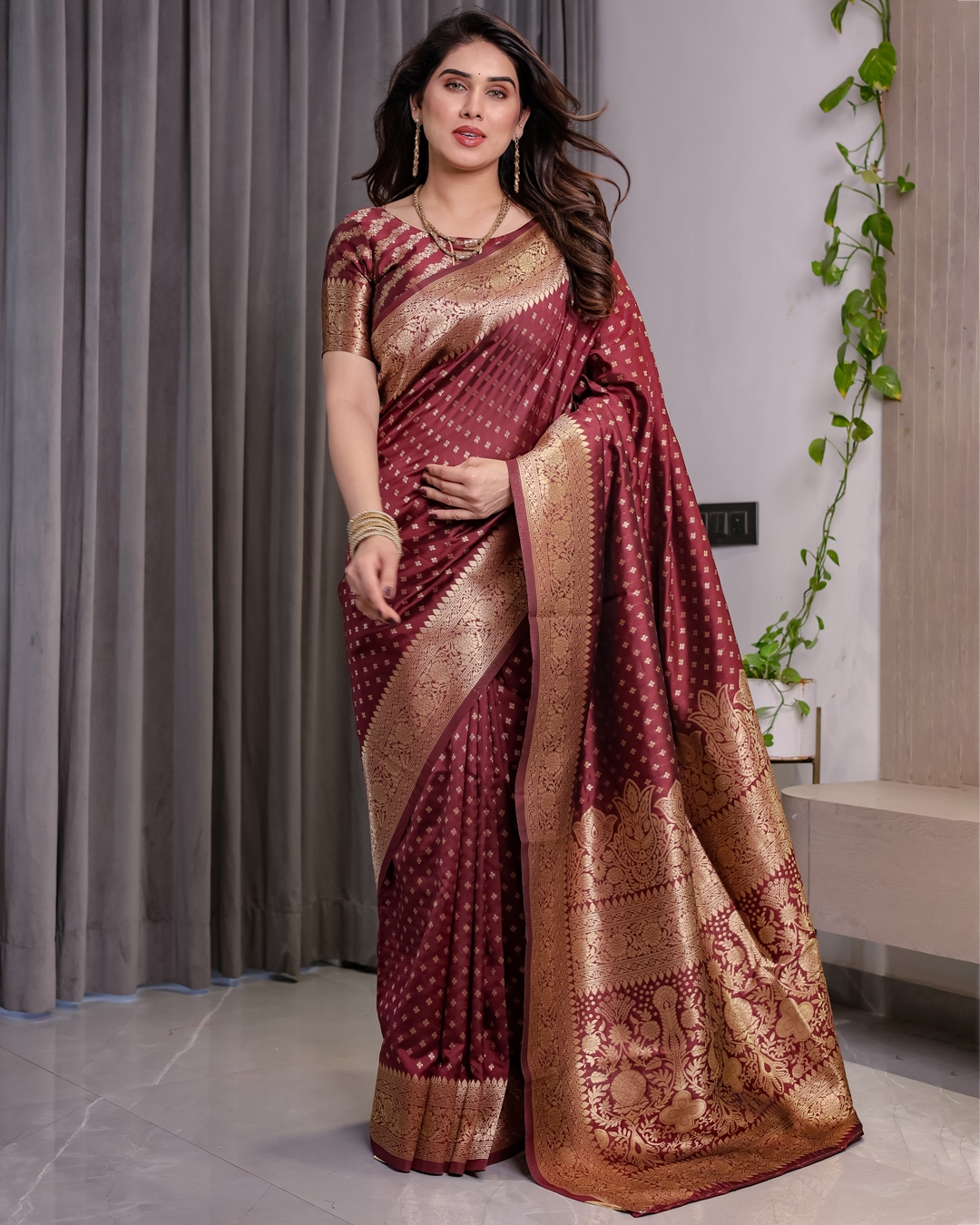
Georgette behaves differently from linen cotton. The Wine Floral Georgette Saree with Sequin Lace Border has a fluid fall and a more evening-oriented surface, so it can suit a ceremony followed by dinner or photographs. Because georgette may shift more easily, use a firm underskirt, a correctly adjusted waist and discreet pins at the shoulder and pleats.
Handloom cotton can also be formal when the weave and border are thoughtfully chosen. The Pastel Floral Tissue Handloom Cotton Saree with Zari Weaves brings texture and a restrained festive note, but practise folding the pleats because a tissue handloom surface may hold a sharper shape than soft cotton.
Colour families can also guide browsing. Silk Sarees Under 3000 With Discount may be useful for comparing formal textures and price points, although a beginner should check weight before choosing silk. Pink Georgette Sarees can offer soft colour options, while Party Wear Sarees may provide ideas for borders, blouse shapes and evening accessories.
What should you buy with A Graduation Saree for Someone Who Has Never Draped One?
A first-time saree wearer needs a fitted blouse, a secure underskirt, comfortable footwear and a small set of safety pins. These supporting pieces determine whether the saree remains stable more than jewellery or makeup does.

The blouse should fit closely around the bust without pulling across the armholes. A loose blouse allows the saree to move, while a tight blouse restricts arm movement and makes the pallu feel shorter. Test the blouse by raising both arms, sitting on a chair and bringing one arm across the body before the event.
A moderate neckline and secure back fastening reduce the need for adjustment during the ceremony. Elbow-length or short sleeves can provide useful support beneath the pallu, especially when the saree fabric is smooth or lightweight.
The underskirt should match the saree closely enough that a small gap doesn't show through the pleats. A cotton or satin underskirt with a strong drawstring or waistband is generally more reliable than an elastic-only style. Tie the underskirt at the natural waist, not low on the hips, because the saree needs a stable anchor.
Footwear should be selected before the saree is hemmed or practised. Wear the same shoes during every rehearsal because even a difference of two centimetres can change the visible length of the saree. Low heels, block heels or dressy flats are usually safer than narrow high heels for a ceremony involving stairs and standing.
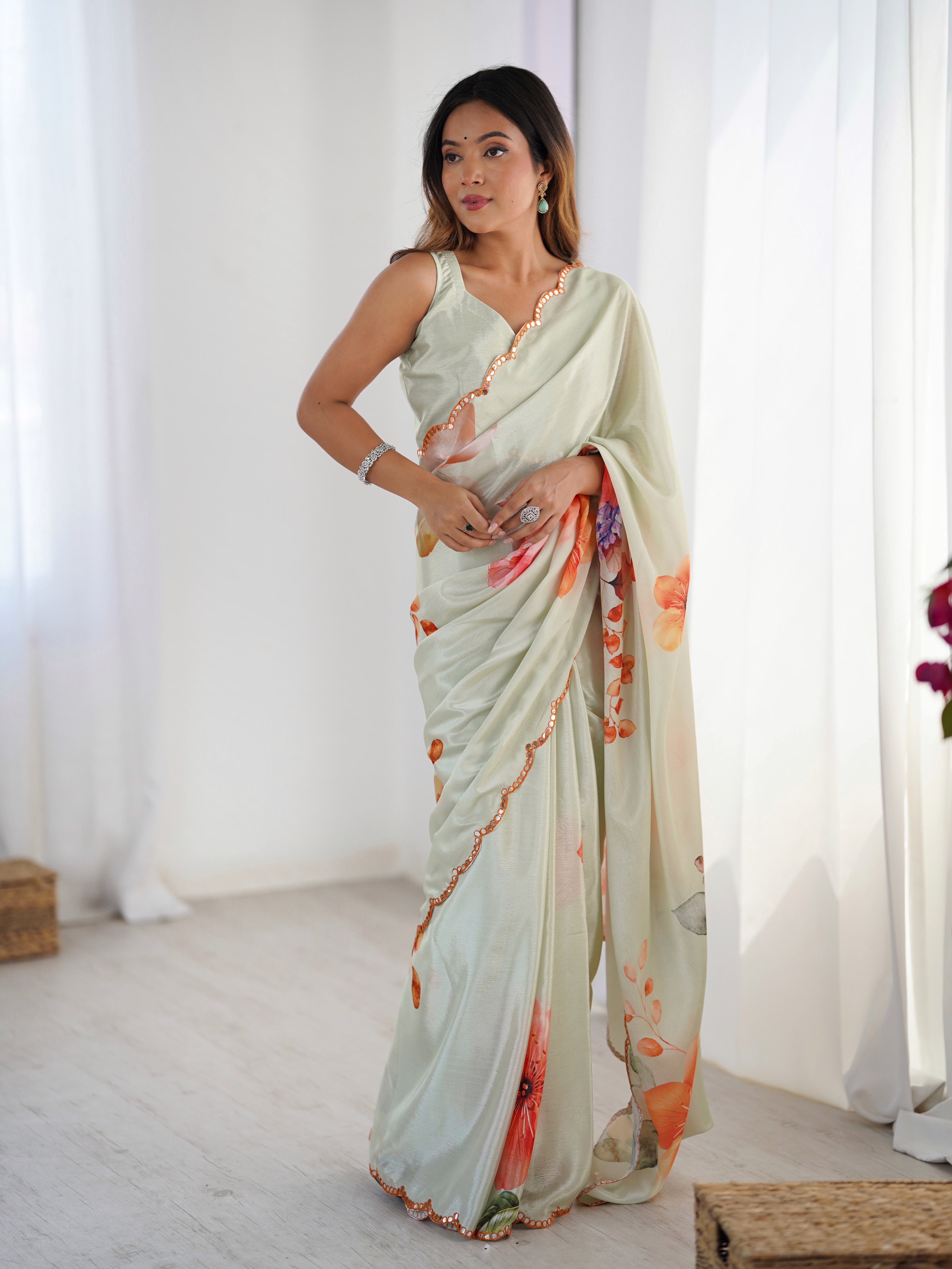
The Peach Floral Linen Cotton Saree with Golden Jacquard Border can work with a simple blouse and warm gold accessories because the border already gives a formal accent. The Pastel Floral Printed Linen Cotton Saree with Blouse is convenient when the print and blouse are already coordinated. Both examples show why a coordinated set can reduce last-minute decisions for a new wearer.
A pre-stitched or ready-to-drape saree is also a valid beginner solution when time is limited. A traditional saree doesn't become more meaningful because the wearer struggled with it. The best graduation outfit is the one that lets the wearer participate fully in the ceremony.
How do you practise A Graduation Saree for Someone Who Has Never Draped One?
Practise the complete drape at least twice before graduation, ideally once in the exact blouse, underskirt and footwear planned for the event. A ten-minute trial checks only the first folds; a complete practice reveals problems with walking, sitting, pallu length and pleat stability.
- Prepare the base: Wear the blouse and underskirt, put on the final footwear and keep six to eight safety pins nearby. Place the saree so the decorative end is easy to identify.
- Make the first tuck: Tuck the plain end into the underskirt at the right waist and wrap the saree once around the body from right to left. Keep the lower edge just above the floor so the hem doesn't catch under a shoe.
- Create the front pleats: Fold approximately five to seven pleats, each around 12 to 15 centimetres wide. Align the lower edges, press the folds with your hands and tuck the pleats slightly left of the navel.
- Check the fall: Stand straight and walk several steps. The pleats should hang without twisting, and the border should remain broadly vertical. A small safety pin inside the pleat bundle can prevent the folds from opening.
- Arrange the pallu: Bring the remaining fabric around the back and over the left shoulder. Let the pallu reach approximately mid-calf or just above the ankle, depending on height and personal comfort.
- Secure key points: Pin the shoulder near the blouse seam, the inner pallu near the waist and the upper pleats if the fabric is slippery. Pins should hold the fabric without pulling visible holes or distorting the border.
Record a short video during the first practice. A video often reveals a dipping hem, uneven pleats or a pallu that's too short more clearly than a mirror does. Mark the most comfortable waist position with a small piece of removable tape on the underskirt, then repeat the drape from that point.
Practise sitting on a chair, climbing a few stairs and walking for five minutes. The front pleats should stay below the knees without spreading, and the pallu should not pull sharply at the shoulder. Make adjustments during rehearsal rather than on graduation morning.
Where should you pin A Graduation Saree for Someone Who Has Never Draped One?
Pin the pleat bundle, the shoulder pallu and any slippery inner layer, but leave enough fabric loose for natural walking and sitting. Excessive pinning can make the saree rigid, while insufficient pinning can cause the drape to unravel.
Use small, sharp safety pins rather than large craft pins. Insert each pin horizontally through the inner layers and avoid pushing the point through the visible front surface. The shoulder pin should sit close to the blouse seam, where the blouse can bear the weight of the pallu.
A hidden waist pin can help a lightweight georgette saree remain stable. Place the pin from inside the saree into the underskirt so it doesn't show. Do not pin the saree tightly across the knees or ankles because a restricted stride becomes uncomfortable during a graduation procession.
Pin the top of the pleat bundle after checking that the lower edges are aligned. A pin placed too low can distort the border, while a pin placed too high may fail to hold the folds. For a saree with sequin lace or zari, use the inner seam area rather than forcing a pin through dense decorative work.
Pack three safety pins, two hairpins, a stain-removal wipe, tissues and a spare earring back in a small clutch or with a trusted family member. A two-minute repair is easier when the necessary items are already available.
How should A Graduation Saree for Someone Who Has Never Draped One be styled?
A polished first-saree look needs one clear focal point, comfortable jewellery and neat hair rather than several competing embellishments. Keep the blouse, border, earrings and makeup within a connected colour family.

Floral linen cotton already supplies visual detail, so pearl studs, small jhumkas or one delicate necklace may be enough. A lavender saree with a blue border can take silver earrings and cool-toned makeup, while peach linen cotton pairs naturally with gold earrings, a soft brown eyeliner and a warm nude lip.
Wine georgette with sequin lace has more surface shine, so keep the blouse relatively clean and let the saree provide the evening detail. A low bun or a half-up hairstyle keeps the pallu visible and prevents loose hair from catching on sequins.
A small bindi in a colour drawn from the border creates a finished appearance without adding visual clutter. Comfortable footwear with a broad strap and low heel or flat sole is a better graduation choice than a shoe that looks impressive but becomes painful after an hour.
Red Banarasi Silk Sarees for Weddings Under 1100 can provide colour inspiration for a more heritage palette, but heavy silk and dense zari should be tested carefully before selecting them for a first drape. Gray Color Sarees Under 1000 may offer a restrained alternative for someone who prefers neutral clothing, especially when paired with a coloured blouse or bright earrings.
Makeup should withstand heat, photographs and several hours of wear. Apply a light base, set the T-zone, carry lip colour for touch-ups and avoid a new skincare product on the morning of graduation. Hair should be secured well enough that the wearer doesn't need to reach behind the shoulder and disturb the pallu.
What is the final checklist for A Graduation Saree for Someone Who Has Never Draped One?
The final checklist should cover fit, movement, pins, footwear, weather and timing. Completing these checks the night before removes most avoidable problems.
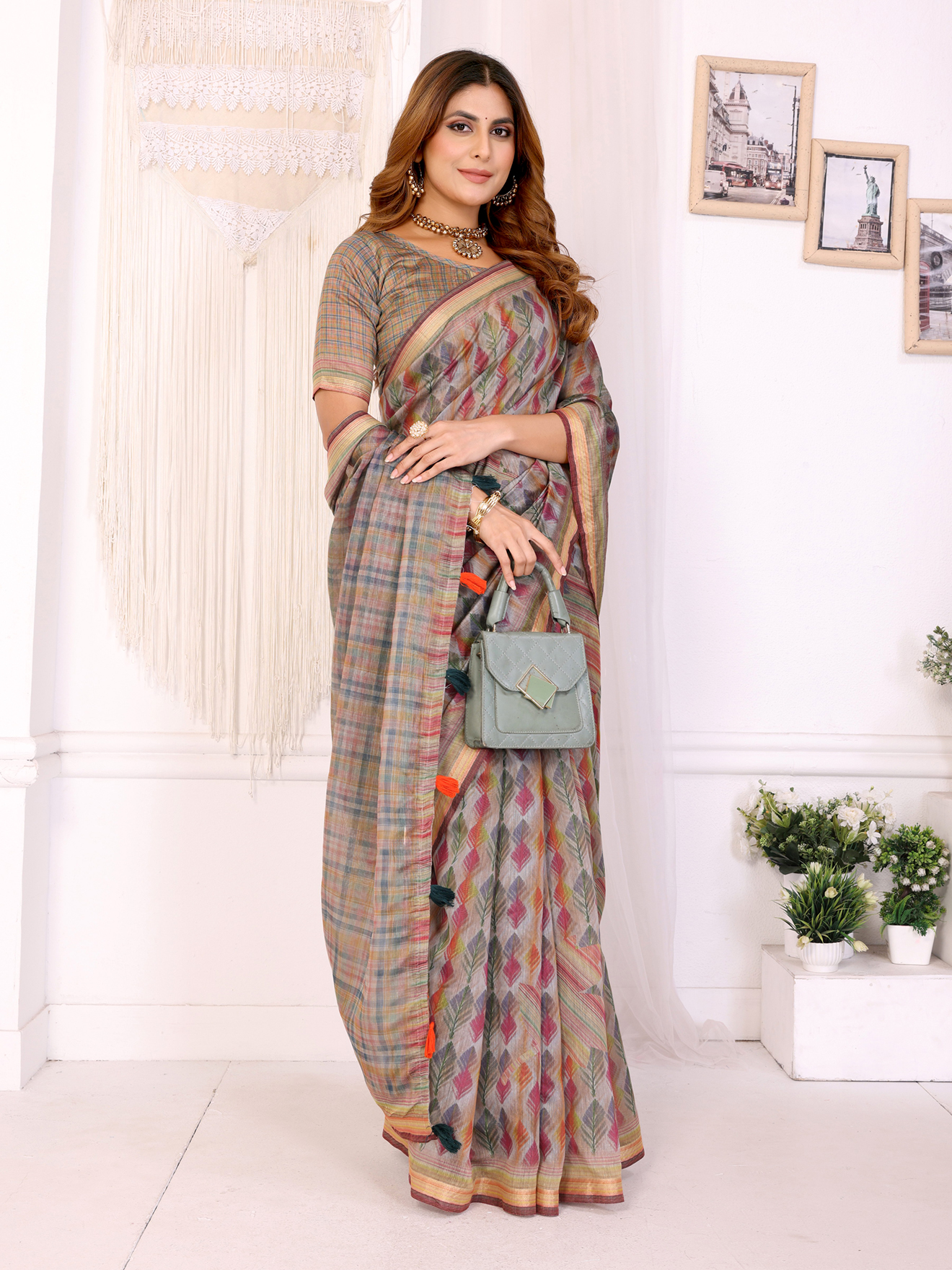
- Blouse: Check the armholes, fastenings and shoulder fit while standing and sitting.
- Underskirt: Tie the waistband securely at the natural waist and confirm that the fabric isn't visible.
- Length: Test the saree with the exact footwear and keep the hem just above the floor.
- Pleats: Confirm that five to seven pleats hang evenly and don't twist while walking.
- Pallu: Check that the shoulder pin sits near the blouse seam and that the pallu doesn't drag.
- Movement: Walk, sit, climb stairs and raise both arms before leaving home.
- Weather: Carry a light shawl or compact rain cover if the ceremony involves outdoor photographs.
- Timing: Allow at least 45 minutes for a first-time drape, including dressing, pinning and final adjustments.
Ask an experienced family member, friend or professional draper to help with the first full rehearsal if possible. Assistance is most useful when the helper explains where each fold begins rather than simply completing the entire drape. Understanding the process makes later adjustments much less intimidating.
A successful first saree is measured by confidence, comfort and freedom of movement. Once the fabric has been tested, the pleats rehearsed and the key points secured, graduation day can focus on the achievement rather than the outfit.
Common Questions About Wearing Your First Saree at Graduation
What is the easiest saree fabric for someone wearing one for the first time?
Linen cotton is often the easiest starting point because it offers moderate grip, manageable weight and pleats that are relatively simple to arrange. Lightweight georgette can also work, but it usually needs stronger pinning and a secure underskirt.
How many pleats should a beginner make in a saree?
A beginner can start with five to seven front pleats, each approximately 12 to 15 centimetres wide. The exact number depends on the saree width and the wearer's body, but aligned lower edges matter more than making a fixed number of pleats.
How early should I practise wearing a saree before graduation?
Practise at least twice before graduation, with the second rehearsal using the final blouse, underskirt and footwear. Complete the last full trial the evening before the ceremony so the hem, pallu length and pins can be adjusted in advance.
Can I wear a saree to graduation if I do not know how to drape one?
Yes, you can wear a saree to graduation without previous draping experience if you practise beforehand or arrange help from an experienced person. A pre-stitched saree is another practical option when dressing time or confidence is limited.
How do I stop a georgette saree from slipping?
Use a firm underskirt, tie the waistband at the natural waist and pin the pleat bundle and shoulder pallu discreetly. Practising while walking and sitting will show whether an additional hidden waist pin is needed.
What shoes are most comfortable with a graduation saree?
Low heels, block heels or dressy flats with a secure strap are usually the most comfortable choices. Practise in the exact shoes planned for graduation because footwear height changes the saree hem and the ease of walking.