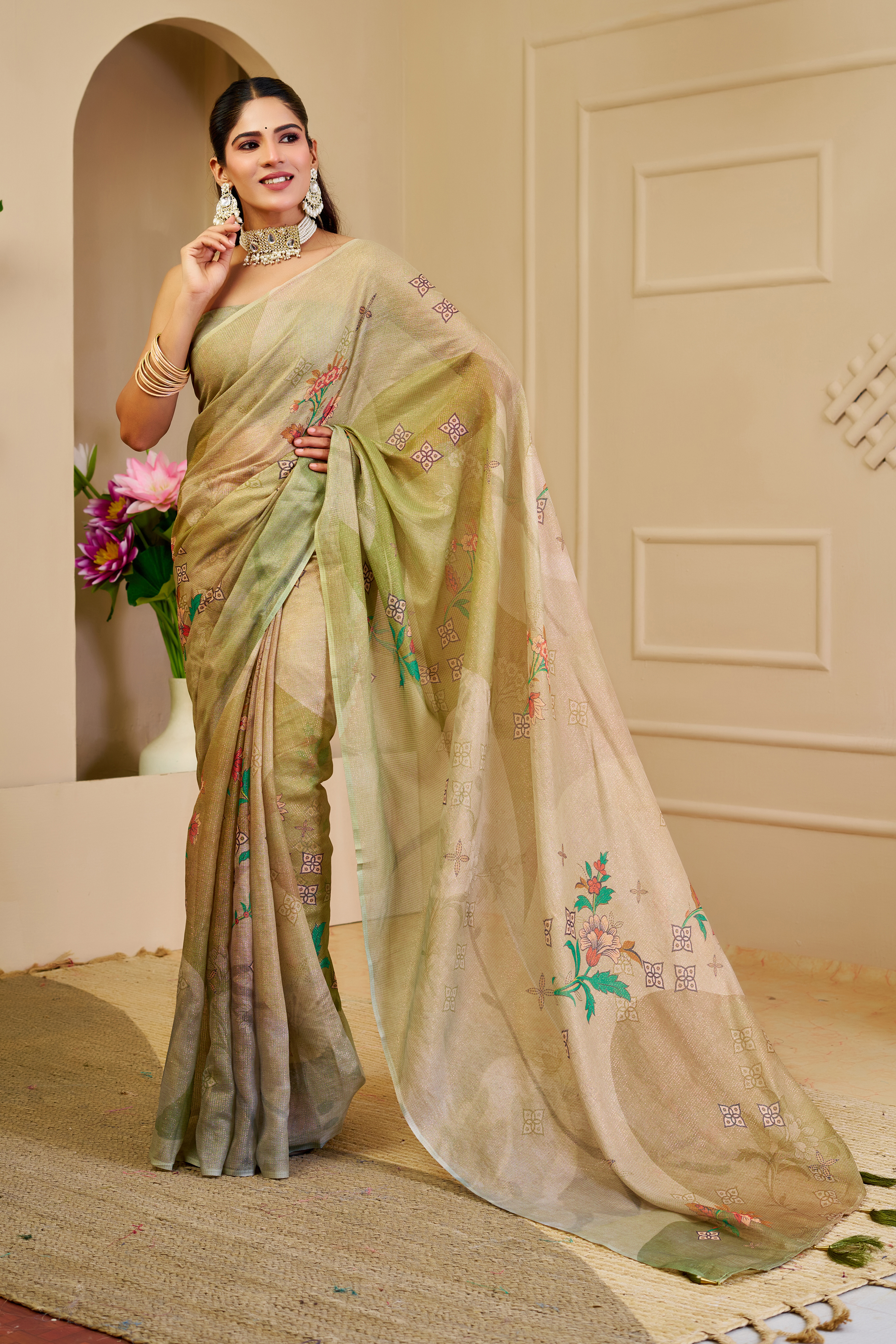
A Girls Pavadai Sattai Outfit for a South Indian Festival should look festive without making a child tug at her blouse, trip over her skirt or feel overheated after an hour. The traditional pavadai sattai combines a flared skirt, called a pavadai, with a matching or contrasting blouse, called a sattai. With thoughtful fabric, accurate measurements and restrained accessories, the outfit can work for Pongal, Onam, Navaratri, Tamil New Year, temple visits and family weddings.
Many contemporary lehenga sets borrow the same visual language: a decorated skirt, a fitted choli and sometimes a dupatta. The difference is usually in construction and styling rather than in the festive effect. A pavadai sattai generally has a simpler two-piece silhouette, while a lehenga choli may use heavier embroidery, a more structured waistband and an additional drape. Understanding that distinction helps parents choose an outfit that looks traditional while remaining practical for a child.
A Girls Pavadai Sattai Outfit for a South Indian Festival needs practical construction
A suitable pavadai sattai has a comfortable waistband, a secure blouse, a manageable hemline and decoration that doesn't scratch the skin. The outfit should allow a child to sit cross-legged, walk up steps, participate in prayers and move during cultural programmes.
Traditional South Indian versions often use silk, silk cotton or cotton, with combinations such as mustard and maroon, parrot green and pink, royal blue and gold, or red and yellow. Kanjeevaram-inspired borders, zari lines and temple motifs connect the outfit to regional textile traditions without requiring a fully handwoven silk garment.
For younger children, a soft cotton lining matters more than a dramatic flare. A skirt with two or three lightweight layers can create movement without adding unnecessary weight. Older girls may enjoy a wider flare, a modest peplum-style blouse or a short dupatta, provided the dupatta is secured at the shoulder and doesn't trail near lamps, food or crowded walkways.
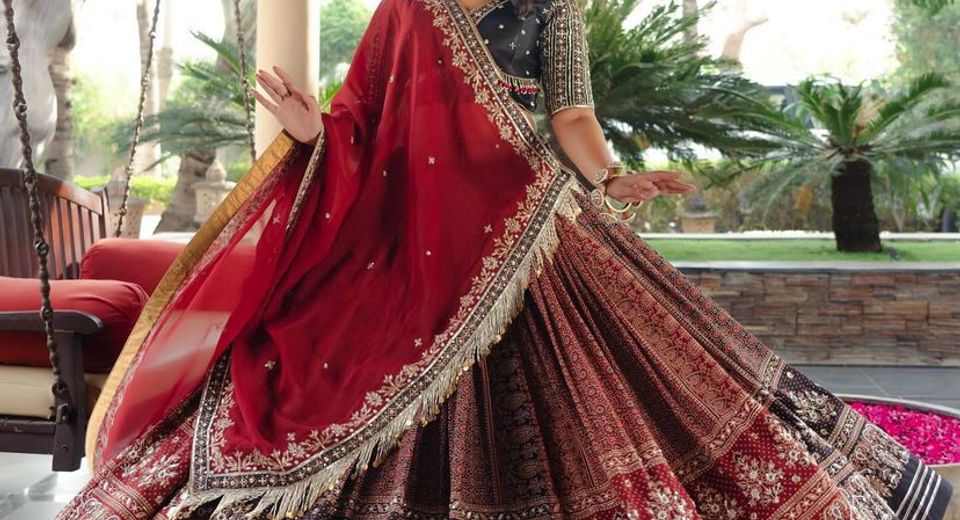
A Girls Pavadai Sattai Outfit for a South Indian Festival can also take inspiration from lehenga styling. Red Ethnic Lehenga Choli with Digital Print Design demonstrates how a strong base colour and repeated motifs can create a festive appearance without requiring dense embellishment across every panel. The same principle works for a pavadai: place visual interest at the border and waist, then keep the upper body balanced.
How should a Girls Pavadai Sattai Outfit for a South Indian Festival be chosen by fabric?
Parents should choose fabric according to the festival's weather, the event's duration and the child's sensitivity to texture. Cotton silk and breathable cotton blends are usually practical for daytime celebrations, while lightweight art silk, georgette accents or lined net panels can work for shorter evening events.
Pure silk creates a rich drape and suits formal family ceremonies, but silk can feel warm and may require careful storage. Banarasi silk has a distinctive woven sheen and zari pattern, yet a heavy Banarasi silk skirt may restrict a small child's movement. A silk-cotton blend often gives a similar festive impression with less weight and easier maintenance.
Chanderi provides a light, translucent appearance and works beautifully for an overlay or dupatta. Chanderi fabric can snag against rough jewellery or Velcro, so the garment should be checked for sharp hooks before dressing a child. Net is attractive for volume, but net should have a soft lining because raw edges can irritate the waist and legs.
For a Haldi ceremony or an outdoor daytime function, cotton, cotton silk and light synthetic blends are safer choices than several layers of velvet or brocade. Yellow turmeric, food stains and dust are common at such events, so washable or dry-cleanable fabric is valuable. Haldi Lehengas Under 5500 reflects the popularity of yellow-based festive dressing, although the exact fabric and care instructions should always be checked before purchase.
Fabric weight should be judged by the complete garment rather than by the material name alone. A thin fabric with dense sequins may weigh more than a plain silk-cotton skirt. Parents can lift the garment, inspect the lining and gently press the waistband before deciding whether the outfit will remain comfortable through a three-hour celebration.
How should a Girls Pavadai Sattai Outfit for a South Indian Festival fit a growing child?
The correct fit leaves enough ease for sitting and movement while keeping the waistband and shoulders secure. Measure the child's natural waist, upper chest, shoulder width and preferred skirt length, then compare those measurements with the seller's size chart instead of relying only on age.
A skirt waistband should sit flat without digging into the stomach. An elasticated back, tie fastening or adjustable hook system can extend wear across a growth spurt. Excess fabric should not be gathered so heavily that the skirt becomes bulky at the waist. A small margin for alteration is useful, but an oversized skirt can become a tripping hazard.
The blouse should cover the chest comfortably and remain in place when the child raises both arms. Armholes that are too tight cause discomfort, while very loose armholes can expose the inner garment during movement. A side zip, back tie or additional hook can improve adjustability, but closures should be covered so that metal edges don't rub the skin.
Skirt length deserves particular attention. For a child wearing flat sandals, the hem should sit above the floor by roughly 2 to 4 centimetres. A floor-length hem may look elegant in photographs but can catch underfoot during stairs, dancing or temple circumambulation. A tailor can usually shorten the hem while preserving a decorative border if the border has been placed with alteration in mind.
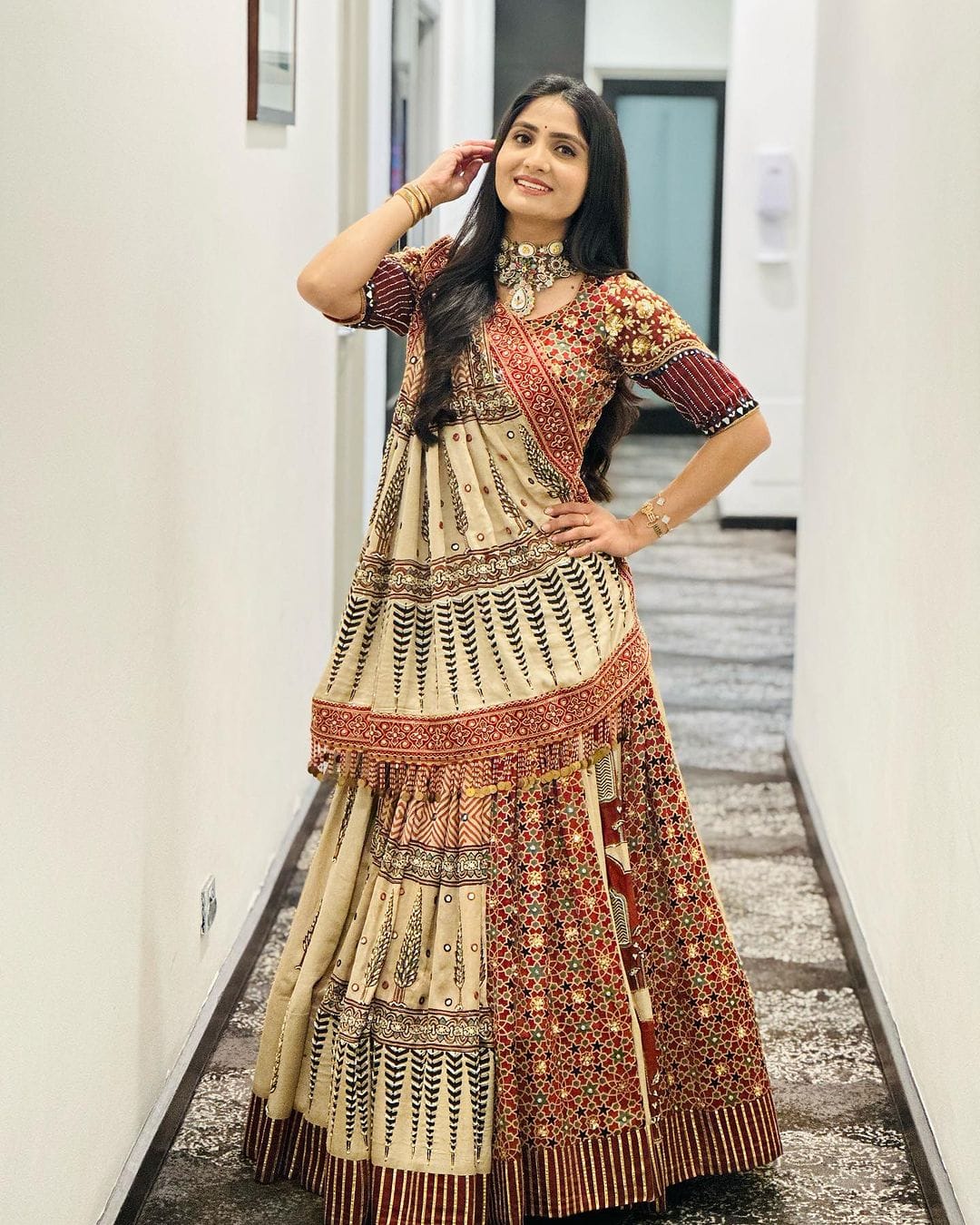
Lehenga references can help with proportion. Beige Ethnic Printed Lehenga Set for Navratri and Garba shows how a lighter base can make a printed skirt feel less visually heavy. For a pavadai sattai, a pale skirt can be paired with a brighter blouse, or a vivid skirt can be balanced with a simpler blouse and border.
Which colours suit a Girls Pavadai Sattai Outfit for a South Indian Festival?
Colour should reflect the festival setting, the time of day and the child's comfort with brightness. Jewel tones suit evening celebrations, while lighter yellow, peach, coral, mint and ivory combinations are comfortable-looking choices for daytime gatherings.
Pongal outfits often use turmeric yellow, sugarcane green, maroon, red and cream. Floral borders, mango motifs and small checks can echo agricultural themes without turning the garment into a costume. For Tamil New Year, pink, orange, green and gold create a celebratory palette that photographs well in natural light.
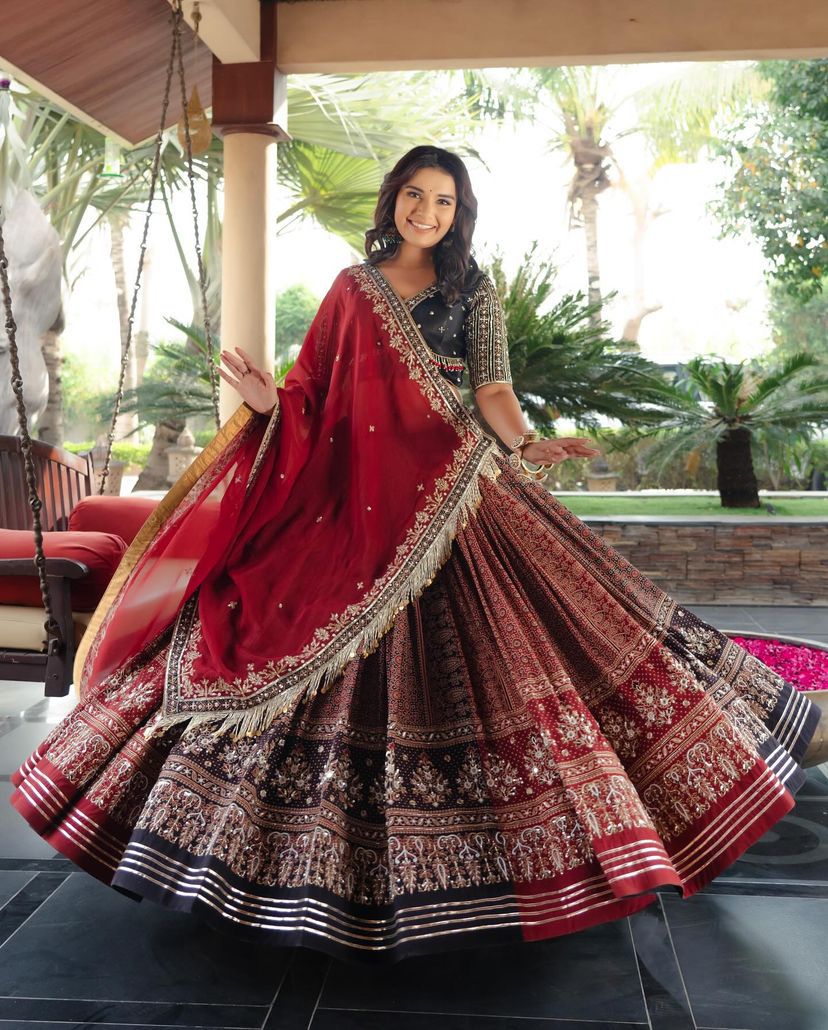
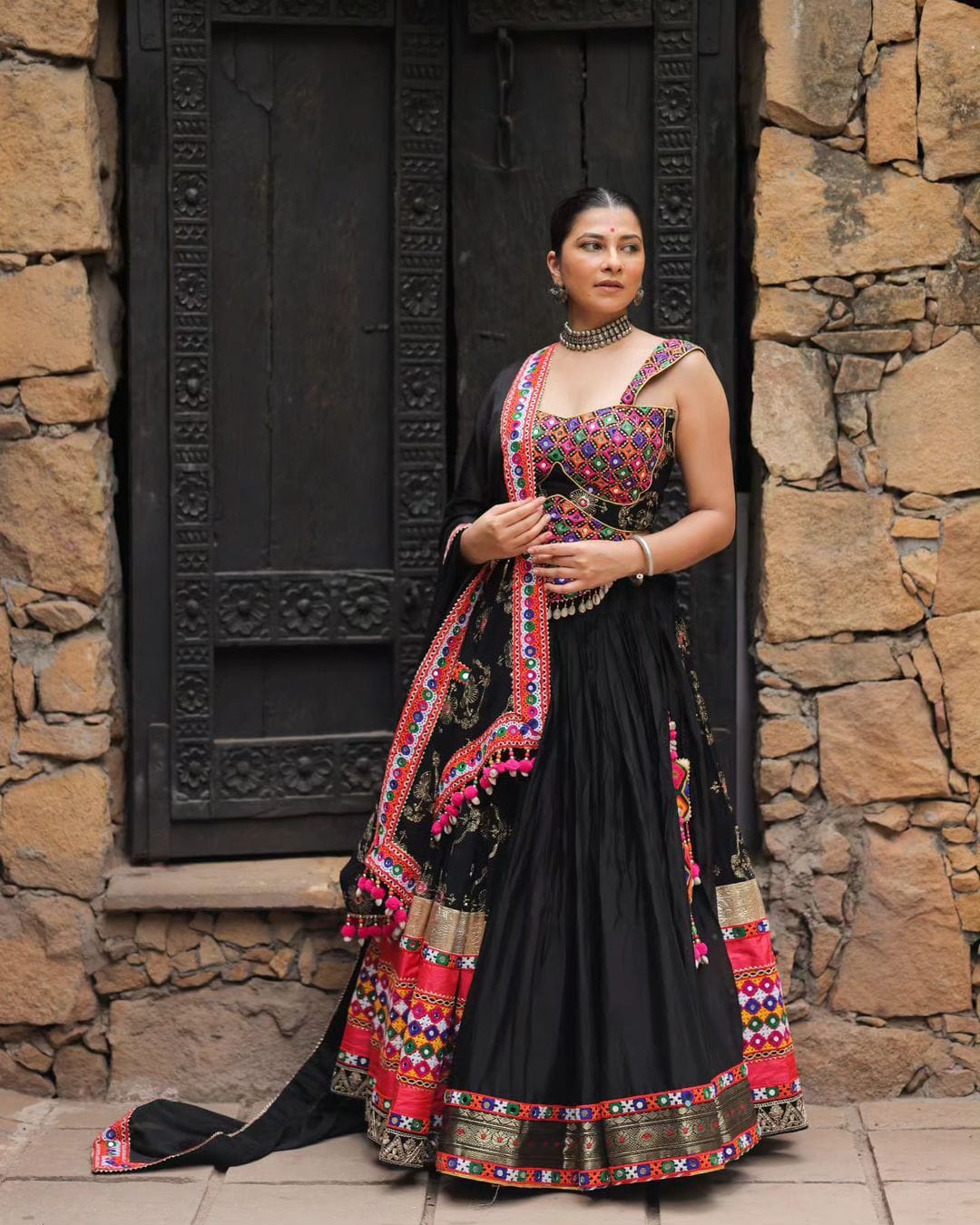
Navaratri encourages colour-led dressing, and nine-day celebrations make it possible to vary the blouse while repeating one skirt. A red skirt with a green or mustard blouse offers a traditional contrast. A black base can also look striking at Garba events, especially when paired with colourful embroidery and secure footwear. Designer Black Garba Lehenga Choli for Festive Season illustrates how mirror-like details and contrasting colour can provide energy without relying on a complicated silhouette.
Motifs should match the child's age and the formality of the gathering. Small paisley, floral, peacock, mango and temple-border patterns suit young girls. Large sequins or dense metallic embroidery may be appropriate for a wedding reception but can feel excessive for a morning puja. Zari is beautiful in borders and motifs, although a soft woven zari effect is usually more comfortable than stiff metallic thread across the entire blouse.
Colour balance also matters in family photographs. If the child's skirt is heavily patterned, a solid blouse can make the outfit look composed. If the skirt is plain silk, a printed or embroidered blouse can supply contrast. Pink Lehengas Under 4000 with 50% Discount demonstrates the broad appeal of pink festive dressing, from dusty rose to bright fuchsia; the right shade depends on the child's complexion, venue lighting and existing accessories.
How can a Girls Pavadai Sattai Outfit for a South Indian Festival stay comfortable?
A comfortable festive style uses one statement accessory, secure hair styling and footwear that the child has already worn before. Traditional details look more polished when every piece is scaled to the child rather than copied from an adult bridal look.
For jewellery, small jhumkas, a lightweight necklace, bangles with smooth edges and a simple waist belt are usually enough. A long necklace can catch on the blouse or another child's clothing, while oversized earrings can pull at the earlobes. If the outfit already has zari or sequins, gold-toned imitation jewellery can provide cohesion without adding considerable weight.
Hair can be divided into a braid, two plaits, a bun or a half-up style depending on length and activity. Jasmine flowers are traditional for South Indian celebrations, but fresh flowers should be pinned securely and replaced if they become wilted. A small gajra or floral clip gives a similar effect for shorter events. Hairpins should have covered tips, particularly for younger children.
Footwear should have a firm sole and a strap that keeps the sandal attached while walking. New footwear should be tested at home before the festival. A child who will sit on the floor may prefer cushioned sandals over decorative slip-ons. Carrying a spare pair of leggings or shorts can also make restroom visits and active play easier, especially when the skirt has a wide flare.
Silk Lehengas Under 3000 and Net Lehengas Under 4500 with 51% Discount can offer useful visual references for fabric contrast, flare and border placement. A child's final outfit doesn't need to reproduce an adult bridal look; a breathable lining, lighter embellishment and a secure fit usually make the style more successful.
How should you accessorise a Girls Pavadai Sattai Outfit for a South Indian Festival?
The best accessory plan uses one focal detail and keeps every remaining piece lightweight and secure. A temple-style pendant, jasmine braid, simple waist belt or embroidered border can serve as the main visual feature.
A traditional look may include a small maang tikka, bangles, jhumkas and a necklace, but wearing all four isn't essential. Children often touch their hair and face during long functions, so loose forehead jewellery can become distracting. Smooth bangles are preferable to rigid pieces with sharp edges.
Dupattas need special attention because a loose drape can catch on chairs, lamps and door handles. If a dupatta is included, pin it at the shoulder and secure the opposite end near the waist. For children under six, omitting the dupatta may be the safer choice because the pavadai and sattai already provide a complete traditional silhouette.
Makeup should remain minimal and optional. A small bindi, moisturiser and lip balm are generally more comfortable than heavy foundation or glitter products. Any cosmetic should be patch-tested in advance, especially when the child has sensitive skin.
How should a Girls Pavadai Sattai Outfit for a South Indian Festival be stored after wearing?
The outfit should be aired, inspected and stored according to its fibre and embellishment within 24 hours of wearing. Prompt care prevents sweat, food residue and moisture from setting into silk, zari borders or embroidered surfaces.
Silk and heavily embellished garments should usually be dry-cleaned only when the care label recommends it. Cotton and some washable blends can be gently hand-washed in cool water with mild detergent, but colour bleeding should be tested on an inside seam first. Do not wring zari, sequins or net panels because twisting can distort the base fabric.
After cleaning, the skirt and blouse should dry in shade rather than direct sunlight. Direct sunlight can fade red, pink and purple dyes, while high heat can weaken synthetic embellishments. Store the outfit folded in breathable cotton fabric, with tissue paper between embellished layers to reduce snagging.
Before the next festival, check hooks, elastic, blouse ties, hems and jewellery attachments. A five-minute inspection can reveal a loose sequin or broken fastening before the child wears the outfit outdoors. Keeping a small sewing kit, safety pins and stain-removal wipes in the event bag brings practical backup without changing the overall styling plan.
Common Questions About a Girls Pavadai Sattai Outfit for a South Indian Festival
What fabric is most comfortable for a girl’s pavadai sattai in summer?
Cotton, cotton silk and lightweight silk-cotton blends are usually the most comfortable choices for summer festivals. These fabrics allow more airflow than heavily layered velvet or brocade, especially when the blouse and skirt have soft cotton lining.
How long should a girl’s pavadai sattai skirt be?
The skirt hem should generally sit about 2 to 4 centimetres above the floor when the child wears the intended footwear. A shorter, manageable hem reduces the risk of tripping during temple visits, dancing and stair use.
Can a lehenga replace a traditional pavadai sattai?
A lehenga can replace a pavadai sattai when the event allows contemporary ethnic wear, because both outfits use a flared skirt and fitted upper garment. A pavadai sattai usually looks more traditionally South Indian, while a lehenga may include heavier embroidery, a choli or a dupatta.
Which colours are suitable for a Pongal outfit for girls?
Yellow, green, red, maroon, cream and orange are suitable Pongal colours because they reflect turmeric, sugarcane, harvest produce and festive decorations. A bright blouse with a simpler skirt can create contrast without making the outfit visually heavy.
How can parents make a festive pavadai sattai safer for young children?
Parents can choose a secure waistband, a hem above the floor, soft lining and flat strapped footwear. Small jewellery, covered hairpin tips and a pinned or omitted dupatta also reduce snagging and discomfort during movement.
Is zari comfortable for children’s festive clothing?
Zari is comfortable when it is used mainly on a border or small motif and backed by a soft lining. Stiff metallic thread across the entire blouse or raw embellished edges can scratch the skin, so the garment should be tried on before the festival.