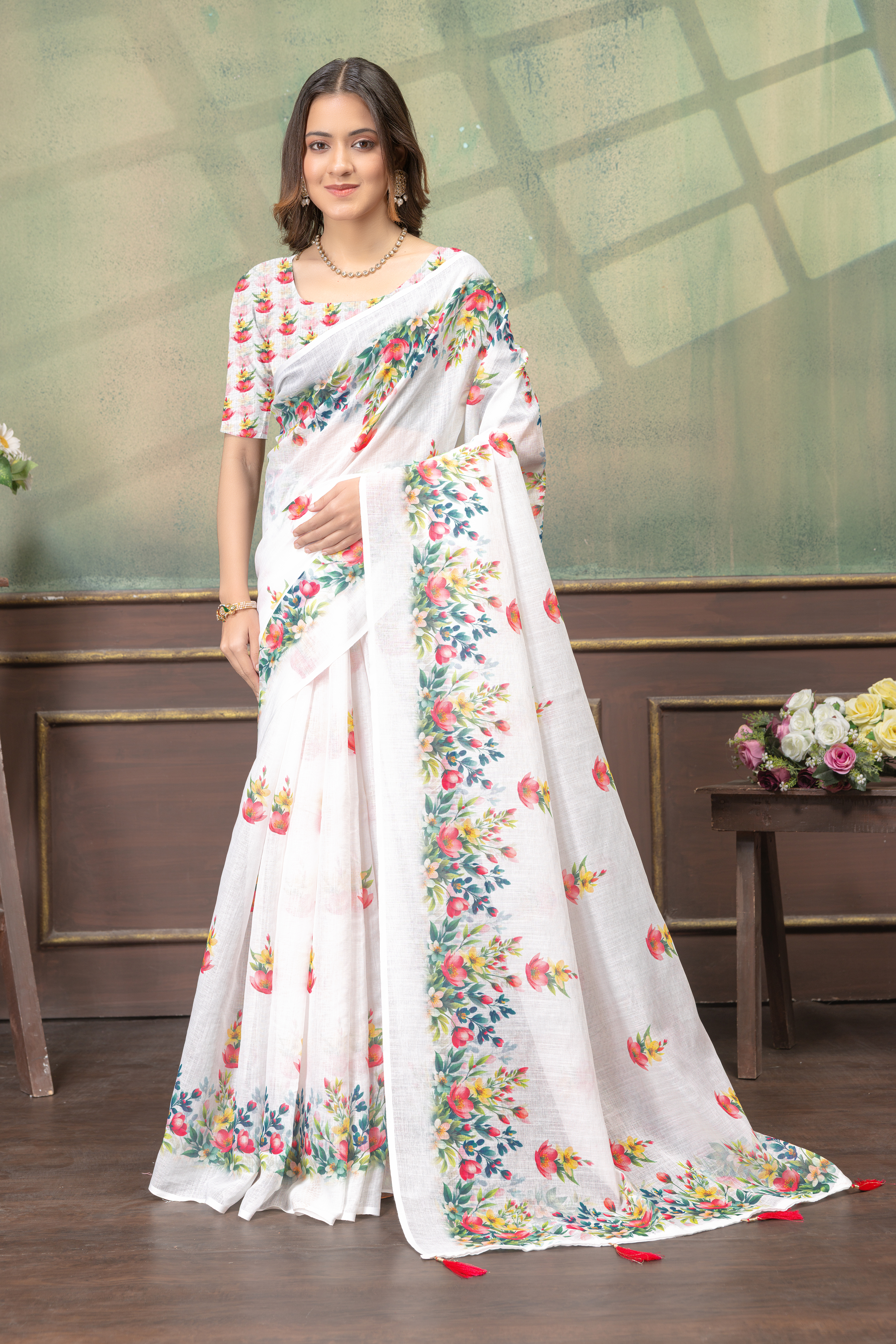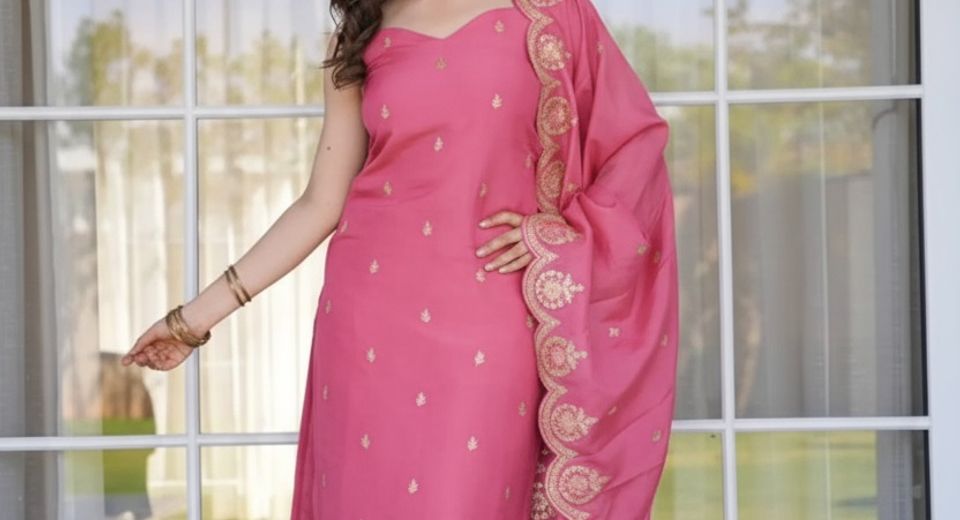
Zardozi Salwar Suits That Feel Festive Without Looking Bridal are easier to style when the embroidery, colour and silhouette are considered together. Zardozi can signal celebration without making a salwar suit resemble wedding reception clothing. The difference usually comes down to the scale of the metallic work, the amount of surface coverage, the depth of the colour and the accessories worn with it.
For a Diwali dinner, Eid gathering, family puja or festive lunch, a suit with controlled zari and a breathable base fabric often looks more appropriate than a heavily embellished ensemble. The aim isn't to remove ornamentation; the aim is to give the ornamentation room to look intentional.
Zardozi Salwar Suits That Feel Festive Without Looking Bridal: what creates the distinction?
Zardozi looks festive rather than bridal when metallic embroidery is concentrated in selected areas instead of covering the entire garment. A restrained neckline, border, sleeve motif or scattered bootis creates occasion-appropriate richness without the visual weight of a wedding outfit.
Traditional zardozi uses metallic threads, wires and embellishment techniques to create raised motifs on fabric. Modern festive salwar suits may combine zari, dabka-inspired details, sequins, beads and thread embroidery, so the finished effect can range from subtle antique texture to high-shine grandeur. The word zardozi alone doesn't tell you how heavy the garment will feel.
A bridal-looking suit commonly has several signals working at once: dense embroidery across the kameez, a wide metallic hem, a matching heavily worked dupatta, saturated jewel tones and large crystal or polki-style accessories. A festive suit can retain one or two of these elements while keeping the remaining features quieter.
- Embroidery density: Choose a focal area rather than full-surface metallic work.
- Metallic tone: Antique gold or muted silver usually feels softer than bright, reflective gold.
- Colour balance: Teal, rose, pista, maroon and olive can look celebratory without requiring a bridal-red palette.
- Silhouette: Straight kurtas, kurta-pant sets and lightly flared palazzos create a more versatile impression than heavily layered anarkalis.
- Accessories: One prominent jewellery element is generally enough when the garment already carries zari.
Zardozi Salwar Suits That Feel Festive Without Looking Bridal: how much embroidery is enough?
The right amount of embroidery depends on the event, the time of day and the garment's fabric, but a visible focal point with breathing space is the safest festive proportion. A neckline panel, sleeve border and narrow hem can provide enough detail for photographs without making the suit difficult to repeat.
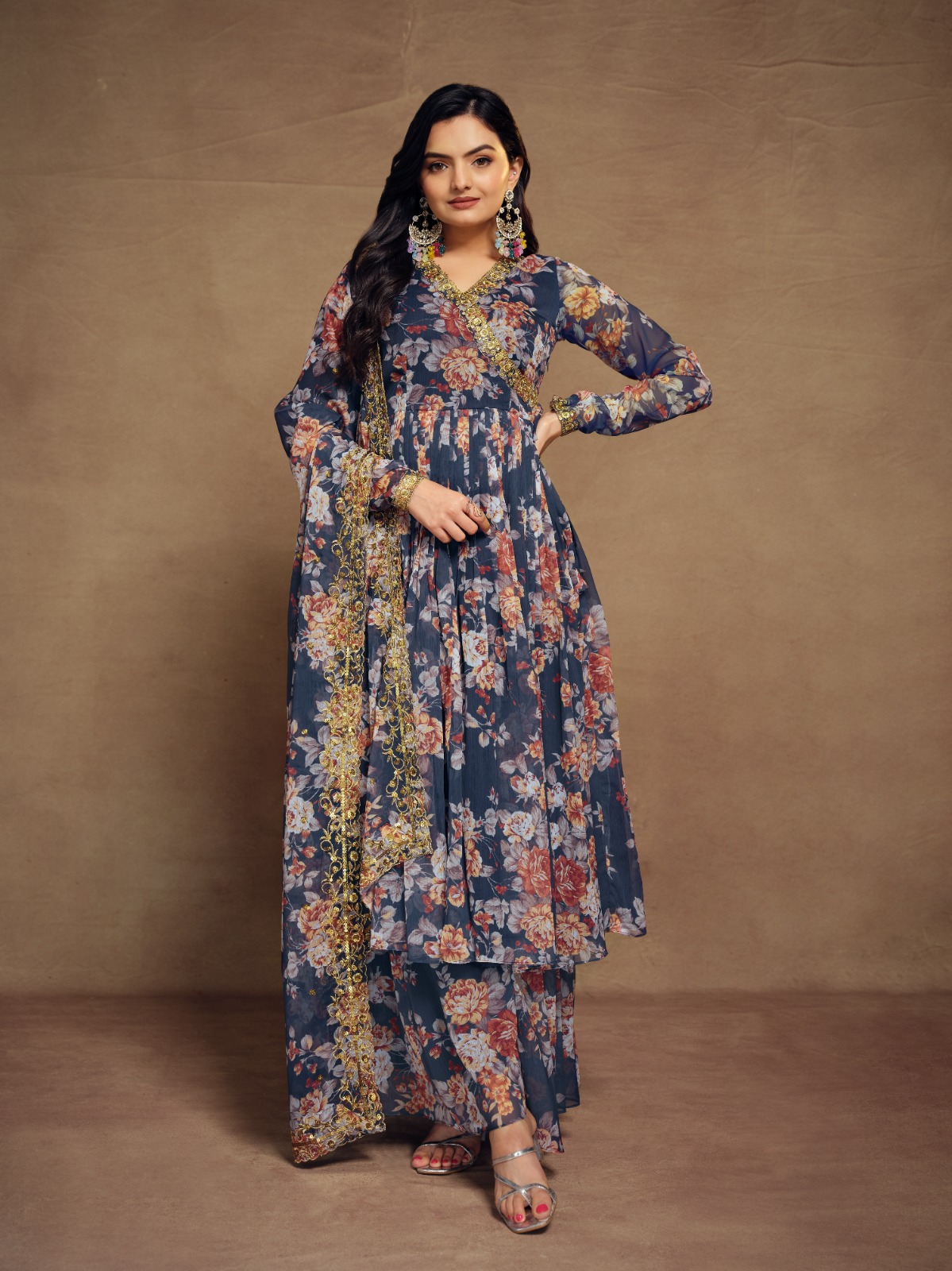
Look closely at where the metallic work sits. Embroidery around the neckline frames the face, while embroidery at the cuffs draws attention to the hands. A border at the hem adds polish to a straight kurta or palazzo, but a very wide border can make a light suit appear ceremonial. Scattered motifs across the body create movement and usually feel less formal than a solid embroidered front.
Fabric changes the apparent weight of zardozi. Banarasi silk and heavier silk blends reflect light strongly and can make moderate embroidery appear grander. Chanderi has a crisp, translucent character that supports delicate zari and small motifs. Georgette and chiffon dupattas soften the look, while a densely embroidered silk dupatta increases the overall formality.
Maroon Chanderi Embroidered Kurta Set with Dupatta illustrates why fabric and colour should be assessed together. Maroon naturally carries depth, while Chanderi can prevent the outfit from becoming visually dense. A small gold earring and a plain sandal preserve its festive character more effectively than a full bridal jewellery set.
Zardozi Salwar Suits That Feel Festive Without Looking Bridal: which motifs work best?
Small florals, paisleys, jaalis, leafy vines and spaced geometric motifs usually suit a non-bridal festive wardrobe best. These motifs provide recognisable detail without creating the concentrated grandeur associated with bridal trousseau pieces.
Motif scale matters as much as motif type. A single oversized sunburst or elaborate peacock may look dramatic on a wedding-ready suit, whereas repeated small butis can be worn to several family occasions. Border embroidery is similarly flexible when the border is narrow and the rest of the garment remains relatively clean.
Collections such as Festive Embroidered Salwar Suits are useful references when comparing motif placement, border width and overall surface coverage. A collection with varied embroidery levels makes it easier to identify whether the desired look is lightly embellished, moderately ornate or unmistakably ceremonial.
Zardozi Salwar Suits That Feel Festive Without Looking Bridal: which colours feel lighter?
Soft greens, dusty rose, muted teal, ivory, champagne, wine and earthy olive make zardozi feel lighter when metallic thread is balanced with a matte or softly textured base. Colour alone can't make a suit casual, but a considered palette can reduce bridal associations.
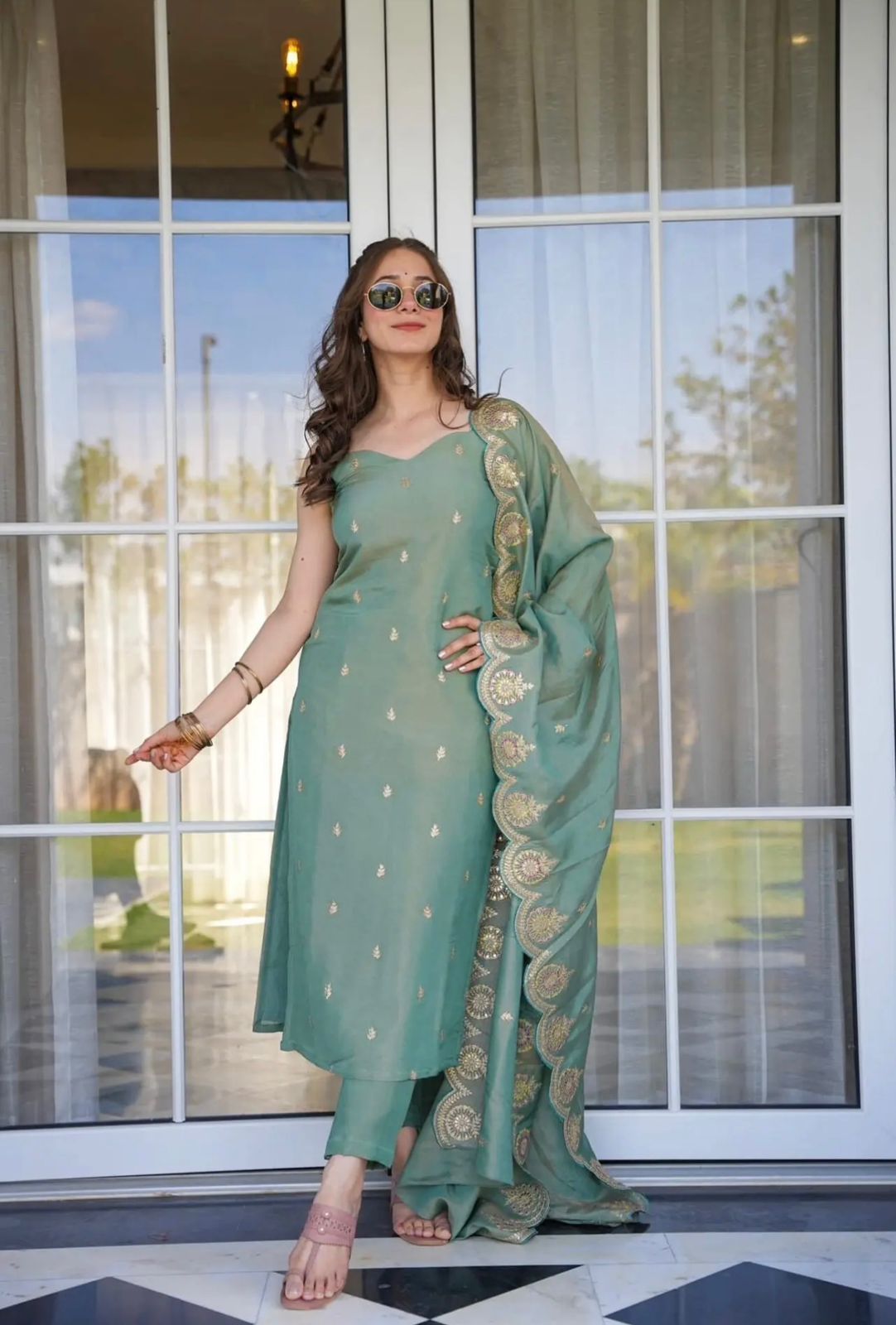
Pista green works particularly well with antique gold because the contrast is gentle rather than theatrical. Pista Royale Salwar Suit can be styled with pearl studs, a neutral potli and tan or champagne footwear for a daytime celebration. Avoiding a matching gold necklace keeps the neckline from becoming too ornate.
Rose tones offer another useful middle ground. RoseGlow Designer Salwar Suit can move from a festive lunch to an evening gathering when paired with earrings that repeat one colour from the embroidery instead of adding a new metallic finish. Rose gold, dull gold or brushed silver can work, depending on the thread used in the suit.
Deep colours are not automatically bridal. Maroon, emerald and navy become more adaptable when embroidery is selective and the accessories are edited. A heavily embellished maroon suit with a worked dupatta and layered necklace will read formally; a maroon Chanderi set with a plain dupatta and compact earrings can feel festive but reusable.
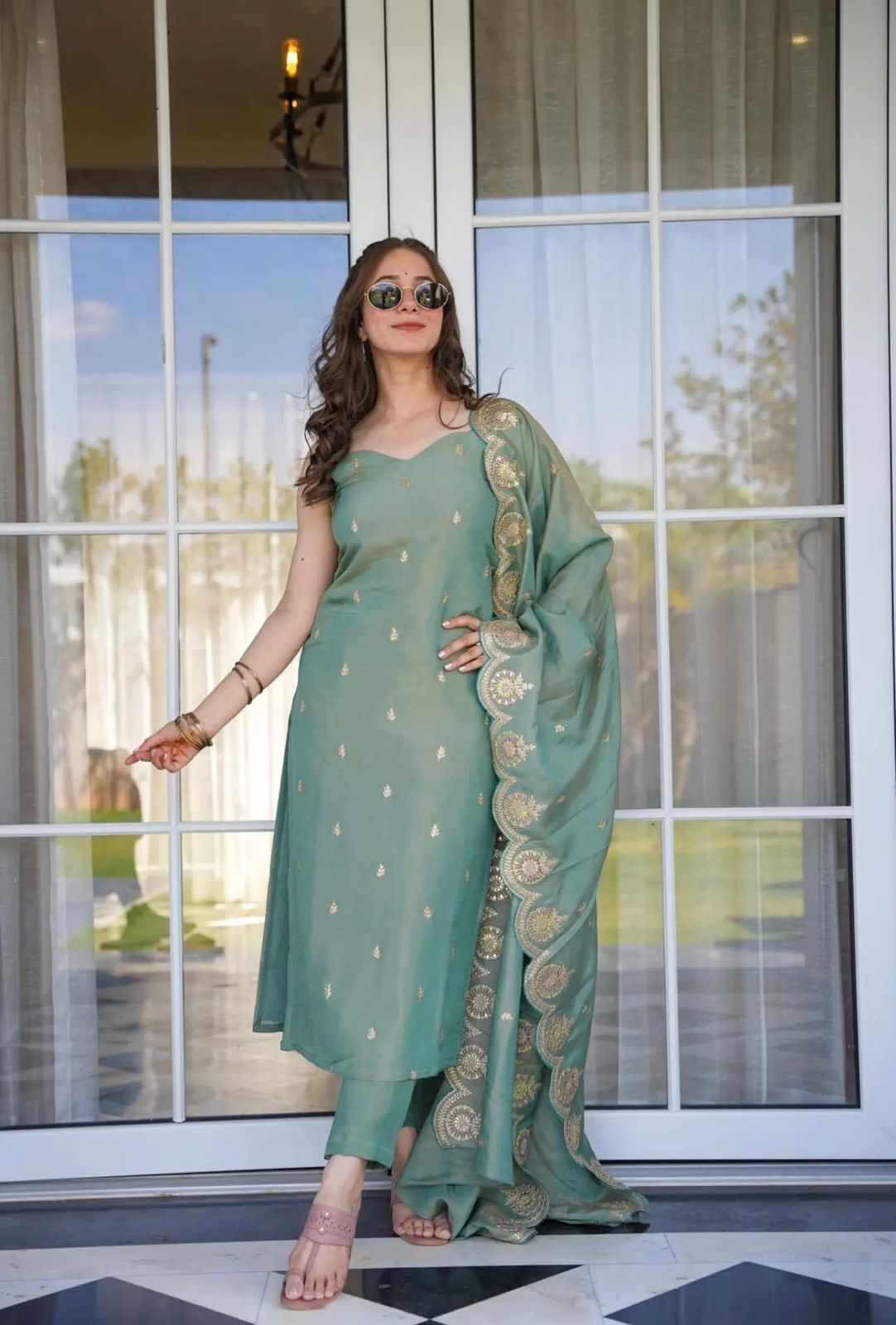
Sea green and teal are especially effective for guests who want colour without a classic red or magenta base. Sea Green Embroidered Silk Kurta Set with Dupatta has enough sheen for an evening celebration, so the rest of the styling can remain quiet. A low bun, slim bangles and neutral heels create polish without adding wedding-party drama.
Regional collections can offer colour ideas beyond conventional bridal palettes. Maharashtra Paithani Inspired Salwar Suits often suggest jewel tones and heritage borders, while Karnataka Silk Salwar Suits can demonstrate how silk sheen works with controlled ornamentation. Neither influence requires a heavy bridal finish when the embroidery and accessories remain edited.
Zardozi Salwar Suits That Feel Festive Without Looking Bridal: which silhouettes keep them contemporary?
Straight kurtas, kurta-pant sets and moderately wide palazzo suits keep embroidered salwar outfits current because their clean lines reduce the need for additional volume. The silhouette should allow the embroidery to act as the main decorative feature.
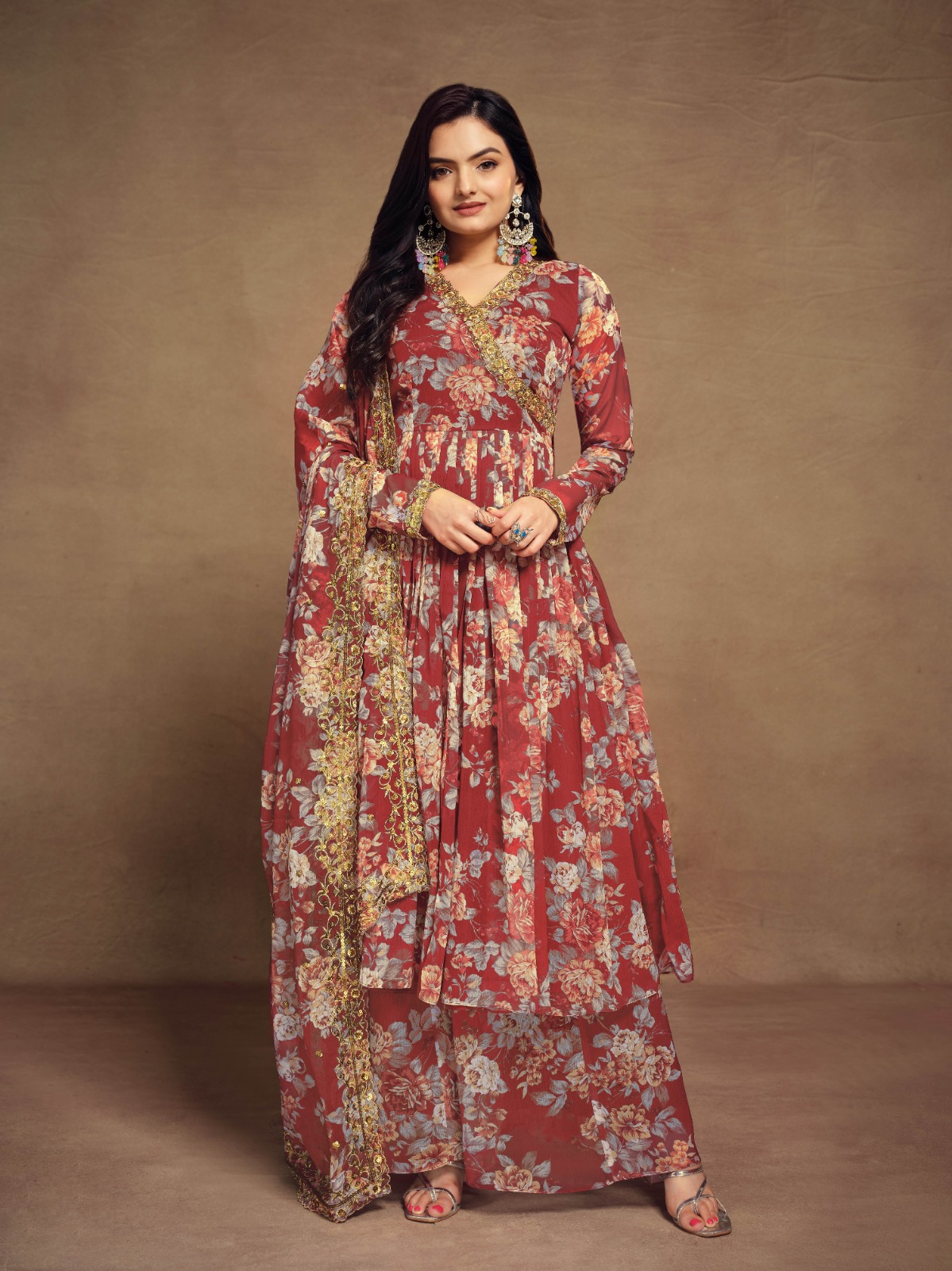
A straight kurta with cigarette pants gives zardozi a crisp, urban frame. A kurta-pant-dupatta set works well for office-adjacent festive events because trousers reduce the formality associated with a full skirt. Palazzos add movement, but their width should be balanced by a relatively neat kurta rather than a heavily flared, layered top.
Elegant Teal Embroidered Kurta Pant Dupatta Set demonstrates the advantage of coordinated separates. A matching dupatta creates occasion polish, while the pant silhouette prevents the outfit from looking like a bridal anarkali. The set can also be worn in parts later, increasing its practical value.
Maroon Wedding Wear Embroidered Palazzo Suit Set is more formal by description and colour, so styling should actively create balance. Wear the dupatta in a simple shoulder drape, choose a small clutch and avoid a second heavily embellished layer. The outfit can suit a close family celebration without automatically becoming a bridal look.
Proportion is important for comfort as well as appearance. A heavily worked neckline may feel restrictive if the collar is high and stiff. Check the armhole, sleeve opening, trouser rise and dupatta weight before buying, particularly if the event involves sitting on the floor, travelling or moving between indoor and outdoor spaces.
Zardozi Salwar Suits That Feel Festive Without Looking Bridal: how should accessories be chosen?
Accessories reduce the bridal effect when they introduce contrast, scale and simplicity instead of repeating every decorative element in the suit. Choose one focal accessory and let the remaining pieces support it.
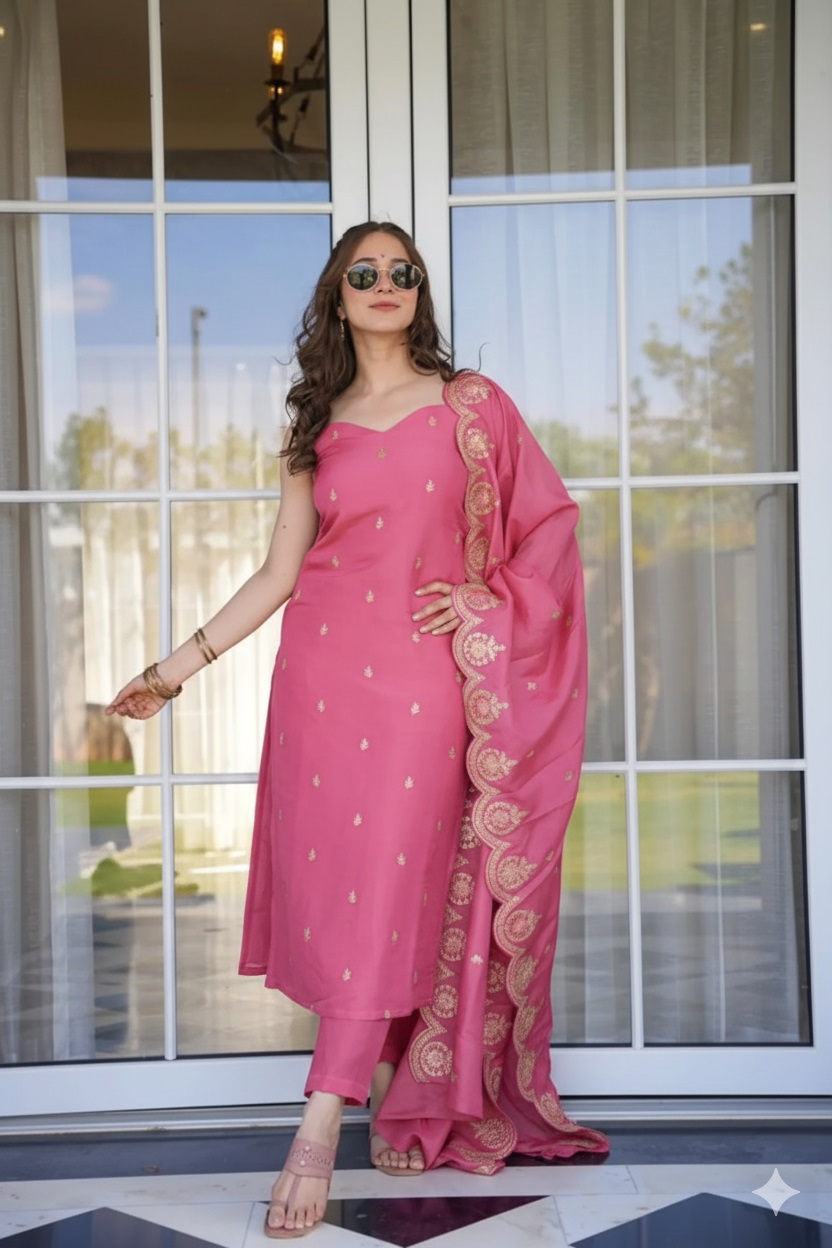
For a high-embroidery neckline, wear earrings and skip the necklace. For a relatively plain neckline, a short necklace or delicate choker can provide definition. Pearl, enamel, silver, brushed gold and fabric accessories can all make zardozi feel less predictable than a complete bright-gold set.
Footwear also changes the message of an outfit. Metallic block heels suit an evening function, while embroidered juttis, neutral sandals or low wedges make a suit feel more relaxed for a daytime puja or festive lunch. A structured potli adds ceremony; a small leather or satin clutch creates a more contemporary finish.
Hair and makeup should follow the level of shine in the clothing. A sleek bun, soft waves or a half-up style can work with festive embroidery. A dewy base, defined eyes and a lip colour related to the garment generally look more refined than adding heavy glitter to an already reflective outfit.
Black White Floral Embroidered Readymade Salwar Suit offers an useful example of contrast. Black-and-white floral embroidery has strong graphic definition, so coloured glass bangles or a single jewel-toned earring can add celebration without competing with the pattern. Bright gold from head to toe would make the outfit feel more formal than necessary.
Zardozi Salwar Suits That Feel Festive Without Looking Bridal: how do regional details affect styling?
Regional textiles change the styling approach by introducing a distinct craft identity, which means zardozi doesn't need to carry the entire visual story. A time-honoured weave, print or embroidery technique can become the focal point while metallic work remains secondary.
Phulkari, Kalamkari, Paithani-inspired borders and silk weaving each create a different balance. Punjab Phulkari Embroidered Salwar Suits bring colourful threadwork and folk energy, so adding dense gold jewellery may create unnecessary visual competition. Kalamkari Print Salwar Suits (Copy) rely on narrative prints and earthy colour, making them suitable for a softer festive look when paired with restrained metallic accessories.
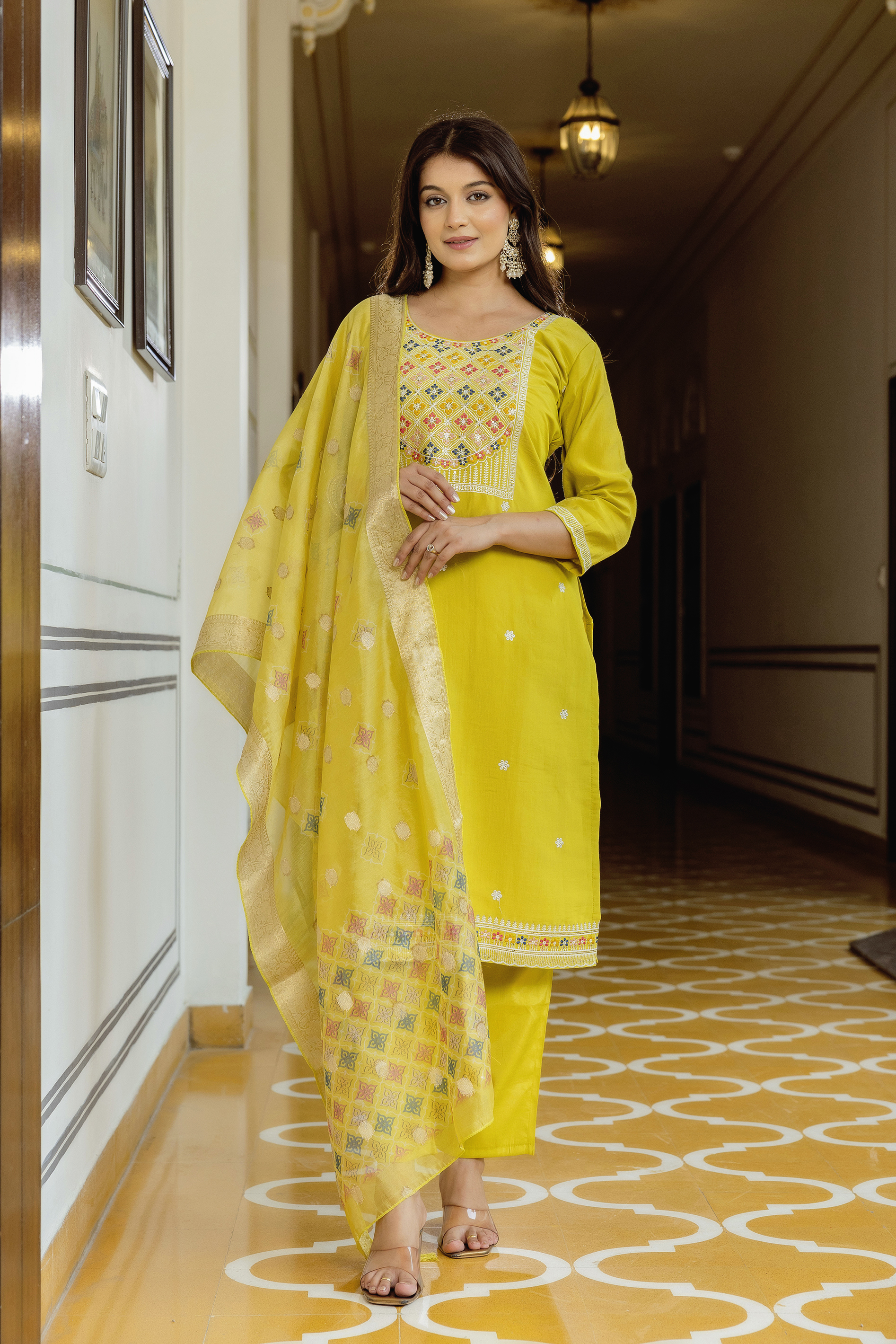
Olive Embroidered Chanderi Kurta Pant Dupatta Set shows how an earthy colour and a crisp textile can make embellishment feel considered rather than excessive. Antique gold earrings, brown sandals and a woven clutch would support the Chanderi texture without turning the outfit into reception wear.
Mixing craft references requires restraint. A zardozi neckline, a Phulkari-style dupatta and elaborate temple jewellery may each be beautiful separately but can become visually crowded together. Select one dominant craft language and let the other elements provide proportion, texture or colour support.
Zardozi Salwar Suits That Feel Festive Without Looking Bridal: how can you buy for repeat wear?
The best repeat-wear choice has a flexible base colour, moderate embroidery, a comfortable lining and at least one styling option that doesn't depend on the matching dupatta. Repeat wear becomes easier when the suit can move between a family lunch, festive office event and evening gathering through accessories.
Before buying, check the fibre composition, lining, seam finish, embroidery weight and care label. Zari and metallic embellishment can catch on rough bags or jewellery, while silk and Chanderi may require specialist dry cleaning. A breathable lining is important for long celebrations, especially in warm or humid weather.
Measure the bust, waist, hip, shoulder and sleeve length against the garment chart rather than relying only on a familiar size. Allow enough ease for sitting and arm movement. A dupatta measuring approximately 2.25 to 2.5 metres usually permits a shoulder drape or a front pleat, while a shorter scarf gives a more contemporary, less ceremonial effect.
Care affects the life of zardozi. Store the suit folded in a clean cotton or muslin cover, keep metallic embroidery away from direct moisture and avoid hanging heavy embellished garments for long periods because the shoulders can distort. Do not iron directly over zari; place a thin cloth between the iron and fabric, or use professional pressing.
A simple decision rule is useful: choose lighter coverage for daytime, moderate coverage for family festivities and stronger metallic detail for evening celebrations. If the neckline, sleeves, hem and dupatta are all heavily worked, remove visual intensity through a muted colour or minimal jewellery. If the suit is simple, one statement accessory can supply the missing occasion polish.
Zardozi Salwar Suits That Feel Festive Without Looking Bridal: what should you remember?
Zardozi Salwar Suits That Feel Festive Without Looking Bridal depend on proportion more than on the complete absence of shine. Select one main area of embroidery, pair metallic work with a breathable or textured fabric, choose colours beyond bridal red and edit the accessories.
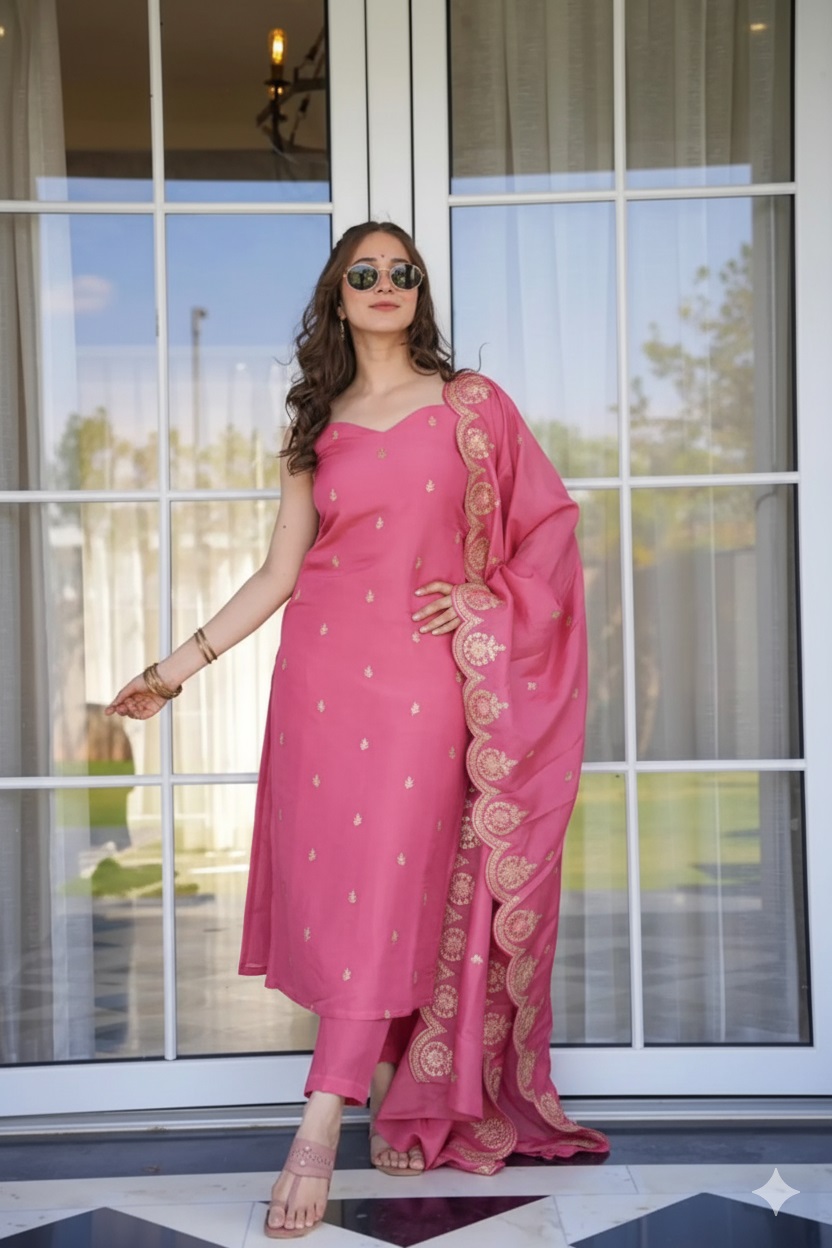
A straight kurta, kurta-pant set or moderately wide palazzo can make ornate work feel up-to-date. Chanderi, silk, Banarasi silk and georgette each change how the embroidery reads. Antique gold, muted silver, enamel, pearls and colourful glass bangles can provide festive interest without creating a head-to-toe bridal effect.
The most useful test is practical: imagine wearing the suit to two different celebrations with two different dupatta drapes and accessory combinations. If the outfit still looks balanced after those changes, it's likely an adaptable festive purchase rather than a garment reserved for one grand event.
Common Questions About Wearing Zardozi Salwar Suits for Festive Events
How can I wear a zardozi salwar suit without looking like a bride?
Choose selective embroidery, a straight or kurta-pant silhouette, and a colour such as teal, pista, rose, olive or ivory. Wear either statement earrings or a necklace, not several heavily embellished accessories together.
Which colours are best for a non-bridal zardozi salwar suit?
Muted teal, pista green, dusty rose, olive, champagne, navy and maroon can look festive without strongly resembling bridal wear. The embroidery coverage and accessory choices matter as much as the colour itself.
Can zardozi salwar suits be worn during the day?
Yes, zardozi salwar suits work for daytime celebrations when the embroidery is moderate and the fabric is breathable. Chanderi, cotton silk and lighter silk blends with antique gold or small motifs are especially suitable for pujas, lunches and family gatherings.
What jewellery goes with a heavily embroidered salwar suit?
Heavily embroidered salwar suits usually need only one main jewellery feature, such as statement earrings, a short necklace or a stack of bangles. Pearls, enamel, brushed gold and silver can soften the effect of bright metallic embroidery.
How should zardozi embroidery be cared for?
Store zardozi garments folded in a clean cotton or muslin cover and keep them away from moisture, rough surfaces and direct sunlight. Follow the care label, use professional dry cleaning when recommended and never iron directly over zari.
Which silhouette makes an embroidered salwar suit look modern?
A straight kurta with cigarette pants, a coordinated kurta-pant set or a neat palazzo suit usually looks modern because the clean lines balance ornate embroidery. Very wide borders, layered volume and heavily worked dupattas make the same embroidery appear more formal.