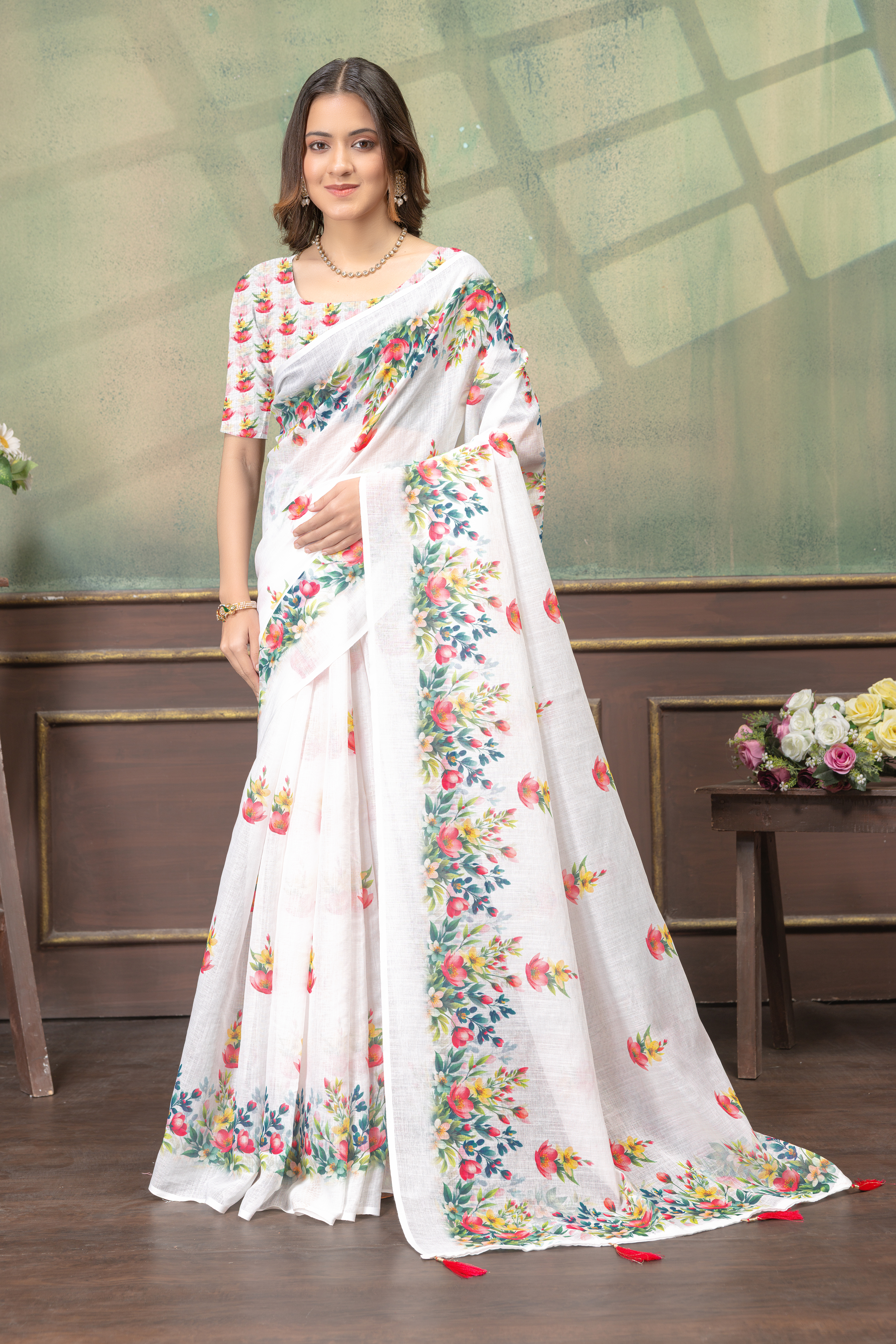
Maternity Friendly Kurtis That Give You Room Without Looking Oversized need careful proportions, not simply a larger size. The right kurti leaves space around the abdomen, keeps the shoulder line neat and uses length, seams, colour and fabric to preserve shape. A comfortable salwar suit can remain polished through changing measurements, from the first trimester to the months after delivery.
Pregnancy changes more than the waist. The bust may become fuller, the ribcage can expand, the abdomen moves forward, and heat sensitivity can make heavy or clingy fabrics uncomfortable. An useful maternity kurti should accommodate those changes while allowing you to sit, walk, lift your arms and manage daily tasks without constant adjustment.
What Makes Maternity Friendly Kurtis That Give You Room Without Looking Oversized Work?
A maternity-friendly kurti provides ease at the bust and abdomen while keeping the shoulders, neckline and sleeves proportionate. The garment should skim the body rather than grip it, with enough additional fabric for movement and enough structure to prevent a tent-like outline.
Fit begins at the upper body. A shoulder seam that sits close to the natural shoulder gives the eye a clear frame, even when the lower half of the kurti is roomy. A neckline with a modest V, round or keyhole shape can add vertical direction, while sleeves ending around the elbow or wrist help balance a fuller middle.
Look for a gradual A-line, gentle flare or panelled shape instead of an extremely wide straight cut. A-line construction widens from the bust or upper waist, so fabric falls away from the abdomen without adding unnecessary volume at the sides. Side panels and centre panels can create the same effect with more visual definition.
Seam placement also matters. A raised empire seam can provide abdominal room, but the seam should sit below the fullest part of the bust rather than cut across it. Princess seams, vertical embroidery and a long centre motif guide the eye up and down. A fitted yoke with a relaxed lower body is another effective compromise.
Which Silhouettes Suit Maternity Friendly Kurtis That Give You Room Without Looking Oversized?
A-line, empire-line and carefully cut panelled kurtis usually offer the most useful combination of room and shape during pregnancy. Each silhouette works differently, so the best choice depends on the trimester, body proportions and intended use.
A-line kurtis
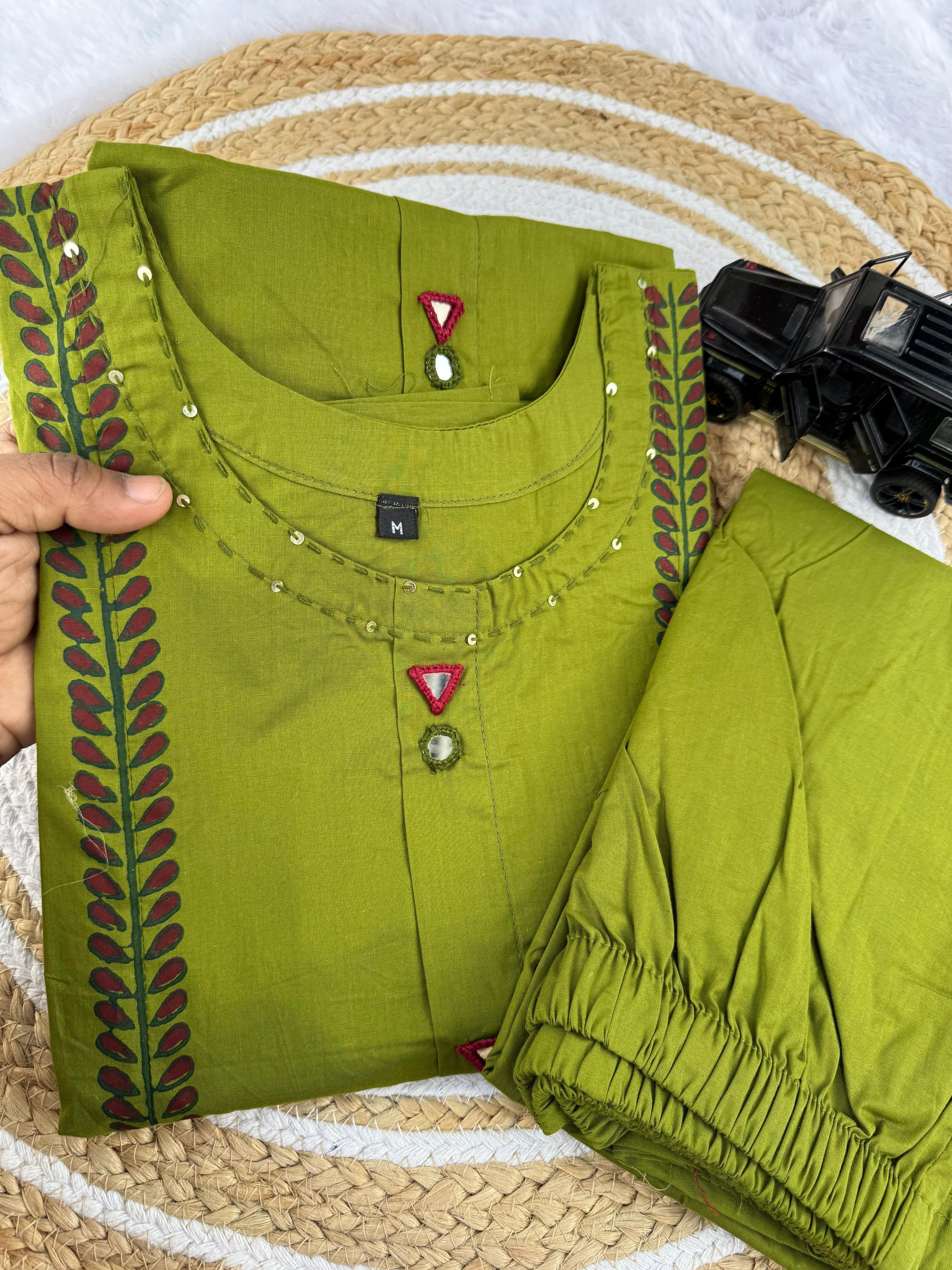
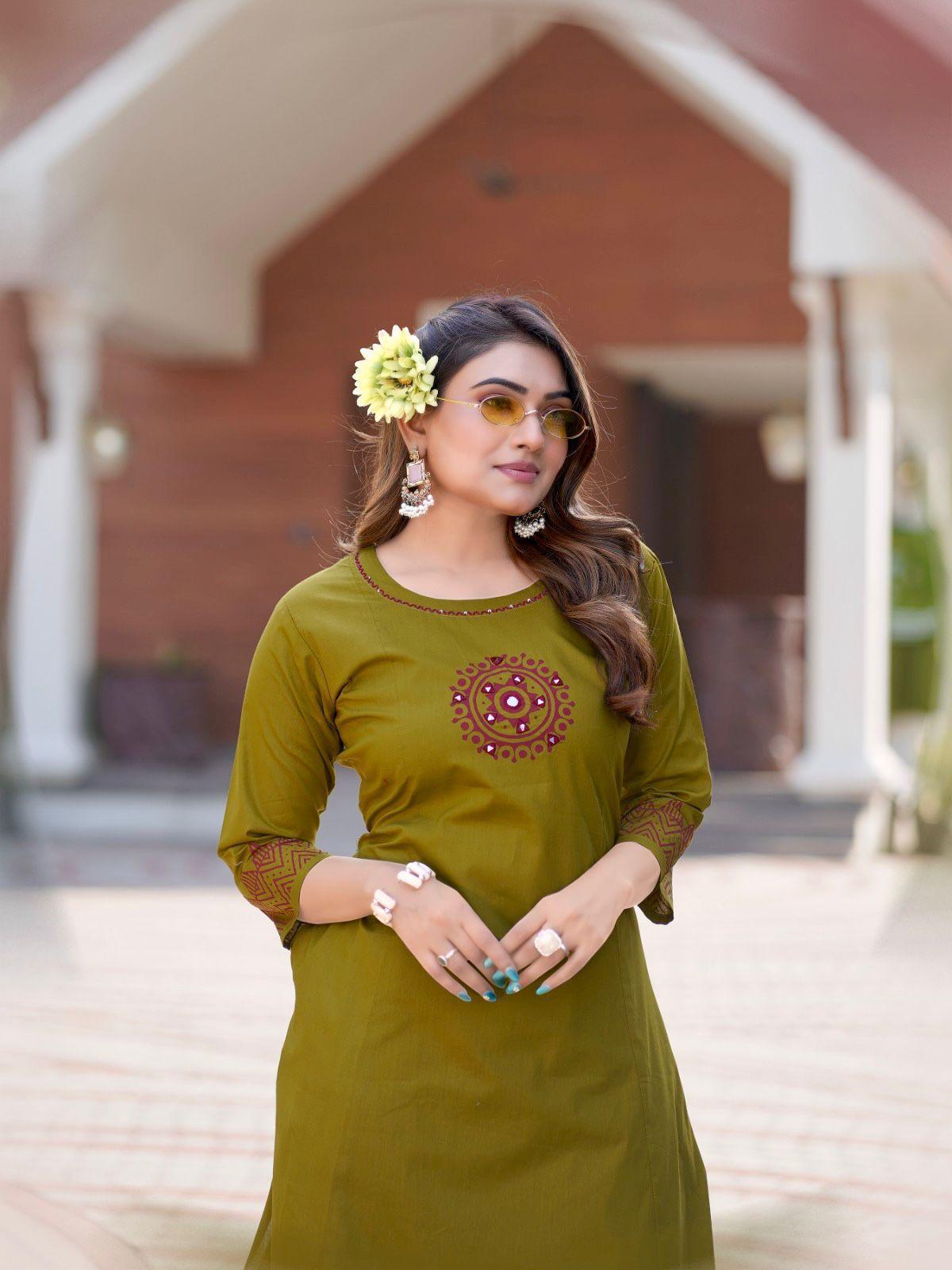
A-line kurtis are the most versatile choice for a growing abdomen because the hem widens gradually from the upper body. A moderate flare allows air circulation and movement without creating the dramatic volume of a full Anarkali. Designer Cotton A-Line Kurti Pant Set with Mirror Work demonstrates how a defined upper section and flared lower line can retain visual structure.
Choose a hem that falls around the knee or slightly below the knee when standing. A very short kurti can ride up over the abdomen, while an excessively long hem may look heavy and become inconvenient on stairs. A side slit can improve walking comfort, but the slit should not begin so high that the garment loses coverage when seated.
Empire-line and yoke styles
Empire-line kurtis place the main seam below the bust, leaving the abdomen free. Empire cuts are especially helpful when the bump is prominent, although a seam that's too tight beneath the bust can become uncomfortable as the ribcage expands. Adjustable ties, soft gathers and elasticated back sections offer more flexibility than a fixed narrow seam.
Yoke kurtis distribute detail across the chest while allowing the lower body to fall freely. Embroidery or contrast fabric on the yoke can create a focal point above the abdomen. A smooth yoke is preferable when the garment will be worn under a dupatta or shawl because excess surface texture can add bulk.
Panelled and straight kurtis
Panelled kurtis can give generous abdominal room without looking oversized because each panel controls the direction of the flare. Straight kurtis can work during early pregnancy when the cut has sufficient ease, but a narrow straight silhouette often becomes restrictive later. A straight kurti with side slits and a wider hem is more adaptable than a close-fitting straight suit.
Which Fabrics Work Best for Maternity Friendly Kurtis That Give You Room Without Looking Oversized?
Cotton, cotton blends, Chanderi silk and lightweight silk blends can all work for maternity wear when the weave, lining and finish suit the weather. Fabric choice affects heat, stretch, drape, opacity and how visibly the garment follows the abdomen.
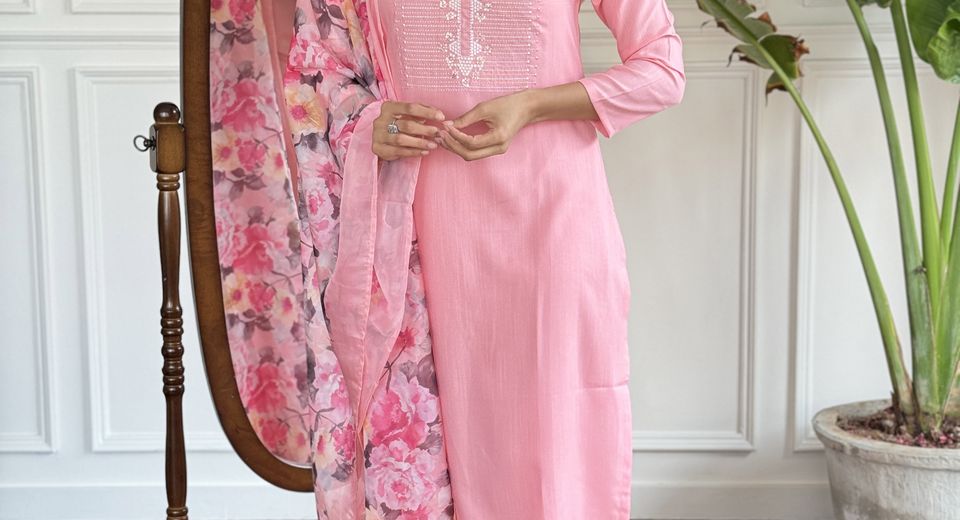
Cotton is practical for frequent wear because it breathes and absorbs moisture. A medium-weight cotton with a close weave gives more polish than a very thin cotton that collapses against the body. Pink Embroidered Cotton Kurti Pant Dupatta Set shows how cotton can support a coordinated look while remaining suitable for daytime comfort. Peach Printed Cotton Kurti Pant Set for Women Casual is another useful direction for errands, travel and informal family visits.
Cotton can shrink after washing, so check whether the garment has been pre-washed and follow the care label. If the fabric is untreated, allow approximately 3-5% possible shrinkage when assessing fit, particularly at the length and sleeve. A tight cotton kurti rarely becomes comfortable after repeated washing.
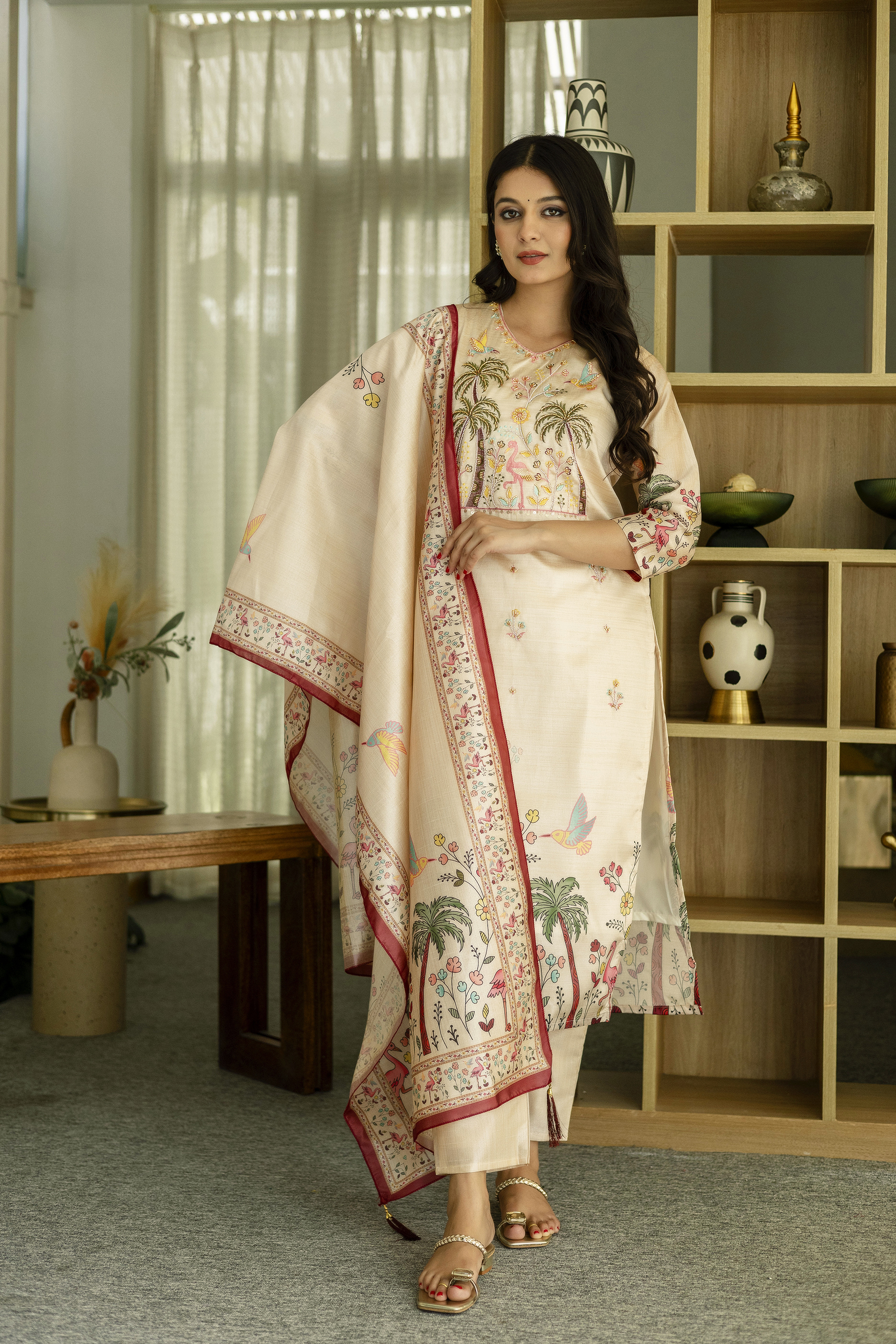
Chanderi silk has a light hand and a distinctive delicate sheen, making it useful when you want a dressier appearance without a heavy garment. Cream Chanderi Silk Kurti Pant Dupatta Set for Women illustrates how a lightweight, softly structured textile can look festive while allowing the silhouette to remain relaxed. Chanderi silk may be translucent depending on the weave, so inspect the lining and wear an appropriate inner layer.
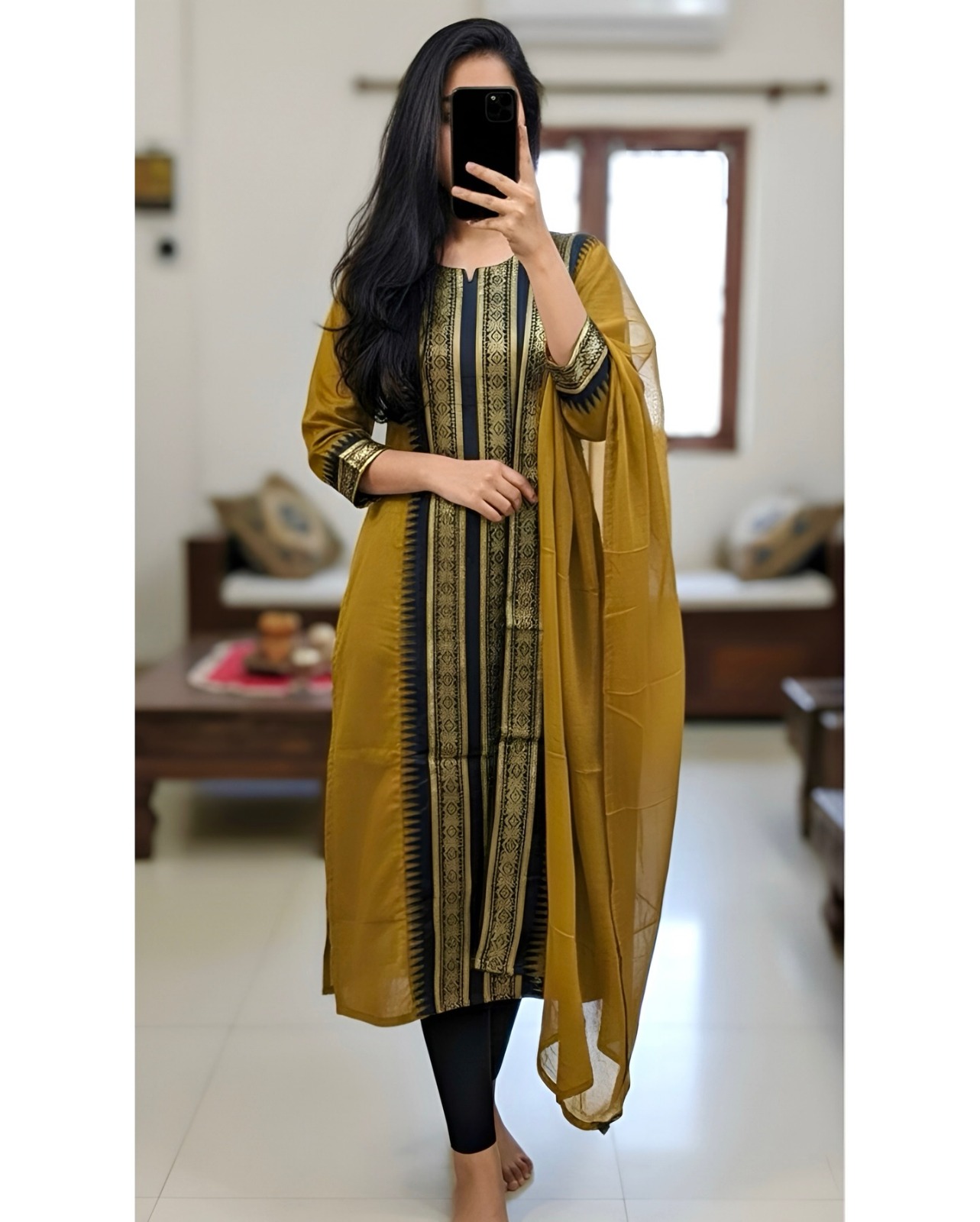
Silk blends and blended silk fabrics generally drape more smoothly than crisp cotton, but they may feel warmer and require more careful laundering. Cream Embroidered Silk Kurta Pant Set for Women and Navy Blended Silk Zari Kurti Pant Dupatta Set show why surface decoration should be balanced with breathability. Zari, dense embroidery and multiple layers add visual richness but can increase weight, heat and friction.
Rayon and viscose can fall attractively, although their performance varies by weight and finish. A fluid rayon kurti may look less bulky but can cling to the abdomen in humid weather. Hold the fabric away from the body and assess whether it falls in a clean line or catches at every curve.
How Should You Size Maternity Friendly Kurtis That Give You Room Without Looking Oversized?
Measure the bust, fullest abdomen, shoulder and garment length, then compare each measurement with the size chart instead of choosing only by pre-pregnancy size. The fullest abdomen measurement should receive priority for a non-stretch kurti, while shoulder and bust measurements prevent the garment from becoming oversized above the bump.
Measure the abdomen at the fullest point while standing naturally, without pulling the tape tight. Add wearing ease according to the fabric: approximately 8-12 centimetres for a woven cotton or silk kurti is an useful starting range, while a looser A-line may require more room by design. A garment chart and a finished-garment chart are not the same, so identify which type you're reading.
don't automatically move up several sizes. A much larger size may create excess fabric at the shoulders, armholes and neckline while still failing to provide the correct length over the abdomen. A maternity-friendly cut, side gathers or an adjustable tie often solve the problem more effectively than a broad size increase.
Length deserves a separate check. The front hem can appear shorter as the abdomen grows, so compare the front and back measurements if they're provided. A curved hem, side vents or a slightly longer front panel can preserve coverage without making the whole kurti look unusually long.
For a two-piece set, check the waistband separately from the kurti. A drawstring or soft elastic pant gives more usable flexibility than a fixed waistband. Kurti Pant Set with Taby Dupatta for Women can be considered when you want the lighter visual effect of a coordinated set without relying on a heavy, tightly arranged dupatta.
Which Details Help Maternity Friendly Kurtis That Give You Room Without Looking Oversized Look Polished?
Vertical lines, controlled flare, balanced contrast and a defined shoulder area make a roomy kurti look intentional rather than oversized. Shape comes from proportion, not from tightness.
- Use vertical placement: A long embroidered panel, narrow printed border, open front line or pendant-length necklace draws the eye vertically.
- Keep the shoulder clean: A well-set sleeve and a neckline that lies flat provide structure above a relaxed lower body.
- Choose measured flare: A moderate A-line is usually more flattering and practical than multiple stiff layers of gathered fabric.
- Control contrast: A darker side panel or a low-contrast print can reduce visual width, while a bright centre motif creates direction.
- Limit competing volume: If the kurti is roomy, pair it with straight or gently tapered pants rather than a very wide palazzo.
- Place embellishment carefully: Mirror work, zari and embroidery can frame the neckline or sleeve rather than adding weight across the abdomen.
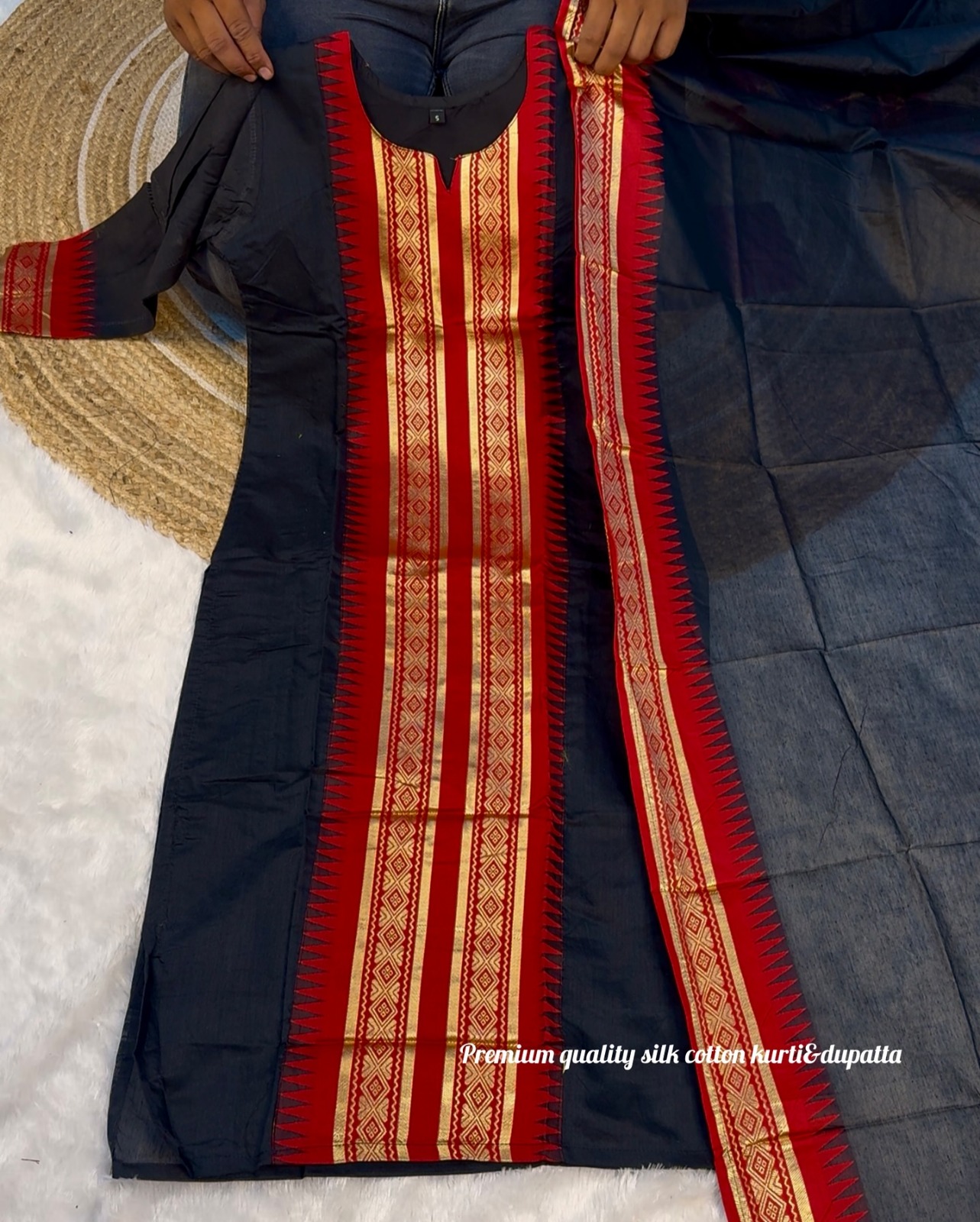
Black Kanchi Cotton Kurti Dupatta Set for Women shows how a strong base colour can create a clean column. A low-contrast lower half can make a relaxed silhouette appear more streamlined, especially when the dupatta is worn vertically over one shoulder.
How Can You Style Maternity Friendly Kurtis That Give You Room Without Looking Oversized?
The most balanced styling formula pairs a relaxed kurti with a comfortable lower garment, controlled dupatta placement and accessories that add vertical direction. Styling should reduce adjustment and pressure rather than introduce more layers.
For everyday wear, pair an A-line kurti with straight cotton pants or soft ankle-length trousers. A drawstring waist should sit comfortably below the abdomen or at the natural waist, depending on personal comfort. Avoid a waistband that presses across the fullest part of the bump, even if the fabric itself feels soft.
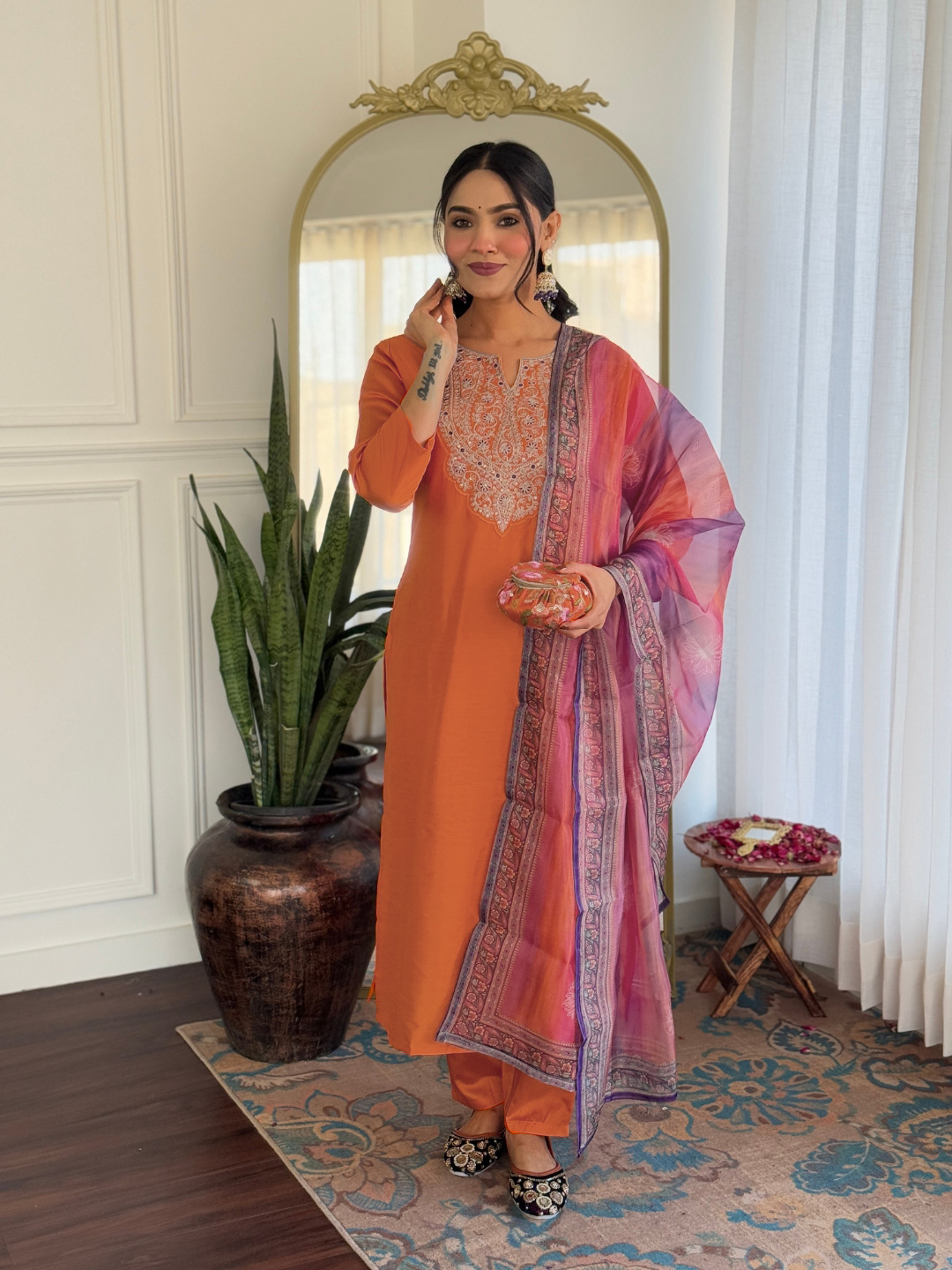
For a family gathering, a Chanderi silk or light silk-blend set can provide occasion polish without the weight of a heavily layered Anarkali. Keep the dupatta over one shoulder or in a loose front drape rather than wrapping it tightly around the torso. A small pair of earrings and a low-profile bangle can complete the outfit without adding movement restrictions.
Regional textile influences can add character without requiring an oversized silhouette. Kalamkari Print Salwar Suits can inspire a vertically arranged printed look, while Maharashtra Paithani Inspired Salwar Suits can suggest a more festive colour story. Gujarat Bandhej Salwar Suits and Odisha Sambalpuri Salwar Suits offer additional pattern references for choosing a dupatta or accent colour. Punjab Patiala Salwar Suits can be visually appealing, but very full Patiala-style trousers may add lower-body volume, so balance them with a relatively controlled kurti flare.
During a Haldi ceremony, breathable cotton and washable colours are practical choices because turmeric and outdoor heat can make maintenance difficult. For a formal dinner, zari or embroidery can be concentrated at the neckline and cuffs rather than spread over the abdomen. A polished look doesn't require a stiff waistband, heavy lining or restrictive dupatta.
How Can Maternity Friendly Kurtis That Give You Room Without Looking Oversized Remain Useful Postpartum?
A maternity kurti remains useful after delivery when the garment has a comfortable bust, smart neckline and a silhouette that doesn't depend on a fixed bump shape. Flexible cuts can therefore go the cost-per-wear of a pregnancy wardrobe.
Side openings, front buttons, discreet zips or a wrap-style neckline can make feeding easier, provided the fastenings are smooth and secure. A deep but modest V-neck may offer more access than a high closed neckline. Check that embroidery, zari or metal embellishments don't scratch the skin during repeated handling.
An A-line kurti with moderate flare usually transitions better than an extreme empire style with very full gathers. A garment that's only designed to accommodate a pronounced bump may appear shapeless after delivery. A softly panelled cut can retain ease while returning a clearer line to the body.
Choose colours and fabrics that tolerate frequent washing. Medium-weight cotton is often practical for postpartum routines, while delicate Chanderi silk or heavily embroidered silk may be better reserved for shorter occasions. Wash cotton according to the care label, dry dark colours inside out, and store zari garments folded in breathable cotton rather than plastic.
The most useful test is movement. Sit for ten minutes, raise both arms, walk a short distance and check whether the hem rides up or the neckline shifts. A kurti that passes those checks is more likely to serve comfortably through pregnancy, recovery and everyday life.
Common Questions About Choosing Comfortable Maternity Kurti Sets
Which kurti style is most comfortable during pregnancy?
A-line, empire-line and panelled kurtis are usually the most comfortable because they leave room around the abdomen while keeping the shoulder area defined. A moderate flare is generally easier to manage than a very full Anarkali or a narrow straight cut.
Should I buy my usual kurti size during pregnancy?
Choose by current bust, abdomen, shoulder and length measurements rather than relying only on your usual size. A maternity-friendly cut may provide enough room in your regular size, while sizing up too far can make the shoulders and neckline look oversized.
How much extra room should a maternity kurti have?
A woven cotton or silk kurti commonly needs about 8-12 centimetres of additional ease around the fullest body measurement, although the cut and personal preference matter. Compare your measurements with the finished-garment chart and allow for possible cotton shrinkage.
Are cotton kurtis suitable for pregnancy in hot weather?
Medium-weight cotton kurtis are suitable for hot weather because cotton breathes and absorbs moisture. Choose a close but not heavy weave, inspect the lining, and avoid tight sleeves or synthetic layers that can trap heat.
Can I wear a maternity kurti after delivery?
A maternity kurti can remain useful after delivery when it has a moderate A-line, comfortable bust and an accessible neckline or front opening. Extremely gathered empire styles may look less balanced after the abdomen reduces.
How can I make a loose kurti look less oversized?
Keep the shoulders well-fitted, choose a controlled A-line, use vertical prints or embroidery and pair the kurti with straight or gently tapered pants. A vertically draped dupatta and simple long accessories can also create a cleaner column.