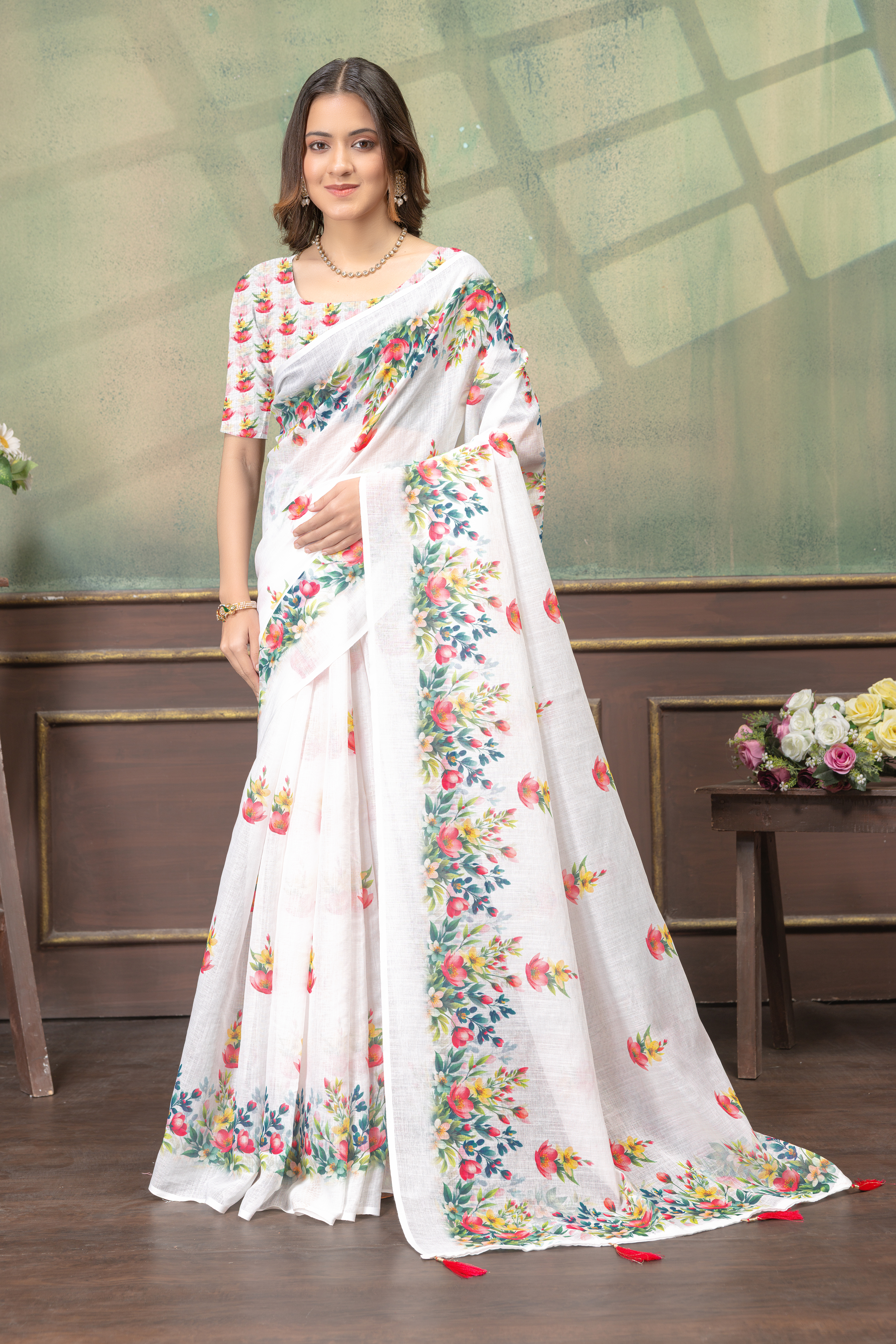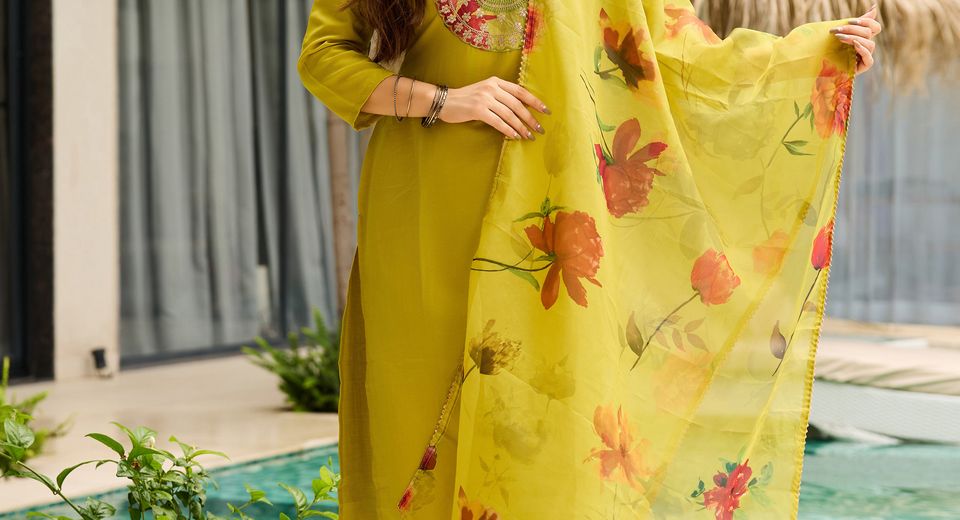
The Small Details That Make a Hand Block Printed Kurti Worth Buying are easy to miss in a quick product photograph. A beautiful motif matters, but the real value sits in the cotton or muslin quality, the clarity of the carved design, the way the print meets a seam, the comfort of the cut and the care the garment will require. These details determine whether a kurti becomes a dependable part of a salwar suit wardrobe or remains an occasional purchase that loses its appeal after a few washes.
Hand block printing also carries a degree of variation that should not automatically be treated as a flaw. Small shifts in alignment, slight differences in colour density and tiny irregularities can indicate that a carved wooden block, rather than a fully uniform machine process, was used. The useful skill is learning to distinguish desirable craft variation from weak fabric, careless finishing or an inaccurate product description.
The Small Details That Make a Hand Block Printed Kurti Worth Buying
A worthwhile hand block printed kurti combines breathable fabric, recognisable print variation, secure construction and a fit that works for the way you'll wear it. No single motif can compensate for fabric that feels harsh, seams that twist or a neckline that loses its shape.
Start by considering the garment's job. A lightweight cotton kurti for commuting and regular errands needs airflow, colour stability and easy washing. A muslin kurta set for a summer gathering can prioritise softness and drape. A cotton pant set with mirror work needs enough structure around the embellishment to prevent the fabric from pulling. Buying according to use makes small quality differences much easier to evaluate.
Product photographs should be read as evidence, not as the entire decision. Look for close views of the neckline, sleeve hem, side seam, trouser waistband and dupatta border. A listing that provides fabric information, garment measurements and care instructions gives you more usable information than a listing that relies only on a styled front image.
How can you tell whether a print is genuinely hand block printed?
A hand block print usually shows modest variations in placement, pressure and colour saturation while retaining the same repeated motif. A machine print tends to look more mechanically uniform, with identical edges, spacing and ink density across a large area.
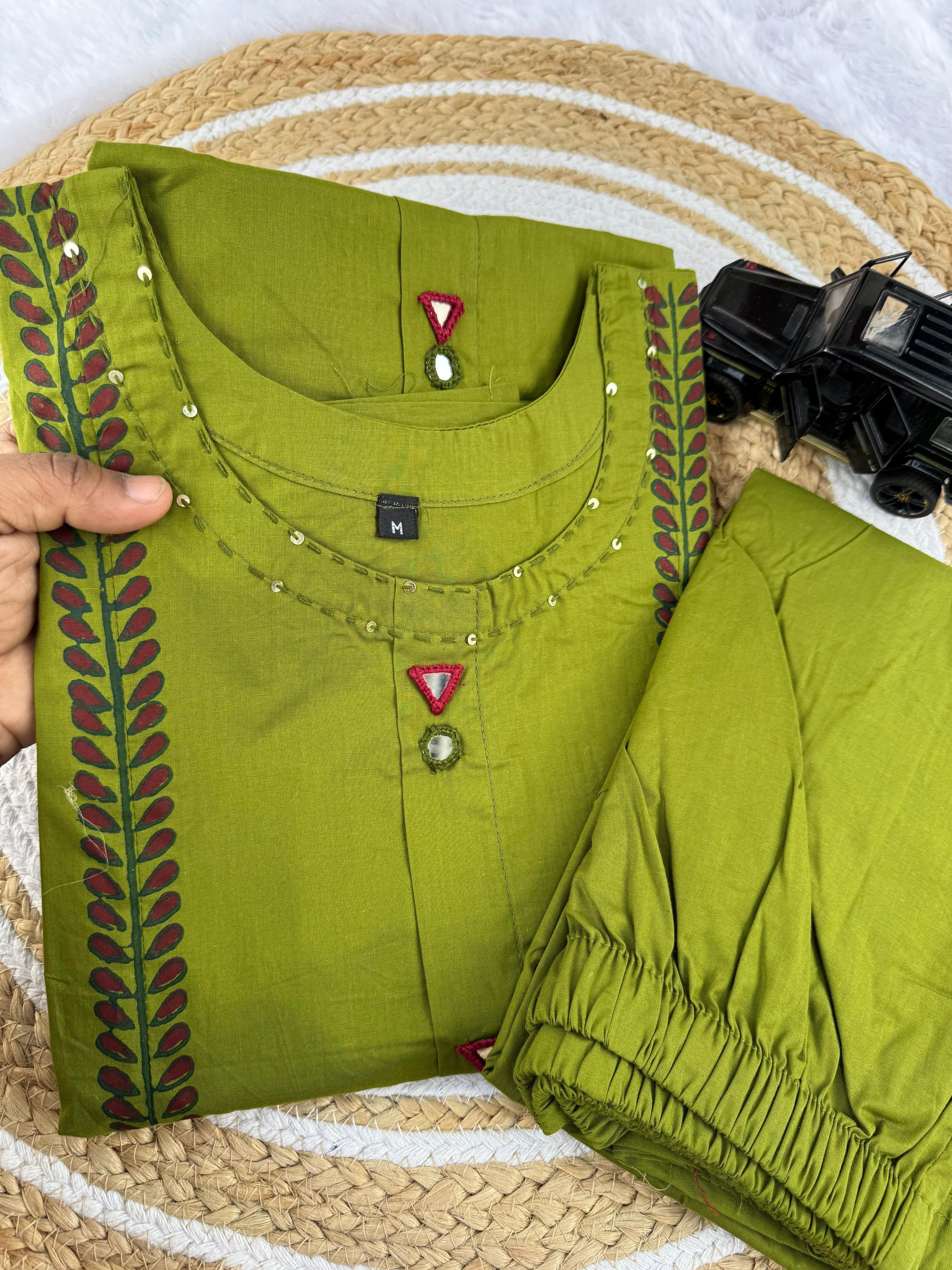
Traditional block printing begins with a carved wooden block that's dipped into dye or pigment and pressed onto the cloth. Artisans may use separate blocks for the outline and each colour. Registration marks or tiny overlaps can therefore look where one block meets another. A floral petal may sit a millimetre off-centre, or a border may vary slightly in width. These signs are interior with handwork when they remain controlled and attractive.
Look closely at the edges of motifs. Hand-applied pigment can create a softer or slightly uneven outline, whereas a sharply repeated digital pattern often has identical edges at every interval. Unevenness should not be excessive: large smudges, blank patches, broken motifs and dye bleeding across unrelated areas suggest poor execution rather than valuable irregularity.
Rajasthan Printed Salwar Suits often provide useful reference points because Rajasthan has a strong block-printing tradition associated with floral butis, jaali arrangements, diagonal repeats and rich border work. Jaipur Block Print Salwar Suits in Crepe show how a similar visual language can look different on a smoother, more fluid fabric than on plain cotton. The print technique should always be judged together with the base cloth.
Which fabric details affect comfort and durability?
Fabric weight, weave, breathability and finishing determine how comfortable and durable a printed kurti will be. Cotton is generally the practical choice for daily wear, while muslin offers a softer, lighter handle and crepe gives a more fluid fall.
Cotton works well for warm climates because the fibre absorbs moisture and permits air movement through the weave. A medium-weight cotton kurti usually hangs more neatly and is less transparent than very fine cotton, making it suitable for office wear and everyday salwar suits. Very thin cotton can feel pleasant in summer but may need a lining, especially in pale shades such as cream, peach or sky blue.
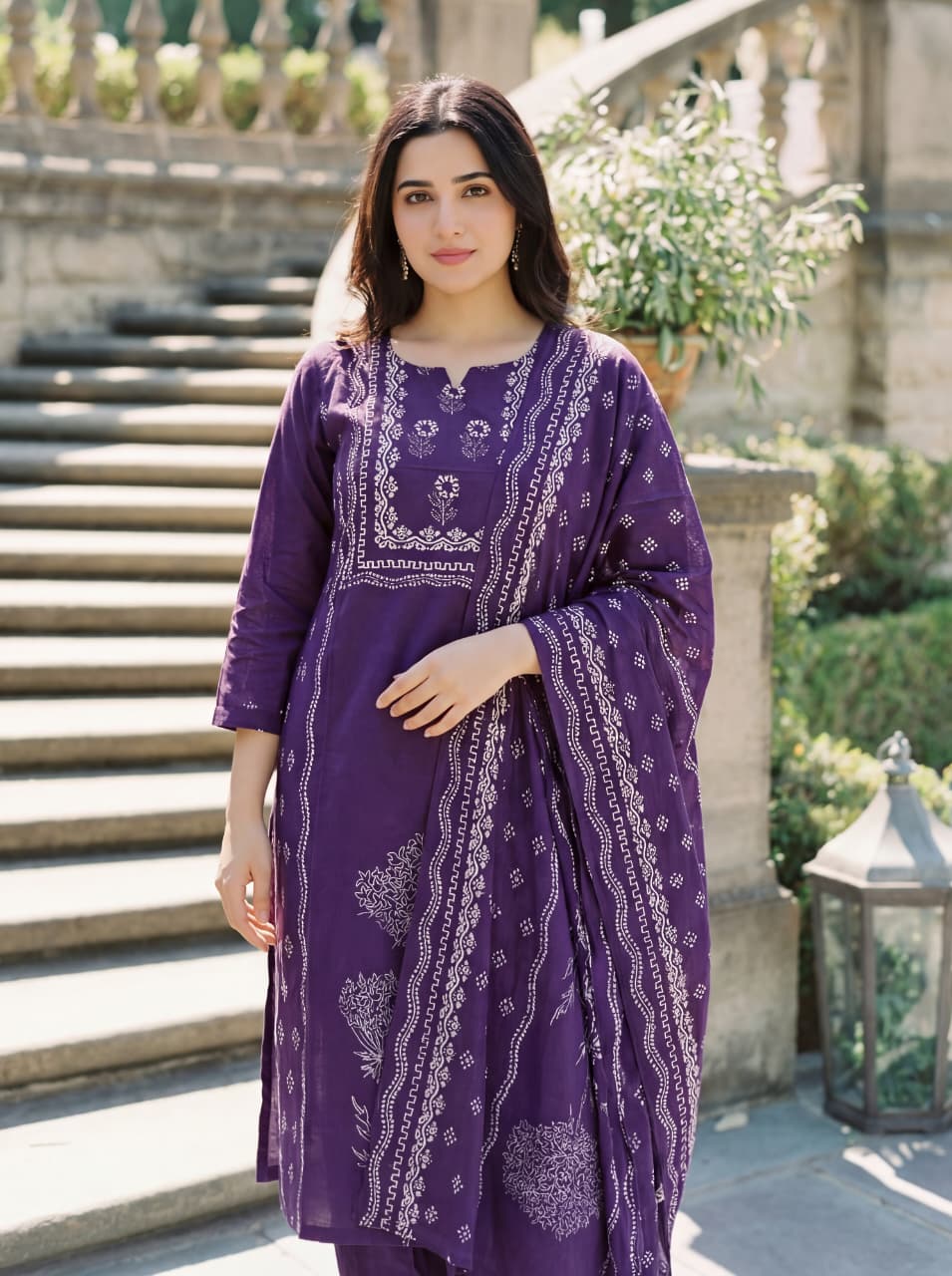
Muslin is a finely woven, lightweight cotton fabric with a soft hand and gentle drape. Muslin can be ideal for a relaxed kurta, but its lightness means that seam allowances, lining and wash instructions matter more. The Purple Hand Printed Muslin Kurta Set Women | Varnavi Online is an example of why fabric identification matters: muslin should be assessed for softness and opacity rather than assumed to have the same structure as a heavier cotton set.
Crepe has a subtly pebbled surface and usually falls closer to the body than crisp cotton. Hand Block Printed Salwar Suits in Crepe and Muslin and Block Print Salwar Suits in Crepe and Muslin can therefore offer different wearing experiences even when their motifs appear similar. Crepe may need gentler handling and should not be judged by the same stiffness or crease behaviour expected from cotton.
Check whether the fabric is lined where transparency or embellishment makes lining useful. A lining should sit smoothly without making the armhole tight. A scratchy lining, dense synthetic layer or excessive stiffness can reduce comfort despite making the garment appear more opaque.
What construction details should you inspect before buying?
Secure seams, balanced proportions and clean finishing are the most important construction details to inspect before buying a kurti. A well-printed garment still needs stitching that can tolerate sitting, washing and repeated movement.
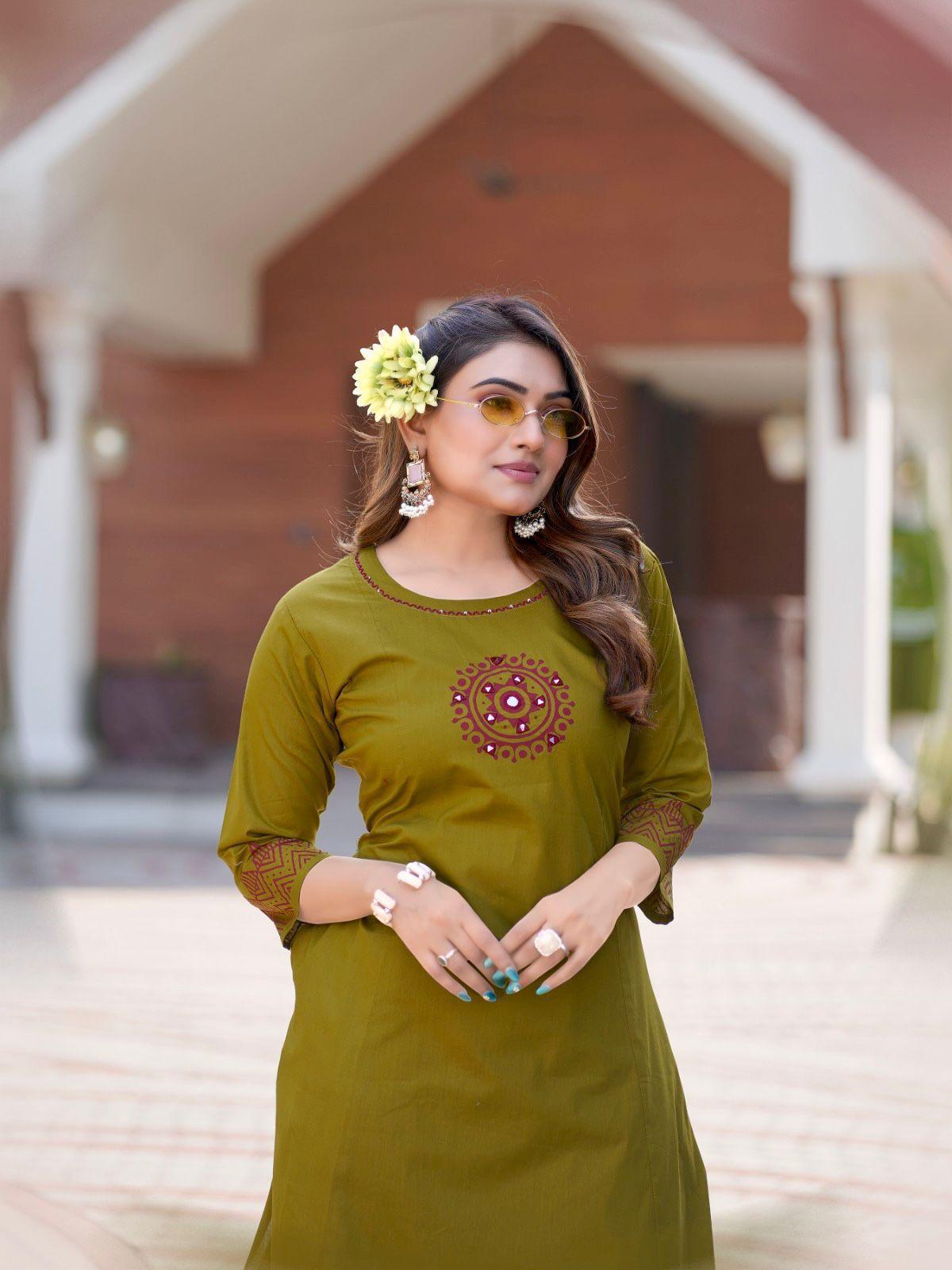
Examine the shoulder and side seams first because they carry much of the garment's strain. Straight stitching with even spacing is preferable to strongly wavering lines. Overlocked or enclosed raw edges reduce fraying, especially in cotton that will be washed frequently. A thin seam allowance can unravel more easily if the fabric is loosely woven.
The neckline should lie flat against the body without puckering. Facings, piping or bias binding should be secured at the corners, where pulling commonly begins. Sleeve hems should have a consistent turn-up, and the sleeve opening should allow movement without dragging the kurti upward.
Kurta sets require additional checks. The waistband of the pant should sit comfortably without relying on an overstretched elastic section. A drawstring can improve adjustability, while pockets add practical value for daily wear. If a dupatta has a printed border, inspect whether the border is finished cleanly at both ends rather than simply cut off.
Mirror work and embroidery need special attention because embellishment adds weight to the fabric. The Designer Cotton A-Line Kurti Pant Set with Mirror Work should be assessed around the mirror-work area for reinforced stitching and comfortable placement. Embellishment that catches on jewellery, scratches the skin or pulls the cotton away from the thread may become irritating during long wear.
How should print placement and colour influence your choice?
Print placement should suit the garment's cut, while colour should be judged for coordination, depth and likely maintenance. A print that looks attractive in a flat photograph may appear crowded or unbalanced once it's shaped around the body.
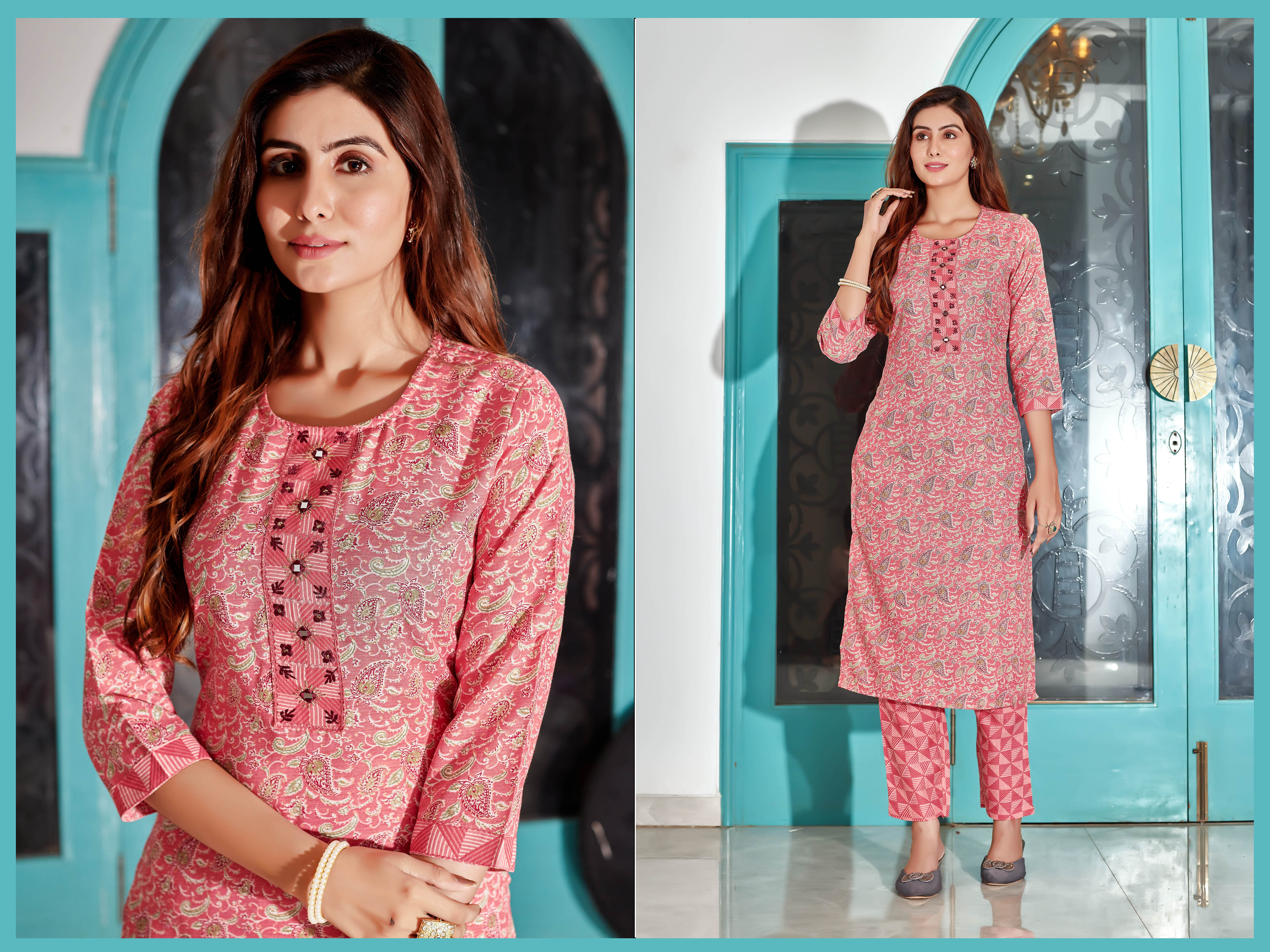
On an A-line kurti, a motif that grows gradually toward the hem can support the silhouette without making the upper body look busy. A large central motif may draw attention to the chest, while smaller butis create a quieter surface. Borders placed at the sleeve or hem can visually define length, but a border that ends abruptly at a side seam may look less polished.
Colour variation is common in hand printing because the amount of dye, pressure and drying conditions can change from one section to another. Variation within a considered range can add depth. A sharp patch of unexpected colour, extensive bleeding or a pale area that breaks the design is more concerning.
Natural and pigment dyes also respond differently to washing and sunlight. Dark indigo, magenta, mustard and black may release some excess colour during the first wash. That doesn't necessarily mean the garment is defective, but the care label should acknowledge the possibility. The Mustard Yellow Cotton Kurti Pant Set for Women and the Olive Green A-Line Cotton Kurti Pant Set for Women illustrate how earthy shades can be versatile while still needing colour-conscious care.
For a coordinated wardrobe, compare the kurti colour with garments you already own. Peach Printed Cotton Kurti Pant Set for Women Casual and Sky Blue Printed Cotton Kurti Pant Set for Women can work well with neutral dupattas, tan sandals and silver-toned accessories, while a cream set may require more attention to lining and undergarment colour.
How do fit and measurements change the value of a kurti?
A good fit gives the body enough ease for movement while preserving the intended shape of the kurti. Bust measurement alone isn't sufficient; shoulder width, armhole depth, hip ease, kurti length and trouser measurements all affect comfort.
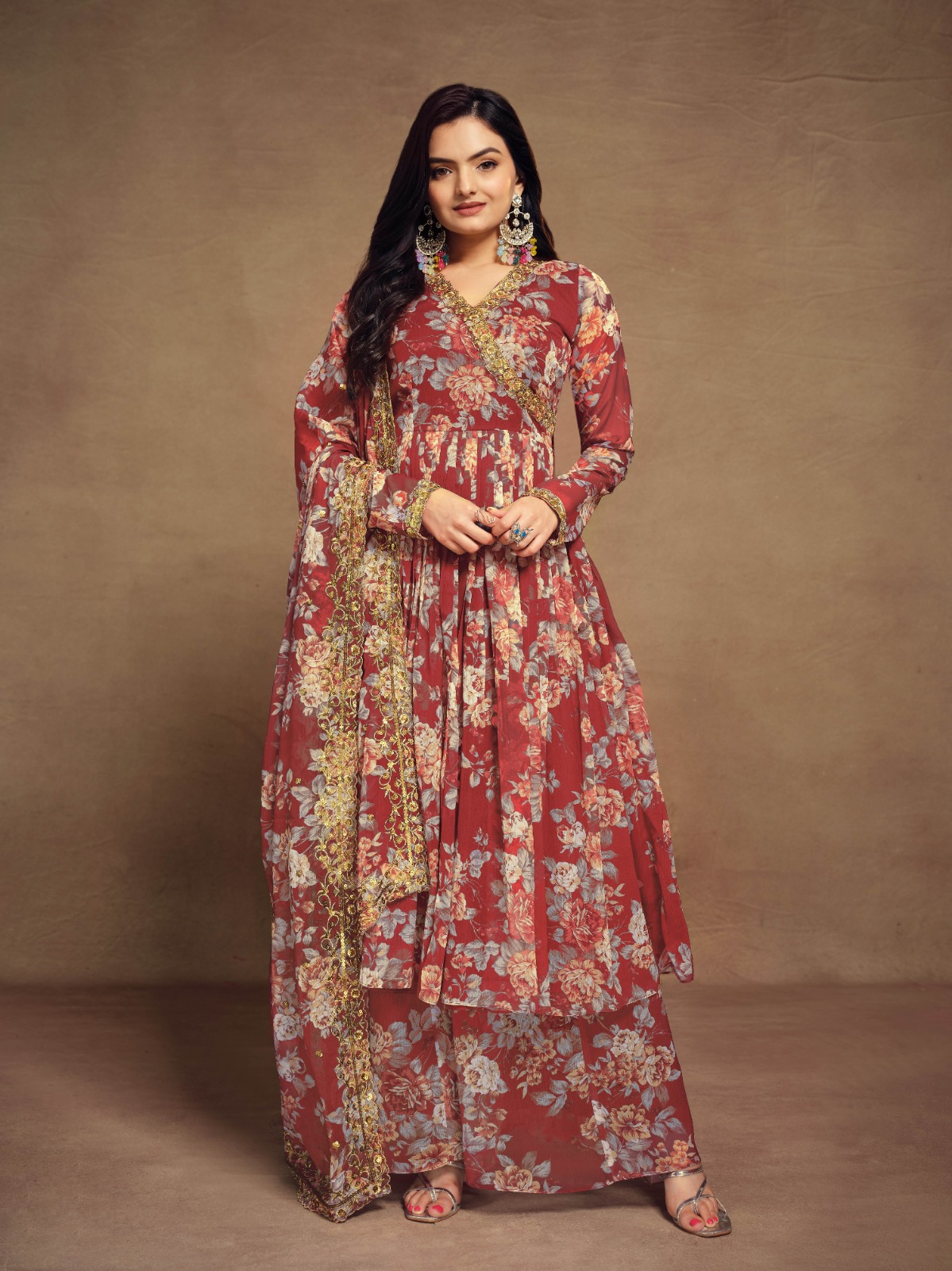
Measure a well-fitting kurta that you already own and compare its flat measurements with the product chart. For a straight or A-line kurti, allow additional ease at the bust and hip if you prefer to sit, climb stairs or layer a camisole underneath. A garment with no movement allowance may look neat in a photograph but feel restrictive after several hours.
Length should be considered with footwear and bottoms. A knee-length kurti can balance wide-leg palazzos, while a longer A-line style may work better with narrow cigarette pants. The Grey Printed Cotton Kurti Pant Set for Women Daily Wear is the kind of set where practical proportions matter more than dramatic styling: an usable length, comfortable armhole and easy trouser fit will determine how often it's worn.
don't assume that a larger size only adds width. Some patterns also alter sleeve length, shoulder width and garment length, while others scale unevenly. If the product chart gives only generic small, medium or large labels without measurements, the purchase carries more fit risk.
Which collections and styles help you compare quality?
Comparing related collections helps you separate differences in fabric and construction from differences in styling. A motif may look similar across collections while the fabric, print scale and finishing change substantially.
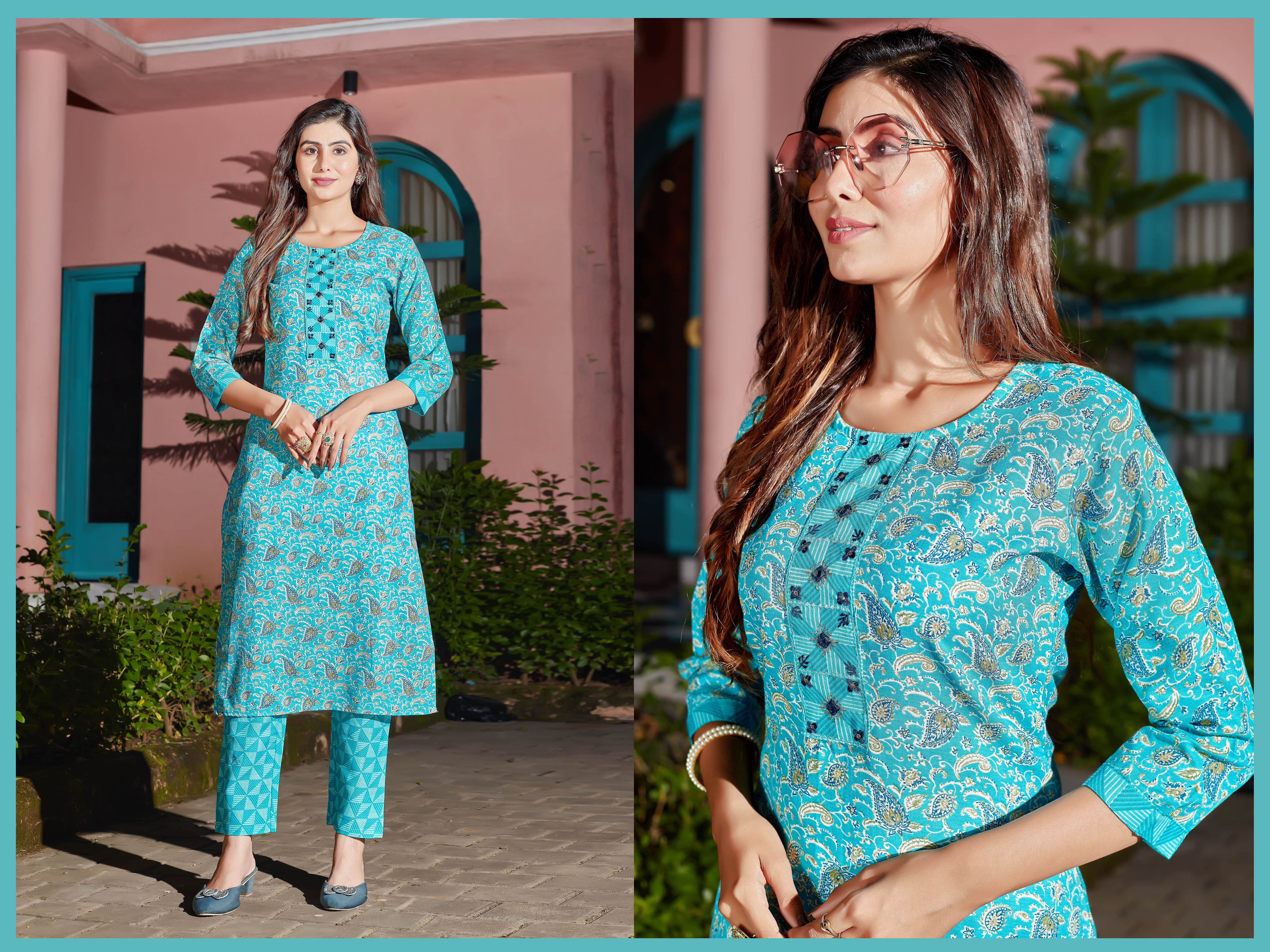
Rajasthan Printed Salwar Suits are useful for examining classic floral and geometric vocabulary, while Kalamkari Print Salwar Suits show how narrative, botanical and temple-inspired imagery can create a denser visual surface. Kalamkari often benefits from careful placement because an elaborate motif can overwhelm a small panel or disappear into a very loose silhouette.
Jaipur Block Print Salwar Suits in Crepe are worth comparing with cotton-based options for drape and fall. A crepe set may look more fluid and occasion-ready, whereas cotton generally gives easier everyday maintenance. Hand Block Printed Salwar Suits in Crepe and Muslin provide another useful contrast because muslin and crepe respond differently to light, movement and ironing.
Collection names should not replace garment-level inspection. Even within a single print tradition, one kurti may have a better neckline finish, more useful pockets or a more suitable fabric weight than another. The most useful comparison records fabric, measurements, lining, print scale, care instructions and price rather than relying on the collection label alone.
How should you wash and store a hand block printed kurti?
Wash a hand block printed kurti gently in cool water, separately for the first few washes, and dry it away from harsh direct sunlight. These steps reduce dye transfer, friction and premature fading.

Turn the garment inside out before washing and use a mild liquid detergent without bleach. Avoid soaking printed cotton for long periods because prolonged contact with water can encourage colour migration. Hand washing is the safest default when the care label doesn't clearly approve machine washing.
If a machine is permitted, choose a short delicate cycle, cold water and a low spin speed. Do not wash hand block prints with white garments, towels or rough denim. Tumble drying can shrink cotton and weaken embellishment, so reshape the kurti while damp and line-dry it in shade.
Iron printed cotton on the reverse side at a moderate temperature. Avoid placing a hot iron directly over mirror work, embroidery or thick pigment. Store completely dry garments in a breathable cupboard, and avoid compressing delicate muslin beneath heavy clothing.
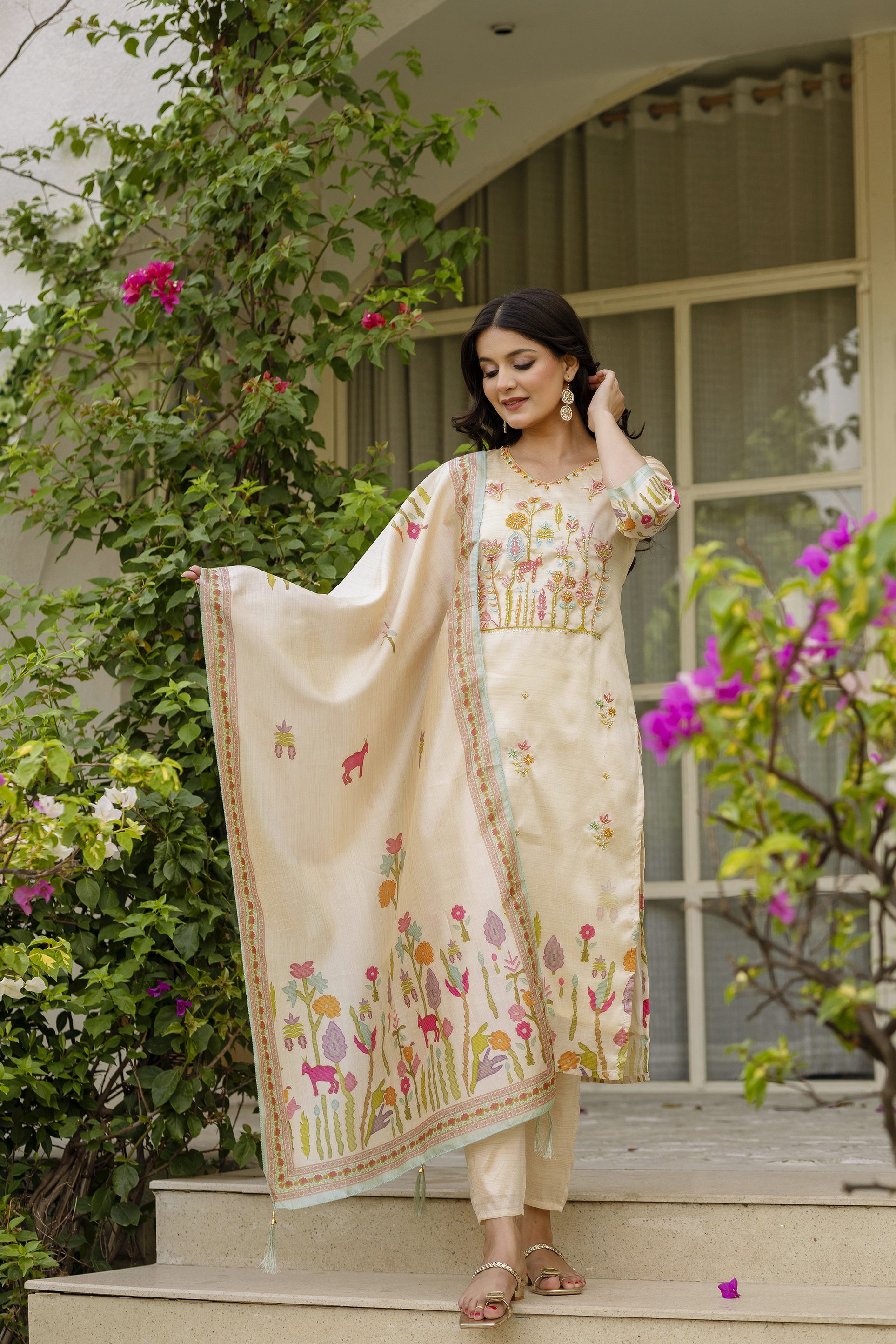
Care affects value as much as purchase price. A lower-cost kurti that survives weekly washing may offer better wardrobe value than a more expensive garment that requires frequent specialist cleaning. The Cream Silk Embroidered Kurti Pant with Printed Dupatta, for example, should be evaluated for the combined care needs of silk, embroidery and printed fabric rather than treated like a basic cotton daily-wear set.
What is a sensible price-to-quality decision?
A sensible price-to-quality decision weighs fabric, labour, construction, versatility and expected number of wears rather than judging the garment by print complexity alone. A detailed print isn't automatically better value if the fit is unreliable or the fabric requires impractical care.
Ask how often the garment can be worn and with how many existing pieces. A cotton kurti that works with three pairs of trousers and two dupattas may earn its cost quickly. A heavily embellished set may be worthwhile for a festival or family event if the finishing is secure and the garment fills a genuine gap in the wardrobe.
Hand printing can justify a higher price when the fabric is sound, the motif has been carefully registered, the artisan process is clearly described and construction is dependable. Price alone can't prove that a product is handmade. Transparent details about fabric composition, measurements, care and production are stronger indicators of a considered purchase.
The best final test is specific: would you still choose the kurti if the motif were viewed from a distance? If the answer depends entirely on the photograph's styling, look again at the cloth, seams, fit, colour behaviour and care requirements. Those small details are what turn a printed kurti into a garment that earns repeated wear.
Practical Questions Before Buying a Hand Block Printed Kurti
How can I tell if a kurti is hand block printed?
Look for slight variations in motif alignment, ink pressure and colour density while checking that the overall repeat remains controlled. Small irregularities can indicate hand printing, but large smudges, broken motifs and severe bleeding suggest poor finishing.
Is cotton or muslin better for a hand block printed kurti?
Cotton is usually better for regular wear because it offers breathable comfort and a little more structure. Muslin is softer and lighter, but it may need more careful washing, lining or handling because the cloth can be more delicate and transparent.
Do hand block printed clothes fade after washing?
Some colour release during the first wash is normal, especially with dark indigo, magenta, mustard and black shades. Wash the garment separately in cool water with mild detergent, avoid soaking and dry it in shade to reduce fading.
What measurements should I check before buying a kurti set?
Check bust, shoulder, armhole, hip, kurti length, sleeve length and trouser measurements. Compare those numbers with a well-fitting garment you own and allow enough ease for sitting, movement and layering.
Are small print irregularities a defect?
Small shifts in alignment or changes in colour density are often expected in hand block printing and can reflect the artisan process. Irregularities become defects when they create obvious smears, missing areas, severe bleeding or an unbalanced pattern.
How do I choose between a cotton and crepe block printed salwar suit?
Choose cotton for breathable daily wear and simpler maintenance, and choose crepe when you prefer a smoother, more fluid drape for semi-formal dressing. Check the care label because crepe and cotton can respond differently to washing, heat and ironing.