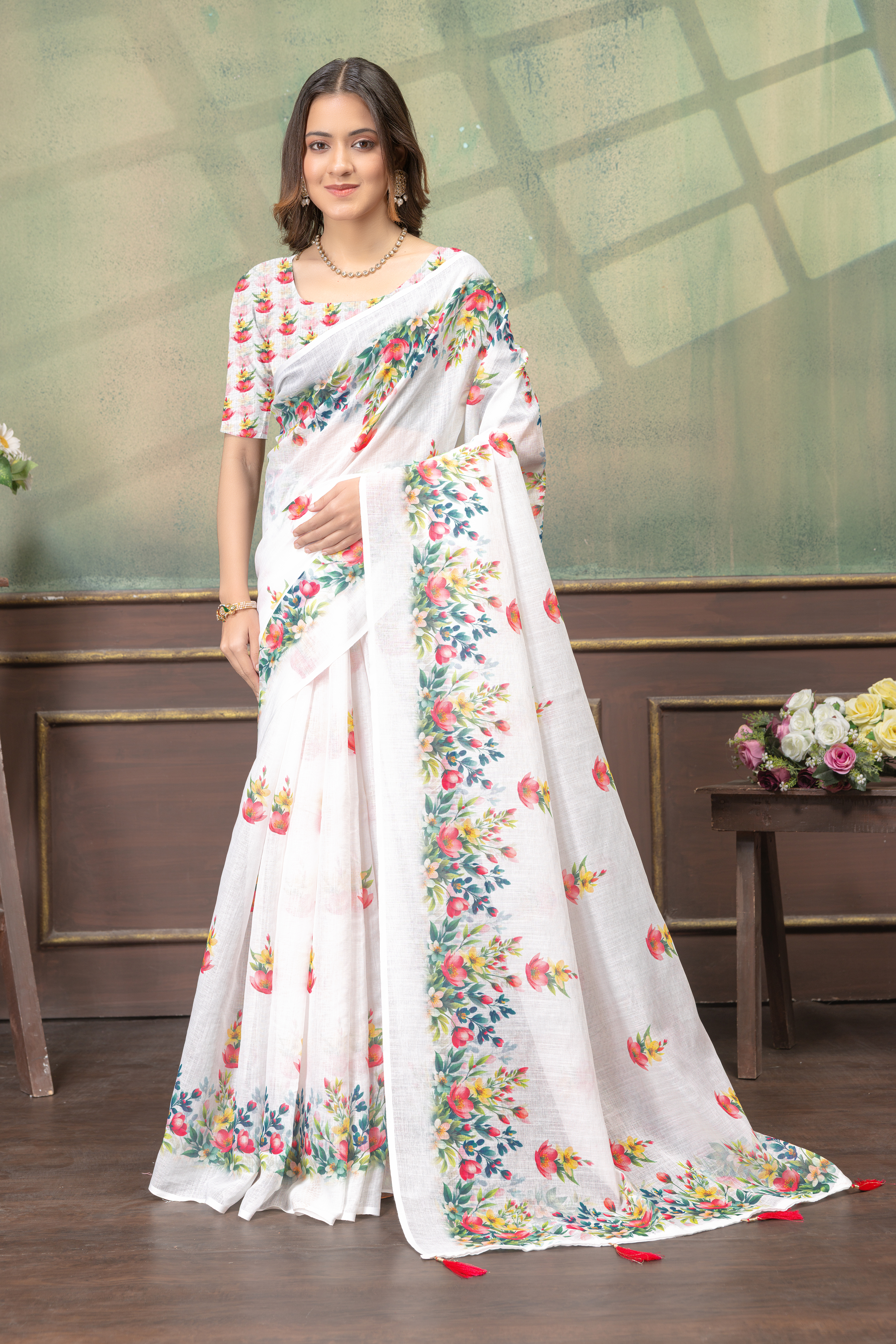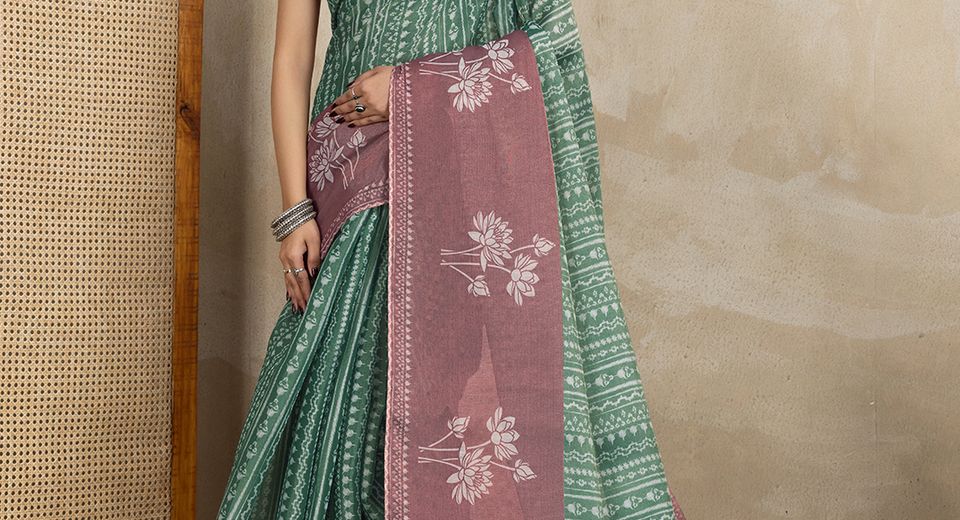
Sarees That Stay Comfortable at Humid Outdoor Weddings begin with a fabric that allows air to move around the body, not merely a colour or decorative border. Cotton, linen-cotton and selected lightweight handloom weaves can feel more manageable than dense silk when a ceremony takes place under a tent, in a garden or beside the coast. The right blouse, petticoat, drape and emergency plan matter just as much. A beautiful saree becomes difficult to wear when the waistband traps moisture, the pleats cling to the legs or the pallu keeps slipping.
Humidity changes how clothing behaves. Sweat evaporates slowly, fabric can feel heavier after several hours, and friction increases wherever the saree touches the waist, underarm or ankles. A comfortable wedding outfit therefore needs a balance between breathability, structure and occasion-appropriate detail. The guide below explains how to make that balance work without reducing the look to plain everyday dressing.
Why fabric choice matters in humid outdoor weddings
Breathable natural-fibre blends are usually more comfortable in humid outdoor settings because they allow better airflow and absorb some moisture from the skin. Cotton and linen-cotton sarees are useful starting points because they generally weigh less than heavily embellished bridal silks and don't create the same dense layer around the body.
Pure cotton absorbs perspiration well, although a very absorbent fabric may feel damp if the air is already saturated. Linen adds airflow and a crisp surface, while a linen-cotton blend often gives a softer fall with less stiffness than pure linen. Handloom cotton can have small irregularities in the weave, but those irregularities often help the saree feel less clingy than a smooth synthetic surface.
A practical example is the Pastel Linen Cotton Floral Print Saree with Designer Blouse. A floral print gives visual interest without requiring all-over embroidery, and the linen-cotton construction is worth considering when the priority is movement and ventilation. The Peach Linen Cotton Floral Print Saree with Blouse for Women offers a similar type of occasion-friendly direction in a warm, celebratory colour.
Fabric weight deserves more attention than fibre labels alone. A tightly woven cotton saree with a broad, heavy zari border may feel warmer than a lighter cotton saree with a modest border. Before buying, check the product measurements, blouse inclusion, border width and whether the description indicates a lined or embellished component. A saree that looks lightweight in a photograph may gain weight through dense threadwork.
Which fabrics should you approach carefully?
Dense brocade, thick silk, heavily padded borders and extensive sequins can feel restrictive during a long humid ceremony, especially when the event involves standing, walking and dancing. Kanjeevaram, Banarasi silk and zari-rich wedding sarees remain valuable choices for formal rituals, but they may require lighter styling, shorter wear times or an indoor venue with reliable cooling.
Polyester and nylon can resist wrinkles, yet some tightly finished synthetic fabrics hold heat against the skin and may feel slippery when perspiration increases. Chiffon and georgette can be airy, but their lightness doesn't automatically solve comfort: a lining, heavy embellishment or tightly fitted blouse can still reduce airflow.
Sarees That Stay Comfortable at Humid Outdoor Weddings: useful fabric and weave choices
The most practical options include cotton, linen-cotton and light handloom sarees with moderate borders, because these choices combine breathability with enough structure for a neat wedding drape. Floral prints, woven borders and small zari details can provide ceremony-appropriate polish without covering the entire garment in heat-retaining decoration.
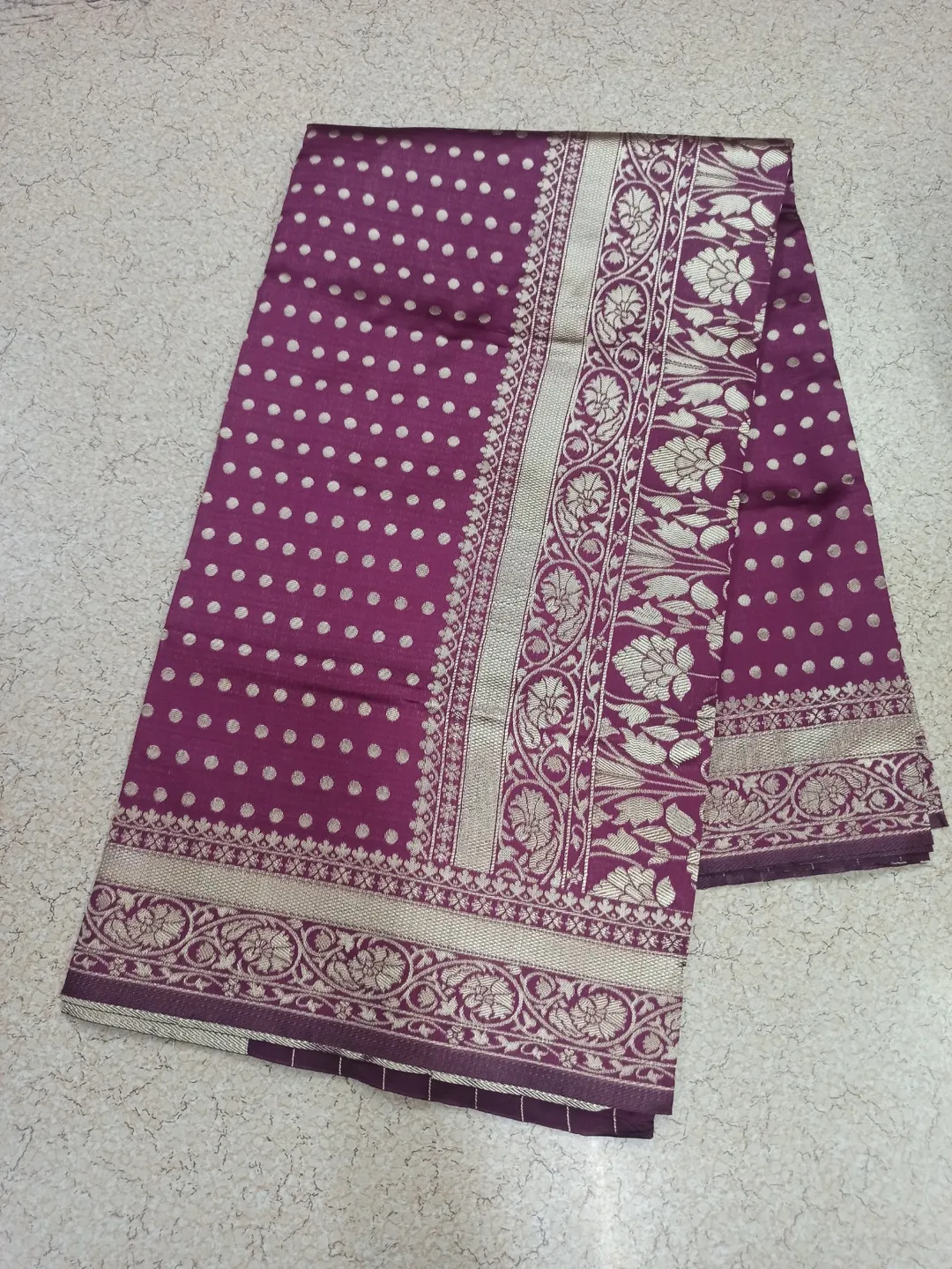
The Pastel Floral Tissue Handloom Cotton Saree with Zari Weaves illustrates how a cotton base can carry a festive surface. Tissue effects and zari weaves add light-catching detail, but the wearer should still assess the actual density of the border and pallu before choosing the saree for an all-day outdoor function.
The Mint Green Floral Linen Cotton Saree with Pink Border Style uses colour contrast rather than extensive embellishment to create visual impact. Pastel shades can also be practical in hot weather because they show less visual density than dark, heavily ornamented surfaces, although sweat marks and makeup transfer may be more noticeable on very pale fabric.
For a deeper colour, Buy Sage Green Erode Cotton Floral Print Saree Online points towards the regional cotton tradition associated with Erode. Erode cotton sarees are often valued for their practical, wearable character, but the specific weave, finishing and weight still determine how a particular saree behaves outdoors. Product details should guide the final choice rather than the place name alone.
A woven border can be a useful compromise between a completely plain cotton saree and a richly embroidered bridal style. Buy Dusty Rose Floral Linen Cotton Saree with Woven Border shows how a border can frame the saree while keeping the main body comparatively uncluttered. Woven detail also avoids the raised surface and extra weight that can come with extensive attached embellishment.
How to choose a blouse for heat, movement and photographs
A comfortable humid-weather blouse should fit securely without compressing the ribcage, use a breathable lining and leave enough room for arm movement. A blouse that's too tight traps sweat at the underarms and makes repeated adjustments more likely during the ceremony.

Short sleeves, elbow sleeves and wide shoulder straps can all work, but the best choice depends on the cut and fabric. Sleeves made from a densely embellished textile may feel warmer than a simpler cotton-lined design. A cotton or breathable lining is preferable to a thick foam-backed construction when the blouse will be worn for several hours.
A slightly wider neckline can improve airflow, but comfort should not be sacrificed for a lower cut. A square, scoop or modest V neckline can look polished while allowing the wearer to turn, sit and raise the arms without pulling at the front. Test the blouse with the actual saree before the event: sit on a chair, lift both arms and walk ten steps while checking the shoulder seams.
Secure fastening is especially important outdoors. Hooks, a side zip or a well-fitted back closure should remain stable without digging into the skin. Fashion tape can help with a slipping neckline, while small safety pins should be placed through the blouse seam rather than randomly through visible fabric. A designer blouse included with a saree still deserves a separate fit check; included sizing doesn't guarantee the same support as a tailored blouse.
How to drape a saree for airflow and security
A humidity-friendly drape should hold the pleats firmly at the waist while leaving enough room for walking and airflow around the ankles. A very tight wrap may look sharply defined in photographs, but it can become uncomfortable when the body heats up or when the wearer sits for long periods.
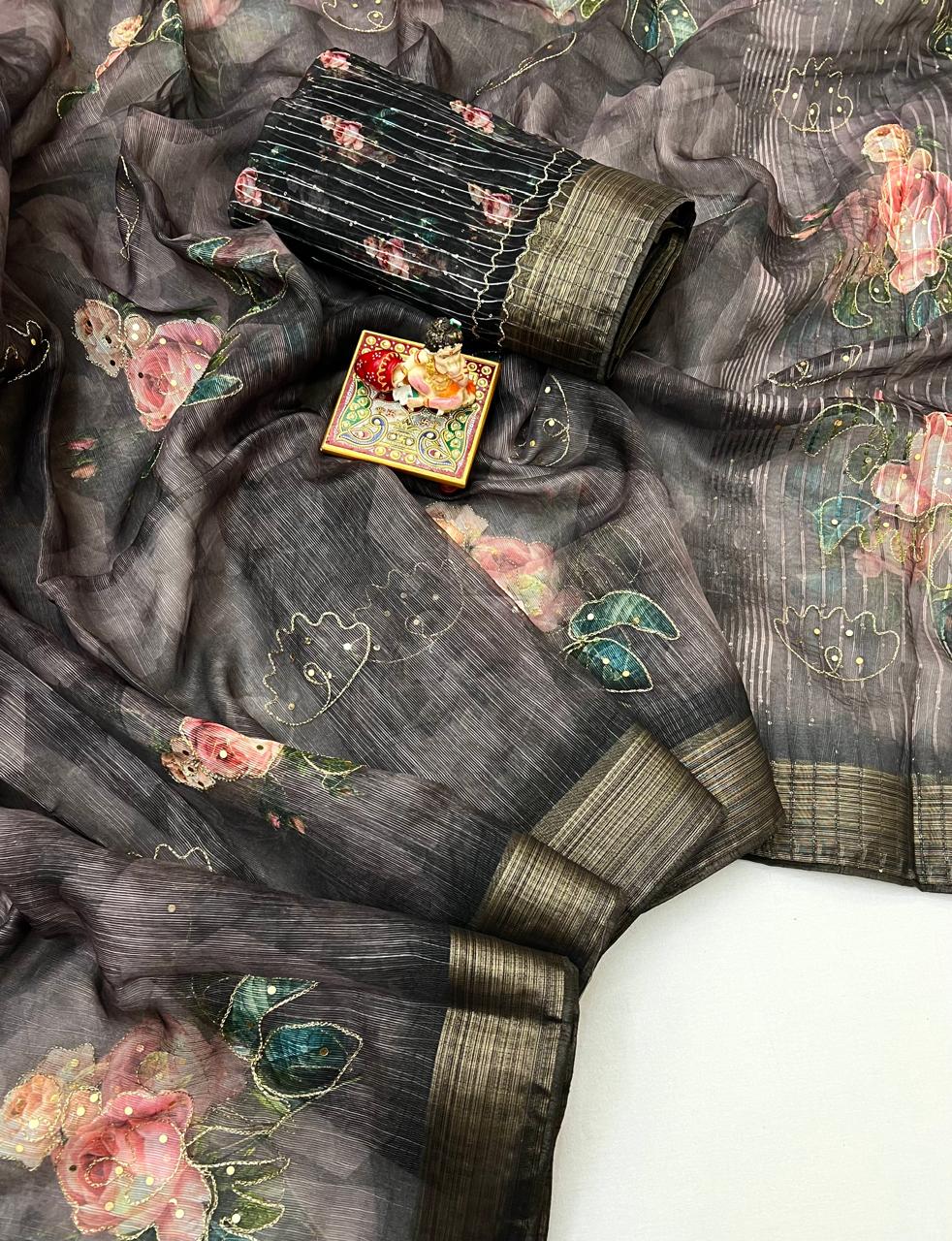
Start with a breathable petticoat or underskirt that fits at the waist without digging into the skin. Cotton or moisture-managing lining fabrics are generally more comfortable than thick satin for extended outdoor wear. The petticoat should support the saree without creating a second heavy layer; an overly full underskirt can increase heat and make walking harder.
Make five to seven front pleats, depending on the saree width and the wearer's build, and secure them with a concealed pin at the waistband. Pleats that are too narrow can bunch after walking, while very broad pleats may open when sitting. Keep the hem about one to two centimetres above the floor when wearing the intended footwear. A dragging hem collects damp soil and makes the saree heavier.
Pin the shoulder pallu at two points if the event includes movement: one discreet pin near the shoulder seam and another lower pin near the side of the blouse. The pallu should remain loose enough to move air and should not be wrapped tightly around the torso. A narrow or medium-width border usually sits more comfortably than a very heavy border pulled across the shoulder.
For additional security, use a waist belt only if it's soft, light and worn over the saree without compressing the abdomen. A rigid metal belt can become uncomfortable after meals or prolonged standing. A slim fabric belt can hold pleats in place while preserving a cleaner silhouette.
Colour, border and embellishment decisions for a wedding setting
Colour affects the visual impression of heat, while border and embellishment affect the physical weight of the saree. Soft peach, mint, pastel pink, sage and dusty rose can look festive outdoors without the visual heaviness of dense dark brocade, although colour choice should still reflect the ceremony, family customs and time of day.
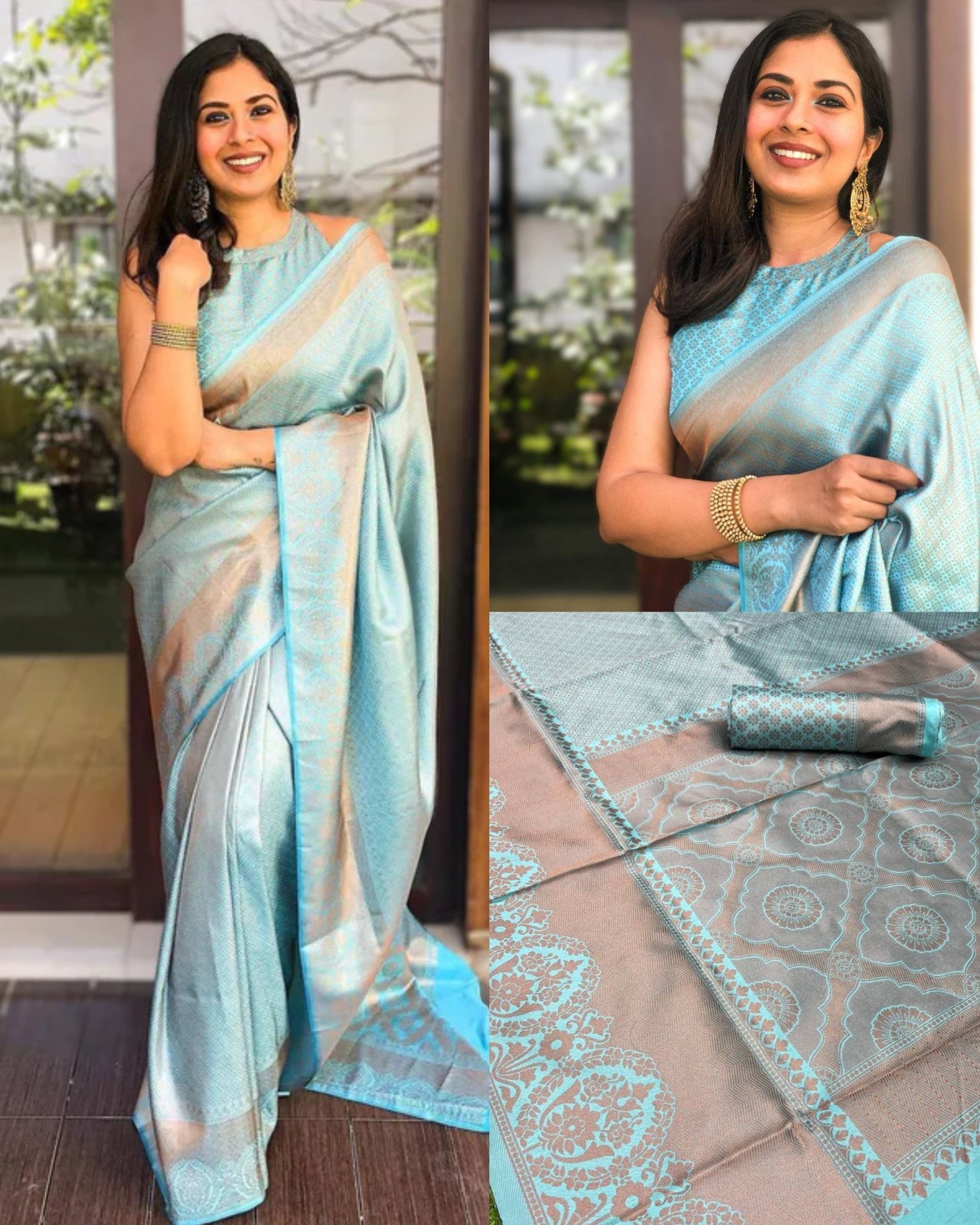
The Maroon Cotton Saree with Zari Work for Wedding demonstrates a useful middle path for someone who wants a deeper wedding colour with cotton comfort. Zari adds ceremonial shine, while a cotton body can feel more relaxed than a fully silk construction. Check whether the zari is concentrated at the border and pallu or distributed throughout the saree, because that difference can substantially change weight.
Gold zari is traditionally associated with celebration, but a small zari border can be enough to make a cotton saree suitable for a wedding guest look. Pairing a woven or zari border with simple earrings, a low-bulk hairstyle and breathable footwear prevents the outfit from becoming visually or physically overloaded.
Outdoor photographs often contain strong sunlight, greenery and warm-toned décor. Pastel floral sarees can photograph softly in daylight, while maroon, red and jewel tones create stronger contrast during evening functions. A lining or petticoat that matches the saree body is particularly important in direct sun, because a contrasting underskirt may show through lightweight fabric.
Building a practical wedding saree wardrobe by budget
A useful budget should account for the saree, blouse alterations, petticoat, footwear, jewellery and emergency supplies rather than treating the saree price as the complete outfit cost. A modest alteration and a suitable underskirt can improve comfort more than a small upgrade in surface decoration.
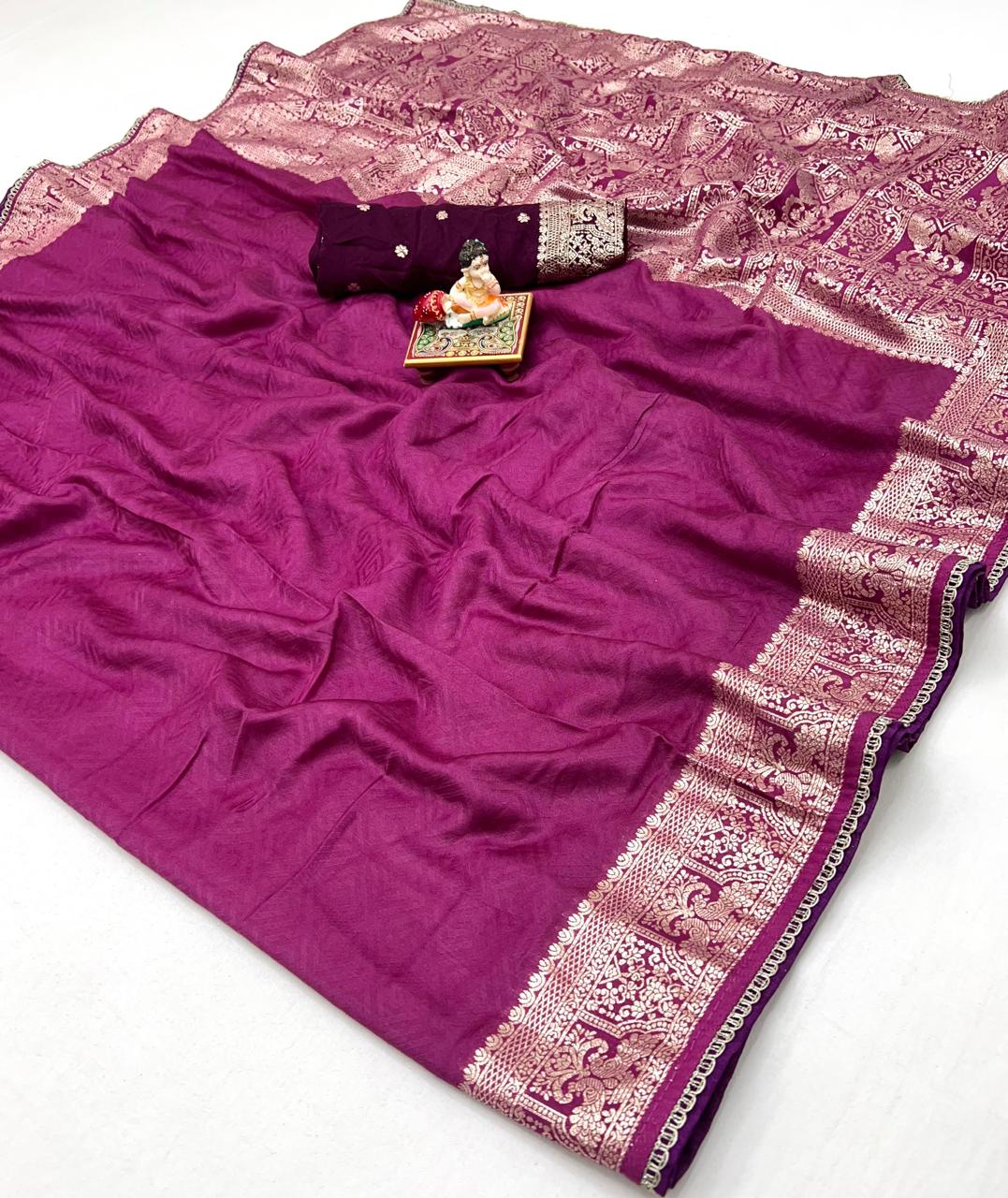
The Latest Wedding Sarees Collection can help a shopper compare formal colours, borders and fabric directions in one place. The Wedding Sarees Collection Under 4000 is relevant when the budget must cover tailoring and accessories as well as the main garment. A lower price doesn't automatically indicate poor comfort, but the buyer should inspect composition, measurements, blouse details and care instructions before ordering.
Silk-focused options can still be considered for a shorter ceremony or an indoor reception. Silk Sarees Under 3000 With Discount may be useful for shoppers who want a festive texture at a controlled price, but a discounted silk saree should still be assessed for weight and weave rather than selected solely because the price is attractive.
Colour-led browsing can narrow the search efficiently. Pink Georgette Sarees may suit a lightweight evening look, while Red Banarasi Silk Sarees for Weddings Under 1100 can provide a traditional visual language at a low listed price. Banarasi silk and georgette have different handling and heat characteristics, so the final decision should consider the length of wear, venue ventilation and the amount of zari or lining.
What to pack for an outdoor saree emergency
A small saree emergency kit should contain safety pins, fashion tape, two hairpins, tissues, a compact handkerchief, blister plasters and a spare bindi or earring back. These items solve common problems without requiring a full change of clothes.

Carry a small absorbent cloth for blotting perspiration rather than rubbing the saree. Rubbing can spread makeup, disturb the finish and create a visible patch on pale cotton or linen-cotton. A travel-size deodorant or fragrance should be applied to the skin before dressing, not sprayed directly onto zari, silk, printed cotton or delicate woven surfaces.
If the venue has grass, gravel or damp ground, choose block heels, wedges or embellished flats instead of narrow stilettos. Stable footwear reduces the need to lift the hem repeatedly and lowers the chance of tearing the border while walking between the ceremony, dining and photography areas.
Keep the saree folded loosely after returning home and air it away from direct sunlight before storing it. Cotton and linen-cotton sarees can usually be washed or dry-cleaned according to the care label, but zari work, tissue effects and attached embellishment may require gentler professional care. Never seal a perspiration-damp saree in plastic for long-term storage.
A simple decision checklist before ordering
The best saree for a humid outdoor wedding should pass five checks: breathable composition, manageable weight, secure blouse fit, stable drape and care that suits the wearer's schedule. If a product description answers only the colour question, request or verify the missing construction details before purchasing.

- Venue: Identify whether the ceremony is on grass, sand, stone, a rooftop or under a fully enclosed tent.
- Duration: Estimate total wear time, including travel, photographs, ceremony, meal and dancing.
- Fabric: Prefer cotton, linen-cotton or a light handloom weave when airflow is the main concern.
- Weight: Check the border, pallu, zari and embellishment rather than judging the body fabric alone.
- Fit: Try the blouse and petticoat with the saree at least several days before the wedding.
- Movement: Walk, sit, climb a step and raise both arms before finalising the pinning method.
- Care: Confirm whether sweat, rain risk and last-minute ironing are compatible with the care label.
Choosing Sarees That Stay Comfortable at Humid Outdoor Weddings doesn't mean giving up colour, zari or a formal finish. It means assigning visual drama to the places that add the least heat, such as a floral print, woven border, carefully placed zari or statement jewellery. When fabric, fit and draping work together, the saree remains elegant through the ceremony instead of becoming the reason you leave the celebration early.
Common Questions About Comfortable Sarees for Humid Weddings
Which saree fabric is most comfortable for a humid outdoor wedding?
Cotton and linen-cotton are usually among the most comfortable choices because they allow airflow and feel lighter than dense, heavily embellished silk. A light handloom cotton saree can also work well, but the border, pallu and lining should be checked because added zari or decoration increases weight.
Are cotton sarees suitable for wedding guests?
Cotton sarees are suitable for wedding guests when the weave, colour and finishing look occasion-appropriate. Floral prints, woven borders and limited zari can make cotton festive without creating the heat of a densely embroidered saree.
How can I stop a saree from slipping in humid weather?
Use a well-fitting petticoat, make evenly sized front pleats and secure the shoulder pallu at two discreet points. A breathable blouse with a stable neckline and a light fabric waist belt can provide extra support without tightly compressing the body.
Is Banarasi silk comfortable for an outdoor summer wedding?
Banarasi silk can be comfortable for a shorter ceremony, especially when the saree is lightly woven and the venue has shade or cooling. Dense Banarasi silk, heavy zari and a thick petticoat may feel warm during several hours outdoors, so cotton or linen-cotton is generally easier for an all-day event.
What should I wear under a saree in humid weather?
Wear a breathable, well-fitting petticoat or underskirt that supports the pleats without adding excessive bulk. Cotton or moisture-managing lining is usually more comfortable than thick satin, and the hem should sit just above the floor to avoid collecting dampness and dirt.
How should I care for a saree after a sweaty outdoor wedding?
Air the saree in a shaded, well-ventilated place before folding it, and follow the care label for washing or dry-cleaning. Do not store a perspiration-damp saree in plastic, and handle zari, tissue effects and attached embellishment more gently than ordinary cotton.