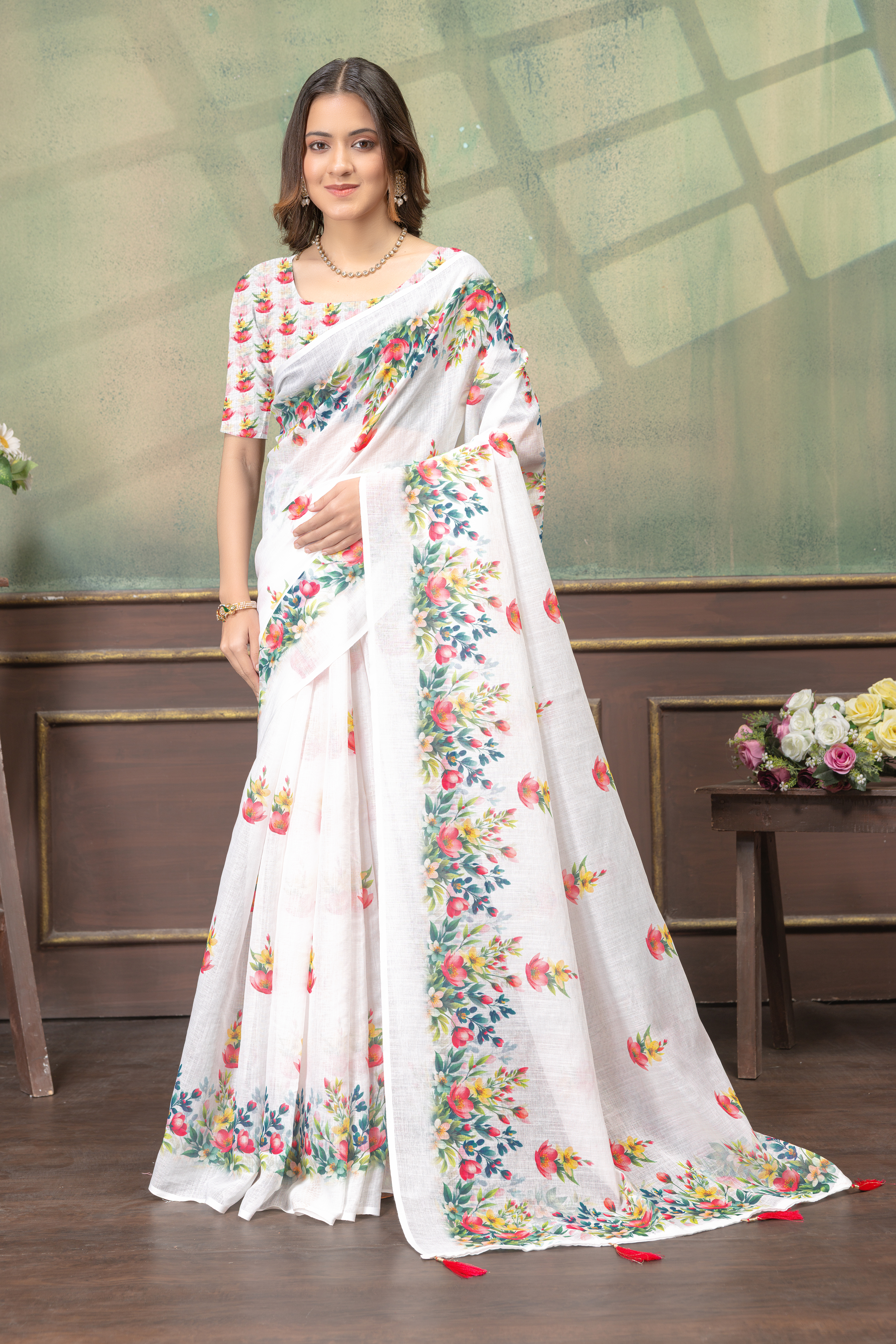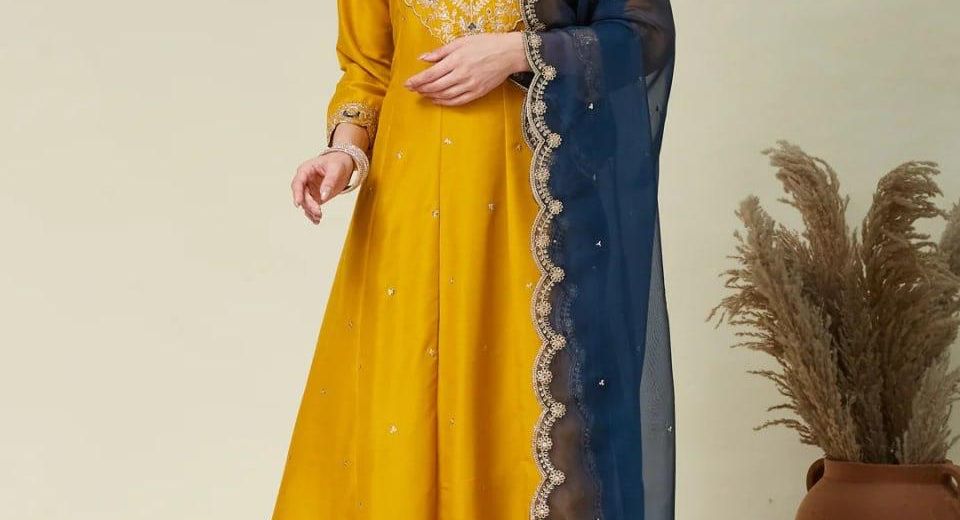
Salwar Suits With Pockets That Are Actually Useful solve a small but persistent problem: carrying a phone, keys, cards or lip balm without adding a handbag to every outfit. A pocket deserves more scrutiny than a decorative opening, especially when you're buying a readymade salwar suit online. Pocket depth, seam strength, fabric weight, placement and the cut of the kurta all determine whether the pocket works during a commute, a family function or a long day at work.
A useful pocket should hold its contents securely while allowing you to sit, walk and move your arms naturally. The best designs also keep the kurta's silhouette neat, so convenience doesn't make the outfit look bulky. This guide explains how to inspect those details and match them with different salwar suit styles, fabrics and occasions.
Why do useful pockets matter in a salwar suit?
Useful pockets matter because they reduce dependence on a clutch or handbag for small essentials while preserving the comfort of traditional clothing. A phone placed in a well-positioned pocket stays accessible, and keys or cards remain close without being tucked into a dupatta or waistband.
Pockets also change how a salwar suit performs in ordinary situations. A commuter may need a metro card and phone between a home and office. A guest at a wedding may want to keep tissues and lipstick nearby while leaving a larger bag with family. Someone attending a Haldi ceremony may need both hands free for photographs, rituals and movement.
The practical value depends on the load. A pocket designed for a slim smartphone and a few cards won't necessarily support a large phone, a power bank or a heavy key ring. Treating every pocket as interchangeable leads to stretched seams, visible bulges and an uncomfortable pull across the kurta.
What makes Salwar Suits With Pockets That Are Actually Useful?
Salwar Suits With Pockets That Are Actually Useful have enough depth, strong openings and placement that follows the natural line of the hand. A functional pocket normally measures about 15 to 18 centimetres deep and 10 to 13 centimetres wide, although the right dimensions depend on the garment size and intended contents.
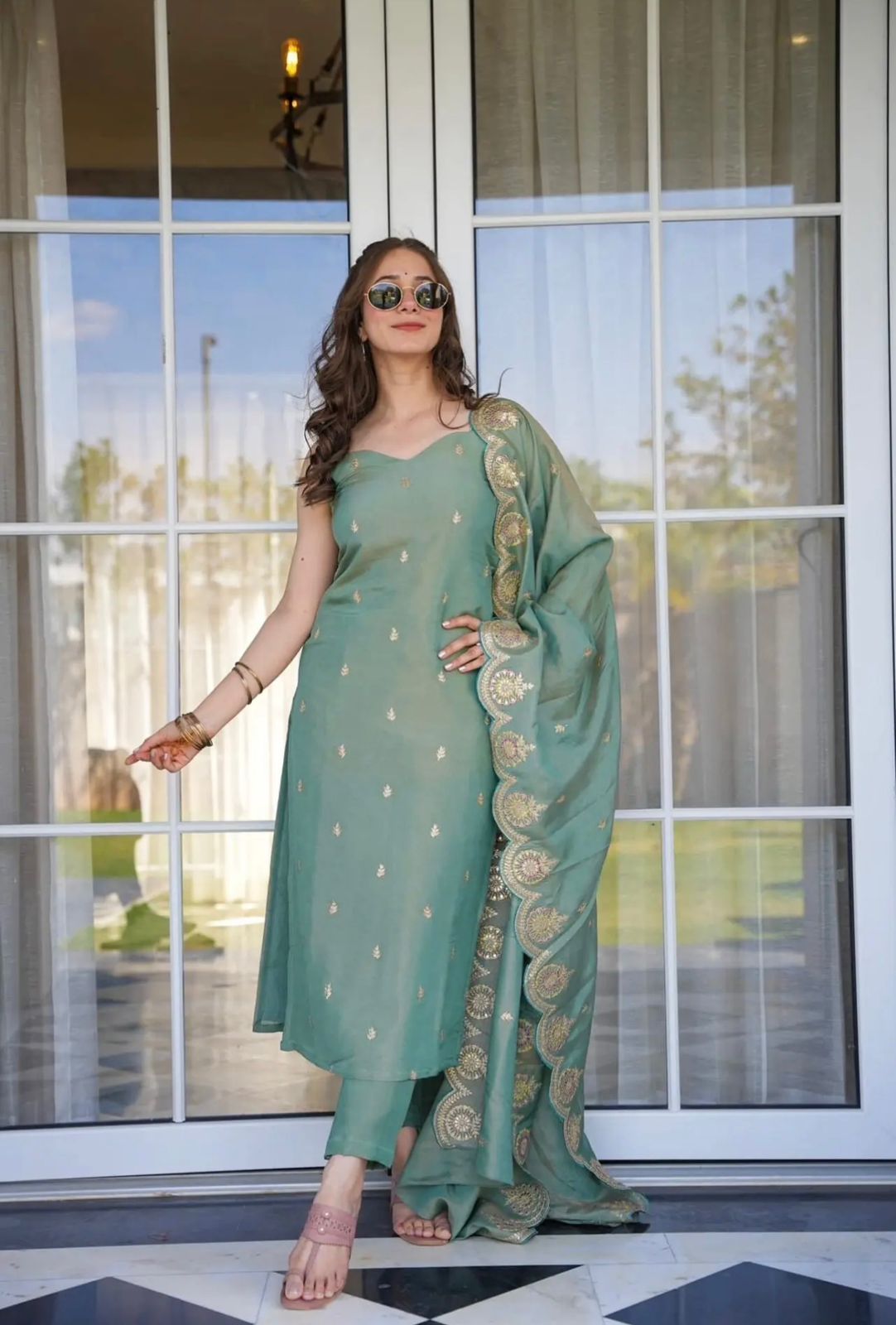
Look for an opening that lets your hand enter without forcing the fabric. A practical everyday pocket should usually have an opening of at least 12 centimetres. A narrow slit may look elegant but can make retrieving a phone awkward, particularly when the kurta has a fitted side seam or heavy embroidery.
Construction matters as much as measurement. Reinforced stitching at the top corners reduces the chance of the pocket tearing when a phone is removed repeatedly. A pocket bag made from tightly woven cotton or a stable lining fabric is preferable to a very thin lining that collapses or catches on objects.
The pocket should also sit below the widest point of the hip and remain reachable when the wearer stands naturally. A pocket placed too high can interfere with the bust or waistline, while a pocket placed too low may pull the hem or require an exaggerated hand movement. Side-seam pockets are discreet, but patch pockets can offer greater capacity and easier access.
How can you check pocket quality when shopping online?
You can check pocket quality online by comparing the product photographs, size chart, construction notes and customer images instead of relying on the word "pocket" alone. Product pages often show a decorative slit without revealing the pocket bag or its actual capacity.
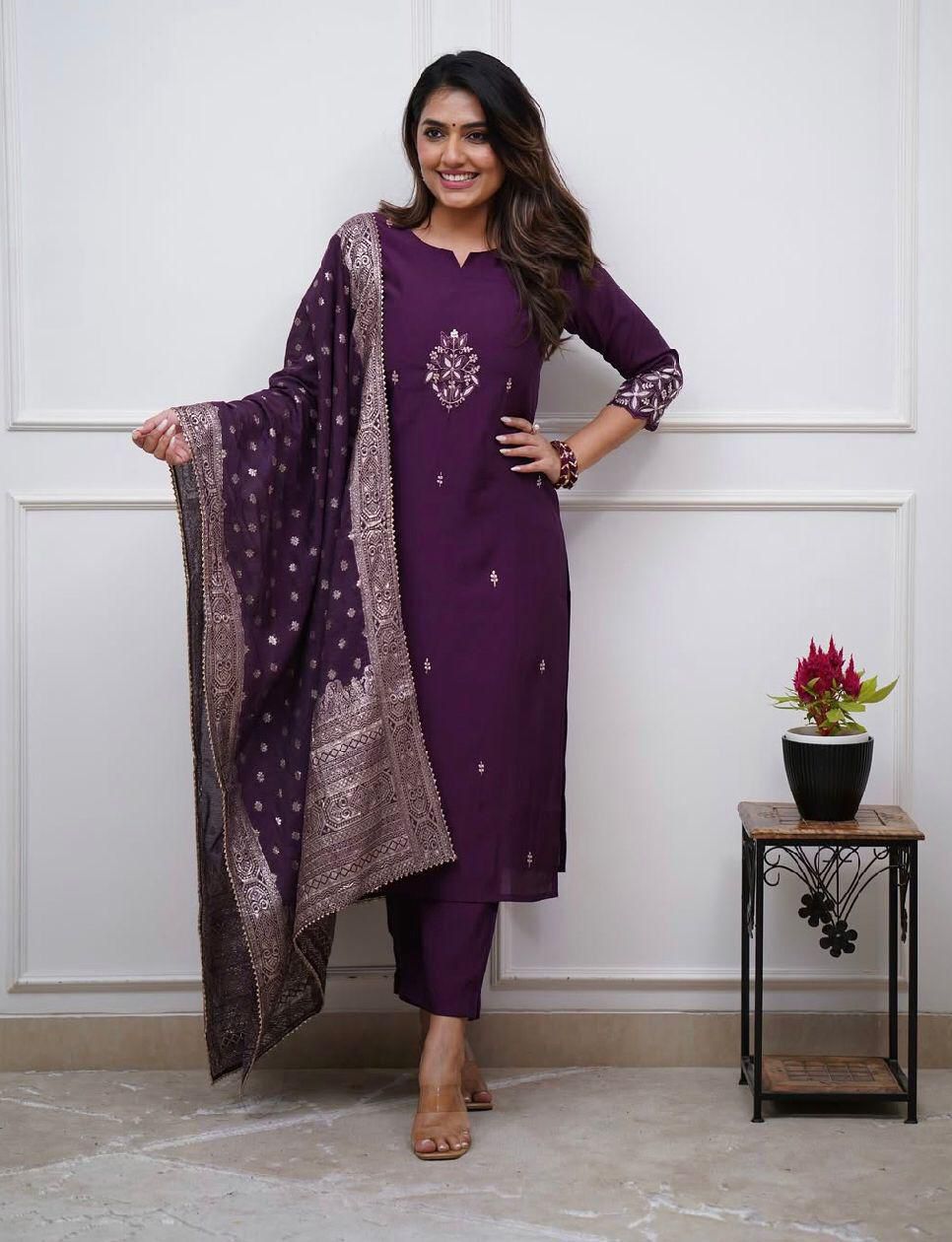
Read the garment details closely
Search the description for specific terms such as side pockets, welt pockets, patch pockets, concealed pockets, pocket depth or functional pockets. "Pocket detail" may describe stitching or an opening that's too shallow for regular use. A listing that provides pocket measurements gives you a stronger basis for comparison.
Measure your own phone before ordering. Add approximately 2 centimetres to the phone's height and width to estimate a comfortable pocket size. A snug pocket may hold the device but can make removal difficult and place unnecessary tension on the seam.
Study images for signs of strain
Photographs can reveal useful clues about pocket construction. Look for puckering around the side seam, an opening that gapes when the model stands straight, or a visible rectangular outline around the hip. Those signs may indicate a pocket that's too small, too full or attached to fabric without enough support.
Customer photographs are particularly valuable because they show how the pocket behaves on a moving body rather than on a carefully arranged studio mannequin. Reviews mentioning phone size, pocket depth or a pulled side seam are more useful than general comments about colour and delivery.
When measurements are unavailable, contact the seller with a precise question: "Will the pocket hold a phone measuring 16 by 8 centimetres, and what is the pocket depth?" A specific question is more likely to produce a helpful answer than asking whether the pocket is "big."
Which fabrics and silhouettes support practical pockets?
Medium-weight cotton blends, Chanderi cotton, stable rayon and lined brocade generally support functional pockets better than very light, fluid fabrics. Fabric choice affects how the pocket hangs, whether the opening stretches and how much the garment shows the contents.
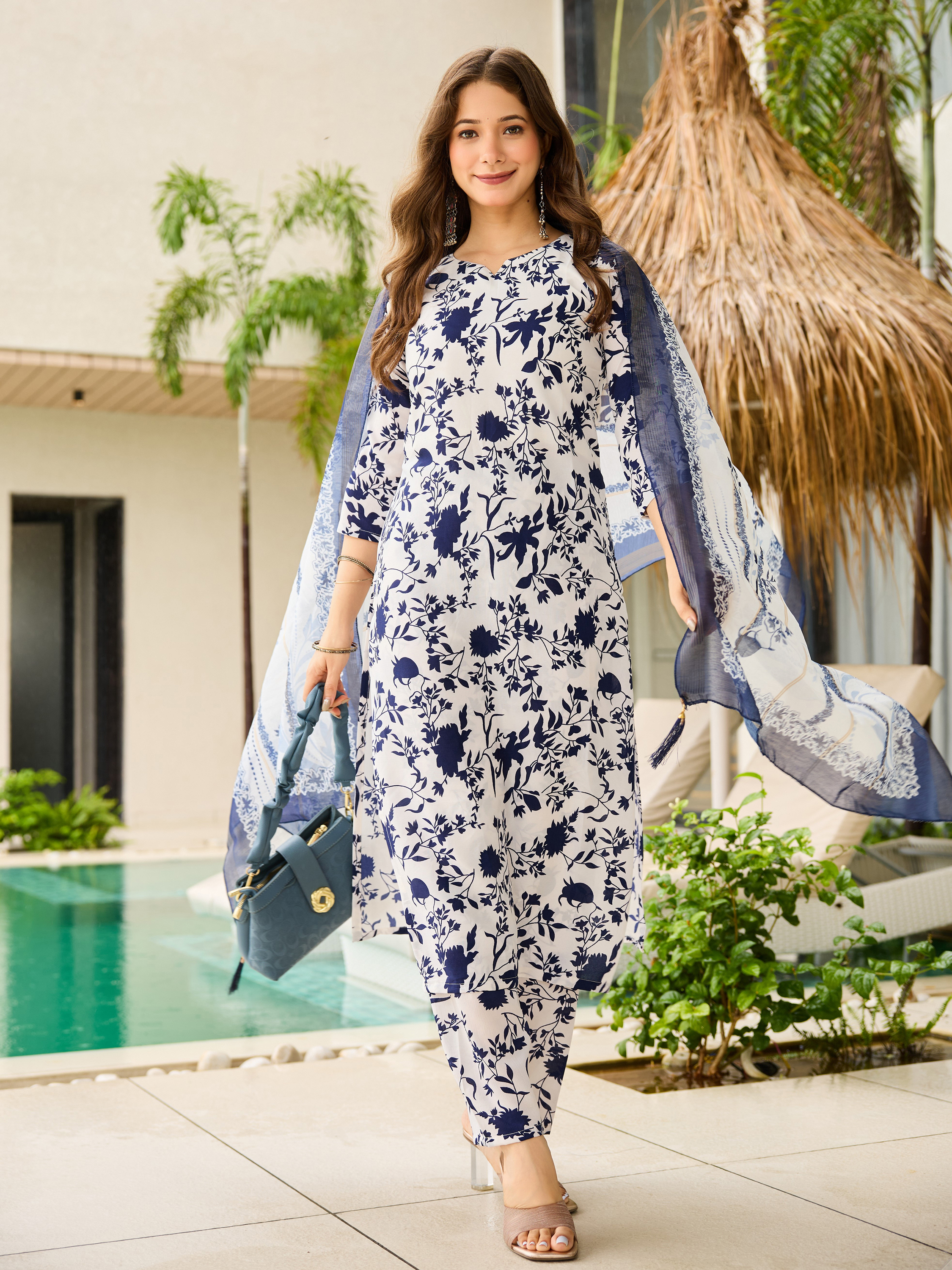
Chanderi cotton can offer a good balance of lightness and structure when the pocket is properly lined. Woven Chanderi Cotton Readymade Salwar Suit illustrates why a stable weave matters: a pocket placed in a structured kurta is less likely to collapse than one sewn into an extremely soft, thin fabric.
Rayon has a smooth drape and works well for relaxed straight suits, but a heavy phone may create a visible drop at the side seam. A reinforced pocket bag and a slightly wider kurta reduce that effect. Cotton salwar suits are often comfortable for daily wear, though tightly woven cotton can feel stiff until washed and softened.
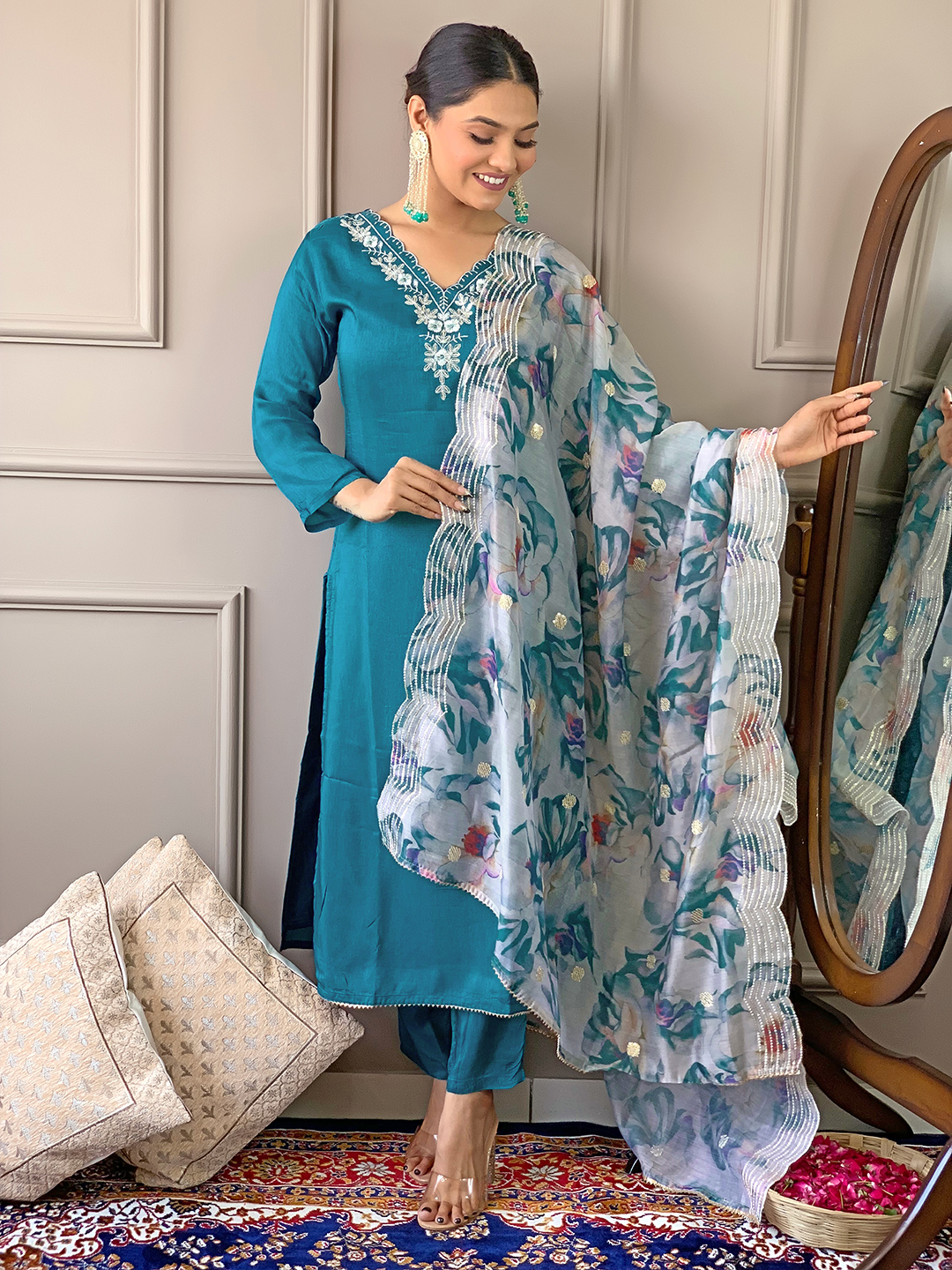
Brocade and zari-heavy fabrics need special attention because embellishment adds weight. Orange Zariwork Brocade Readymade Salwar Suit can work for festive dressing when the pocket is reinforced and positioned away from dense zariwork. A pocket sewn through heavily decorated areas may snag, distort the motif or weaken the embroidery.
Anarkali silhouettes usually need pockets placed in a side seam or hidden in a panel because the flare can make a patch pocket look visually heavy. Straight kurtas offer the simplest pocket placement. Palazzo suits provide room at the lower half, but a phone in a low pocket can swing while walking. Narrow Patiala salwars create a different issue: a pocket in the trouser area must be tested while sitting, not only while standing.
Where should a pocket sit for comfort and security?
A pocket should sit where the hand falls naturally, usually around the upper hip or lower side seam, while remaining above the widest part of the thigh. That position keeps the phone accessible and limits movement of the garment during walking.
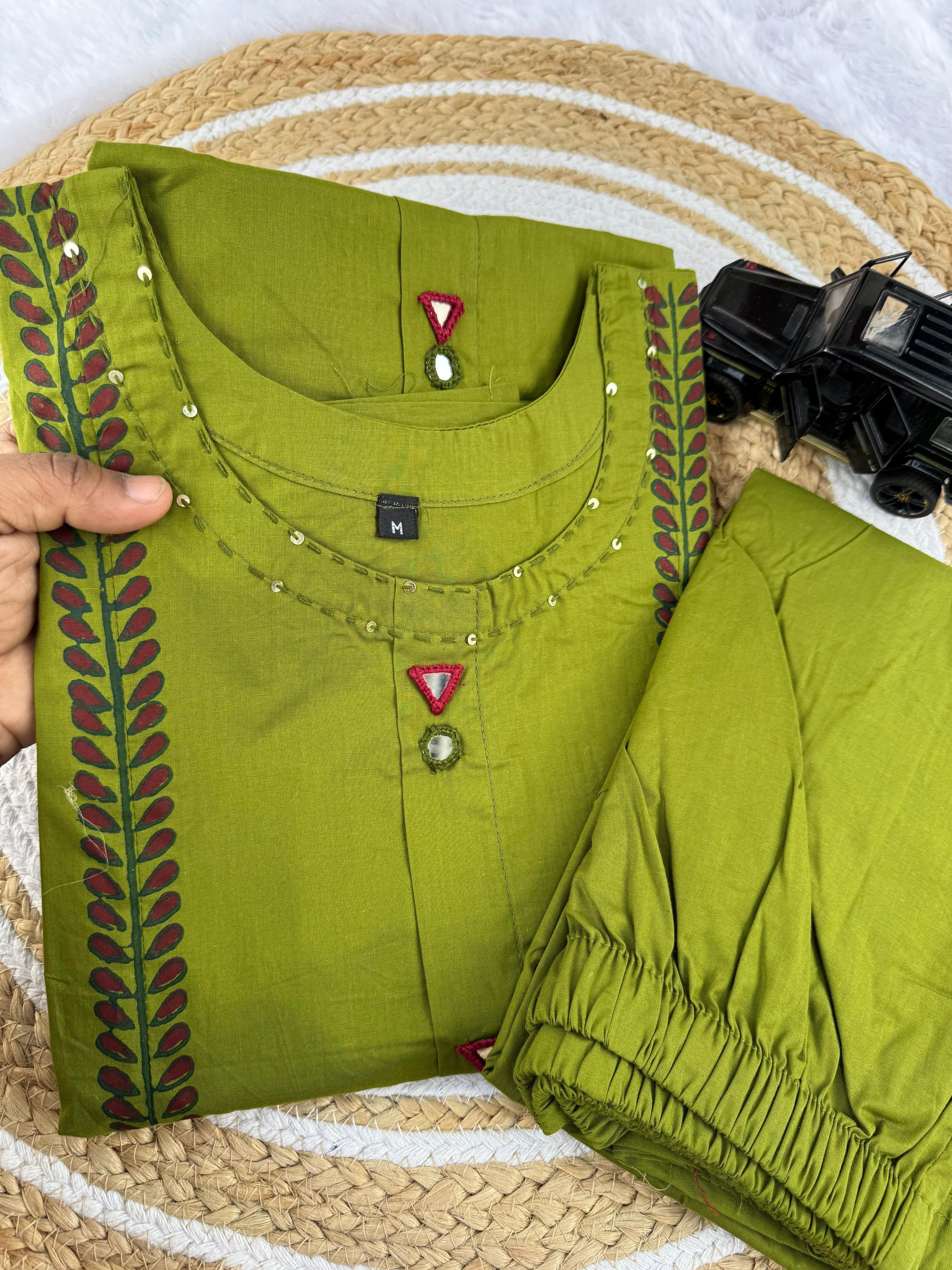
Side-seam pockets are the most discreet option for straight kurtas and many palazzo suits. Side-seam pockets work best when the opening follows the angle of the hand and the pocket bag is anchored to both the side seam and a nearby waist or yoke seam. An unsupported bag can twist toward the back after repeated use.
Patch pockets are easier to reach and can hold more, but their shape becomes part of the design. A square patch pocket may suit a casual cotton suit, while an embroidered patch pocket can complement festive clothing. A patch pocket should have a finished top edge and reinforced corners, especially when it's intended for keys or a phone.
Chest pockets are suitable for light items such as cards or a folded handkerchief, but they're rarely ideal for a phone. A phone placed at the chest changes the balance of the kurta and can pull delicate embroidery. Lower pockets are more discreet but should not sit so low that the hand has to reach below the natural hip line.
Try the sitting test before deciding that a placement works. Sit on a chair, place your phone in the pocket, cross your legs and stand up. The pocket should not press into the hip, expose the phone when you sit or pull the kurta sharply toward one side.
How should you match pocketed salwar suits to occasions?
Match the pocket design to the occasion by balancing capacity, visibility and the weight of the items you need to carry. Daily wear benefits from larger reinforced pockets, while wedding and festive suits usually need discreet pockets that don't interrupt embroidery or drape.
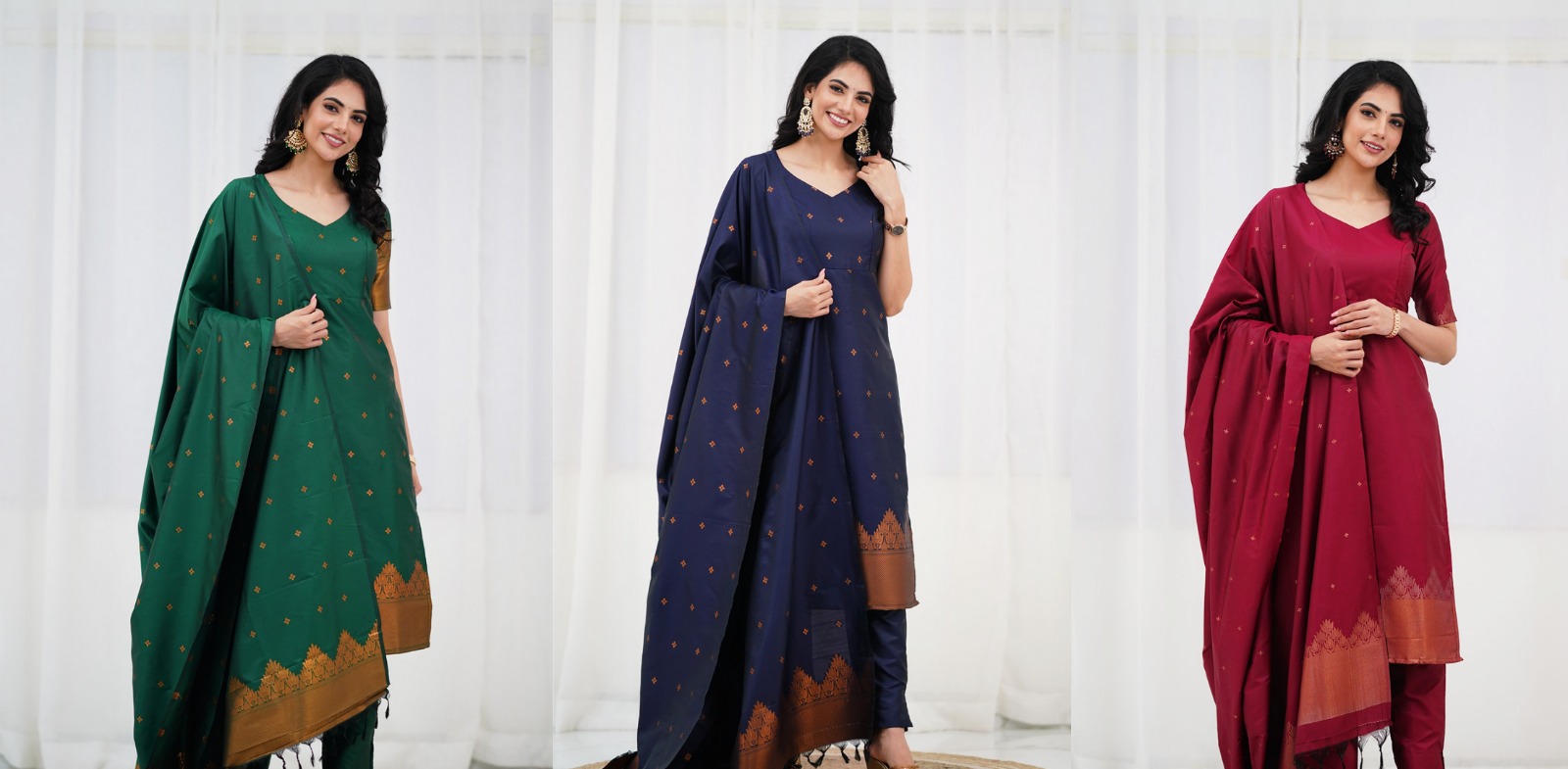
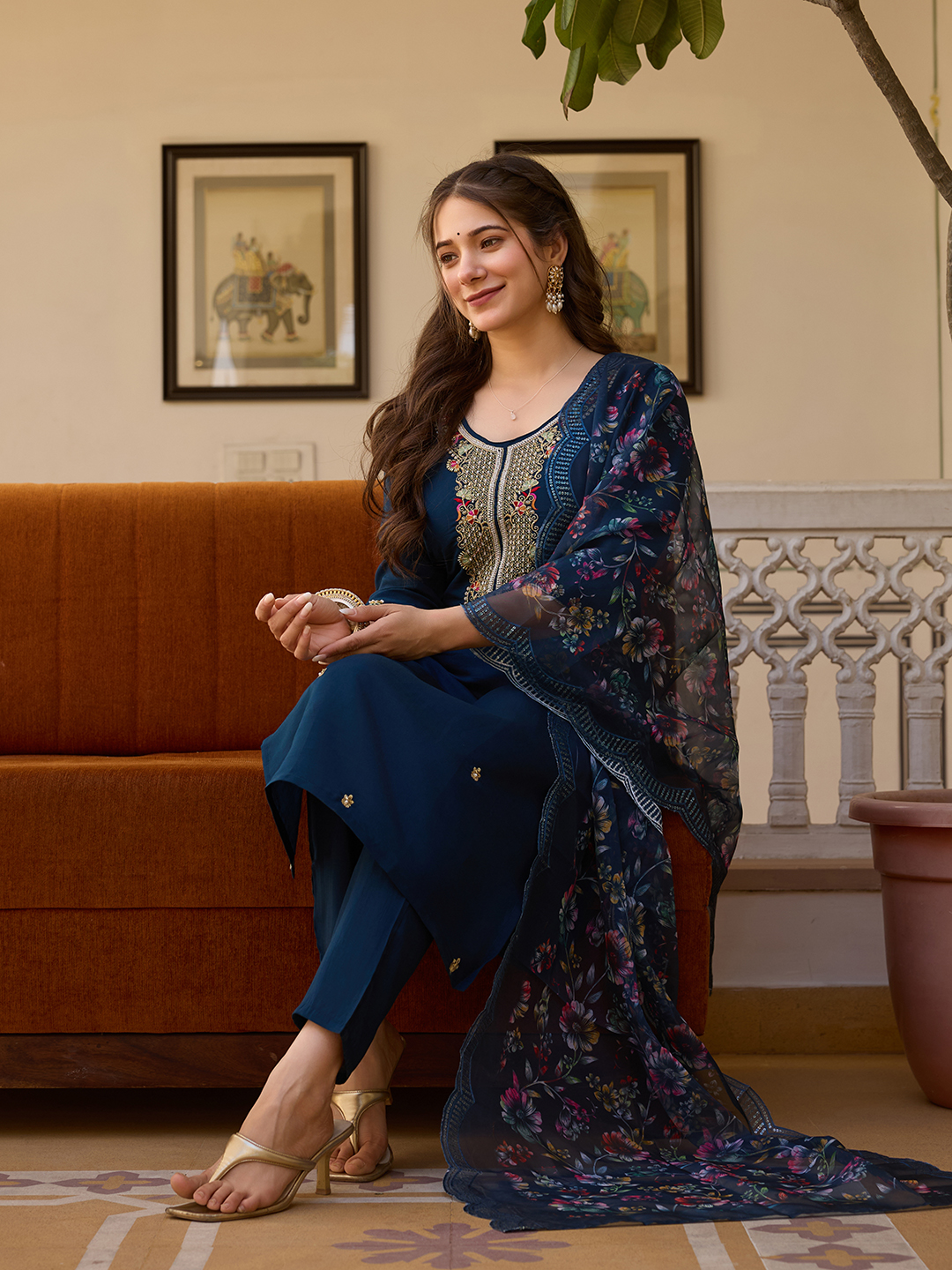
For work, choose a straight or lightly flared kurta in a stable fabric with a concealed side pocket. Navy Blue Threadwork Readymade Salwar Suit offers a useful styling direction for office dressing: darker colours and controlled threadwork make a practical pocket less conspicuous. Keep the contents limited to a phone, access card and one small key.
For errands and travel, a cotton or cotton-blend suit with a wider pocket opening is usually more comfortable. Pista Royale Salwar Suit can be styled with a compact crossbody bag while the pocket carries a phone or transport card, reducing the need to open the bag repeatedly. A pocket should supplement a bag rather than replace secure storage for passports, cash or valuables.
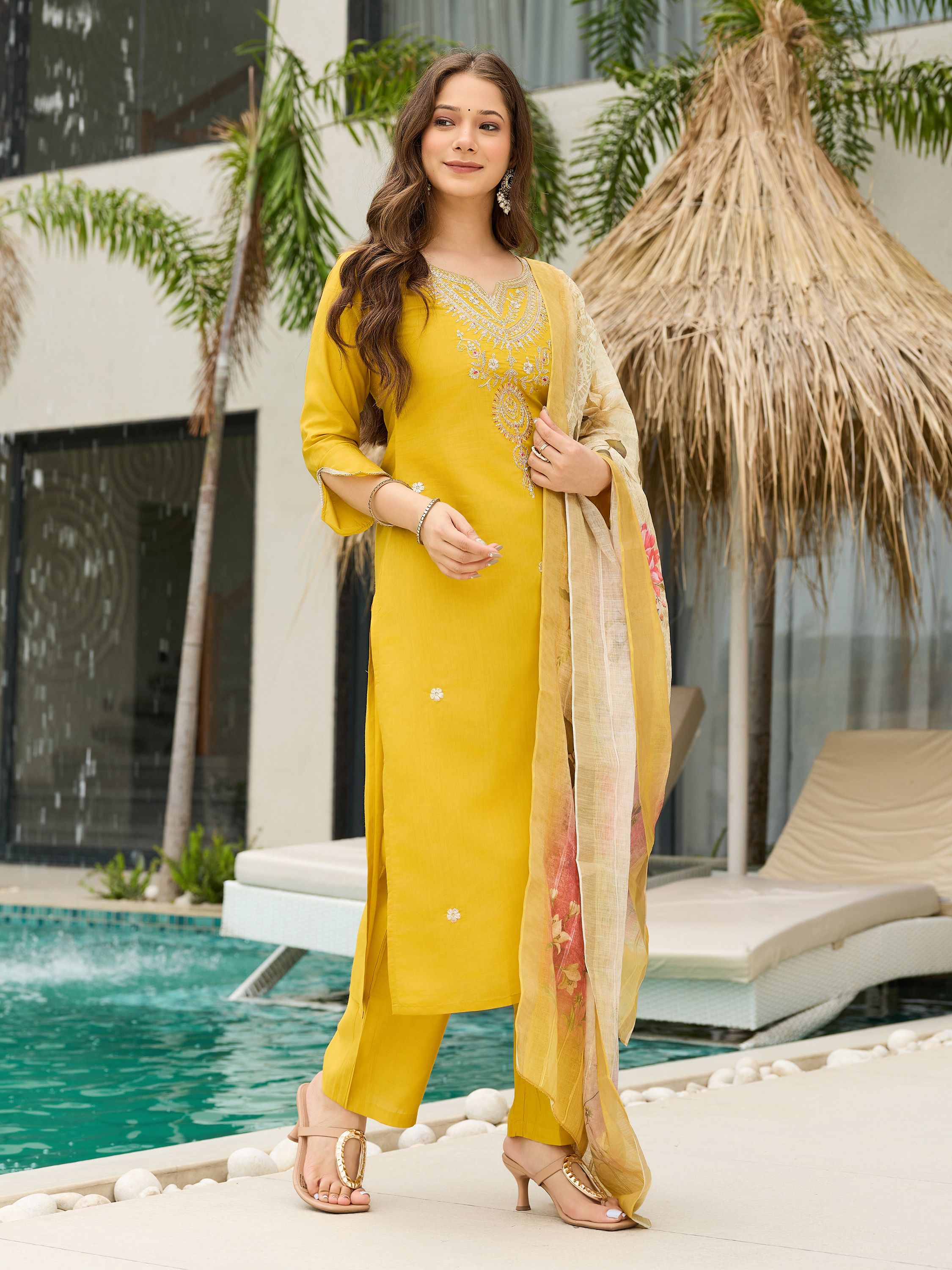
For a family gathering or Haldi ceremony, a pocket can be especially helpful because hands are often occupied. Yellow Threadwork Readymade Salwar Suit and Designer Yellow Salwar Suit with Dupatta show how bright festive clothing can remain practical when the pocket is integrated into a side seam instead of added as a contrasting patch.
For weddings, decoration should not override construction. Maroon Wedding Wear Embroidered Palazzo Suit Set may suit a formal celebration, but check whether the pocket can accommodate the phone without distorting the palazzo line or pressing against zari and embroidery. A small concealed pocket is more appropriate than a large patch pocket for a heavily embellished outfit.
Regional surface design can also guide the choice. Kalamkari Print Salwar Suits (Copy), Gujarat Bandhej Salwar Suits and Odisha Sambalpuri Salwar Suits bring strong print traditions into everyday styling, where a pocket can disappear more easily among motifs. Maharashtra Paithani Inspired Salwar Suits may call for a more careful placement so that a pocket doesn't interrupt a prominent border or woven-inspired detail.
How can you prevent a useful pocket from ruining the silhouette?
You can protect the silhouette by carrying only light, flat items and choosing a pocket positioned along a seam rather than over a prominent design panel. Even a well-made pocket looks untidy when overloaded with a phone, keys, coins and cosmetics.
Use a slim phone case if the pocket is narrow, and place keys in a small soft pouch to prevent scratching or snagging. Avoid carrying a power bank in a side pocket unless the pocket has been designed for additional weight. A heavy object can pull the hem, stretch the opening and create a diagonal wrinkle across the hip.
Embroidered garments need extra care. Embroidered Salwar Suit Set for Women should be checked for the relationship between the pocket opening and the embroidery pattern. Cutting through dense threadwork or attaching a pocket to a weak decorative panel may cause loose threads and uneven tension.
Dupatta draping also affects access. A dupatta worn over both shoulders can cover a side pocket, while a one-shoulder drape may leave the pocket exposed and easier to reach. Pin the dupatta securely but leave enough room around the pocket opening for the hand to enter without disturbing the drape.
What pocket-care habits extend the life of a salwar suit?
Pocket-care habits extend garment life when they reduce stretching, moisture and friction at the opening. Empty every pocket before washing, and don't leave coins, keys or cosmetics inside the garment during storage.
Follow the fabric's care label, but turn embellished suits inside out before gentle washing or dry cleaning. Banarasi silk, zari and dense embroidery may require professional cleaning, while cotton and many washable blends can usually be cleaned according to the label's temperature and detergent instructions.
Inspect the pocket corners every few wears. Loose stitches should be repaired before the opening becomes wider or the pocket bag begins to separate. A tailor can reinforce a side-seam pocket with a few bar-tack stitches, replace a weak pocket bag or deepen a pocket if the seam allowance permits.
Store the salwar suit with the pockets empty and the garment fully dry. Dampness trapped in a pocket can create odour, colour transfer or mildew, particularly in cotton garments. Folding heavy embroidered suits with objects inside the pockets can permanently crease the fabric and distort the pocket opening.
What should you remember before buying a pocketed salwar suit?
The most reliable pocketed salwar suit combines a measured opening, at least moderate depth, reinforced corners and placement above the widest part of the hip. Those four checks are more meaningful than a product title that simply claims to include pockets.
Choose the pocket according to your real routine. A phone-only pocket can be discreet and slim, while an errand-day pocket needs more depth and stronger support. Consider whether you'll sit, climb stairs, travel, attend ceremonies or carry a dupatta over the opening.
Readymade sizing deserves equal attention. A pocket that works in a loose XL kurta may pull across a close-fitting M garment, even when the pocket dimensions are identical. Compare bust, hip and garment-length measurements, and remember that extra ease around the hip gives a loaded pocket more room to sit naturally.
Practical clothing doesn't have to look utilitarian. Thoughtful placement allows a salwar suit to retain its print, embroidery and drape while offering the freedom to keep small essentials close. That is what makes Salwar Suits With Pockets That Are Actually Useful worth seeking out: the pocket supports the way you live instead of merely appearing in the product description.
Questions to Ask Before Choosing a Salwar Suit With Pockets
How deep should a salwar suit pocket be?
A practical salwar suit pocket is usually about 15 to 18 centimetres deep and at least 10 to 13 centimetres wide. Measure your phone and add roughly 2 centimetres to its height and width for comfortable access.
Are side pockets better than patch pockets in salwar suits?
Side pockets are more discreet and suit straight kurtas, palazzo suits and formal styles. Patch pockets are easier to reach and can hold more, but they become part of the visible design and need reinforced corners.
Can a salwar suit pocket hold a large smartphone?
A salwar suit pocket can hold a large smartphone when the pocket opening and depth exceed the phone's measurements by a small margin. Check for at least 12 centimetres of opening and confirm the pocket will not pull the side seam when the phone is inserted.
Do pockets work well in embroidered salwar suits?
Pockets work well in embroidered salwar suits when they are placed in a side seam or an unembellished panel and reinforced at the corners. Avoid loading a pocket sewn through dense embroidery because the added weight can distort the design.
How do I check a pocket when buying a salwar suit online?
Check the product description for functional-pocket wording, study photographs for puckering or gaping, and compare any available measurements with your phone. If the details are missing, ask the seller for the pocket depth, opening width and supported phone size.
Where should a pocket sit on a salwar kurta?
A pocket should generally sit around the upper hip or lower side seam, above the widest part of the thigh. The position should allow the hand to enter naturally while sitting and standing without pulling the hem or pressing into the hip.