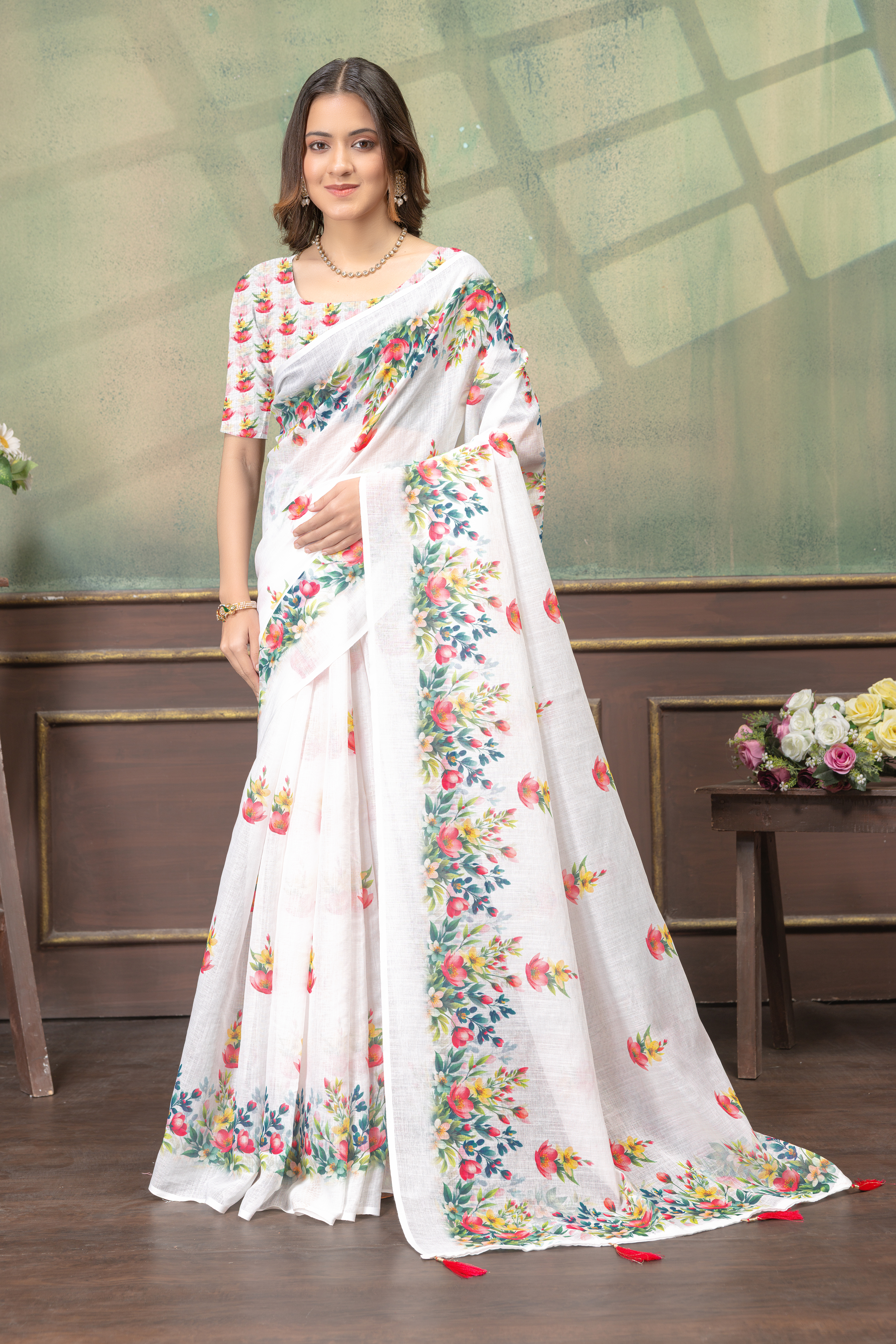

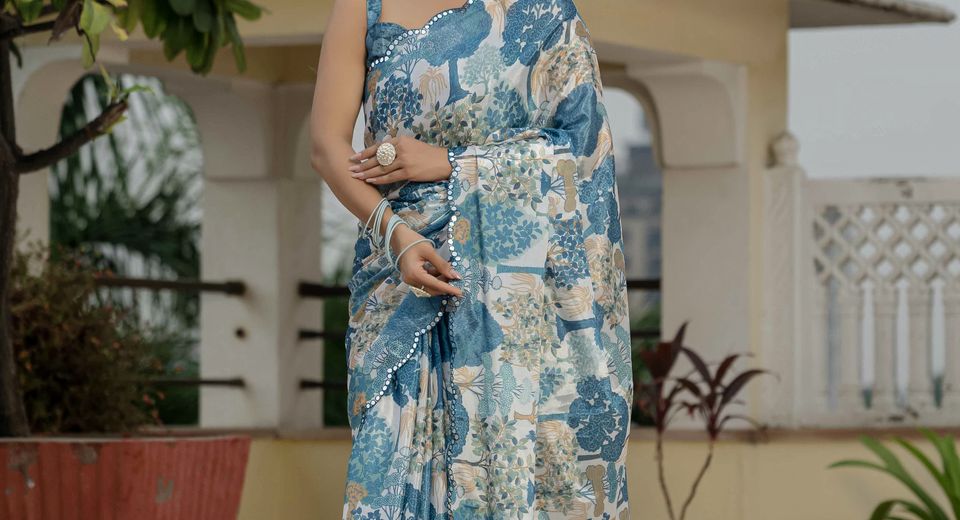
Ready to Wear Sarees for Days When Ten Minutes Is All You Have can turn a rushed morning into a manageable dressing routine. A pre-stitched saree removes the longest part of traditional draping: arranging pleats, positioning the pallu and securing the waist. The best results still depend on three practical decisions: getting the length right, choosing a fabric that behaves well and planning a simple blouse-and-accessory combination.
A ready-to-wear saree usually has stitched pleats, a shaped waist section and a pallu that is already arranged or attached to the body of the saree. You step into the garment, fasten the hooks or zip, adjust the waist and place the pallu over your shoulder. The construction saves time without removing the recognisable saree silhouette, making the format useful for office events, family gatherings, festive lunches and last-minute invitations.
Ready to Wear Sarees for Days When Ten Minutes Is All You Have: What Actually Saves Time?
A ready-to-wear saree saves time by replacing repeated draping adjustments with a pre-shaped waist and fixed pleats. Traditional pleating can take five to fifteen minutes depending on experience, while a well-fitting pre-stitched design can be put on in two to four minutes.
The time saved comes from consistency. Evenly stitched pleats do not need to be rebuilt after sitting in a car, walking between rooms or moving through a busy workday. A pre-arranged pallu also reduces the need for multiple safety pins, although one pin at the shoulder is still sensible for active movement.
The garment is especially helpful when the rest of the outfit is already decided. A floral saree with a coordinated blouse can work with small earrings and flat sandals, while a more embellished saree may need only a bindi, a bracelet and dressier footwear. Limiting the number of decisions is as important as limiting the draping time.
A useful ten-minute routine takes two minutes for the blouse and foundation garment, two minutes to step into and fasten the saree, one minute to adjust the waist, one minute to secure the pallu, two minutes for jewellery and hair, and two minutes for a final mirror check. Keeping the saree, blouse and accessories together the previous evening makes the routine more reliable.
How Do You Put On a Ready-to-Wear Saree Correctly?
Put on a ready-to-wear saree from the waist outward: secure the blouse first, fasten the saree firmly but comfortably, check the hem, and finish by positioning the pallu. Following that order prevents tugging at the shoulder from loosening the waist.

Start with the right foundation
Wear a well-fitted blouse and an underskirt or shapewear only when the saree construction requires one. Many pre-stitched sarees already contain a shaped lower section, but product instructions should decide whether an additional petticoat is necessary. A bulky underskirt can create unwanted volume and make the pleats fall unevenly.
The blouse hem should sit close to the saree waistband without pressing into the skin. A blouse that rides up will make the saree look shorter, while a loose blouse can leave a gap at the waist. When buying online, compare garment measurements with a blouse that fits well rather than relying only on your usual size label.
Check the hem and waistband before leaving
The saree hem should sit just above the floor when you are wearing the footwear planned for the outfit. A hem that drags can catch under sandals, while a hem that sits too high can expose the ankles more than intended and disturb the proportions of the look.
The waistband should feel secure when you sit down and take a few steps. Two fingers should fit comfortably between the waistband and your body. Walk, sit on a chair and raise one arm before leaving; these three movements reveal whether the fastening is too tight or whether the pallu needs one more pin.
Which Fabrics Work Best When You Are Dressing in a Hurry?
Lightweight, crease-resistant fabrics are the easiest choices for rushed dressing because they settle quickly and require fewer adjustments. Chinnon, linen cotton and lightweight tissue cotton each create a different balance of drape, texture and maintenance.

Heavy Chinnon has a fluid fall and often carries floral prints effectively. Turquoise Floral Heavy Chinnon Ready to Wear Saree can provide colour and movement without requiring elaborate jewellery. Peach Floral Heavy Chinnon Ready to Wear Saree offers a softer palette for daytime gatherings, while Blush Pink Floral Heavy Chinnon Ready to Wear Saree suits understated festive styling.
Chinnon with lace or mirror details adds visual interest around the border and pallu. Floral Chinnon Ready to Wear Saree with Mirror Lace and Ivory Floral Chinnon Ready To Wear Saree With Mirror Lace work well when the saree itself needs to carry the outfit. Mirror lace catches light at family celebrations, but a simpler blouse and smaller earrings keep the result balanced.
Linen cotton offers more texture and structure than a fluid synthetic drape. Pastel Linen Cotton Floral Print Saree with Designer Blouse can suit a daytime meeting, cultural programme or informal celebration because the fabric looks composed without requiring heavy embellishment. Linen cotton may crease more visibly after long sitting, so the fabric works best for occasions where a natural textured finish is welcome.
Tissue cotton with zari weaves creates a crisp, lightly luminous surface. Pastel Floral Tissue Handloom Cotton Saree with Zari Weaves can work for a puja, lunch or daytime festive event. Zari is best supported by restrained accessories when the print is already prominent; gold-toned studs or a slim bangle can be enough.
Fabric weight matters when a saree will be worn for several hours. A light Chinnon saree is often easier for travel and standing events, while a denser handloom cotton may feel more stable in a seated setting. The blouse lining, border and embellishment can change the total weight, so product details should be checked rather than judged from the fabric name alone.
Which Quick Styling Formulas Suit Work and Family Events?
The quickest styling formula is one saree, one coordinated blouse, one practical shoe and one jewellery focal point. A limited accessory plan prevents a ten-minute outfit from becoming a twenty-minute search through drawers.

For office mornings
Choose a floral print, a muted pastel or a medium-contrast border for office wear. Pair a Chinnon saree with a structured blouse, small hoops and low block heels or polished flats. Keep the pallu over the left shoulder with one hidden pin so that typing, commuting and carrying a laptop remain comfortable.
Turquoise Floral Heavy Chinnon Ready to Wear Saree can be made work-appropriate with a solid blouse in ivory, navy or a matching turquoise tone. Peach Blue Floral Chinnon Ready To Wear Saree can take a neutral blouse and minimal jewellery when the print already contains several colours. A slim watch is practical and visually useful because it completes the look without adding bulk.
For a family lunch or daytime ceremony
Pastel colours and floral borders suit daytime family events because they look festive without the visual weight of evening embellishment. Add pearl or gold-tone earrings, a small bindi and sandals with a stable heel. For a Haldi ceremony, avoid a trailing pallu and choose accessories that can be wiped or removed easily if turmeric or floral water comes into contact with the outfit.
Ivory, blush pink and peach shades photograph softly in natural light. A contrasting blouse sleeve or a narrow coloured border gives definition when the saree is pale. Keep the pallu arrangement simple because a heavily folded pallu can become uncomfortable during meals and informal sitting.
For a last-minute evening invitation
Use the saree border, mirror lace or zari as the main evening detail instead of adding several competing accessories. A pair of statement earrings, a neat low bun and metallic sandals can create an evening finish in under five minutes. A small clutch is more practical than a shoulder bag because a strap can disturb a carefully placed pallu.
How Do You Choose the Correct Size and Length Online?
The correct ready-to-wear saree size depends on waist measurement, height, blouse measurement and intended footwear. Saree size labels are not fully standardised, so product-specific measurements matter more than a general small, medium or large label.

Measure the waist where the saree waistband will sit, usually around the natural waist or slightly below it. Measure the blouse bust around the fullest part while wearing a non-padded bra similar to the one planned for the outfit. Measure height without footwear and note the heel height that will be worn. These measurements help identify whether the fixed pleats and hem will fall correctly.
Height affects the visible proportion of a pre-stitched saree because the pleats cannot be freely lengthened or shortened like a loose length of fabric. Someone below approximately 160 centimetres should pay particular attention to the listed saree length and hem position. Someone above approximately 170 centimetres should check whether the pallu and lower edge provide enough coverage.
Choose a slightly forgiving waistband for long events, but do not size up so far that the pleats twist while walking. If the waist is between two listed measurements, consider the blouse fit and whether the garment has an adjustable fastening. A tailor can sometimes alter a waistband or hook position, but changing fixed pleats is more complicated and can affect the pallu balance.
How Can You Compare Price and Value Without Rushing the Purchase?
The best-value ready-to-wear saree is the one that combines a reliable fit, useful fabric and repeat-wear potential rather than simply the lowest listed price. A pre-stitched construction may cost more than an unstitched saree because pleats, fastening and blouse components require additional labour.

Start by comparing the construction details included in the listing. Check whether the blouse is included, whether the waist has hooks, a zip or adjustable ties, and whether the pallu is attached or separate. Also check the saree length, blouse measurements, lining, embellishment and care instructions before comparing prices.
Budget browsing can begin with Sarees from Rs 1000 to Rs 1500 when the priority is a practical everyday or occasional option. Sale-led searches such as Sarees Under 20% Off and Sarees Under 10% Off may help when the preferred colour or fabric is already clear. Larger discount collections, including Sarees Flat 60% Off and Sarees Flat 50% Off, require closer checking of available sizes, return conditions and remaining colour choices.
A useful cost-per-wear test is simple. If a saree costs ₹1,500 and is worn ten times, the garment costs ₹150 per wear before cleaning and alterations. A design that works for office celebrations, family lunches and small festivals may offer better value than a heavily specific piece that is worn once.
How Should You Store and Wash a Ready-to-Wear Saree?
Store a ready-to-wear saree on a broad hanger or fold it along its stitched pleats after complete drying. Correct storage protects the waistband, prevents deep creases and reduces stress on lace, mirror work and zari.

Read the care label before washing because Chinnon, linen cotton, tissue cotton and embellished borders can respond differently to water and friction. Hand washing in cool water with a mild detergent is generally gentler than machine washing, but a care label or professional cleaning instruction should take priority. Do not wring a saree with mirror lace or zari.
Test colour fastness on a hidden inner area if the care guidance permits home washing. Keep pale sarees away from direct, harsh sunlight for extended periods because prolonged exposure can weaken colour. Press from the reverse side on a low or medium setting, using a thin cotton cloth between the iron and the saree when lace, mirror work or zari is present.
Fold the saree with tissue paper between heavily embellished sections if the garment will be stored for several months. Refold stored sarees every few months to prevent one fold line from becoming permanent. Keep the saree dry and away from perfumes, damp walls and unprotected metal hangers.
What Should You Check Before Leaving Home?
A final two-minute check should cover movement, coverage, fastening and appearance. These four checks catch most problems before they become uncomfortable in public.

- Walk at a normal pace and confirm that the hem does not touch the floor.
- Sit on a chair and check that the waistband does not pinch or slide.
- Raise both arms to test whether the pallu or blouse restricts movement.
- Check that hooks, zips and shoulder pins are secure but not pulling the fabric.
- Look at the back and side view to confirm that the pleats remain centred.
- Carry the bag and footwear planned for the event before making final adjustments.
A ready-to-wear saree works best when convenience is treated as a fit problem, not merely a speed problem. The right measurements, a manageable fabric and a pre-planned accessory set can reduce dressing time while keeping the silhouette comfortable for several hours.
Common Questions About Ready-to-Wear Sarees on Busy Days
How long does it take to wear a ready-to-wear saree?
A well-fitting ready-to-wear saree can usually be put on in two to four minutes, excluding blouse, hair and jewellery. A complete outfit can fit comfortably into a ten-minute routine when the saree and accessories are prepared in advance.
Can a ready-to-wear saree be worn without a petticoat?
Some ready-to-wear sarees can be worn without a separate petticoat because the lower section and pleats are already shaped. Check the product construction and care instructions first, since an additional underskirt may be needed for coverage or support.
Are ready-to-wear sarees suitable for office wear?
Ready-to-wear sarees are suitable for office wear when the fabric, print and accessories are comfortable and moderately formal. Floral Chinnon, linen cotton and muted tissue cotton can work well with a structured blouse, practical footwear and minimal jewellery.
How do I choose the size of a pre-stitched saree online?
Choose the size using the listed waist, blouse bust, saree length and height measurements rather than relying only on a standard size label. Measure the waist where the waistband will sit and check the intended footwear before placing the order.
Can ready-to-wear sarees be washed at home?
Some ready-to-wear sarees can be hand washed at home, but the correct method depends on the fabric, lining, lace, mirror work and zari. Follow the care label, use cool water when permitted, avoid wringing and dry the saree away from harsh direct sunlight.
What jewellery looks best with a floral ready-to-wear saree?
Small hoops, pearl earrings, slim bangles or a single statement pair work well with a floral ready-to-wear saree. Choose one main jewellery focus when the saree includes mirror lace, zari or a multicoloured print.