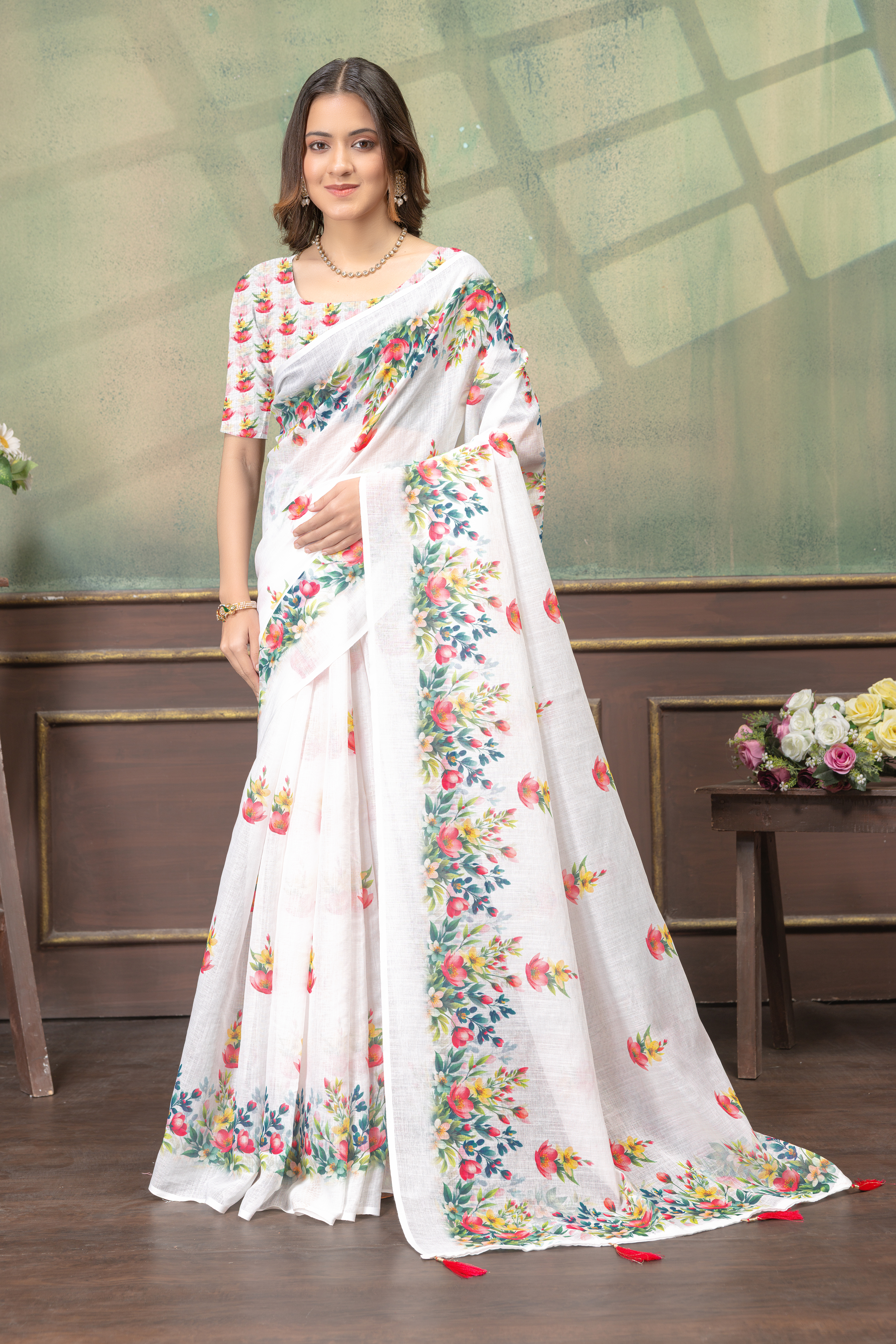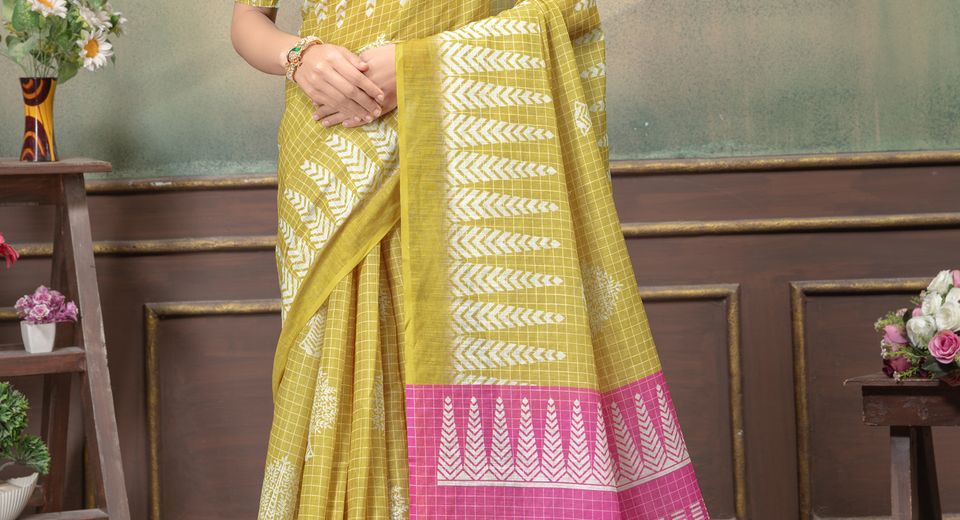
Can a Pre Stitched Saree Still Look Traditional at a Wedding? Yes, when the saree retains the visual details that signal festive Indian dressing: a defined pallu, orderly pleats, a substantial border, an appropriate blouse and jewellery suited to the ceremony. The advantage of a pre stitched saree is controlled construction, not a loss of tradition.
A conventionally draped saree gains its character from proportion and finishing rather than from the number of minutes spent wrapping it. A pre stitched design can therefore look completely at home at a wedding if its fabric, colour, pallu and accessories support the function. The most successful styling treats the saree as a complete festive outfit instead of presenting convenience as its only feature.
Start With the Silhouette
A pre stitched saree can look classic at a wedding when the silhouette preserves a clean waist, recognisable front pleats and a visible pallu. These elements make the garment read as a saree even when the pleats and waistband have been prepared in advance.
Fit determines whether the finished outfit looks polished or improvised. The waistband should sit securely at the natural waist without digging into the body. The hem should clear the floor by approximately 1 to 2 centimetres when worn with the intended footwear. A saree that drags, twists at the waist or pulls across the hips will undermine the most time-honoured textile.
Check the garment while standing, walking, sitting and climbing a few steps. A pre stitched saree can feel secure in front of a mirror but shift when the wearer sits for a ceremony. Test the fastening, waistband and pallu pins at home at least once before the wedding day.
Choose the Right Fabric
Silk, silk blends, tissue, cotton with zari and structured linen-cotton fabrics can all work for a wedding, but each creates a different degree of formality. Silk and zari usually create the strongest heritage impression, while cotton and linen-cotton suit daytime weddings and intimate ceremonies.
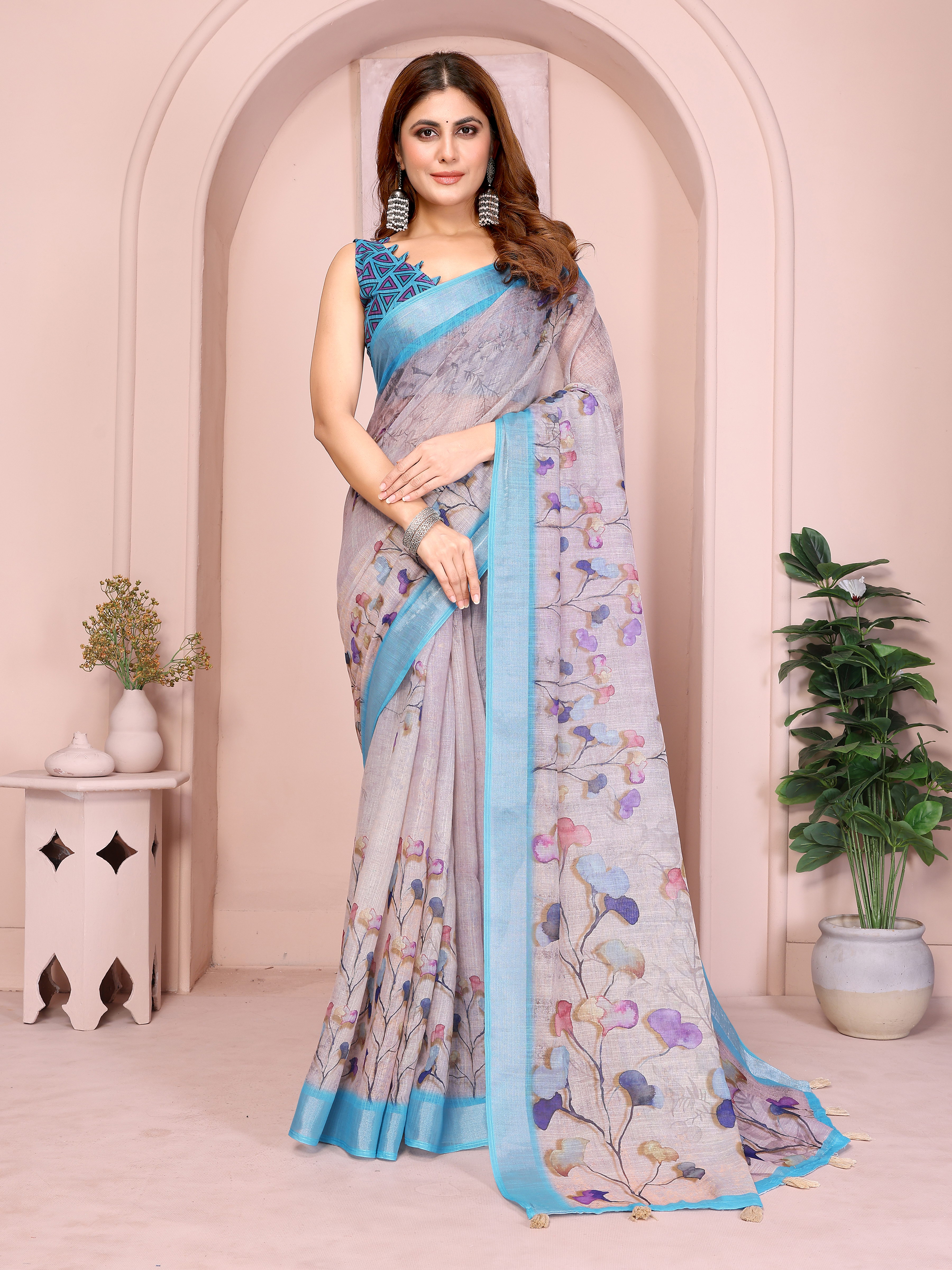
Silk and zari for evening celebrations
Banarasi silk and other zari-rich weaves create an immediate connection with wedding dressing because metallic motifs and borders catch warm indoor light. Maroon Banarasi Soft Silk Saree with Golden Zari Border shows why a defined border can be enough to make a pre stitched saree feel ceremonial. Gold-toned earrings, a structured blouse and a neat pallu will preserve the richness without making the outfit look overloaded.
Red Woven Zari Silk Blend Saree With Brocade Blouse offers another useful direction. The brocade blouse supplies texture near the face, while the woven zari keeps the saree visually connected to heritage silk dressing. Deep red, maroon and jewel tones are especially effective for evening receptions because the colours remain defined under artificial lighting.
Cotton and tissue for daytime weddings
Cotton with zari is well suited to a Haldi ceremony, a daytime wedding or a guest outfit that must remain comfortable for several hours. Maroon Cotton Saree with Zari Work for Wedding can be styled traditionally with a high-neck or elbow-sleeve blouse, a low bun and a bindi that relates to the saree's border.
Pastel Floral Tissue Handloom Cotton Saree with Zari Weaves works well for a morning or garden celebration because the floral surface keeps the outfit soft while the zari prevents it from looking like ordinary daywear. Pastel Linen Cotton Floral Print Saree with Designer Blouse is more contemporary, but a gold waist belt, jhumkas and a carefully arranged pallu can give the outfit a distinctly Indian wedding finish.
Perfect the Pallu and Pleats
A time-honoured-looking drape needs three visible features: a straight pleat line, a clearly displayed pallu and a balanced border position. These details make a pre stitched saree look intentional and familiar, even when the garment has been assembled for quicker dressing.
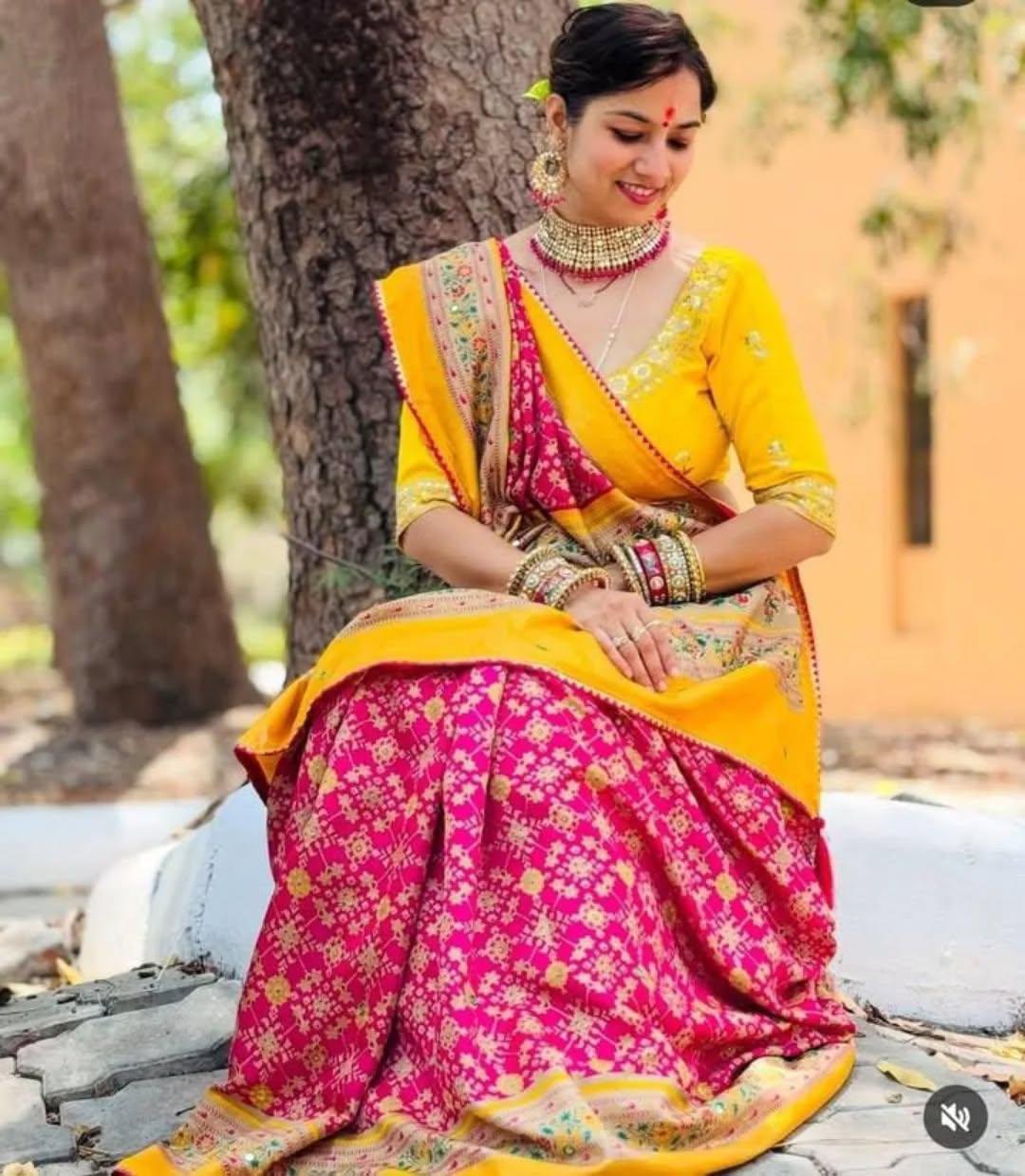
Front pleats should fall in a controlled vertical line rather than bunching at the waist. Five to seven visible pleats often create a recognisable saree fall, although the exact number depends on the garment's construction, the wearer's height and the fullness of the fabric. Avoid adding safety pins through the front of the saree because visible pin heads can interrupt the finish.
Keep the pallu broad enough to show its border, motifs and textile. A pallu folded into a very narrow strip can make the outfit resemble a gown with a sash. A broader pallu frames the blouse and jewellery more effectively. Pin the pallu beneath the shoulder seam and near the waist if the wedding includes dancing, rituals or frequent movement.
The standard Nivi-inspired arrangement places the pallu over the left shoulder, but regional drapes vary across India. Comfortable, confident wear is more important than forcing a regional style that the wearer can't move in. A pre stitched saree should support participation in the ceremony rather than require constant adjustment.
Match the Blouse
The blouse should echo at least one element of the saree, such as its zari colour, fabric weight, neckline or motif scale. A well-fitted blouse often contributes more to a heritage impression than additional accessories because the blouse frames the pallu and shapes the upper body.

For silk, Banarasi silk or brocade sarees, elbow-length sleeves, a square neckline, a boat neckline or a modest round neck provide a familiar festive proportion. These shapes leave enough visual space for gold necklaces and earrings. A blouse that's very casual, sheer or sharply contrasting can make an otherwise classic saree feel like evening fusion wear.
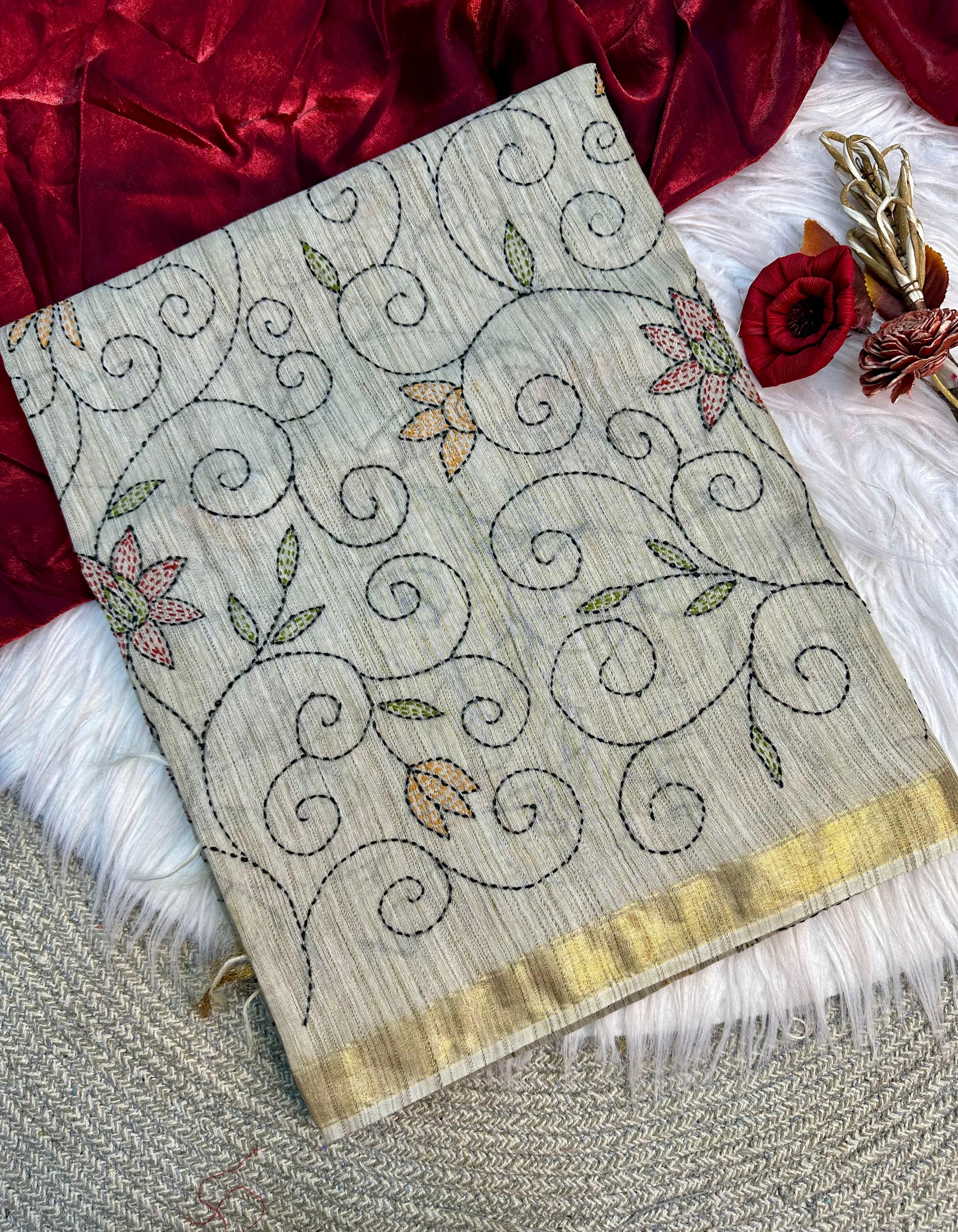
Premium Handloom Silk Saree with Handkatha can support a handloom-focused blouse in a related shade, especially for a daytime wedding. Handwoven textures don't need excessive sparkle. A fabric-covered button row, piping at the sleeve or a simple zari edge can provide the necessary finish.
The blouse must allow the wearer to raise both arms, sit comfortably and participate in rituals without the shoulder seams pulling. Test the blouse with the pre stitched saree at least two days before the event. A blouse that feels comfortable while standing may become restrictive once the waistband and pallu pins are in place.
Use Accessories Carefully
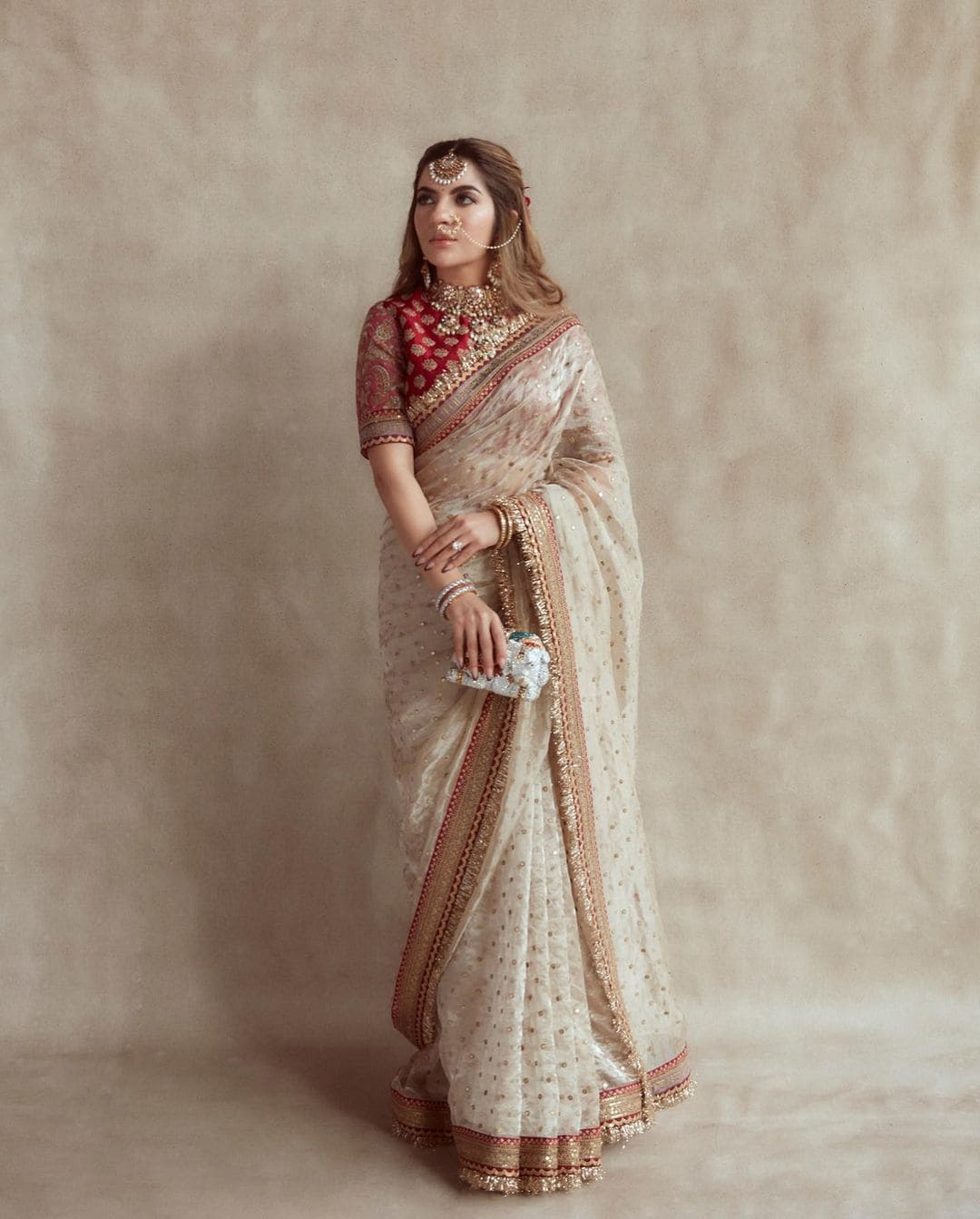
Gold-toned jewellery, a bindi, a defined hairstyle and supportive footwear are the most reliable accessories for a classic wedding appearance. Accessories should repeat the saree's visual language instead of competing with every colour and motif.
- Jewellery: Choose jhumkas, chandbali earrings, a short necklace or a long chain according to the blouse neckline. Gold-toned pieces pair naturally with zari, while pearls suit pastel tissue and lighter handloom sarees.
- Hair: A low bun, braid or half-up style creates a stable base for fresh flowers or a small gajra. Open hair can work for a reception, but it may hide the pallu and become difficult to manage during ceremonies.
- Bag: A small potli or compact embroidered clutch keeps the outfit cohesive. An oversized work bag interrupts the vertical line created by the pleats.
- Footwear: Select footwear before adjusting the hem. A 2 to 3 centimetre heel can improve the fall, but comfort matters when a wedding includes standing, stairs and several hours of movement.
- Make-up: A defined eye, warm blush and a lip colour related to the saree can look more heritage than heavy contouring. A small bindi adds a strong finishing cue with very little effort.
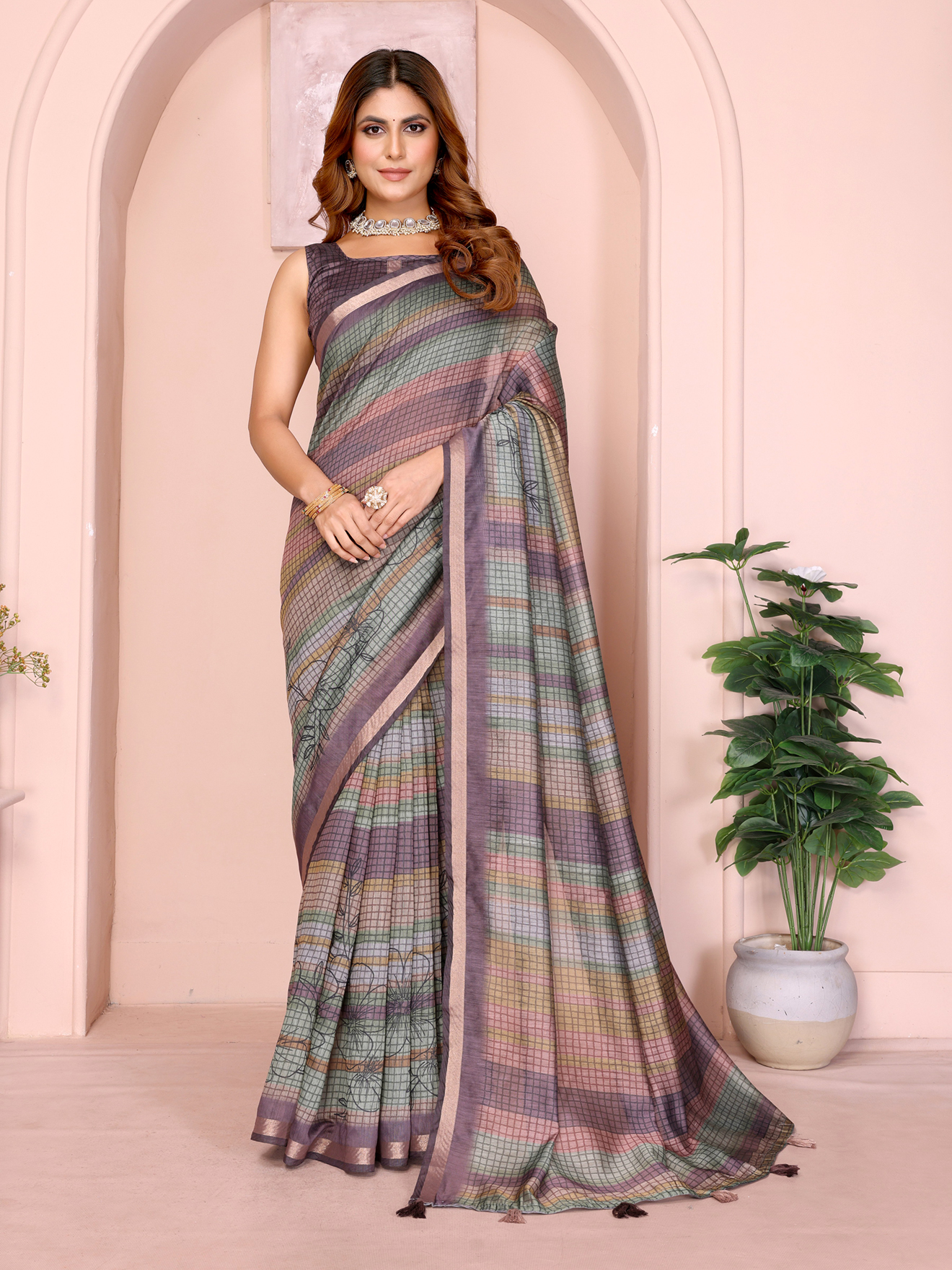
Mustard Satin Saree with Printed Pink Pallu & Blouse shows why colour coordination matters. The pink pallu can be repeated in the bindi, earrings, bangles or lip colour while mustard accessories remain restrained. Repeating one accent colour two or three times is usually more elegant than matching every accessory to the complete print.
Dress for the Function
The same pre stitched saree should not be styled identically for a Haldi ceremony, pheras, wedding reception and sangeet. Function, time of day, venue and expected movement should determine the fabric weight, jewellery and level of structure.
Haldi and daytime functions
Cotton, tissue and linen-cotton are practical choices for a Haldi ceremony and other daytime events. Pastel floral surfaces, yellow, pink, coral and maroon accents work well in daylight. Lighter jewellery and a compact handbag make the outfit easier to manage around turmeric, outdoor seating and informal photographs.
Main wedding ceremonies
Silk, Banarasi silk, zari cotton and brocade are strong choices for the main wedding ceremony. Maroon Banarasi Soft Silk Saree with Golden Zari Border or Red Woven Zari Silk Blend Saree With Brocade Blouse can be made more traditional with a visible pallu, gold bangles, a bun and a blouse with sleeves.
Reception and sangeet
A reception or sangeet allows more experimentation with satin, prints, a sculpted blouse or a narrow belt, provided the saree still has a clear pallu and pleated front. The outfit can become modern through colour and blouse design while remaining recognisably Indian through the drape and jewellery.
Latest Wedding Sarees Collection is useful when comparing heavier festive options with lighter guest styles. Wedding Sarees Collection Under 4000 can help set a practical budget before choosing a blouse and accessories. Silk Sarees Under 3000 With Discount may suit shoppers who want a silk-led appearance without allocating the entire outfit budget to the saree.
Use a Final Check
A final dressing check should confirm fit, proportion, function and comfort before the wearer leaves home. Five minutes of preparation can prevent the most common problems associated with pre stitched wedding sarees.
- Check the hem: Confirm that the saree clears the floor with the chosen footwear.
- Check the waistband: Sit down and walk for five minutes to make sure the fastening doesn't roll or loosen.
- Check the pallu: Keep the border visible and secure the shoulder section with a discreet pin.
- Check the blouse: Raise both arms and sit without pulling at the neckline or sleeves.
- Check the accessories: Remove any necklace, earring or bangle that catches on the zari or blouse.
- Check the function: Carry a small emergency kit with safety pins, fashion tape, a spare bindi and a compact sewing kit.
Pink Georgette Sarees and Red Banarasi Silk Sarees for Weddings Under 1100 illustrate two different approaches to wedding styling: soft movement for a lighter celebration and strong colour for a more traditional festive effect. The right choice depends on the ceremony and the overall outfit balance rather than on whether the saree was manually draped.
A pre stitched saree can look traditional at a wedding when the wearer prioritises fabric character, a visible pallu, controlled pleats, a suitable blouse and purposeful accessories. Convenience changes the dressing process, but it doesn't remove the cultural visual language of the saree.
Common Questions About Wearing a Pre Stitched Saree to a Wedding
Can a pre stitched saree look traditional at a wedding?
A pre stitched saree can look traditional when it has a clear pallu, orderly pleats, a suitable border and a well-fitted blouse. Silk, Banarasi silk, zari cotton and brocade fabrics strengthen the festive appearance, while gold-toned jewellery and a bindi complete the look.
Which pre stitched saree fabric is best for a wedding guest?
Silk and zari work well for evening weddings and formal ceremonies, while cotton, tissue and linen-cotton suit daytime functions. Choose the fabric according to the venue, weather, ceremony and amount of movement expected.
How should the pallu be styled on a pre stitched saree?
Keep the pallu broad enough to show its border and motifs, then secure it at the shoulder with a discreet pin. A visible pallu makes the outfit read as a saree and prevents the garment from looking like a gown with a sash.
What blouse works with a traditional wedding saree?
A blouse that repeats the saree's fabric, zari colour or motif scale usually creates the most cohesive result. Elbow-length sleeves, a boat neckline, a square neckline or a modest round neck work particularly well with silk, Banarasi silk and brocade sarees.
Can I wear a pre stitched saree to a Haldi ceremony?
A pre stitched saree is suitable for a Haldi ceremony when it uses breathable cotton, tissue or linen-cotton and allows comfortable movement. Choose secure pleats, washable or easy-care accessories and footwear that remains stable outdoors.
How can I stop a pre stitched saree from looking too modern at a wedding?
Use a defined pallu, a visible border, traditional jewellery, a bindi and a bun or braid to create a classic finish. Avoid combining too many contemporary elements, such as a very narrow pallu, a casual blouse, a large belt and minimal accessories at the same time.